Heavy Duty Wheel Chocks
Heavy duty wheel chocks are the cheapest piece of safety equipment on a loading dock and the one that stops the accident nobody survives explaining: a trailer that rolls or creeps away while a forklift is inside it. The range here is all Vestil, and it is wider than most buyers expect, from a recycled-plastic wedge under $20 to urethane models rated well past 100 tons of static holding force, with rubber, aluminum, and fabricated steel builds in between and a separate line of chocks made for rail cars. A chock is a wedge that turns a tire's rolling force into friction against the ground, so the two things that matter are the friction the material gives you and whether the wedge is tall enough for the tire it faces. This page sorts the catalog by those two questions, covers the OSHA rules that apply at the dock, and points to the holders, flags, and signs that keep a chock from walking off.
Compare Wheel Chocks
| Model | Price | Net Weight | |
|---|---|---|---|
| Vestil Ergo-Handle Wheel Chocks | $120 | 4-21 lb | View → |
| Vestil Universal Steel Rail Chocks | $113 | 8-23 lb | View → |
| Vestil Magnetic Rail Car Wheel Chock | $45 | 4 lb | View → |
| Vestil Industrial Rubber Wedges | $34 | — | View → |
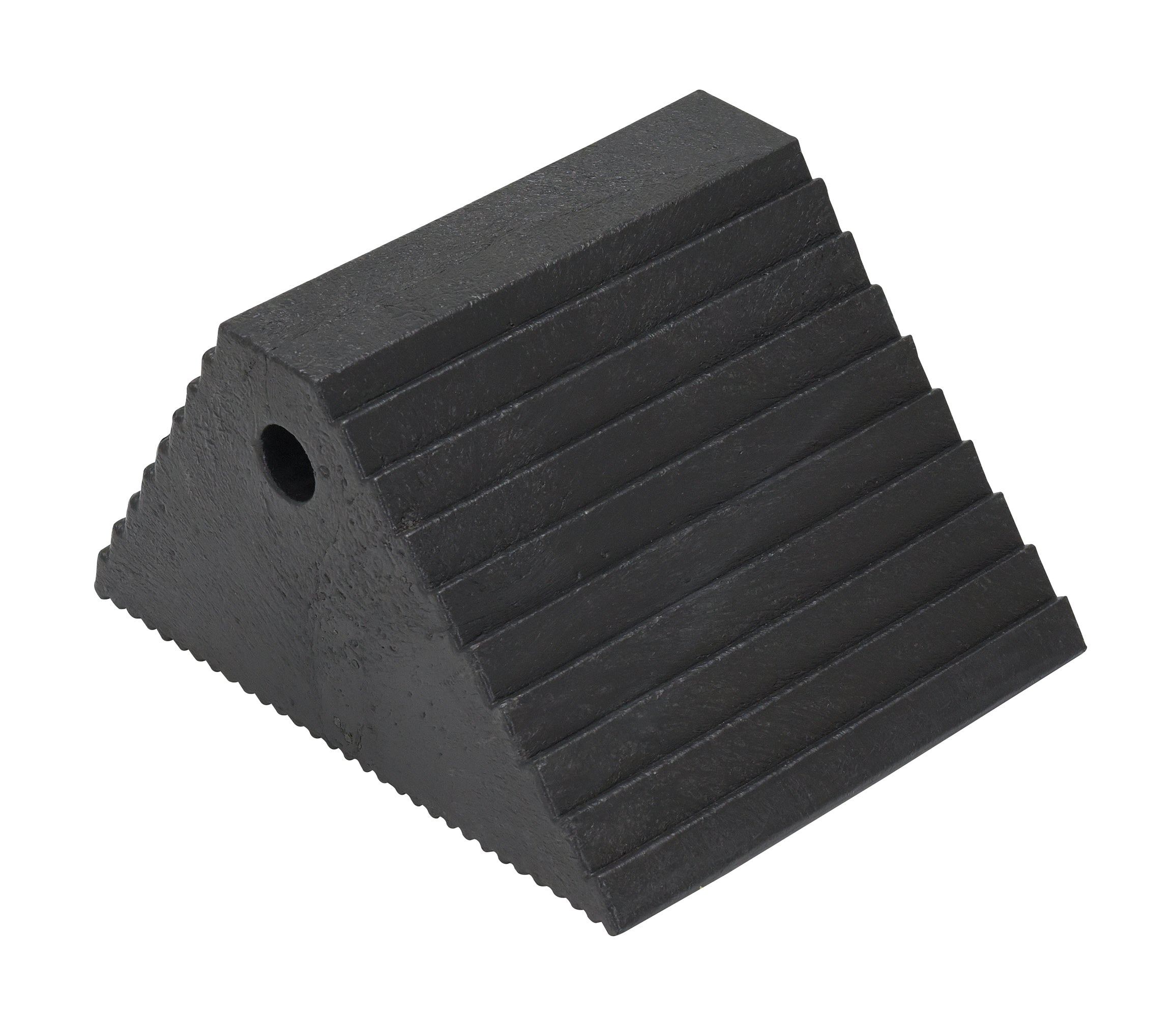
| Vestil Urethane Wheel Chocks | $31 | — | View → |
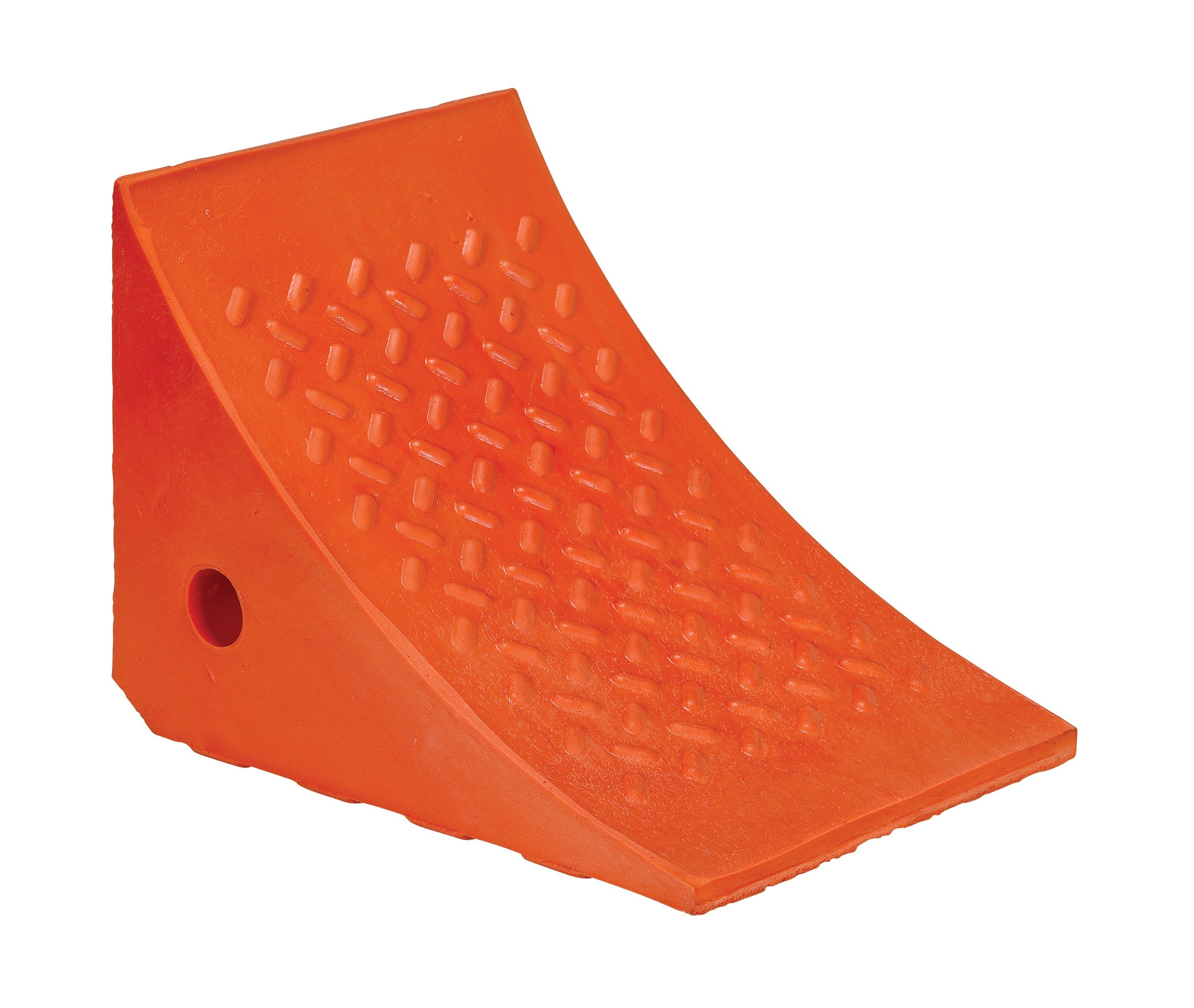
| Vestil Plastic Wheel Chocks | $21 | — | View → |
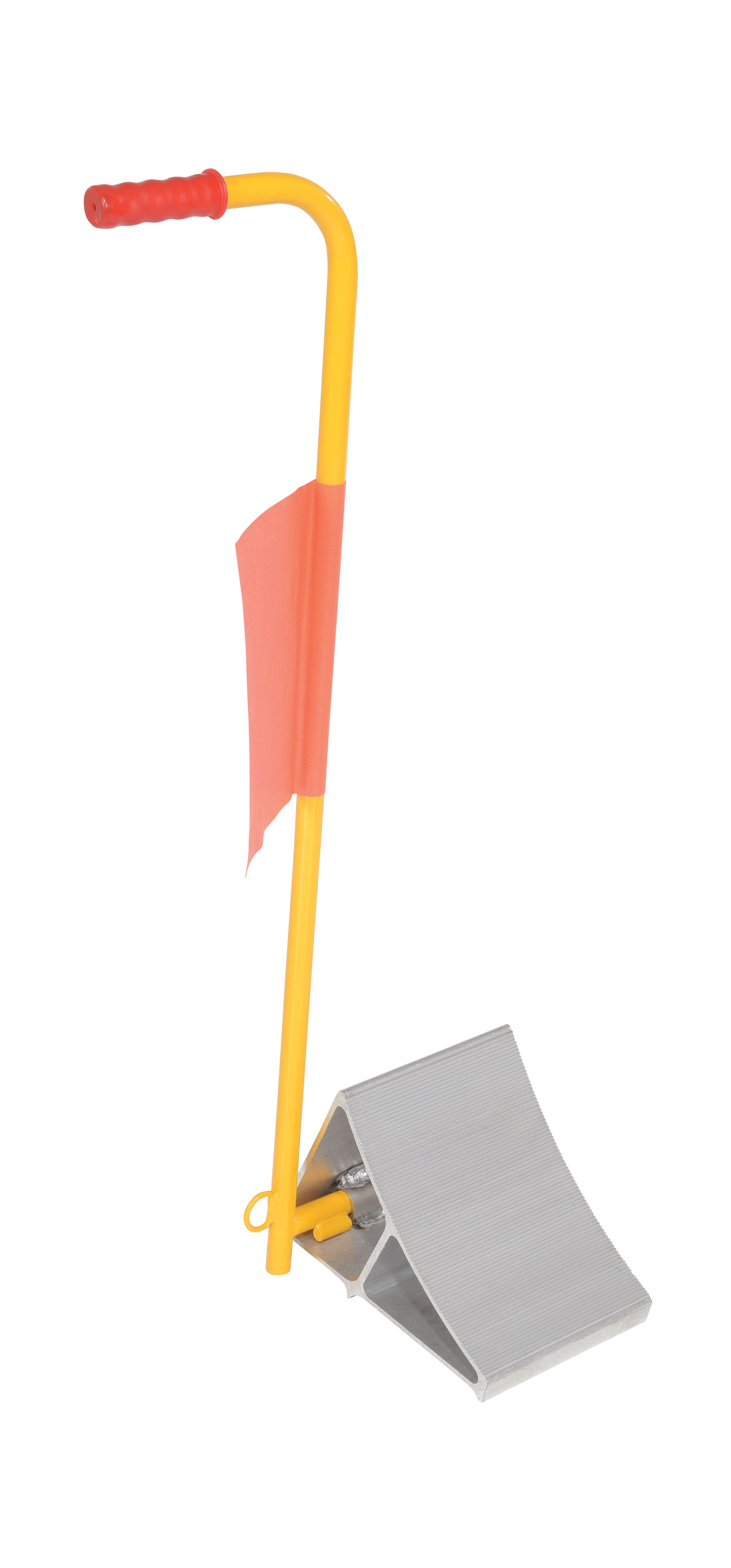 In Stock
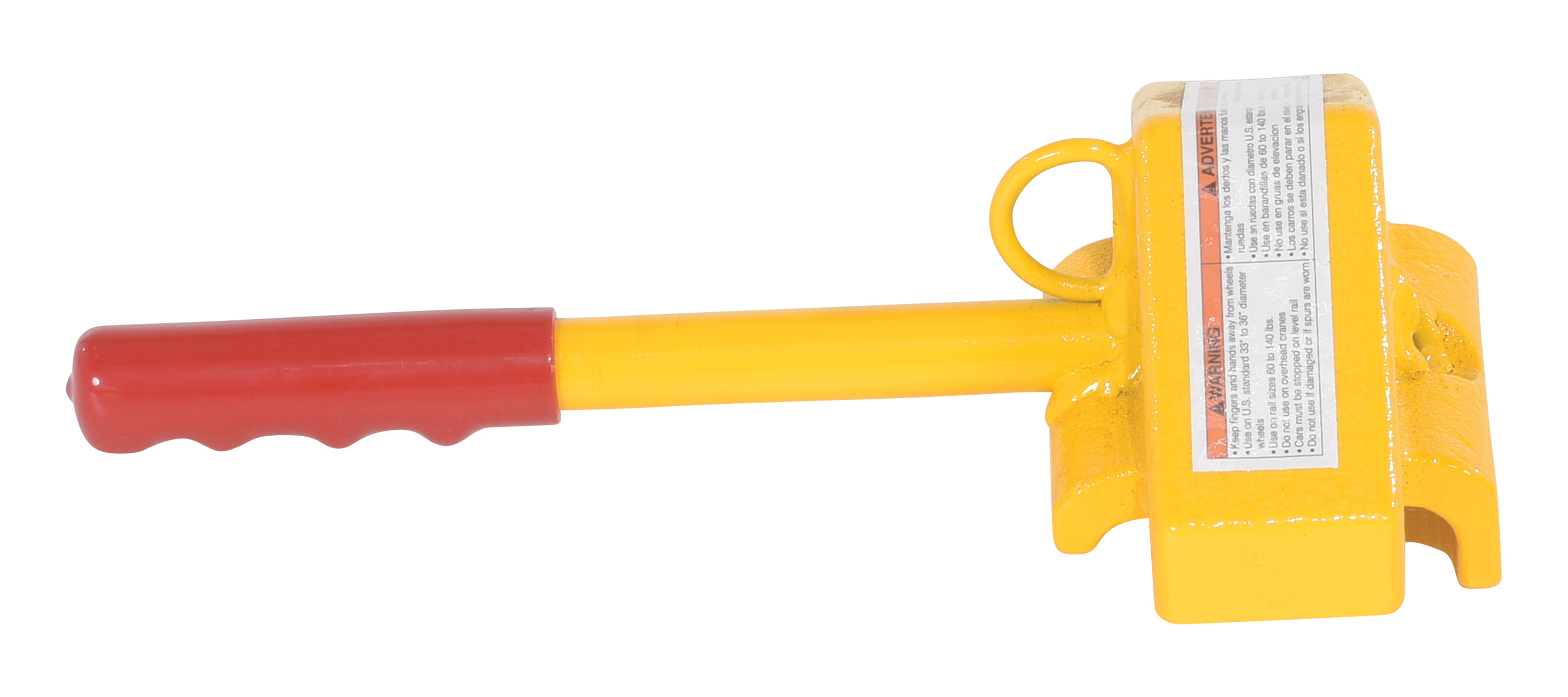 In Stock
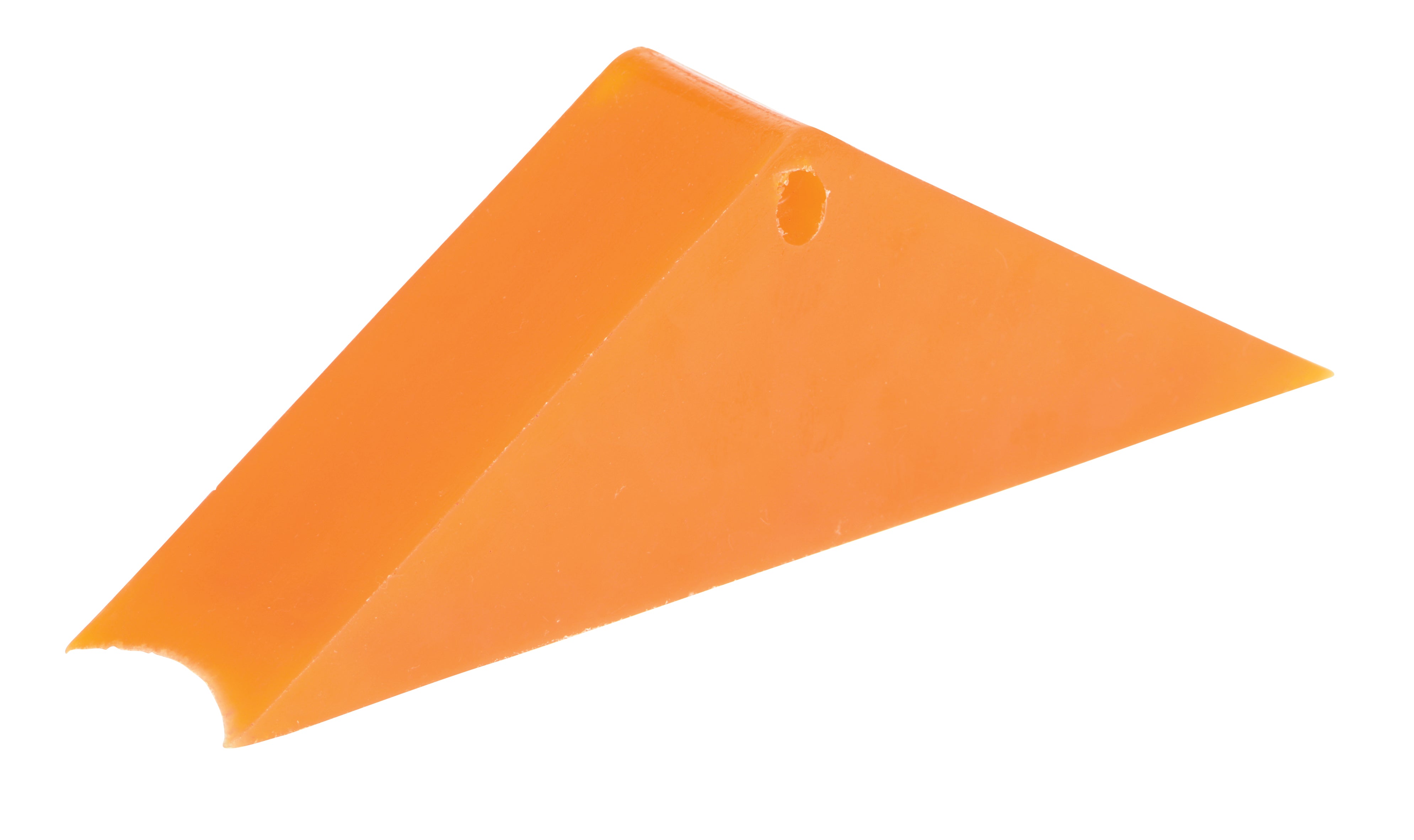 In Stock
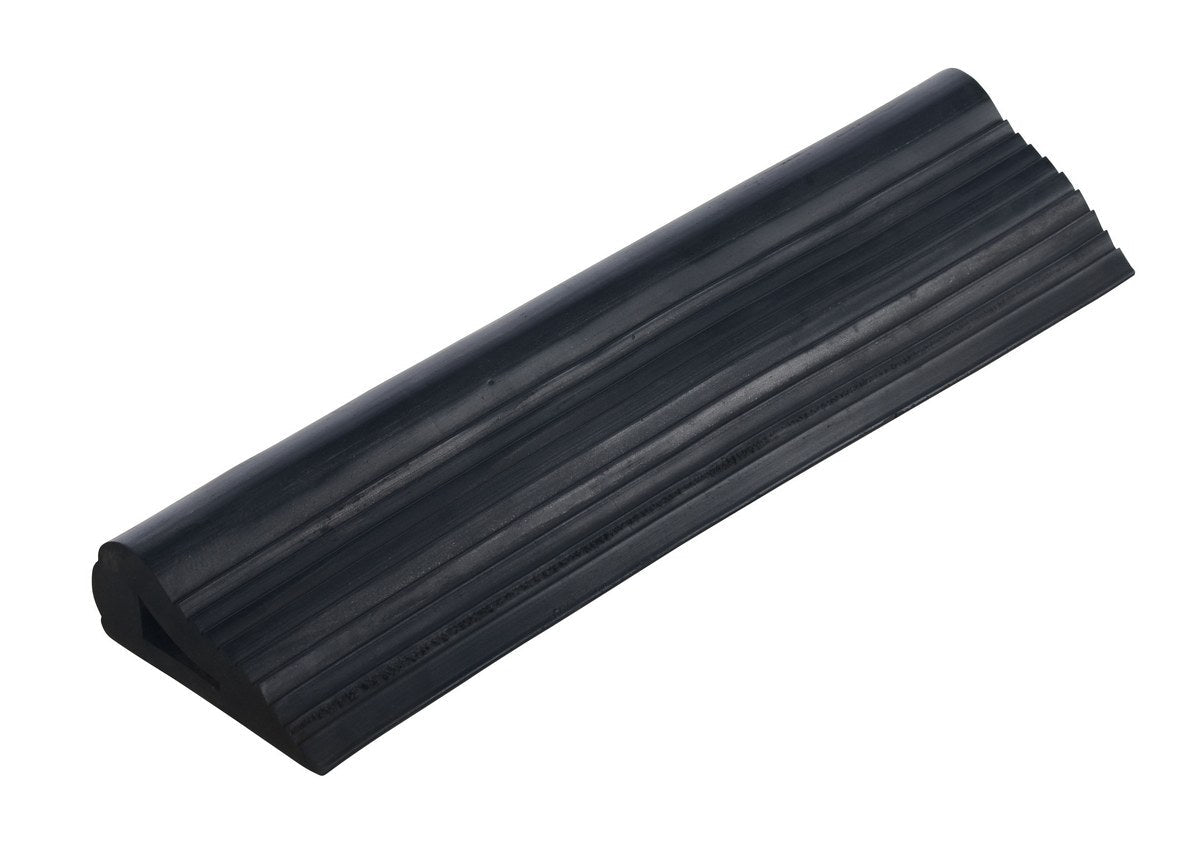 In Stock
 In Stock
 In Stock
 In Stock
Wheel Chocks Buying Guide
Size the chock to the tire, not the truck. The common mistake is buying by vehicle weight when the number that governs fit is tire diameter. The working rule across the industry is that a chock should stand about one quarter of the tire's diameter: a 32 inch tire wants roughly an 8 inch chock, a low semi tire wants less, a loader tire wants more. Too short and the tire climbs over it; too tall and the wedge never seats against the tread. Width comes next. Vestil's urethane chocks carry a uniform static capacity that runs from 15 tons up past 400 tons with usable widths from 7 to about 15 inches, while the plastic chocks sit narrower, 4 to roughly 9 inches, for lighter tires. Read that capacity as static holding force against the grade you park on, not a lift rating, and match it to the loaded axle weight rather than the empty vehicle.
Rubber, urethane, plastic, aluminum, or steel. Material decides how much grip you get and how the chock ages outdoors. Molded and laminated rubber are the dock standard: heavy, high-friction, and happy to live outside through weather. Urethane holds nearly as well, shrugs off oil and chemicals, and will not mark a finished floor, which is why it spans the widest capacity range in the line, from about $30. Recycled polyethylene and polypropylene plastic chocks, from under $20 in yellow, orange, black, or green, are light enough to carry one-handed and bright enough to spot on a dark apron, best under lighter vehicles and trailers. Aluminum and fabricated steel Ergo-Handle chocks, from about $50, add a grab handle so a driver is not reaching for a greasy wedge, and that handle is also where a safety flag mounts. Pick by the surface you park on and the fluids that land on it, then by how often a hand has to move it.
The OSHA rule that puts a chock under the wheel. The regulation behind this whole page is OSHA 1910.178(k)(1): the brakes of highway trucks are set and wheel chocks placed under the rear wheels before a powered industrial truck boards them. OSHA 1910.178(m)(7) carries the same brakes-set, wheel-blocks-in-place language to trucks, trailers, and rail cars during loading and unloading. A chock alone does not cover a parked semitrailer with no tractor under it; 1910.178(k)(3) calls for fixed jacks to keep the nose from upending, which is the job of the trailer jacks that sit alongside the chocks. The failure all of this prevents is dock walk, the slow creep of a trailer away from the bumpers under the push and pull of a forklift, and the wider set of trailer locks, barricades, and restraints for it lives in dock safety. Everything else on the loading dock assumes the trailer is held still first.
Rail car chocks are a different animal. Chocking a rail car is not the same job as chocking a truck, and a truck chock is the wrong tool for it. A loaded rail car weighs far more than any highway rig and rides steel wheels on steel rail, so the friction a rubber wedge earns against a tire is simply gone. Vestil answers that two ways. A magnetic rail car chock, about $43, clamps to the web of the rail so it cannot slide out from under the load. Universal steel rail chocks, from about $79, wedge against the wheel and come with an adjustable-height flag option so a switch crew reads it from down the track. Both belong to blue signal protection under FRA rule 49 CFR Part 218, Subpart B, where flagged equipment may not be coupled to or moved until the worker who placed the flag removes it. If your dock has a rail spur, buy the chock built for the rail.
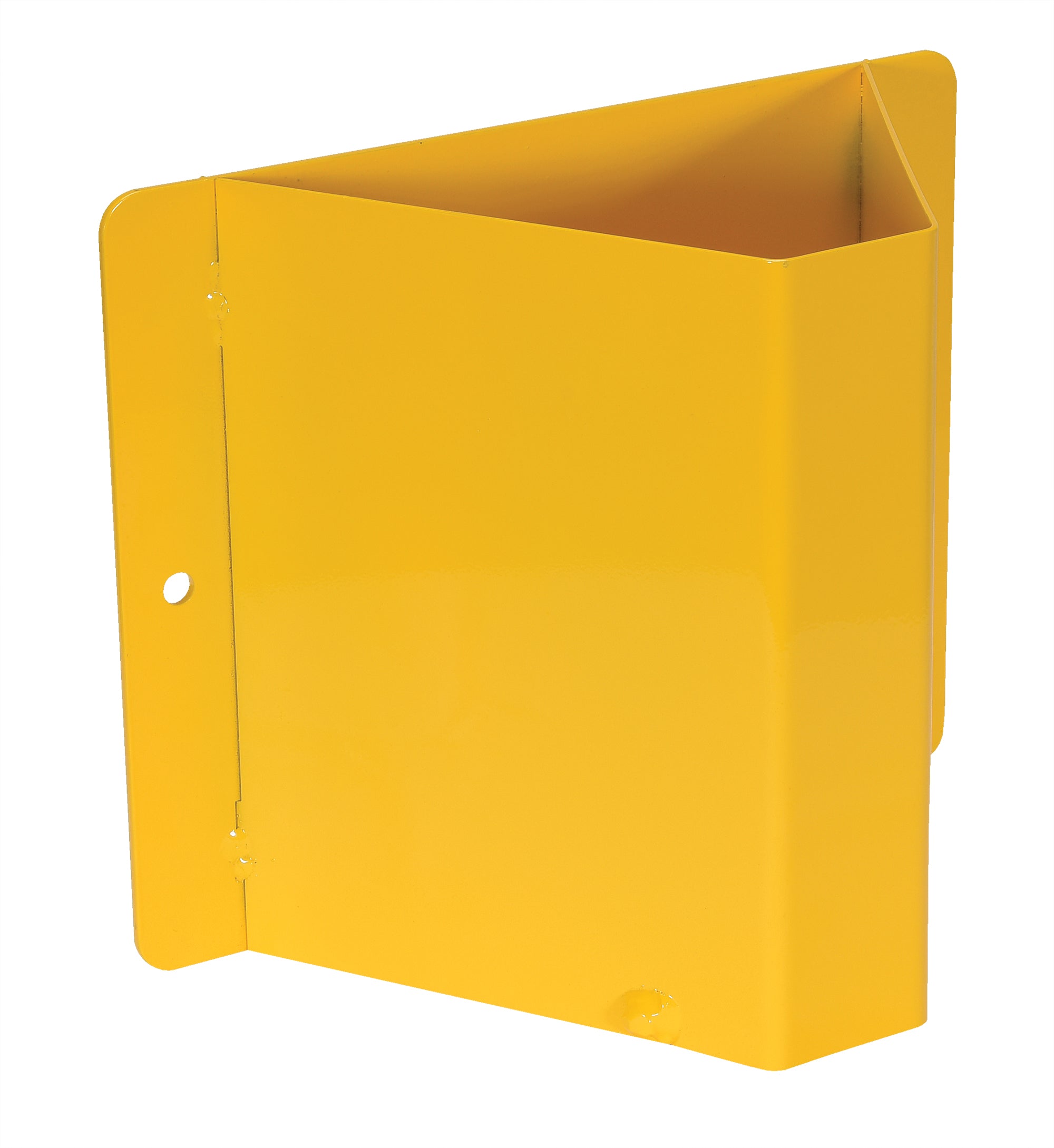
Flags, holders, signs, and straps. A chock only works when it is present, seated, and pulled before the truck leaves, which is what the accessory line exists to fix. Wheel chock holders, from a few dollars, mount to the dock face or to the truck itself so the wedge has a home instead of getting kicked under a pallet, and truck-mounted holders keep a set riding with the tractor. Nylon strapping kits, in 3 and 15 foot lengths, tether the chock to the trailer so it leaves with the load rather than getting lost on the apron. Flag rail chocks and flag-topped chocks stand a tall marker over a placed chock so a driver does not pull against it, and the aluminum enamel, reflective, and vinyl wheel chock signs post the chock-your-wheels rule where drivers actually look. None of it costs much, and all of it targets the one real failure, which is a chock that never got placed.
How many, and where they live. Two chocks are the honest minimum on level ground, one snug against the front and one against the back of the same tire so the wheel cannot roll in either direction, set on the rear wheels of a trailer per the OSHA language. Seat them against the tread and not the sidewall. Any grade means chocking the downhill side and using a pair, because gravity only pushes one way but a strong bump does not. On a low trailer or a slope the chock is not the whole fix: wheel risers bring a low trailer up to dock height and trailer jacks carry the nose. Buy chocks in pairs, keep a spare set staged at every door, and store them in a holder rather than a pile, because the box of chocks stacked in the corner is the one nobody walks over to grab when the truck is already backing in.
Frequently Asked Questions
Yes, at the point a forklift boards a truck. 29 CFR 1910.178(k)(1) requires the brakes of highway trucks to be set and wheel chocks placed under the rear wheels before powered industrial trucks board them, and 1910.178(m)(7) repeats the brakes-set, wheel-blocks-in-place rule for trucks, trailers, and rail cars during loading and unloading. A parked semitrailer with no tractor under it also needs fixed jacks at the nose under 1910.178(k)(3), because a chock stops rolling but not upending.
Size by tire diameter, not vehicle weight. The industry rule of thumb is a chock about one quarter the height of the tire, so a 32 inch tire wants roughly an 8 inch chock. A taller chock will not seat against the tread and a shorter one lets the tire climb over it. Then match the usable width and the rated static capacity to the loaded axle, and confirm the model against the grade you actually park on.
Molded and laminated rubber give the highest friction and take weather and abuse, which makes them the loading-dock default. Urethane holds nearly as well, resists oil and chemicals, and will not mark floors, and it covers the widest capacity range in the Vestil line. Recycled plastic chocks are the lightest, the most visible, and the cheapest, which suits them to lighter vehicles and trailers rather than loaded highway rigs.
Two per tire is the working minimum on level ground, one against the front and one against the back so the wheel cannot roll either direction, placed on the rear wheels for a trailer. On any slope, chock the downhill side and use a pair. Where the trailer sits low or the load shifts weight forward, add wheel risers or trailer jacks rather than trusting chocks alone.
No. A loaded rail car is far heavier and rides steel on steel, so a rubber tire chock cannot generate the friction to hold it. Use a magnetic rail car chock that clamps to the rail or a steel rail chock built to wedge the wheel, and follow blue signal protection under 49 CFR Part 218, Subpart B, so the car is not moved while workers are on, under, or between cars.