Hand Trucks
Hand trucks turn a load you cannot carry into one you can wheel, tipping boxes, drums, appliances, and gas cylinders onto two wheels and threading them through doorways, over dock plates, and past truck gates one at a time. This collection pairs Valley Craft's US-built commercial trucks with Vestil's broad line, and the prices show how far the category spreads: a folding nose truck runs about $65, a welded steel commercial two-wheeler lands near $529, and a battery-powered stair climber tops $5,600. Between those ends sit convertibles that fold flat into a four-wheel platform, drum and cylinder trucks with load-specific noses, aluminum frames that shave tare weight off an all-day route, and pallet hand trucks that slide forks under a skid. The right truck is decided by the load and the route, not the sticker price, so the guide below works through the frame, the nose, the wheels, and the handle in the order that actually matters on the floor.
Compare Hand Trucks
| Model | Price | Capacity | |
|---|---|---|---|
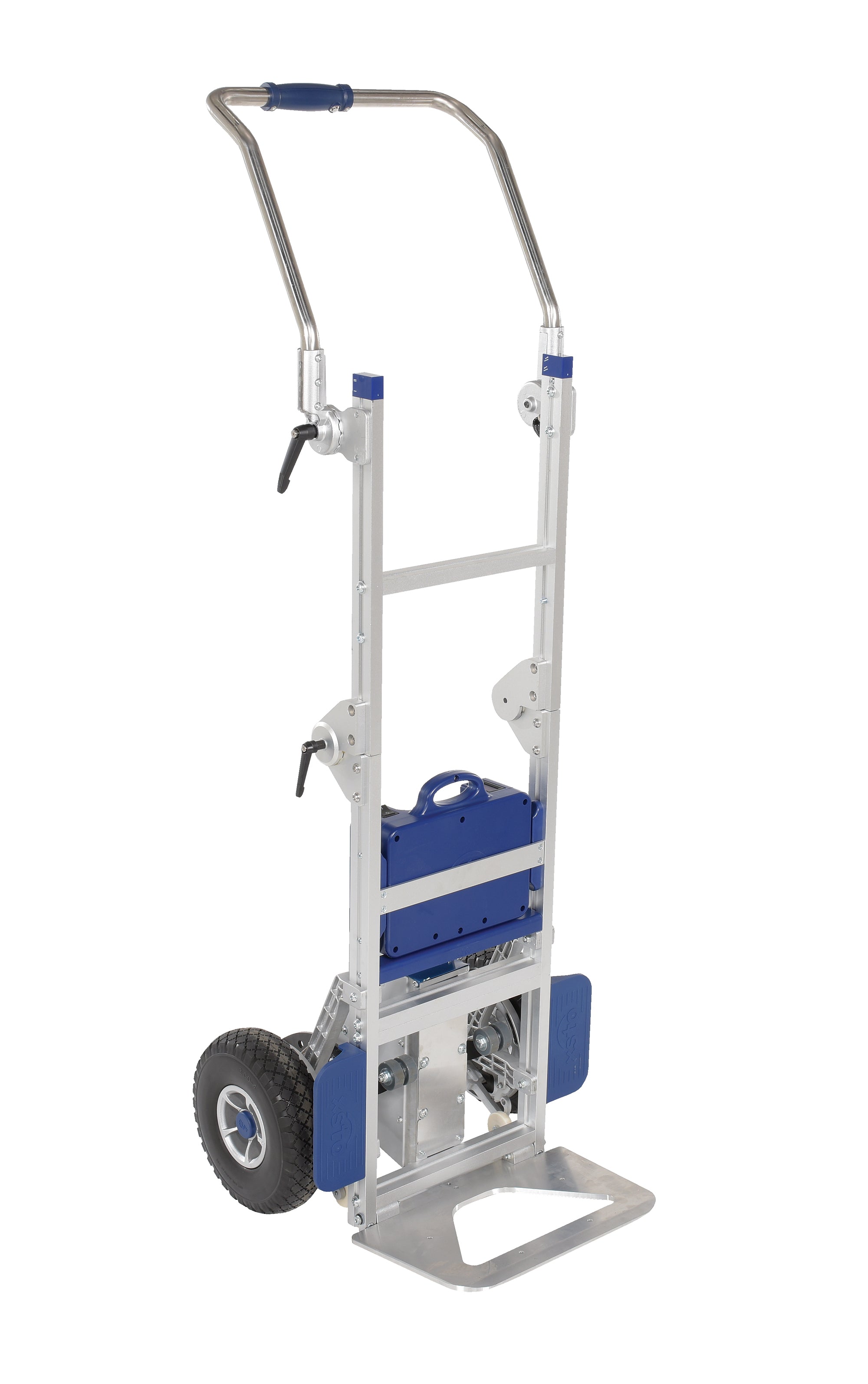
| Vestil Powered Stair Climber | $5,670 | 350 lb | View → |
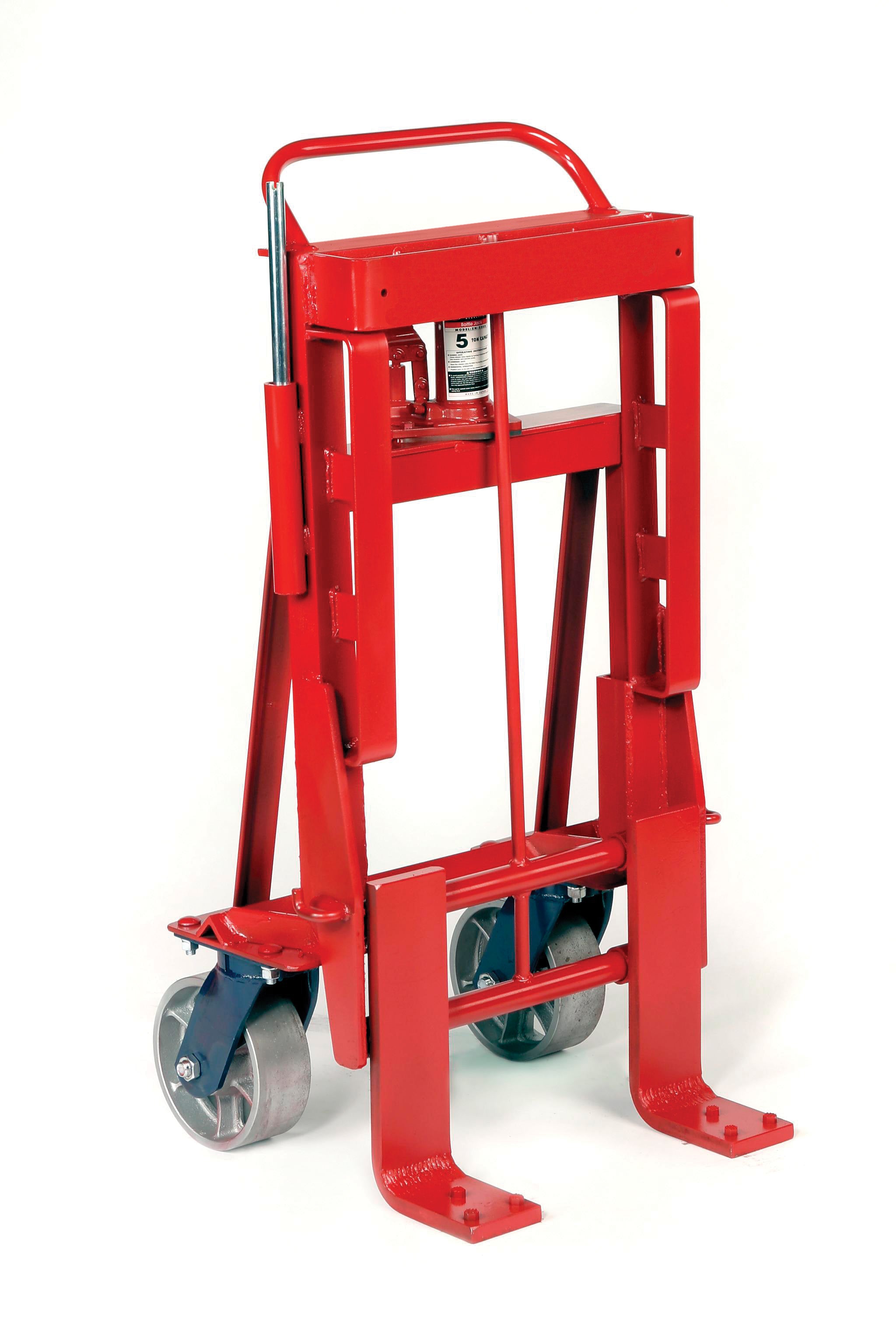
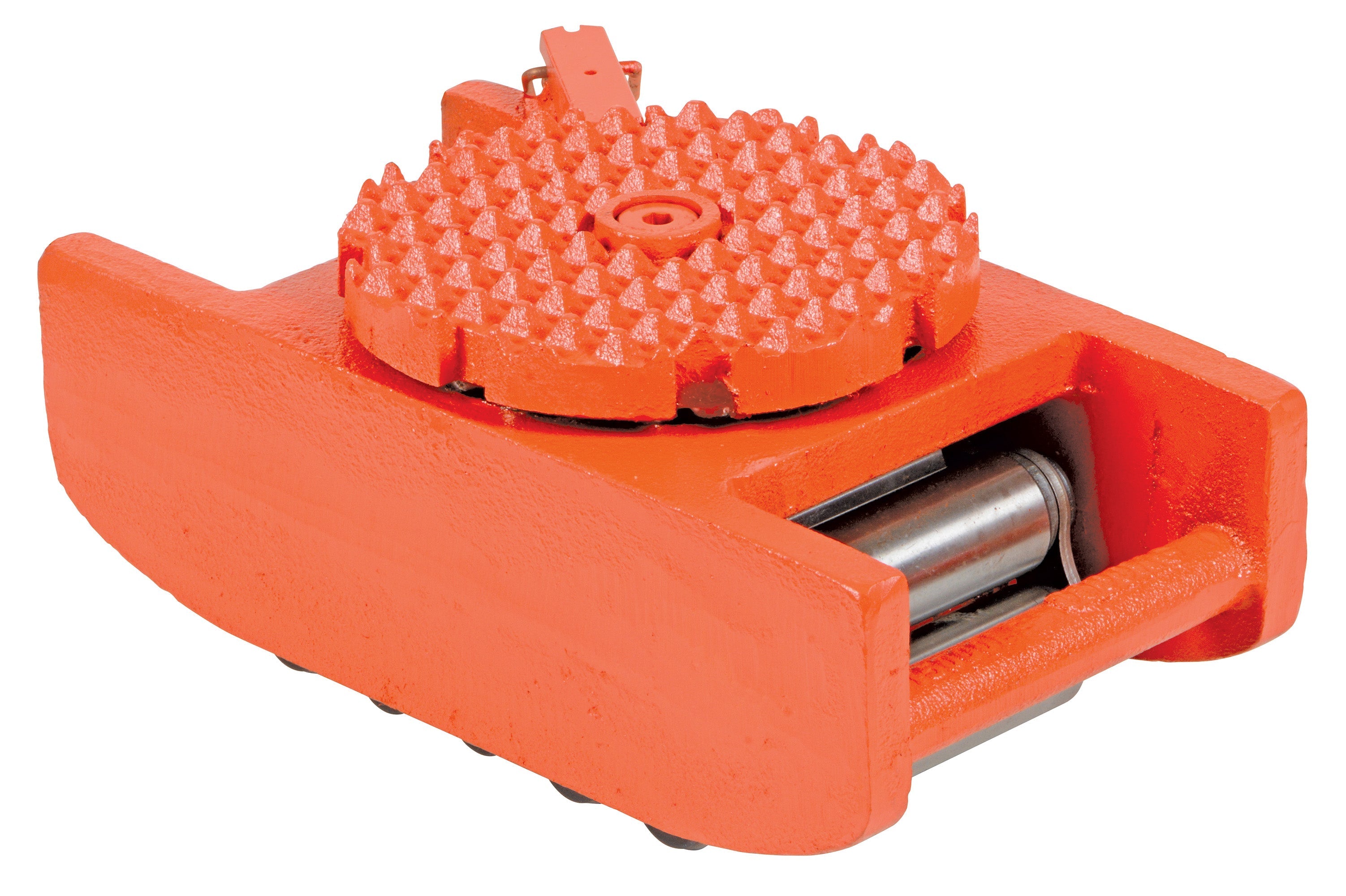
| Vestil Machinery Lifts | $4,537 | 2,000-12,000 lb | View → |
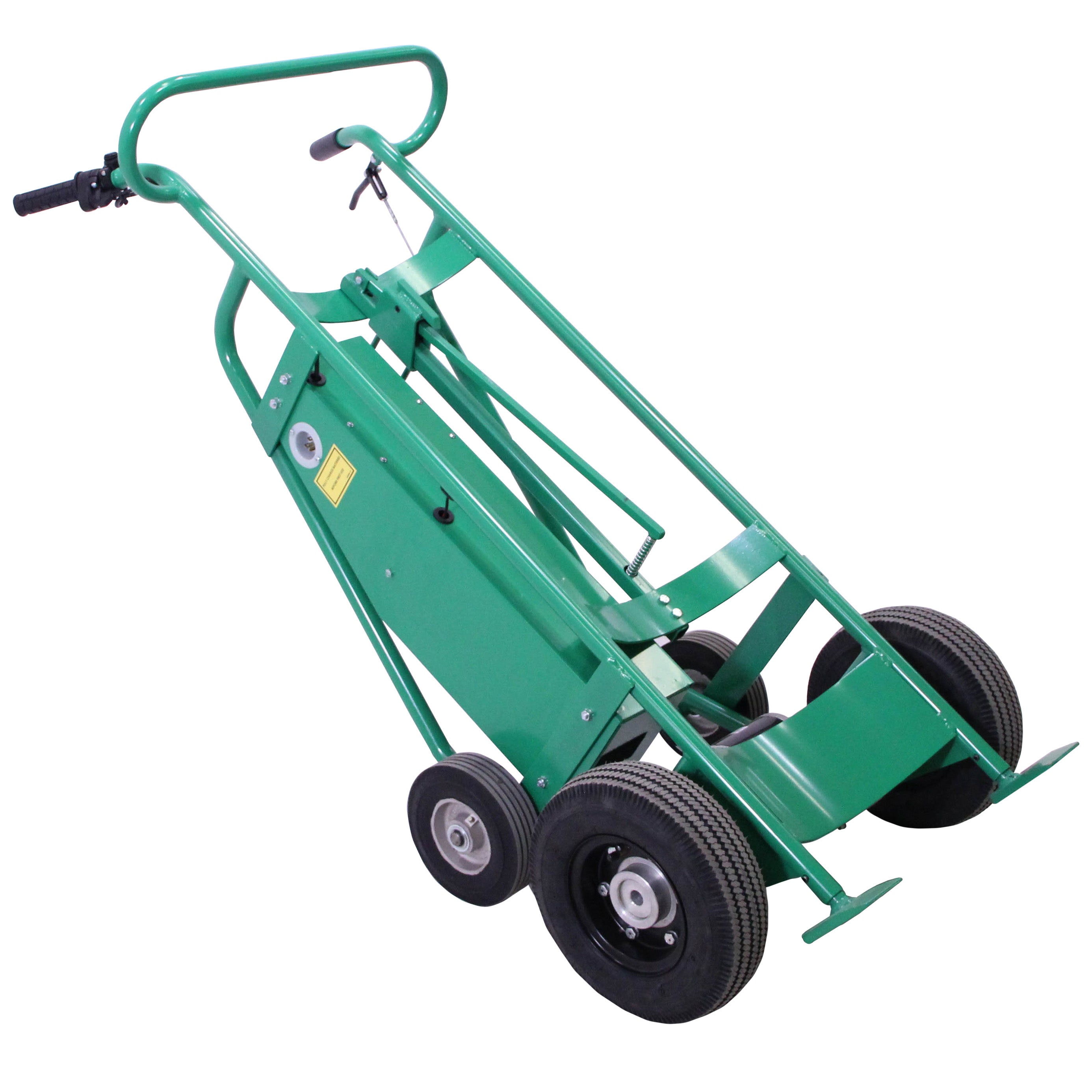
| Valley Craft Powered Drum Hand Trucks | $4,448 | 800 lb | View → |
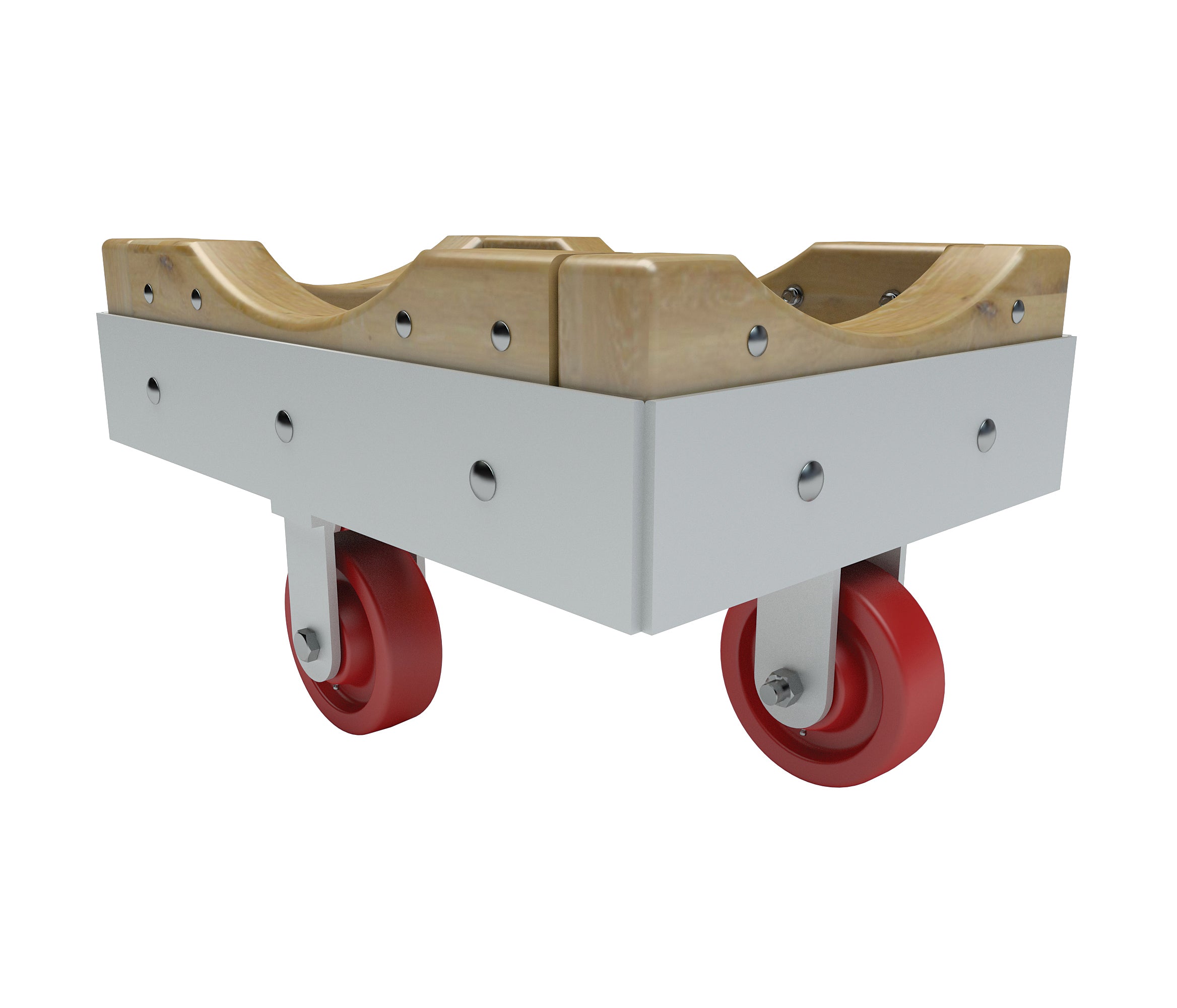
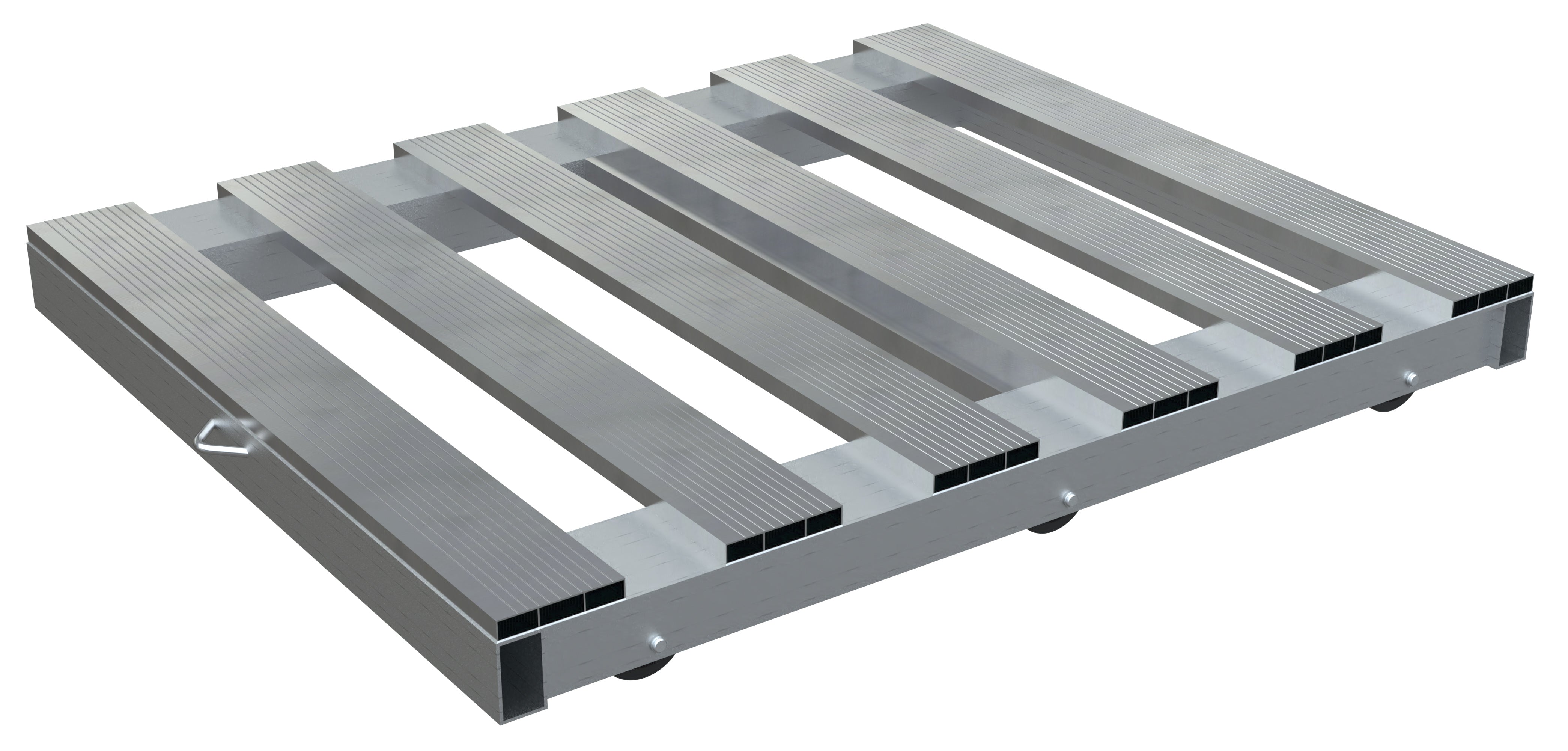
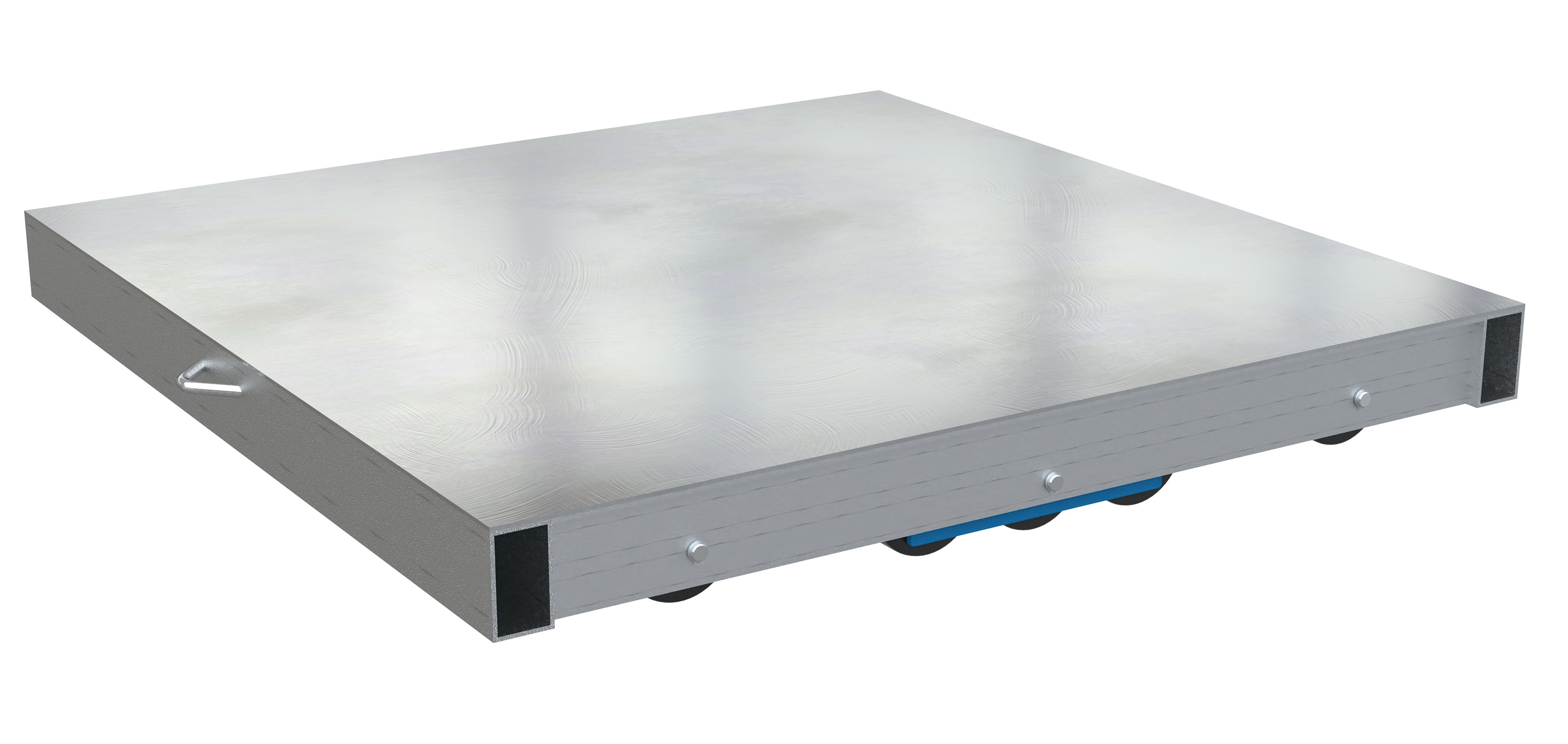
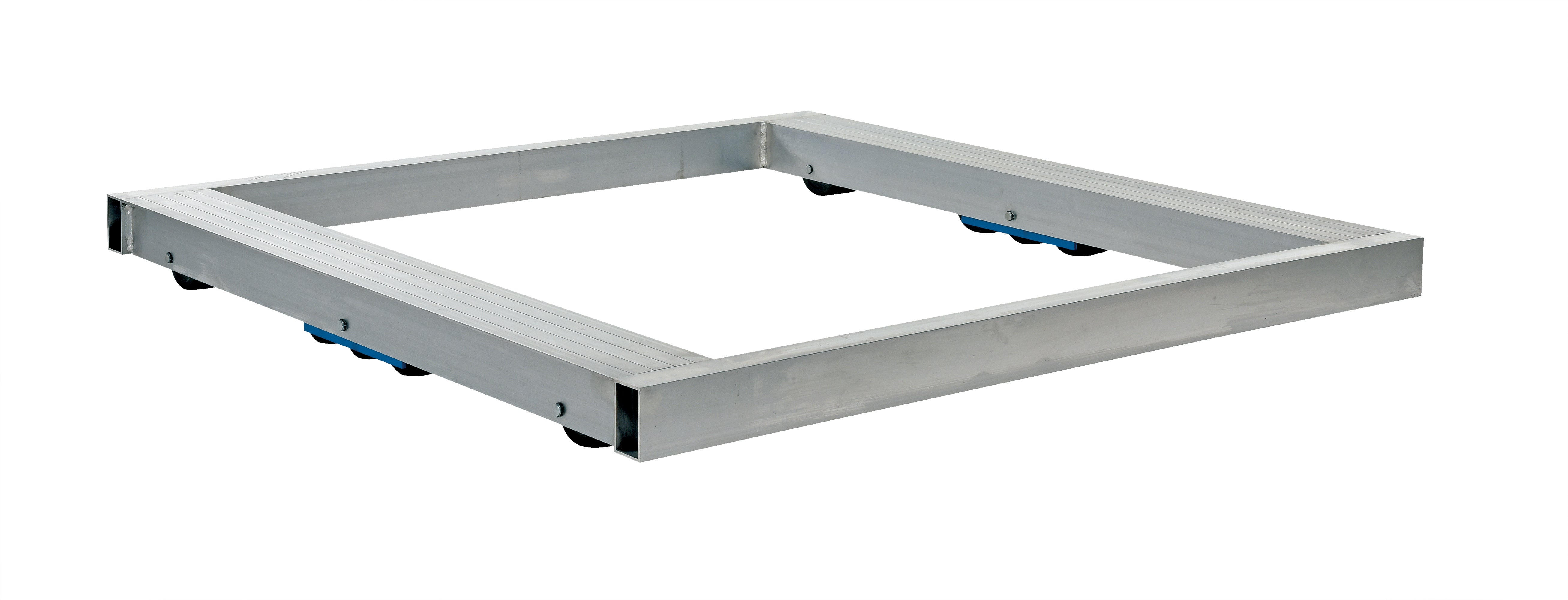
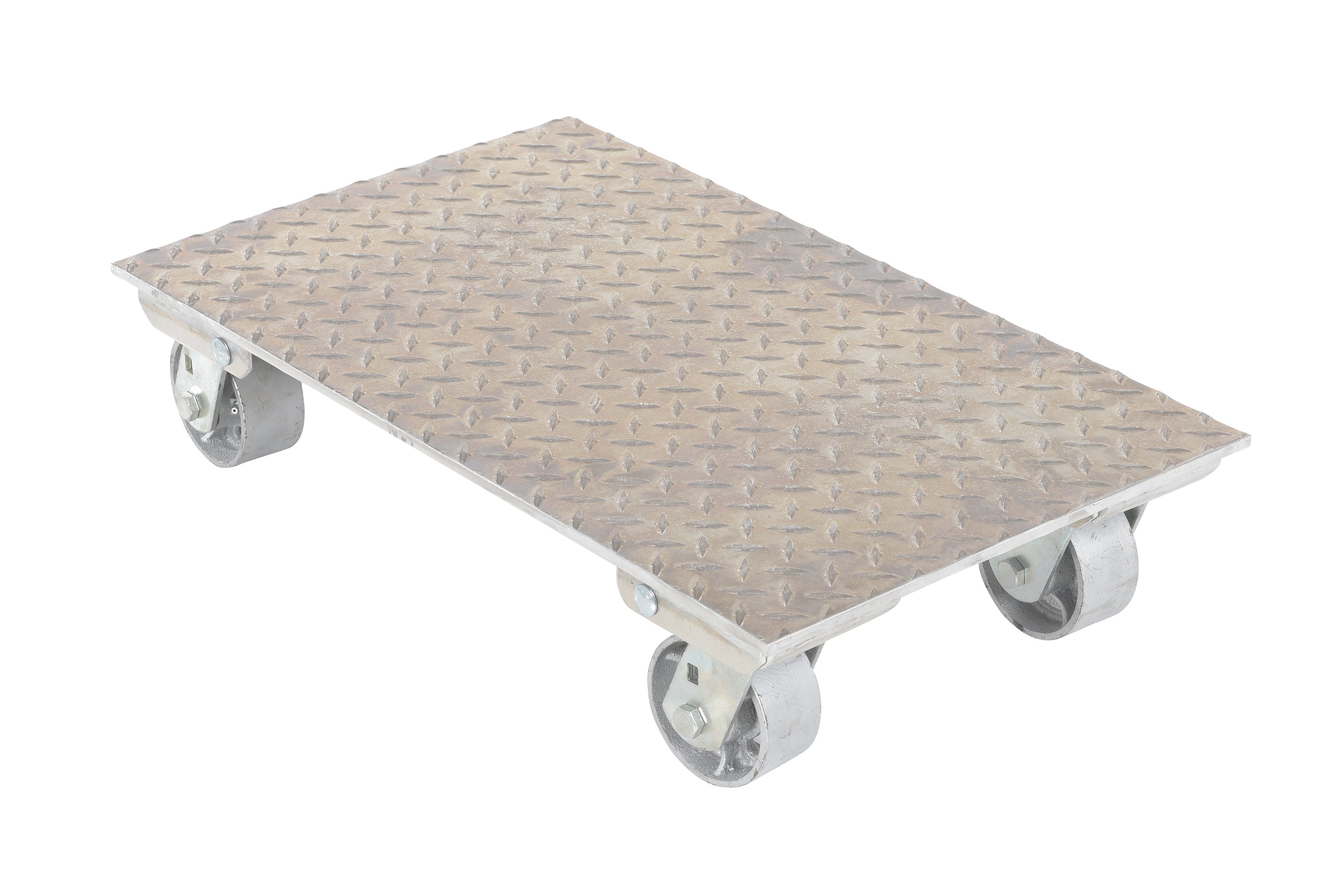
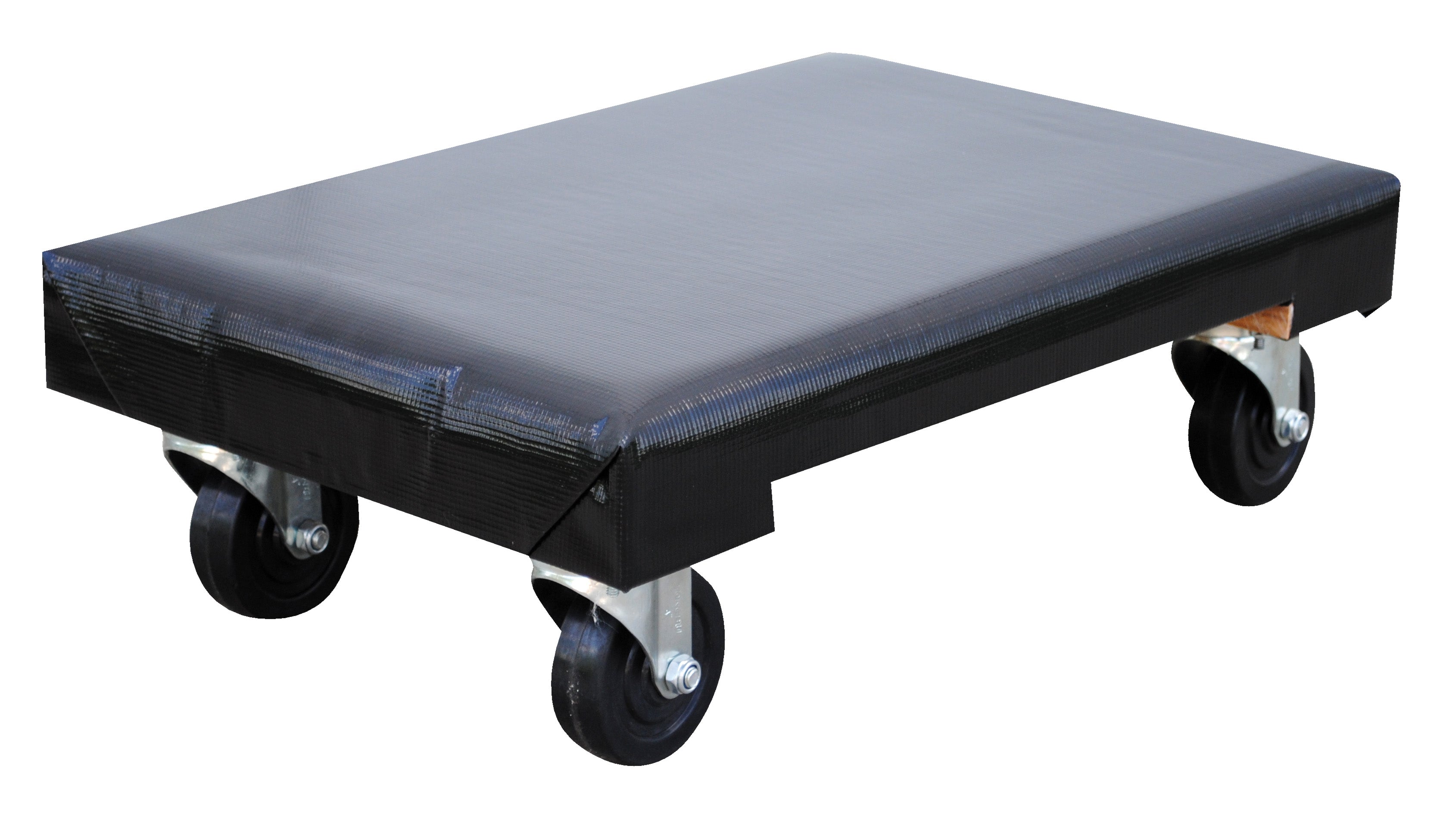
| Vestil Heavy-Duty Dollies | $2,924 | 4,000 lb | View → |
| Valley Craft 4-Wheel Deluxe Commercial Hand Trucks with Spring Loaded Frame | $2,139 | 1,000 lb | View → |
| Valley Craft Double Cylinder Hand Truck | $1,995 | 600 lb | View → |
 In Stock
 In Stock
 In Stock
 In Stock
 In Stock
 In Stock
 In Stock
 In Stock
 In Stock
 In Stock
 In Stock
 In Stock
 In Stock
 In Stock
 In Stock
 In Stock
 In Stock
 In Stock
 In Stock
 In Stock
 In Stock
 In Stock
 In Stock
 In Stock
 In Stock
 In Stock
 In Stock
 In Stock
 In Stock
 In Stock
 In Stock
 In Stock
 In Stock
 In Stock
 In Stock
 In Stock
 In Stock
 In Stock
 In Stock
 In Stock
 In Stock
 In Stock
 In Stock
 In Stock
 In Stock
 In Stock
 In Stock
 In Stock
 In Stock
 In Stock
 In Stock
 In Stock
 In Stock
 In Stock
 In Stock
 In Stock
 In Stock
 In Stock
 In Stock
Hand Trucks Buying Guide
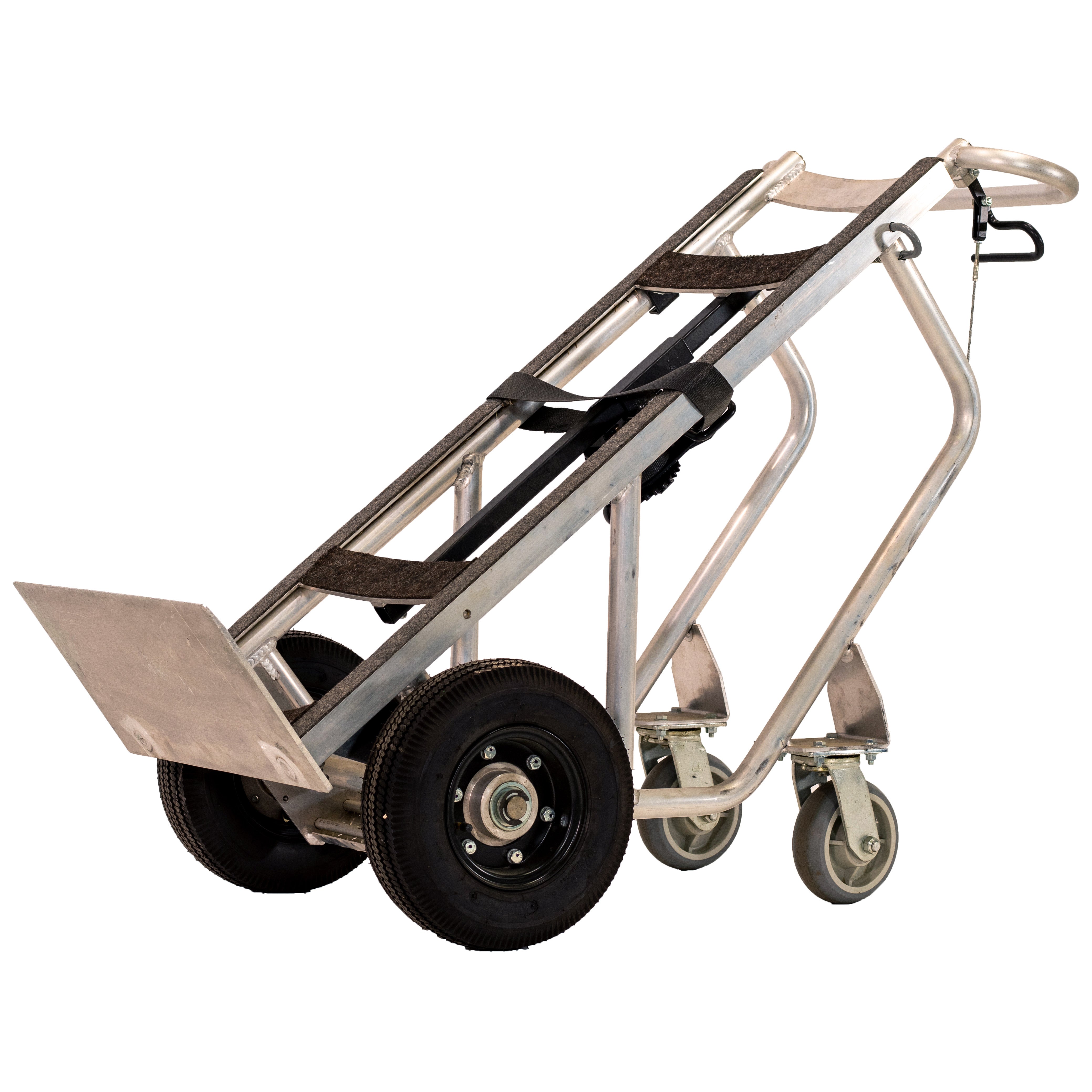
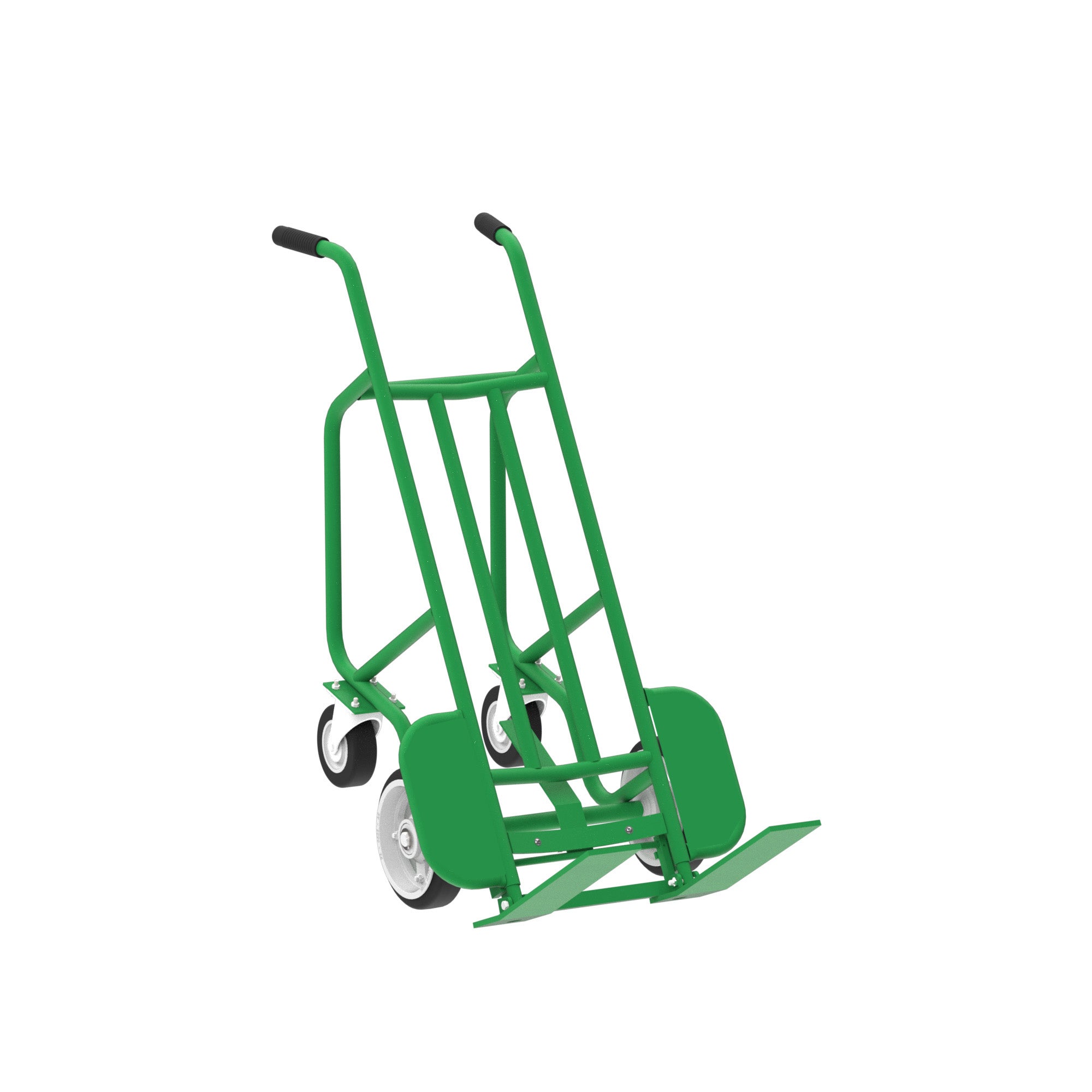
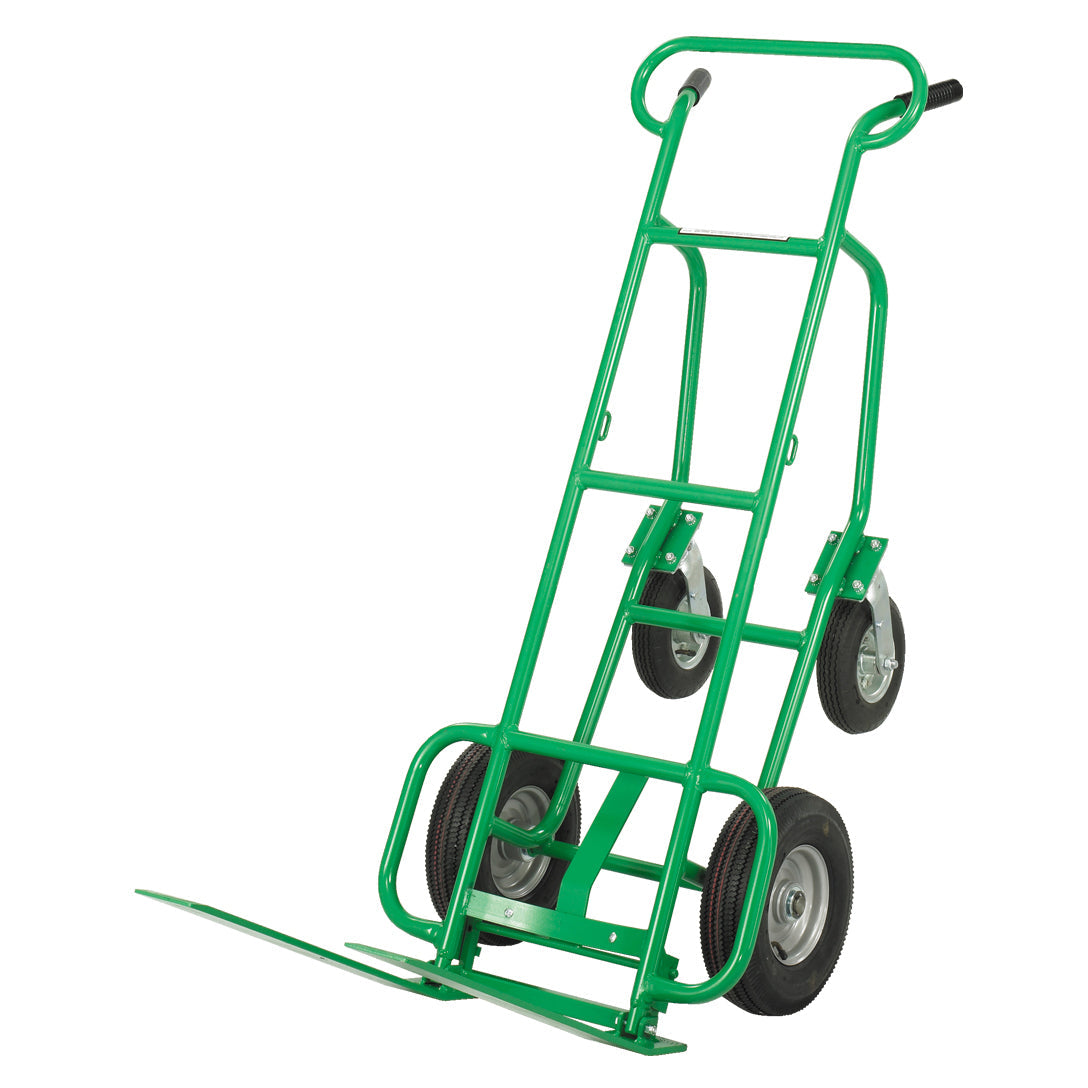
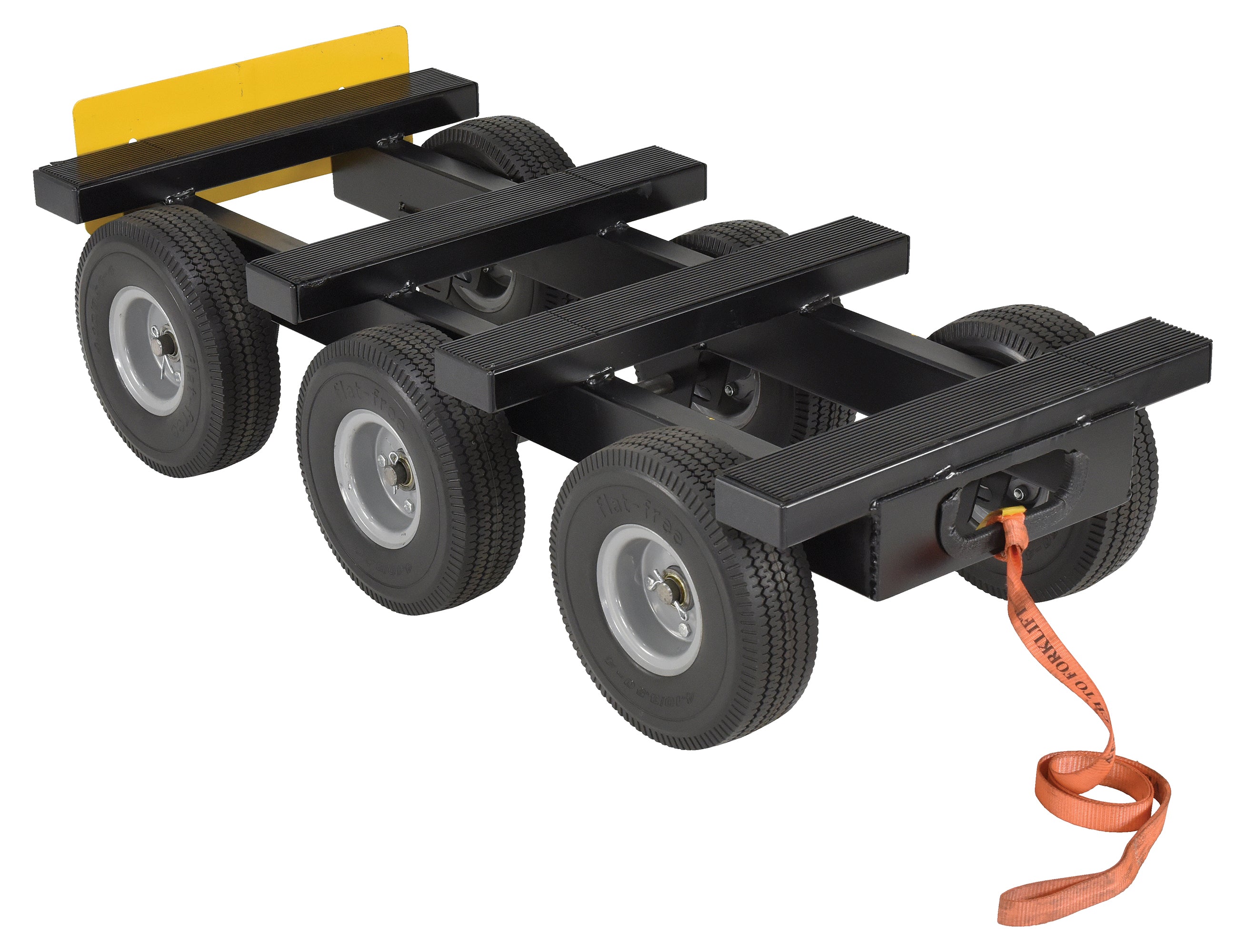
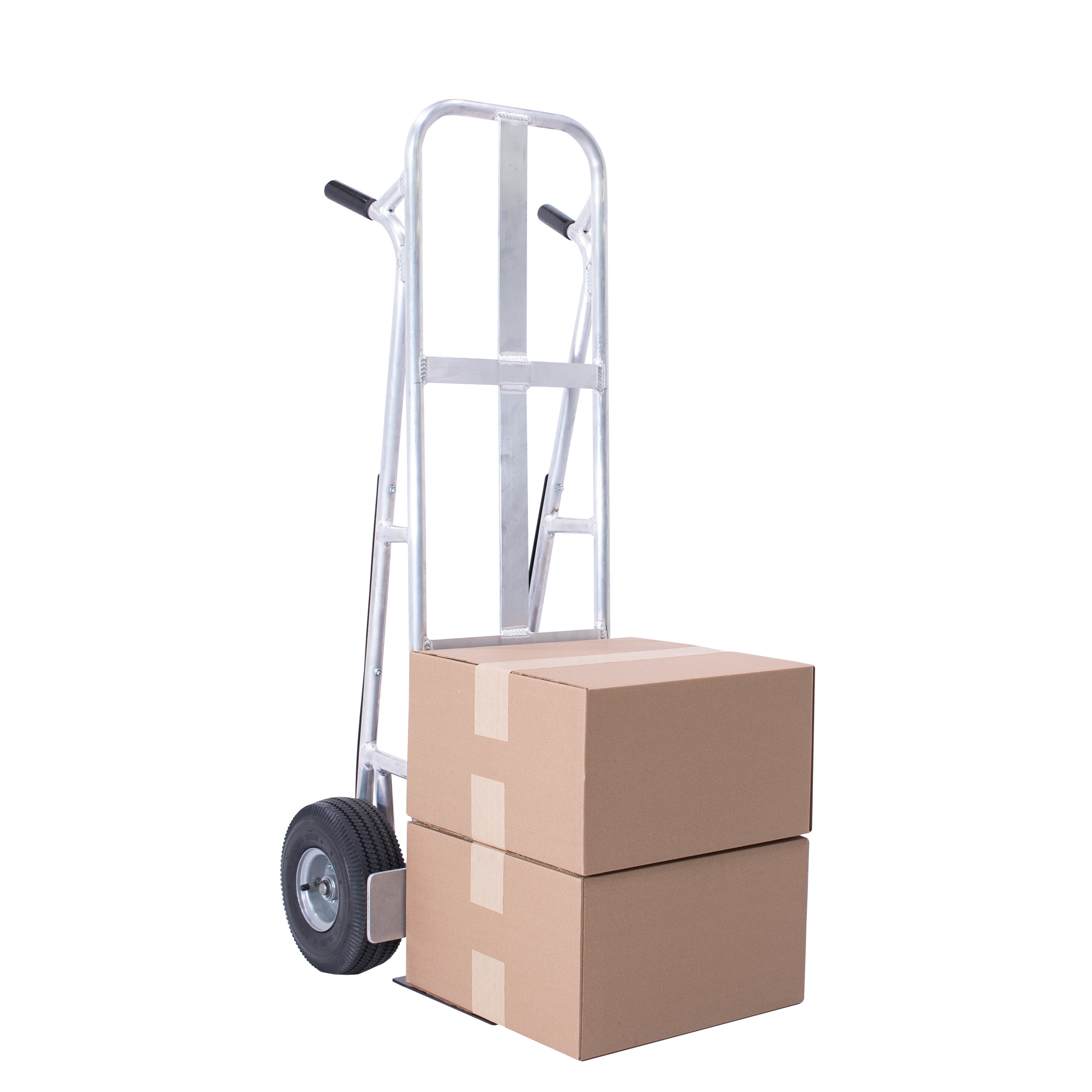
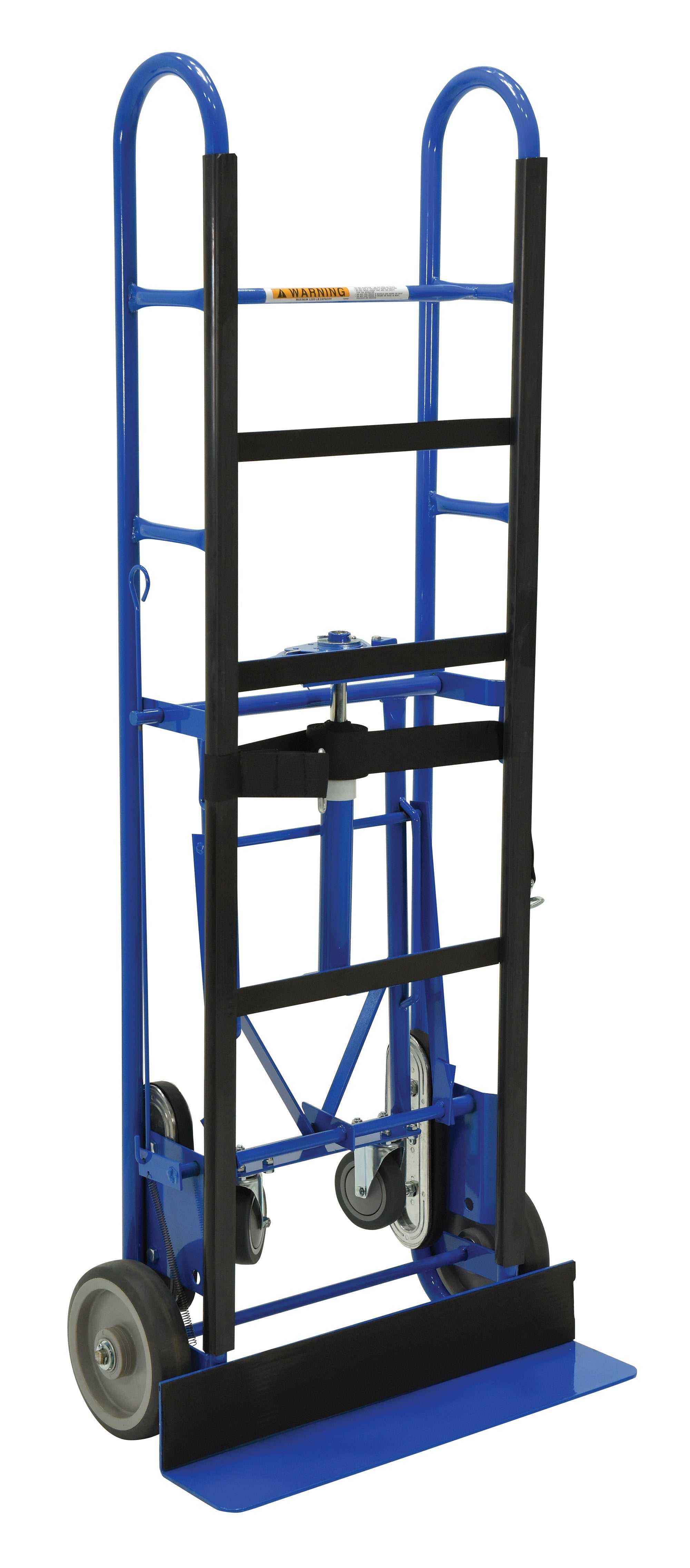
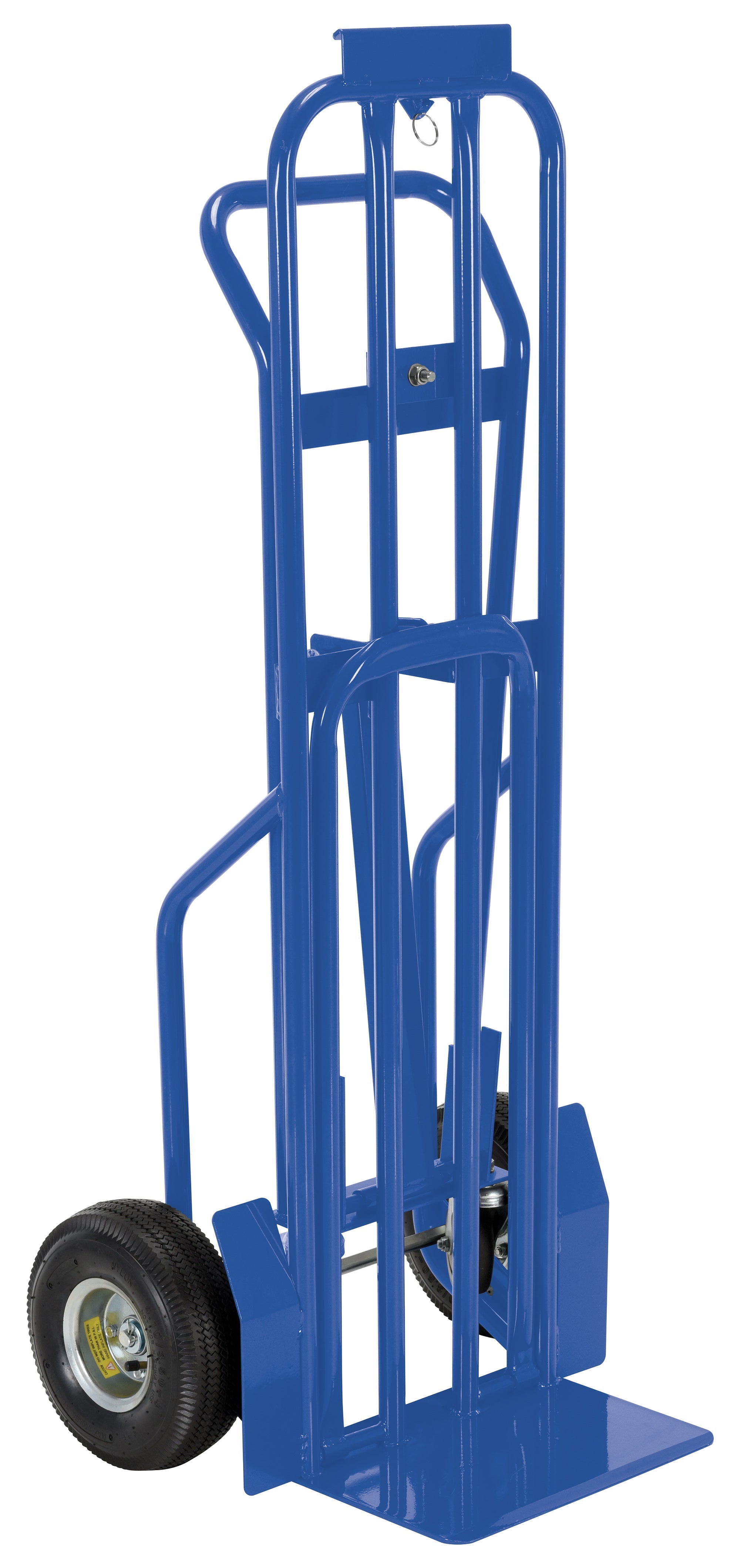
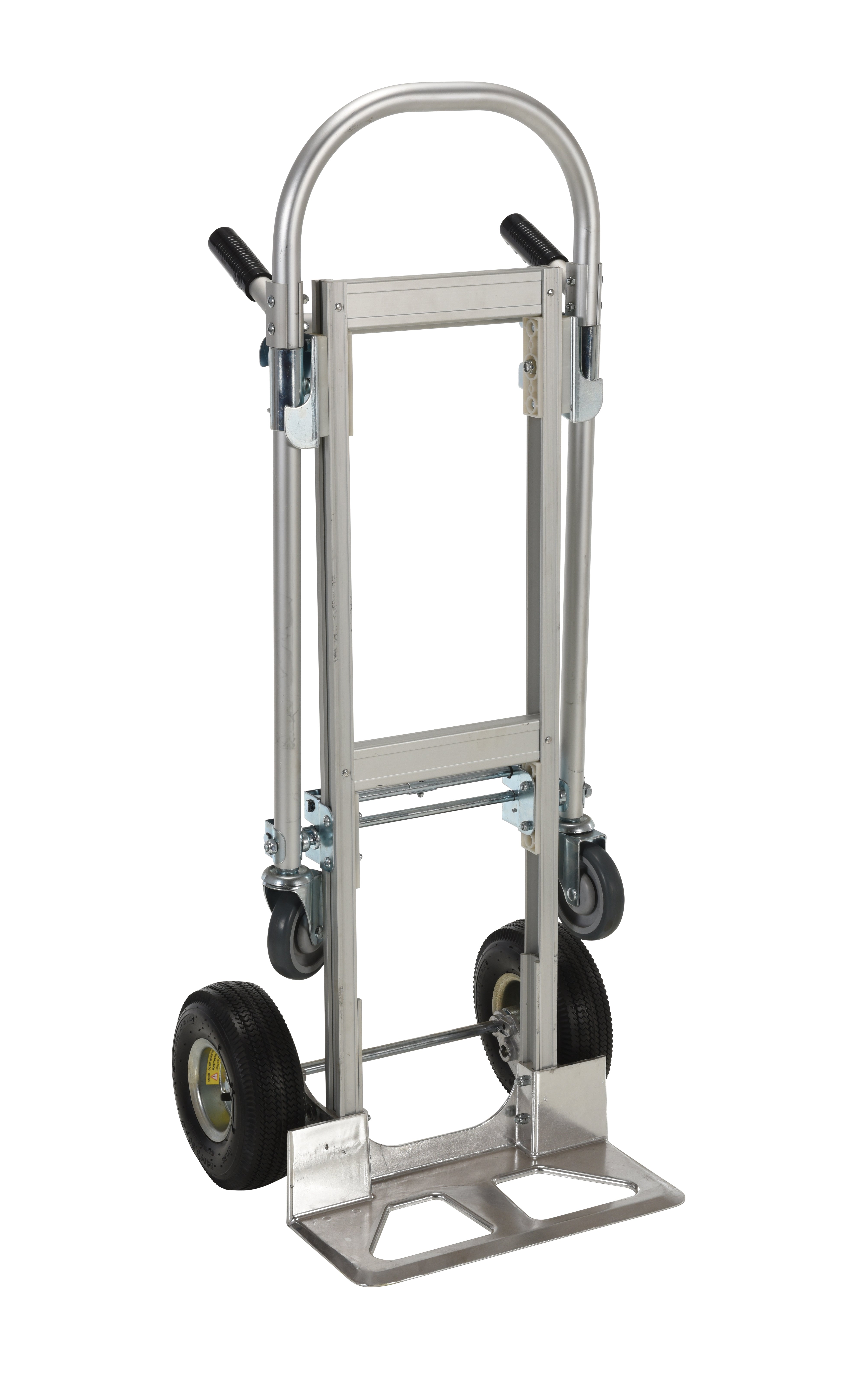
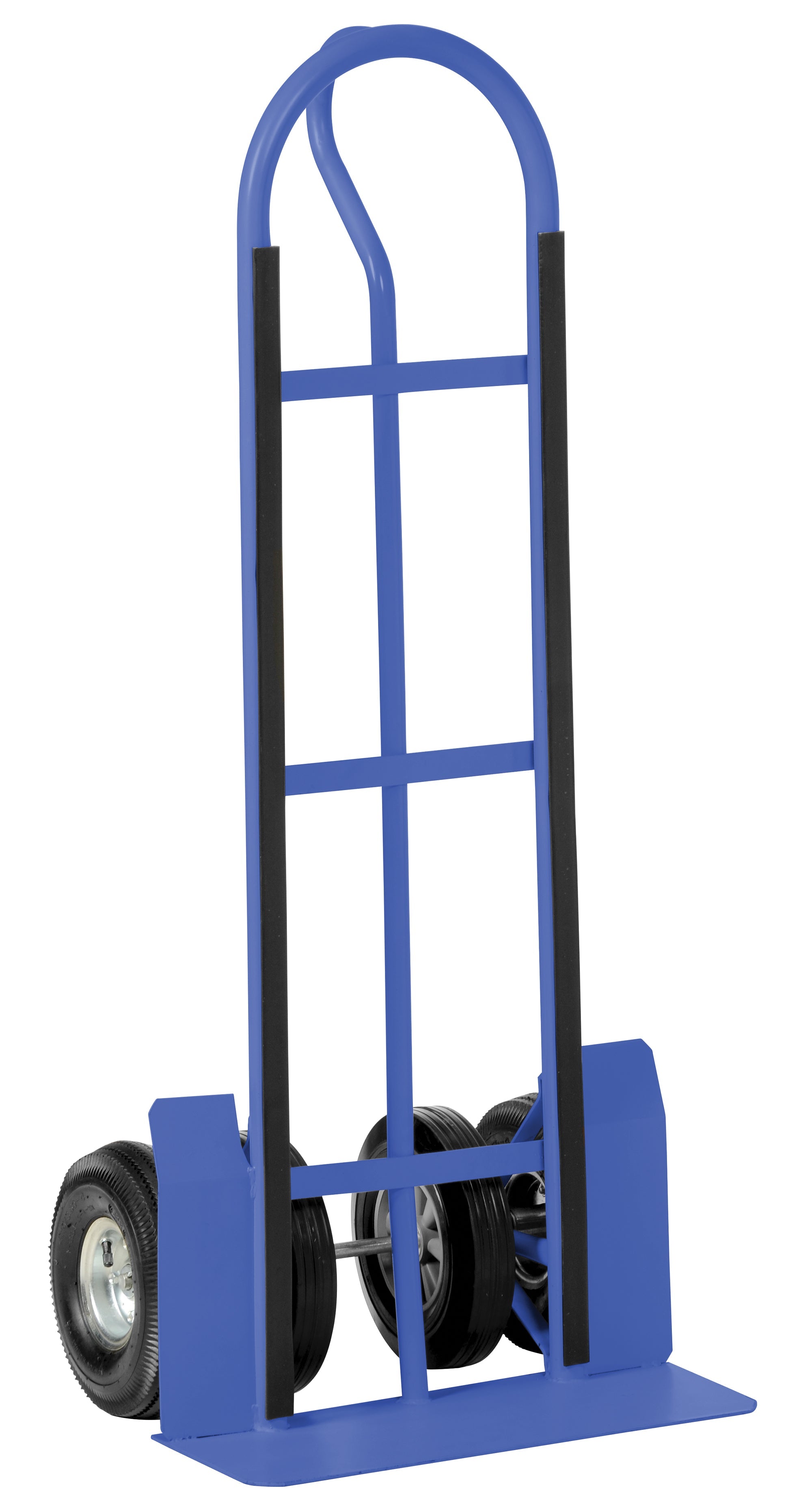
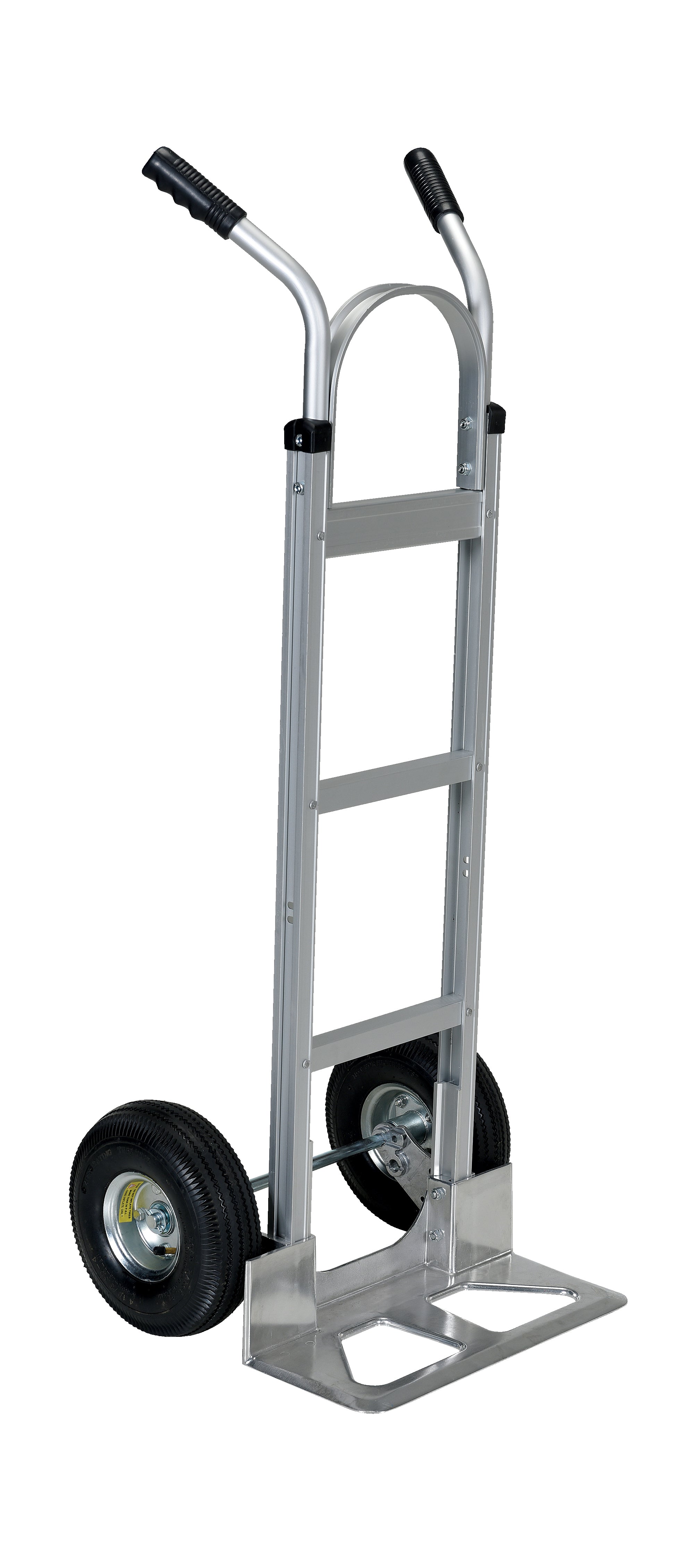
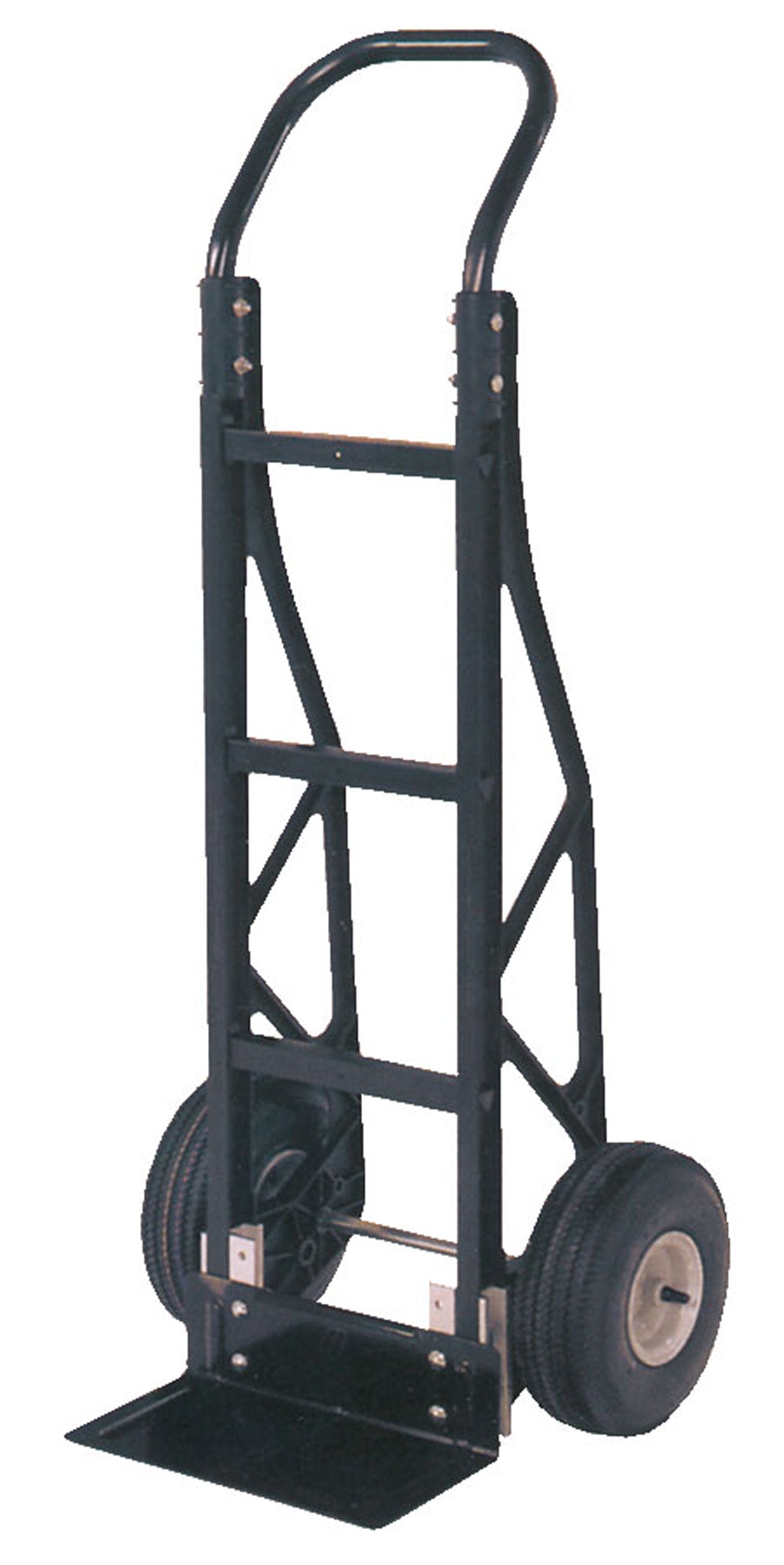
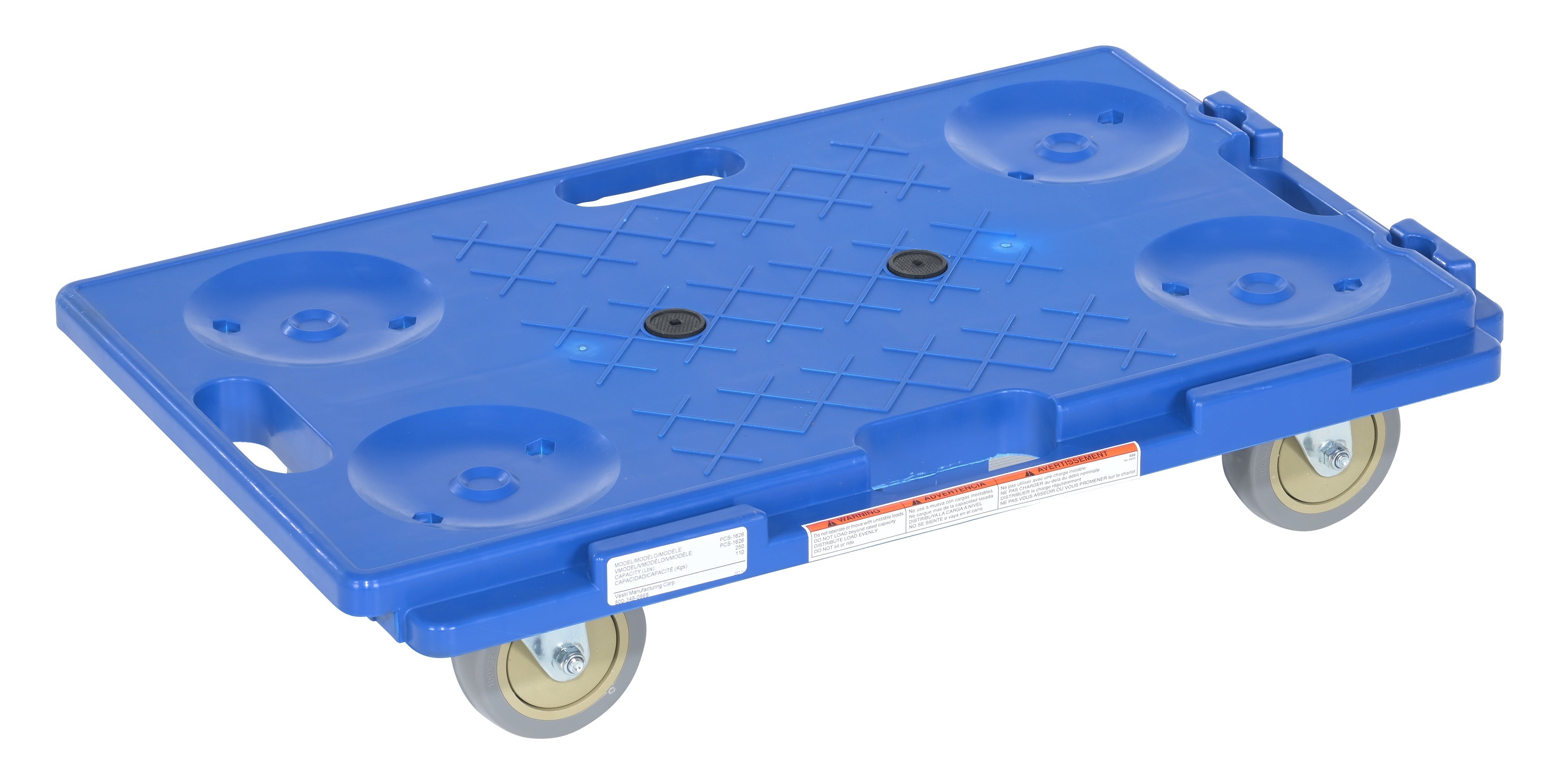
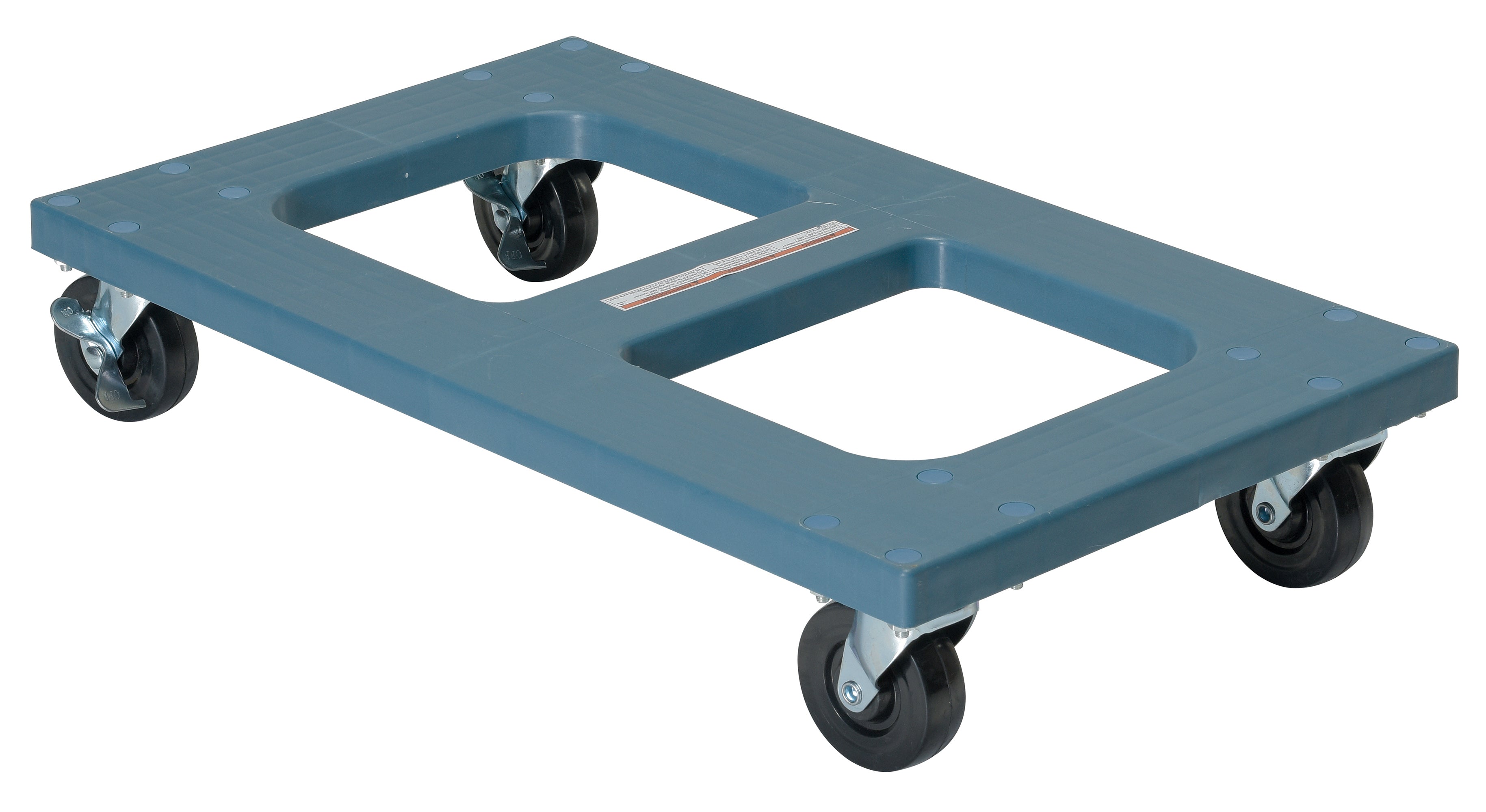
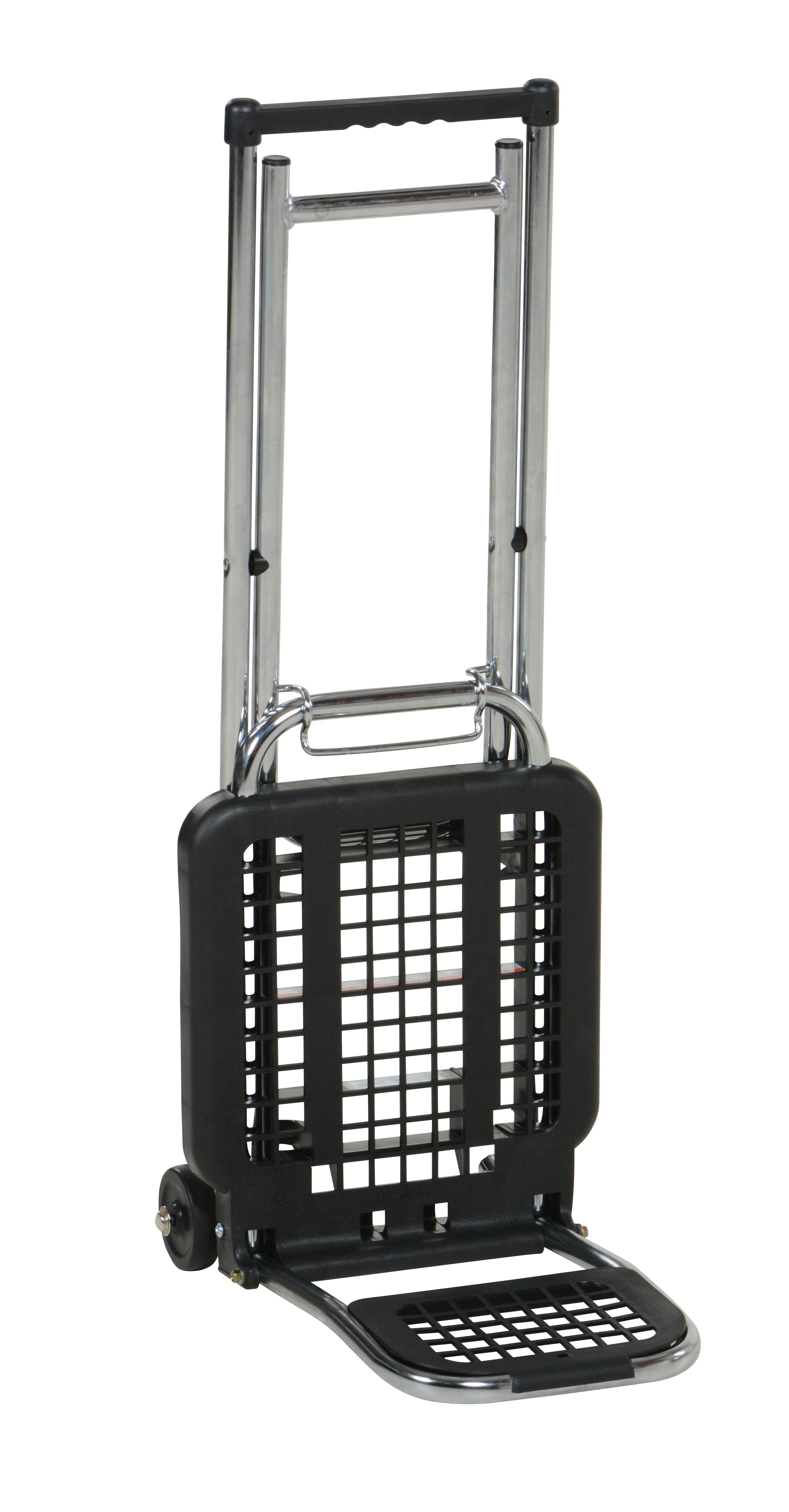
Two wheels, four wheels, or convertible: the frame decides first. A standard two-wheel truck tips the load back onto its axle and balances it while you walk, which is why it clears stairs, tight aisles, and truck gates that a four-wheeler cannot. Valley Craft's 2-wheel commercial trucks run about $529 at 600 lb, and the curved-back version near $799 cradles round loads. A four-wheel truck never tips: it rolls the load upright the whole way, so it carries more with less operator effort but needs room to turn. Valley Craft's 4-wheel commercial trucks reach 1,000 lb around $995, and the deluxe spring-loaded model near $2,139 keeps the deck at a steady height as boxes come off. Convertibles split the difference. Vestil's convertible hand truck around $299 and the four-wheel multi-position steel truck near $313 fold from an upright two-wheeler into a low four-wheel platform, so one frame handles both a stack of cartons and a long flat load. When the freight is genuinely bulk and flat, step up to a dedicated platform truck instead of asking a convertible to do a job it only approximates.
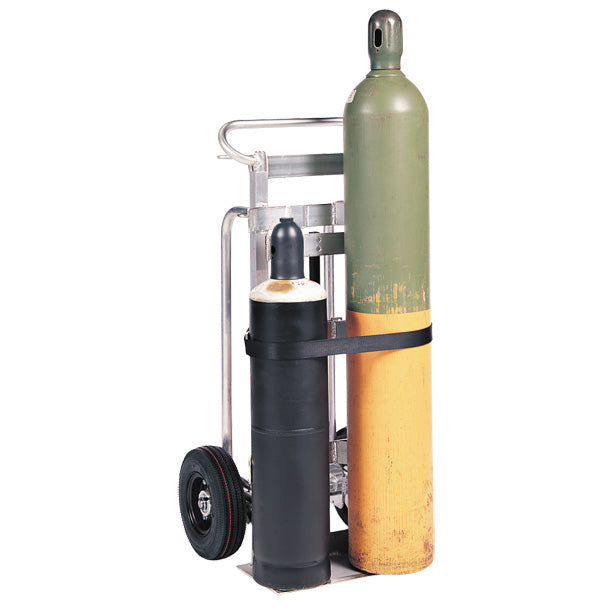
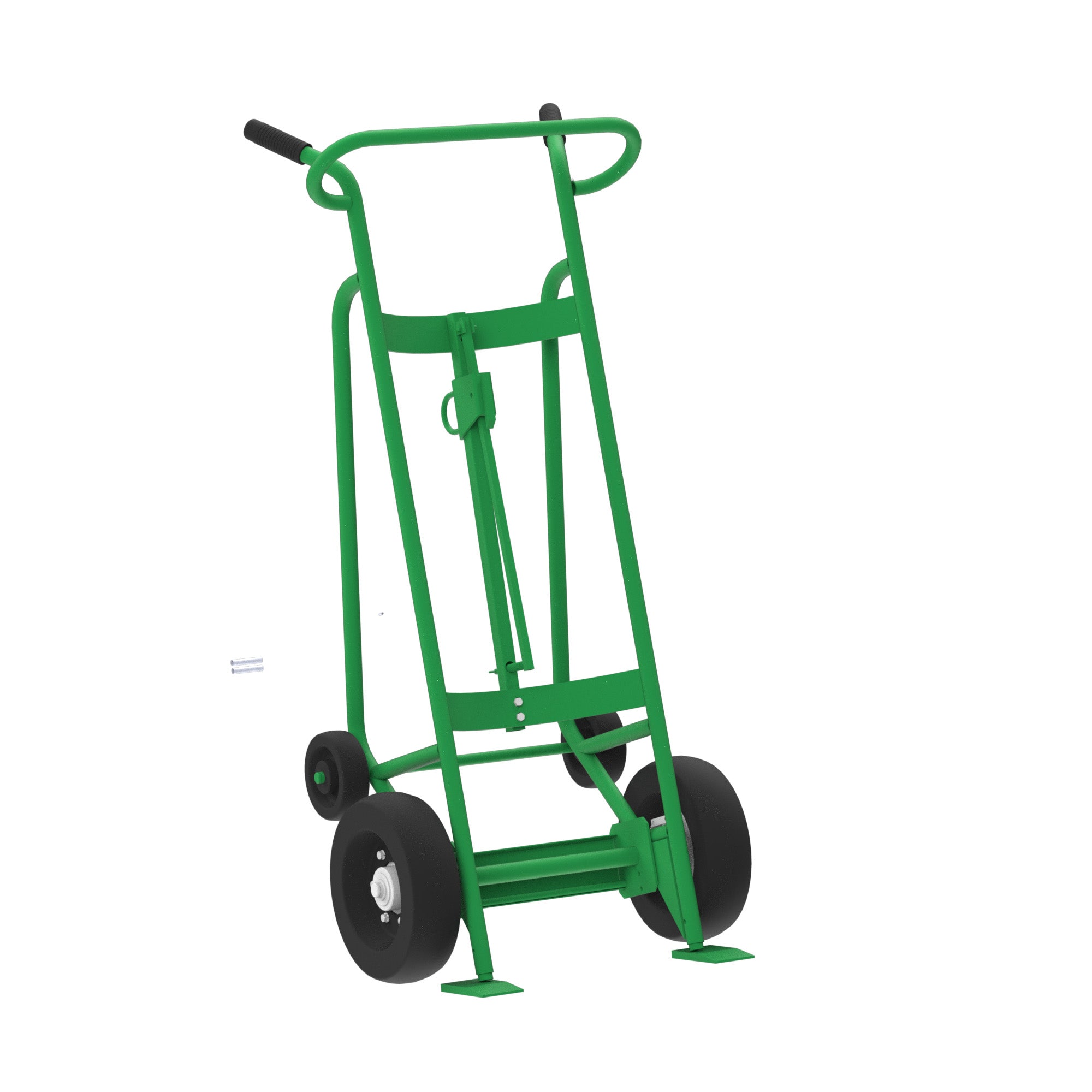
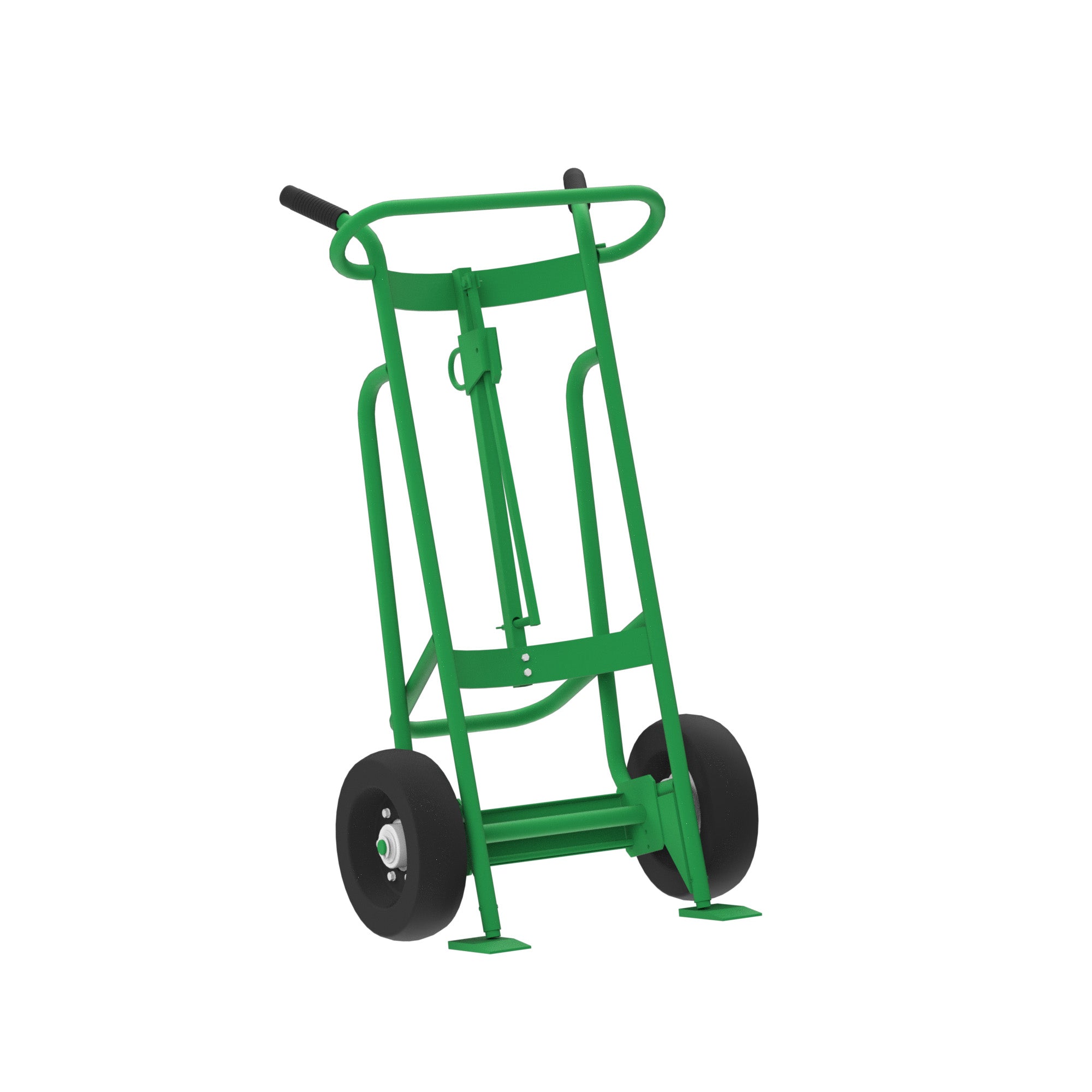
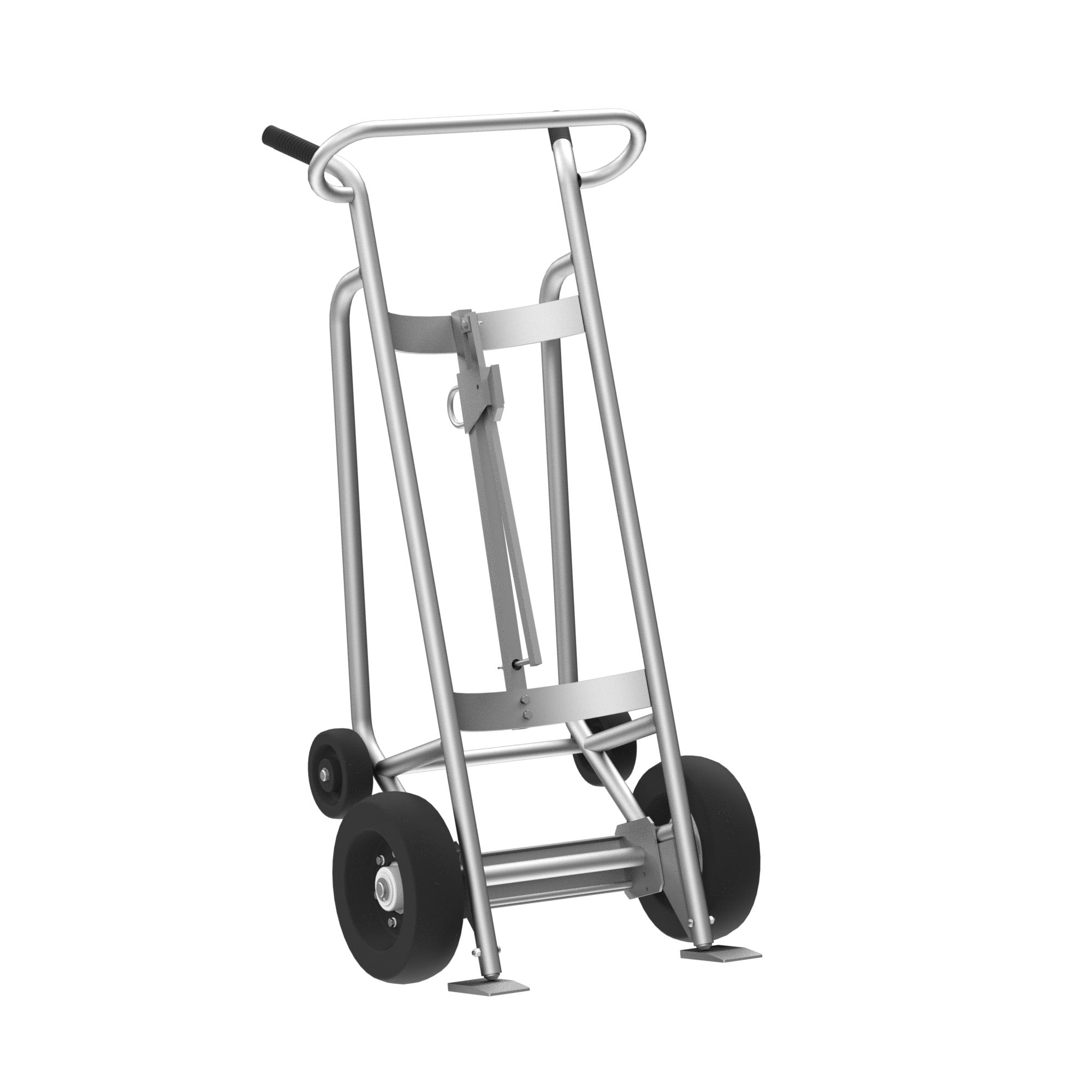
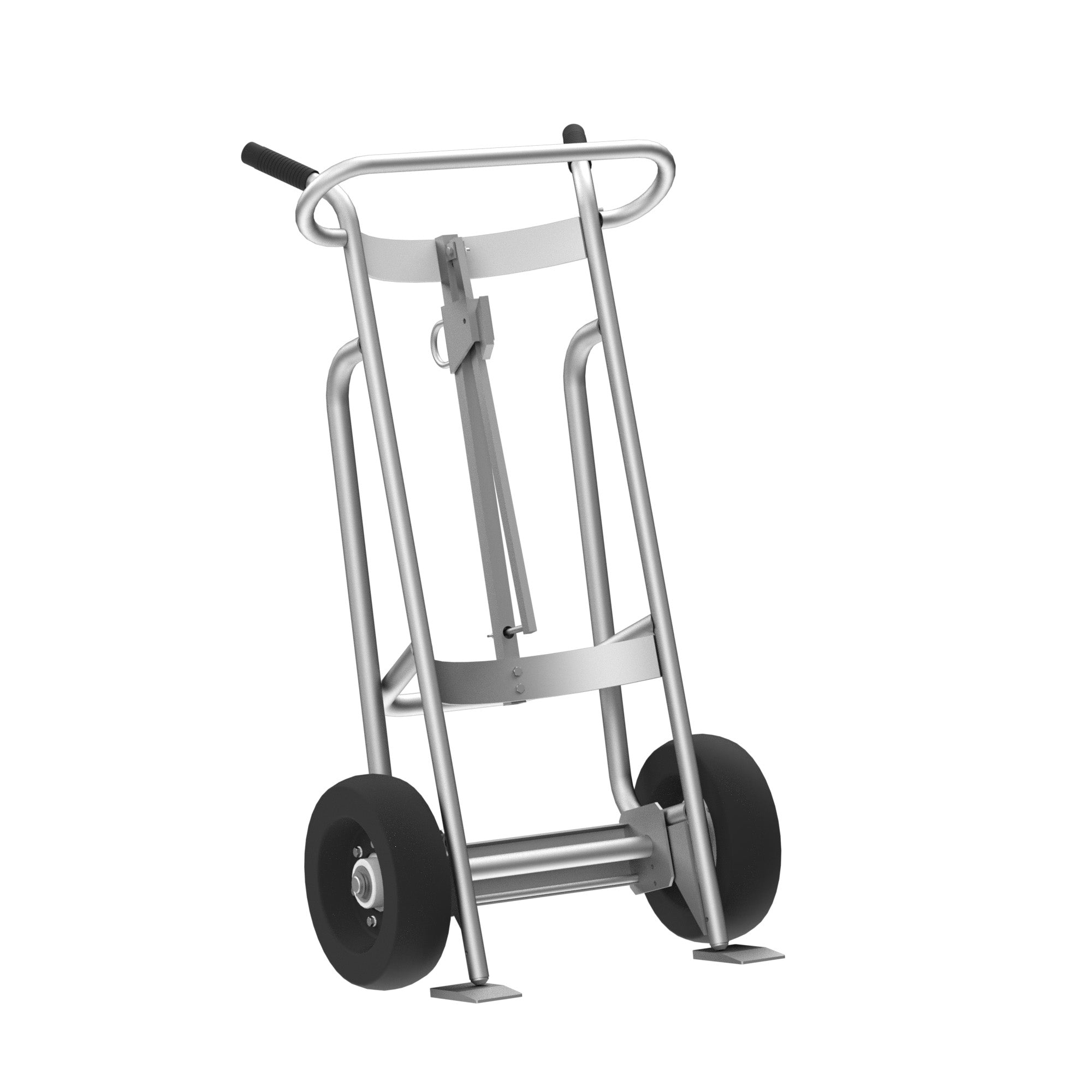
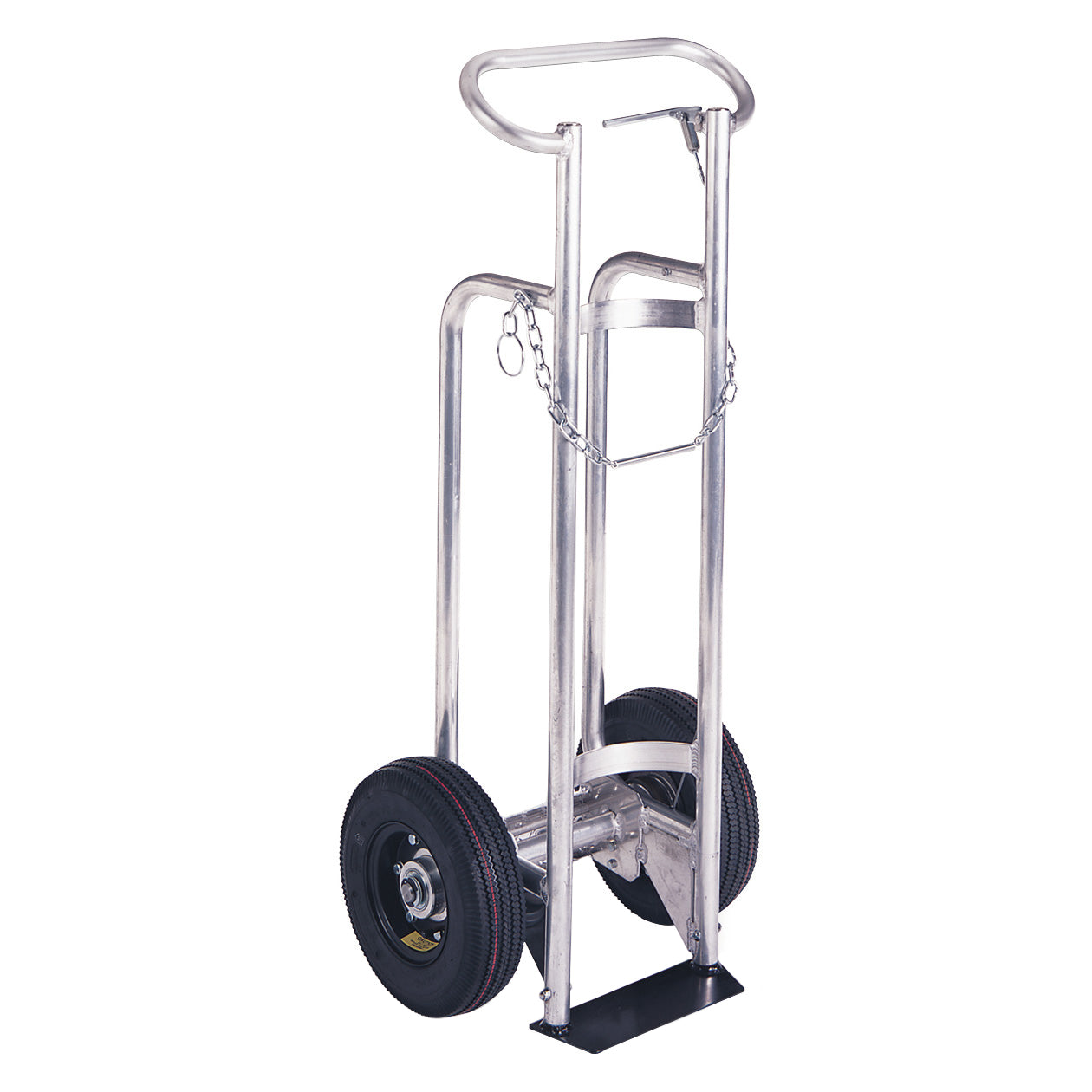
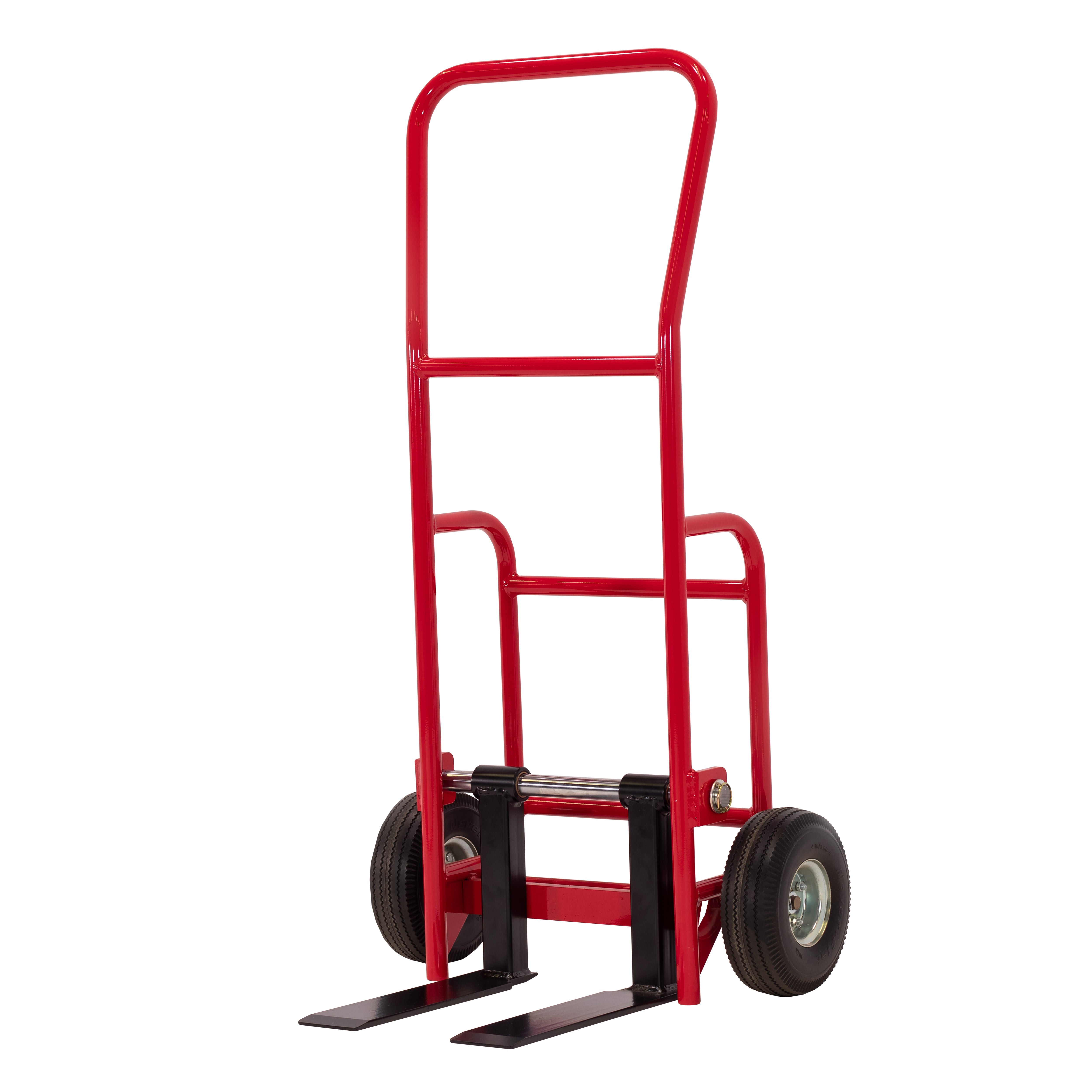
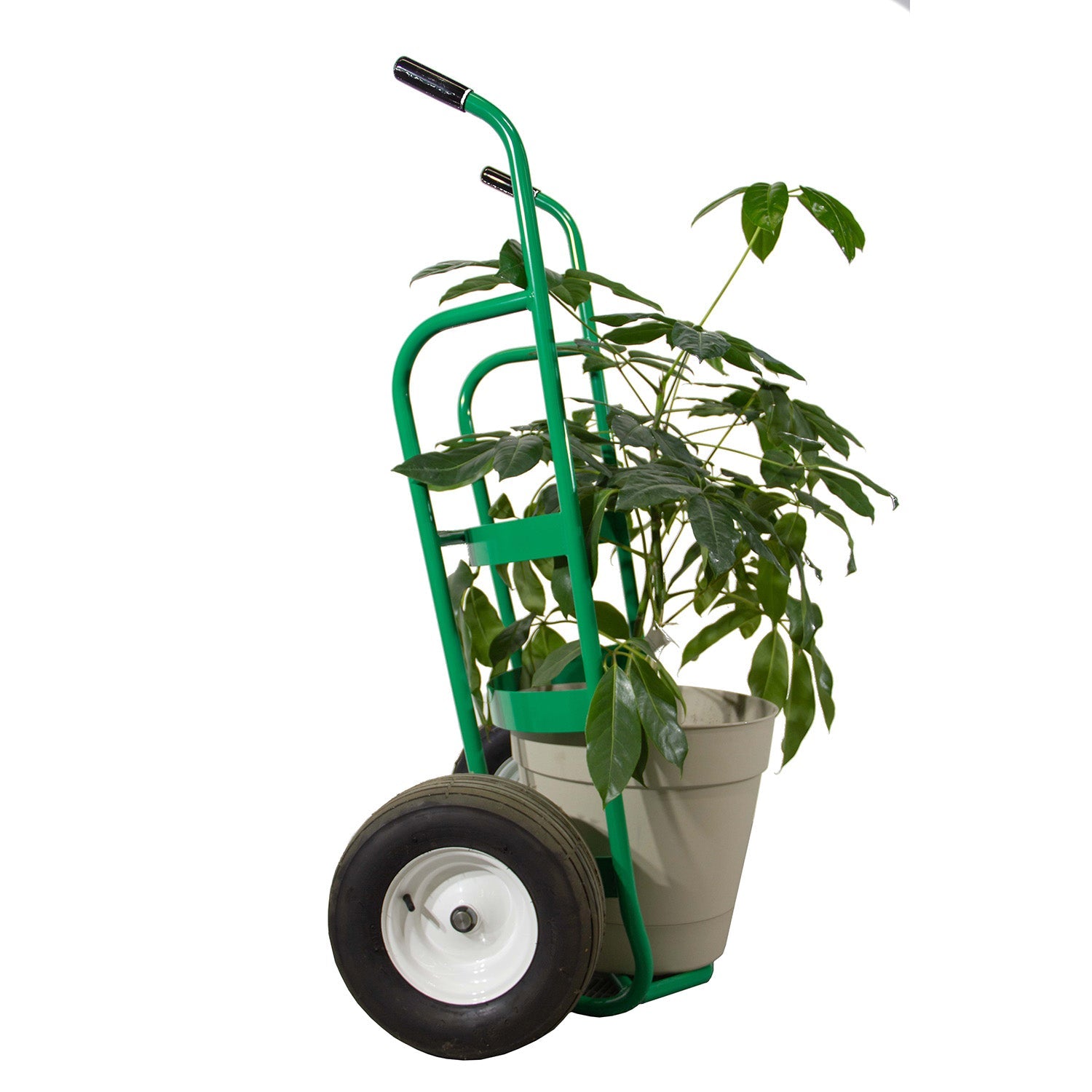
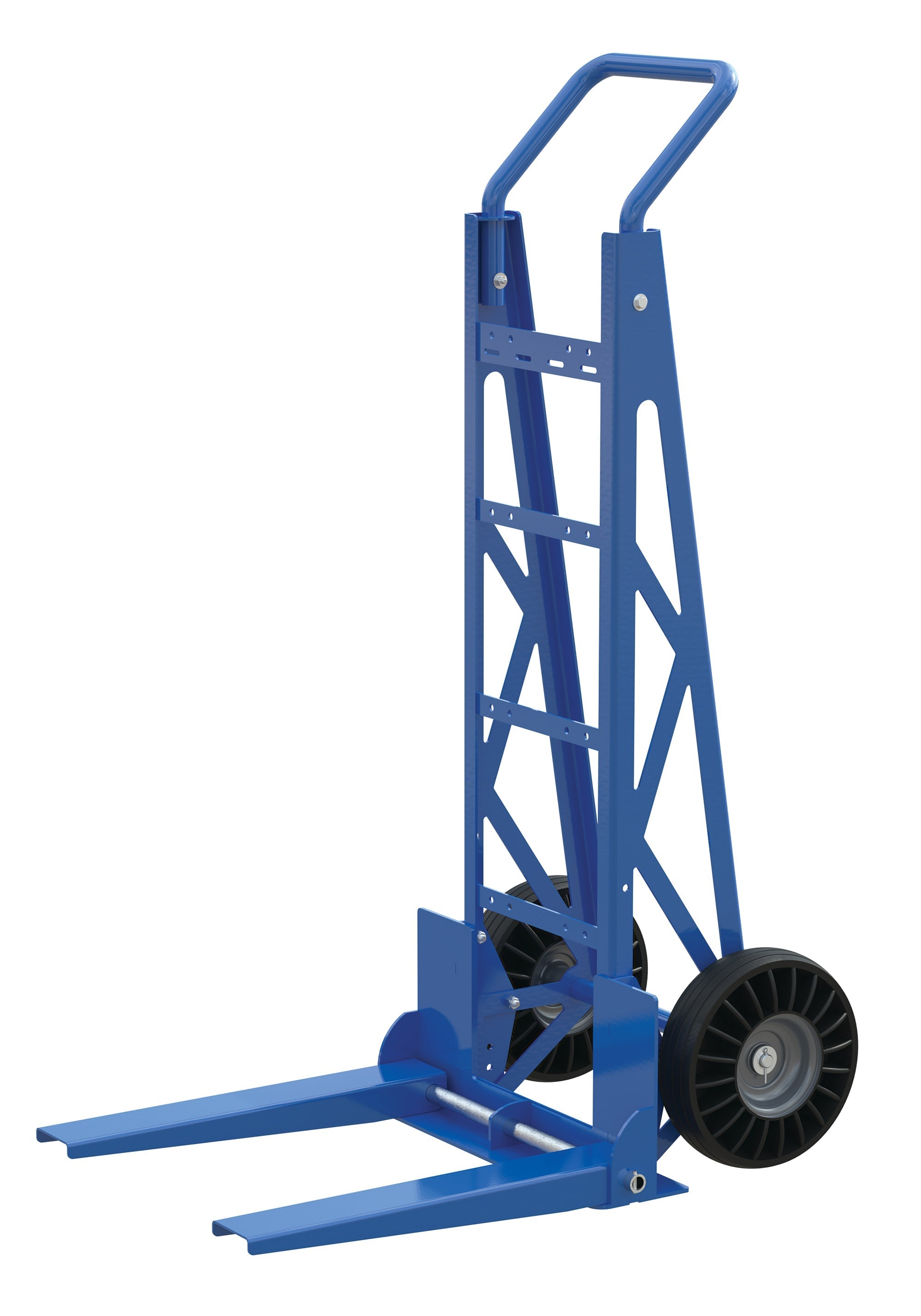
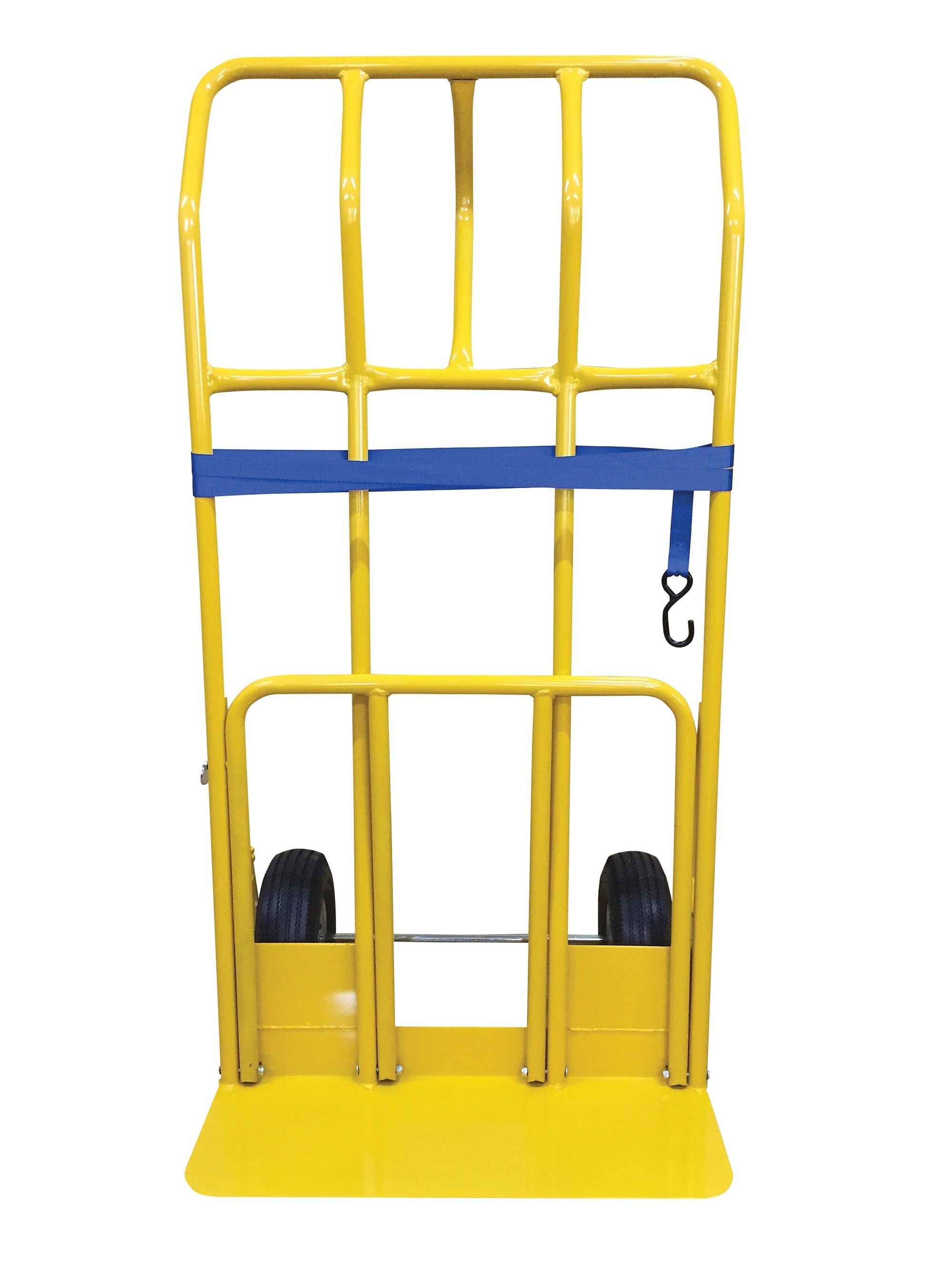
Match the nose to the load. The plate at the bottom is what actually meets the load, and load-specific noses exist because a flat plate is wrong for round, tall, or fragile freight. Drums get a chime-grabbing nose: Valley Craft's 2-wheel steel drum truck near $1,195 and the lighter aluminum version around $1,063 both reach 1,000 lb, and a powered drum truck at about $4,448 lifts and moves an 800 lb drum with the operator's hands off it. The full range of purpose-built drum gear lives in drum dollies and carts and drum handling equipment. Compressed gas cylinders ride upright and chained on single-cylinder trucks near $995 or double-cylinder trucks around $1,995; OSHA 1926.350 calls for a suitable cylinder truck or chain to keep bottles from being knocked over, with valve protection caps in place unless the cylinder is secured on a carrier built for it. Appliances and HVAC units want a tall back and a strap: Valley Craft's HVAC truck near $699 and Vestil's appliance carts around $324 at 1,200 lb hold the fridge or condenser against the frame the whole trip. Pallet hand trucks slide forks under a skid, from Valley Craft's 2-wheel pallet truck near $699 to the deluxe extended-fork model around $760; for palletized loads moved often, a pallet jack or stacker is the better tool. Kegs, plants, and other odd shapes get their own answers, including Vestil's keg dolly near $119 and Valley Craft's 1,500 lb nursery truck around $729.
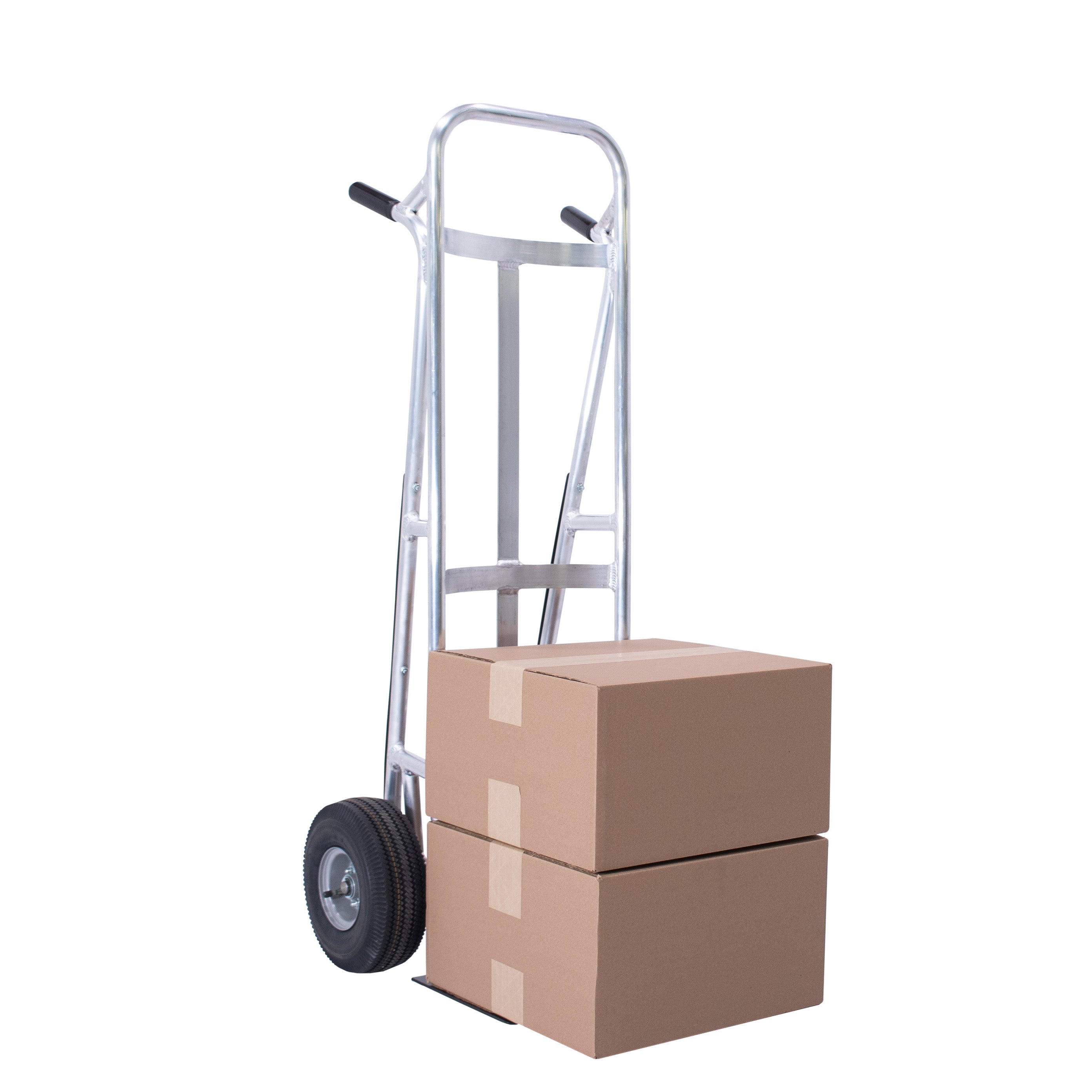
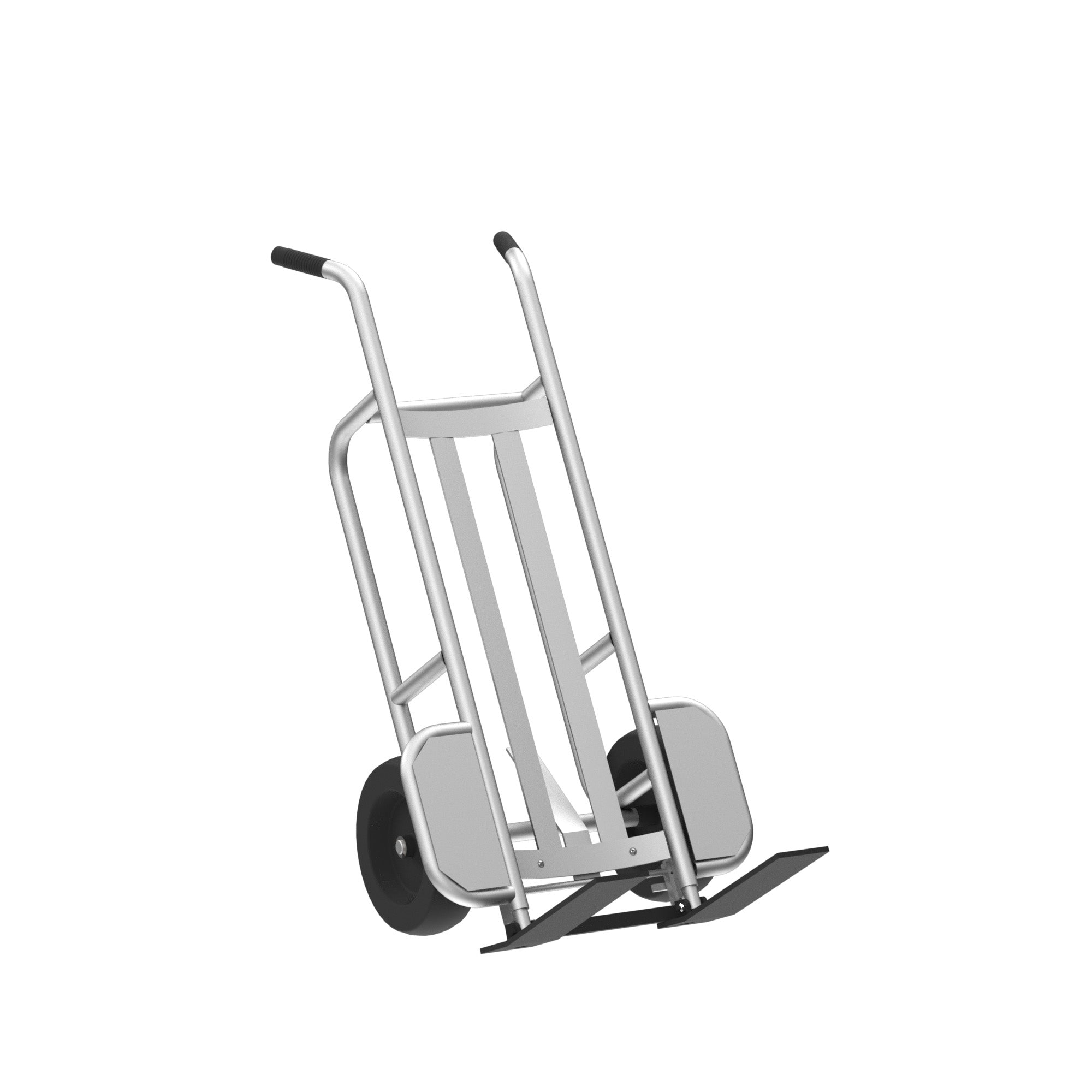
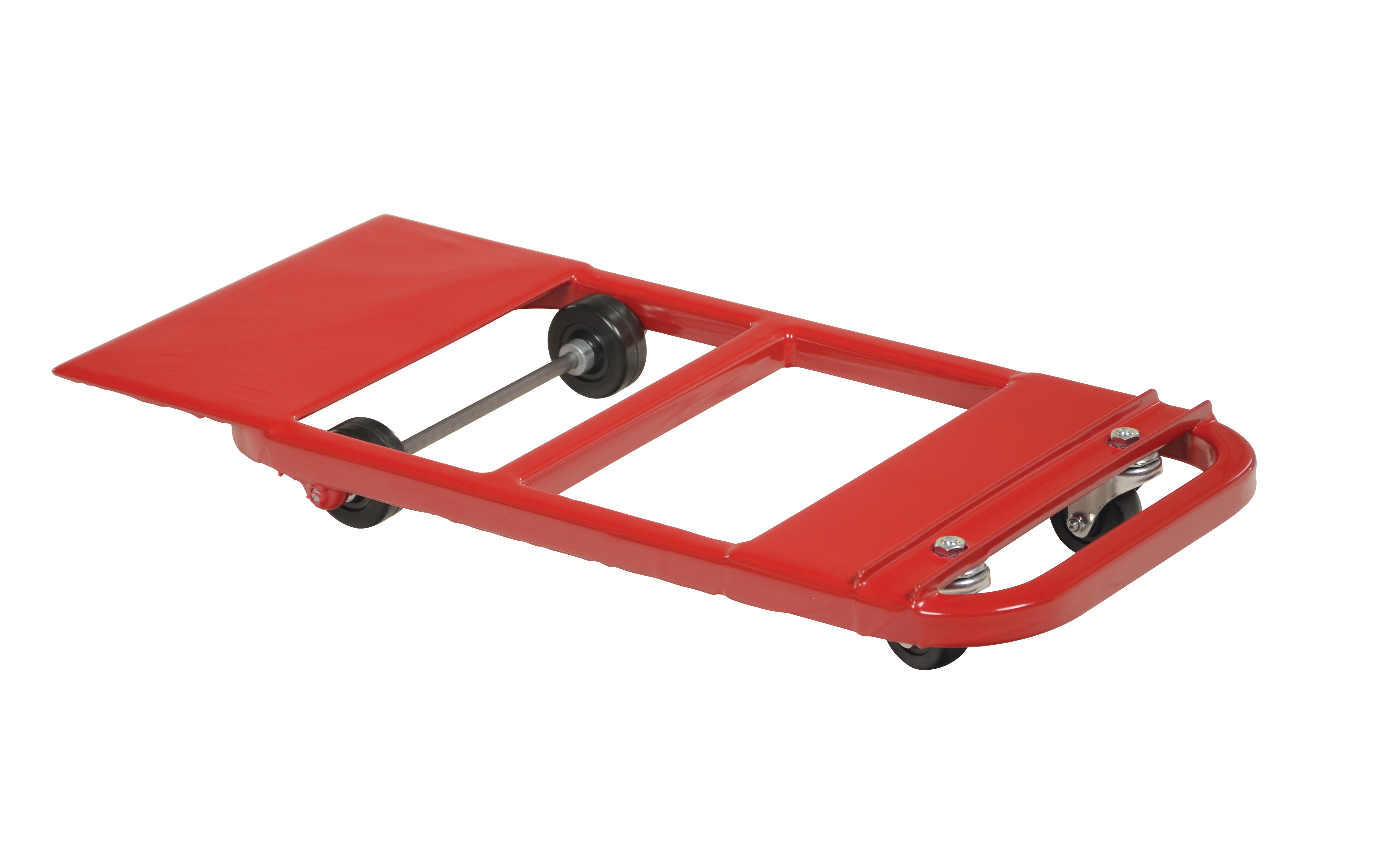
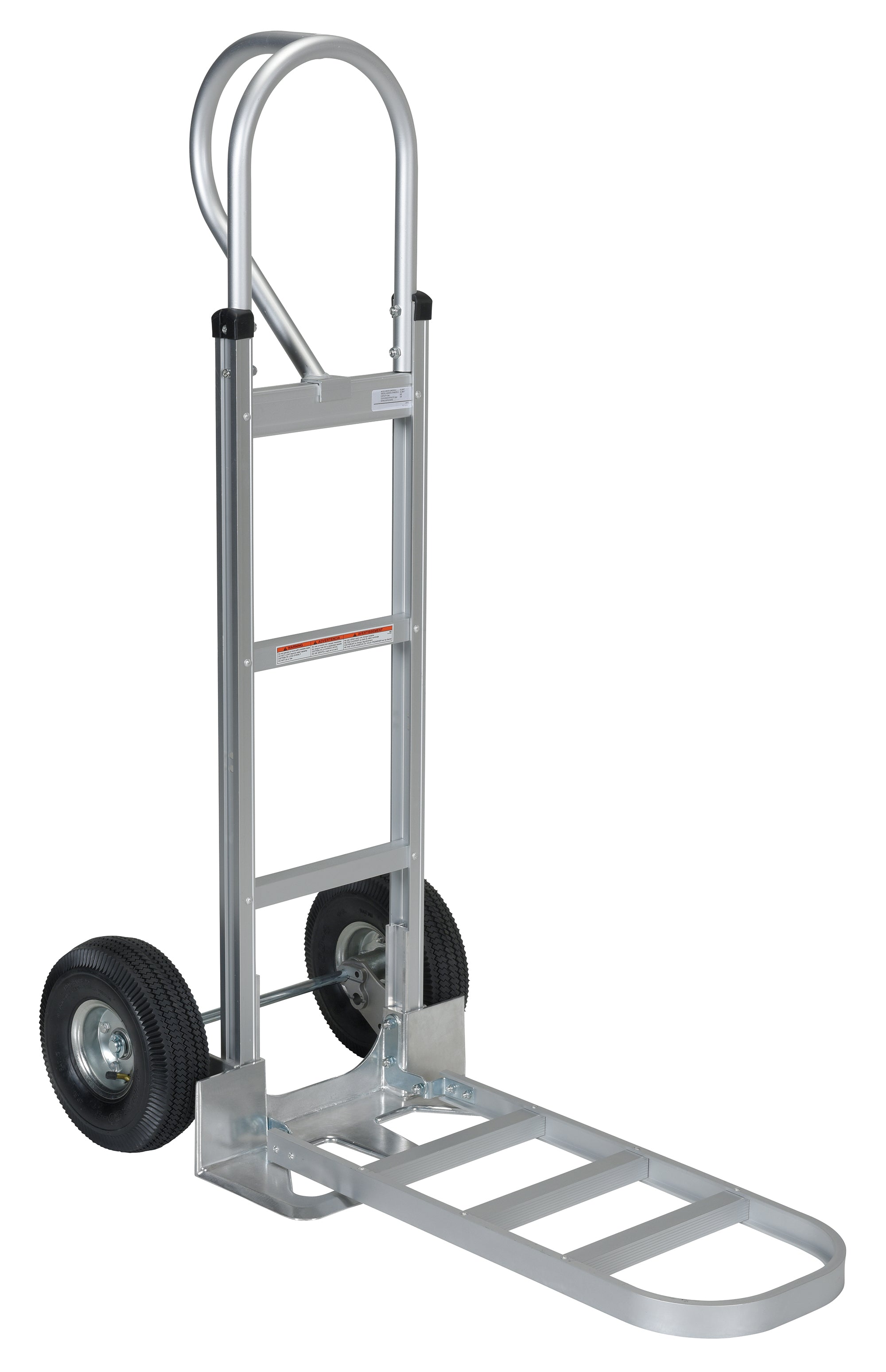
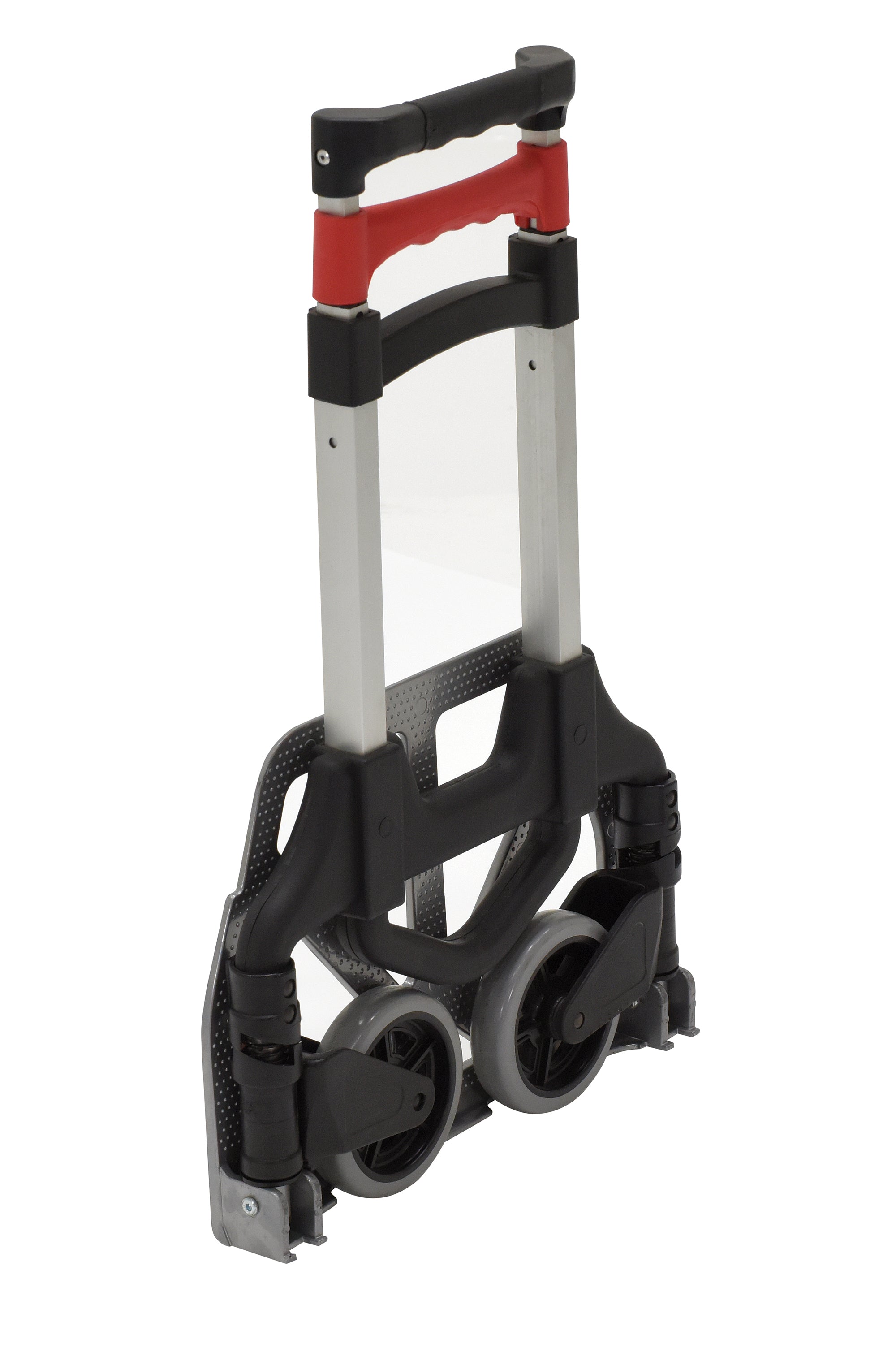
Steel, aluminum, or fiber: what the frame is made of. Steel is the default for plant duty because it is cheap for its strength and shrugs off abuse; Vestil's heavy-duty wide-load steel truck near $187 and the four-wheel multi-position steel truck around $313 are built to be run into things. The cost is weight, and on a route where someone lifts the empty truck onto a tailgate dozens of times a day, that tare weight is felt in the shoulders by afternoon. Aluminum is the answer there. Vestil's aluminum ergonomic truck near $208 and Valley Craft's aluminum drum trucks carry the same rated loads as their steel twins while stripping roughly twenty pounds off the empty frame, and aluminum never rusts, which matters in washdown and food areas. Vestil's fiber-and-nylon truck around $129 goes further for the lightest routes and adds a non-conductive, non-marking frame. Folding models trade some rigidity for storage: Vestil's foldaway truck near $65 collapses to slide behind a van seat or into a supply closet, the pick for an occasional lift rather than a full shift of hauling.
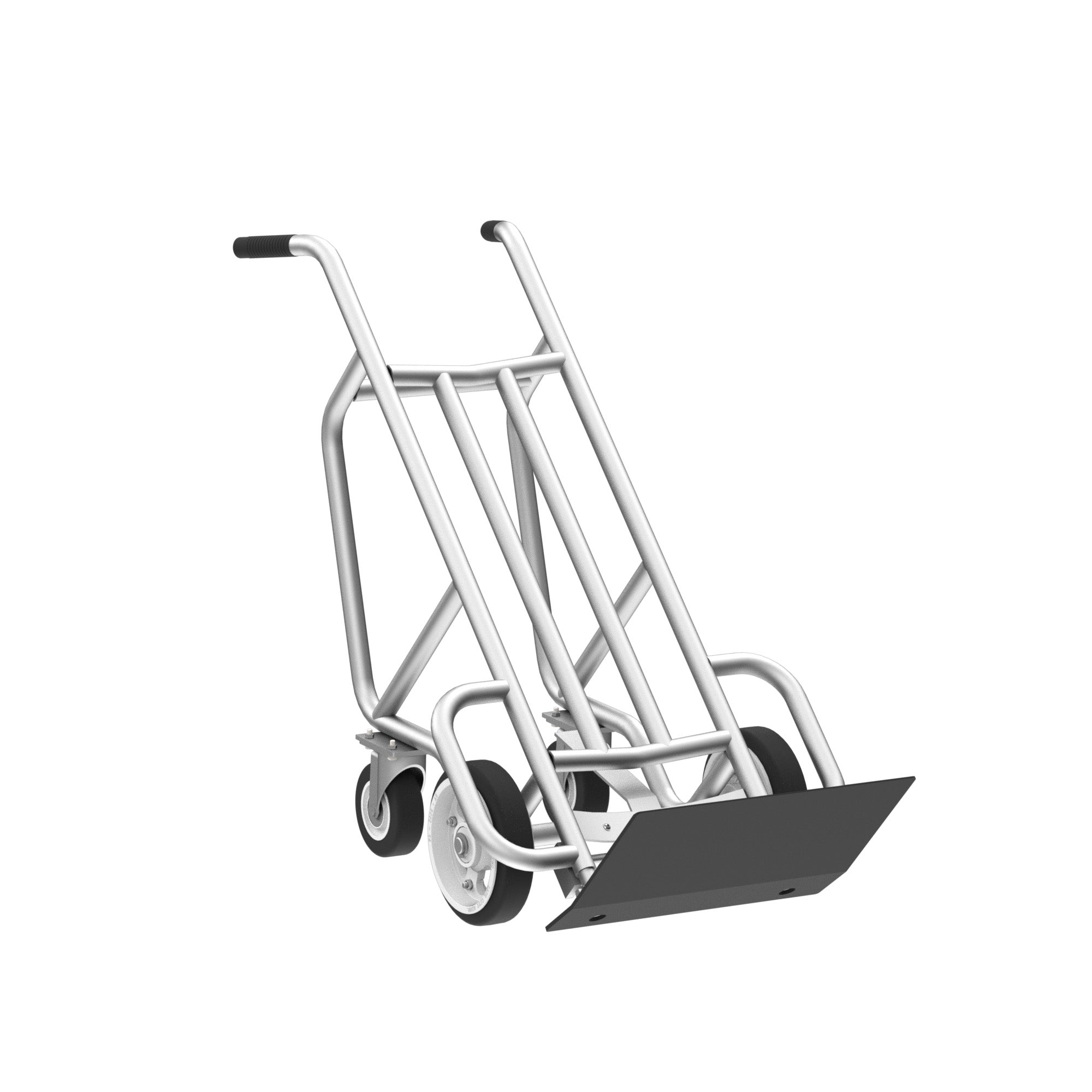
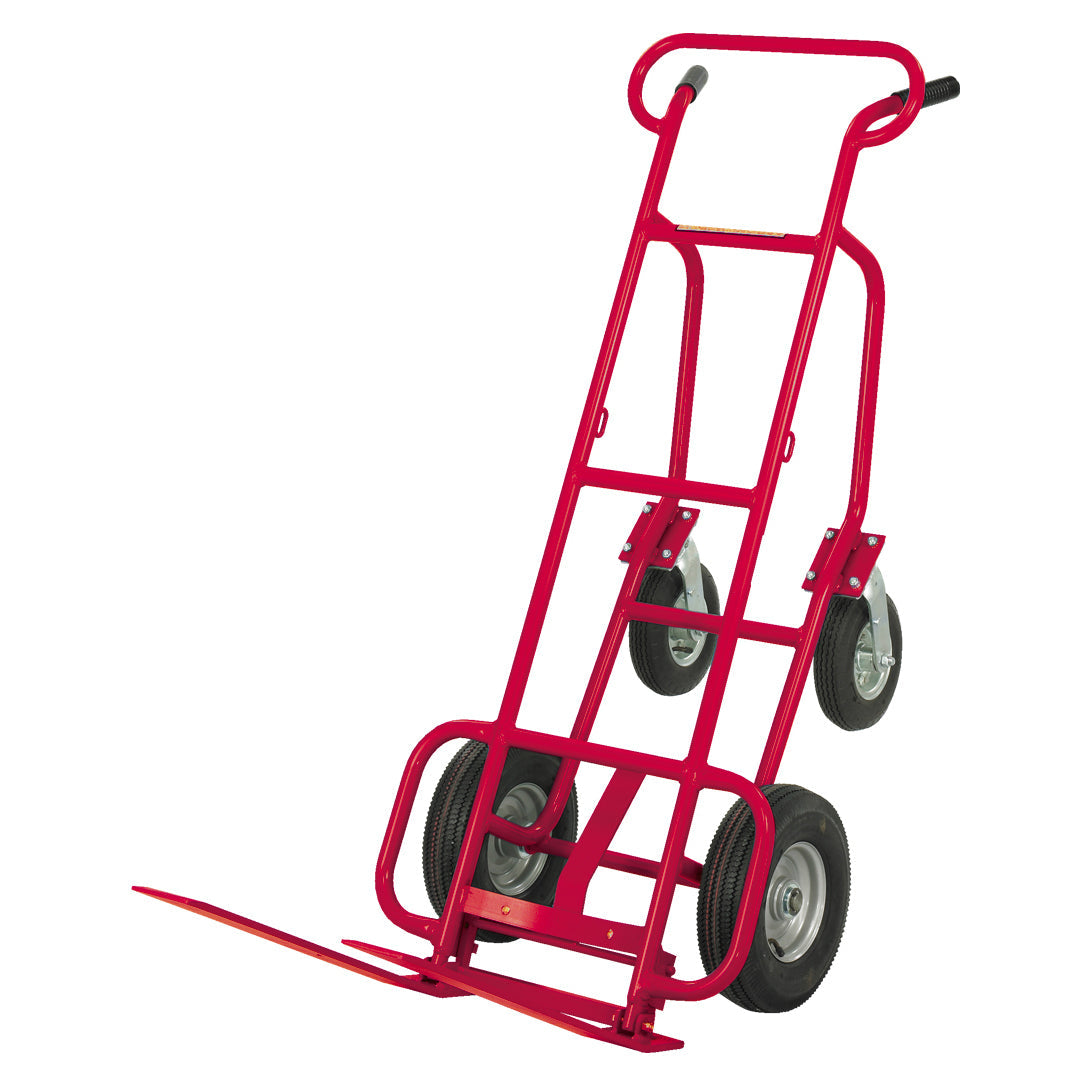
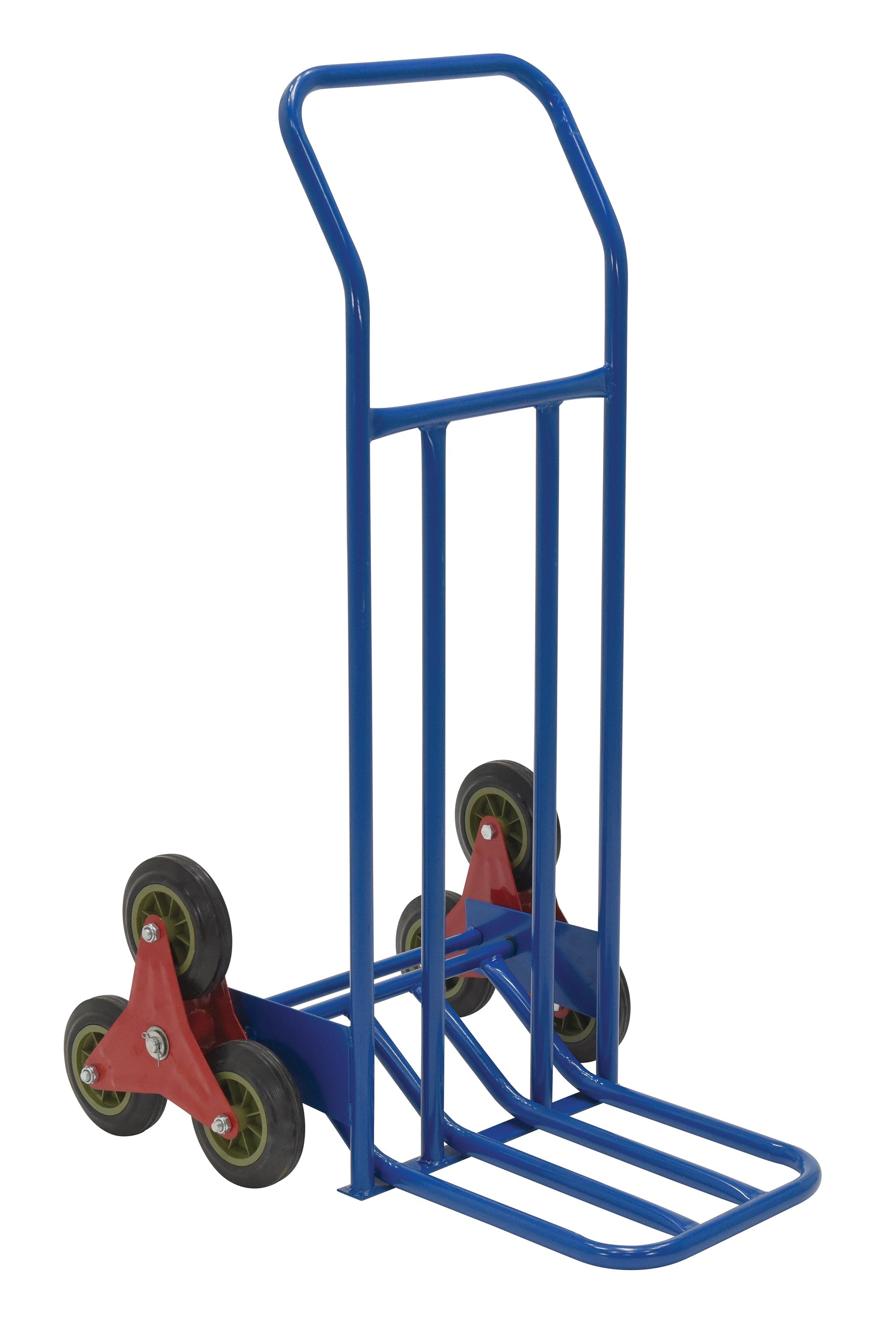
Wheels decide the route. The wheel spec is quiet but it governs where the truck can actually go. Hard rubber and solid polyurethane wheels roll easily on smooth concrete and never go flat, so they suit indoor and dock work. The moment the route includes gravel, grass, curbs, or a job site, switch to pneumatic tires: Vestil's 4-wheel pneumatic truck near $193 and the off-road hand truck around $693 float over rough ground that would stop a hard wheel dead. Stairs are their own problem. For an occasional flight, Vestil's steel stair truck near $141 adds a three-wheel star cluster at each corner that walks the load down step by step. For a route that climbs stairs on every trip, the powered stair climber at about $5,670 does the lifting with a motor so the operator only steadies the load, which pays for itself the first time it replaces a two-person carry. When the whole route is powered movement of heavier loads, look at the powered carts alongside these.
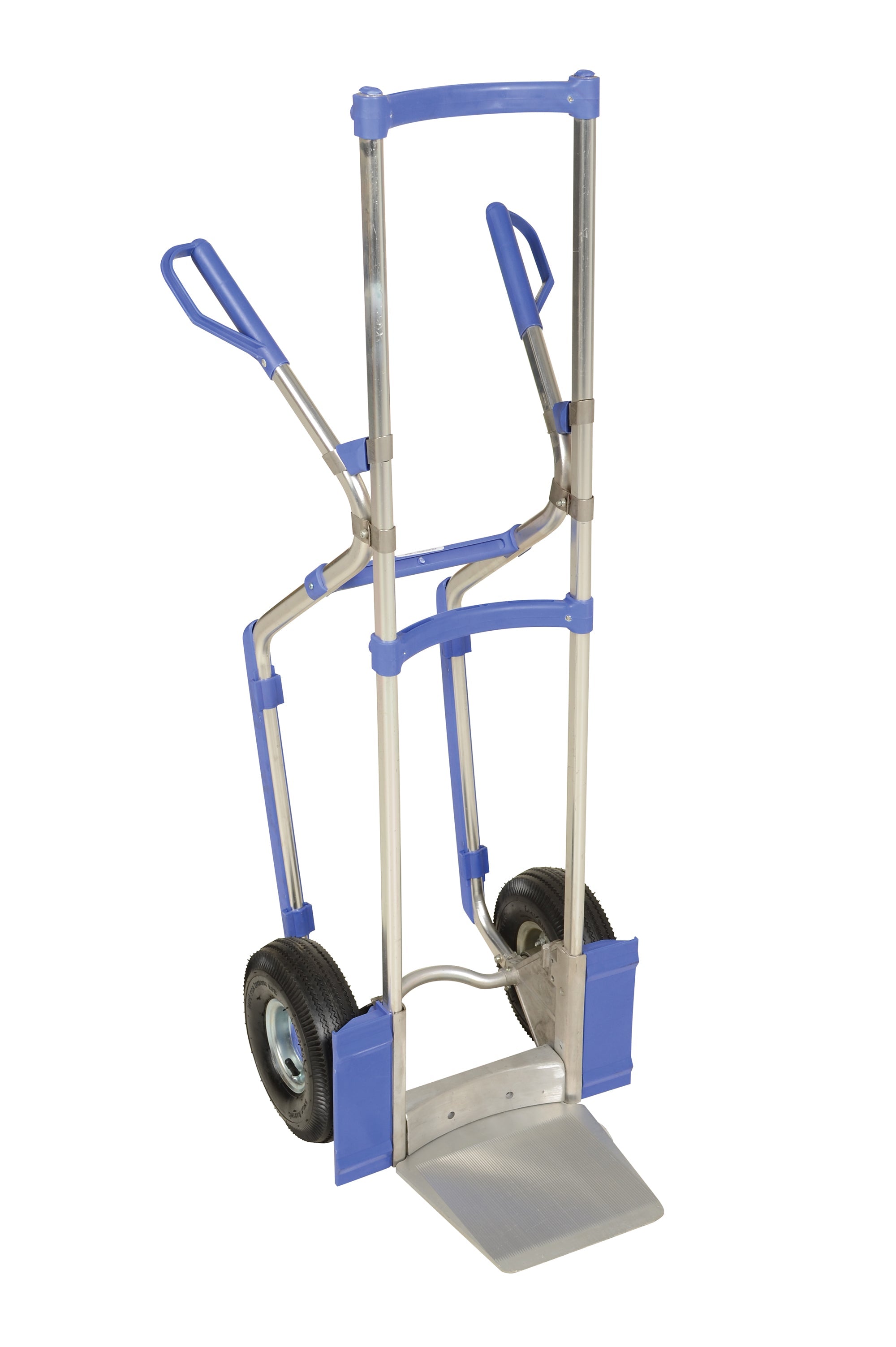
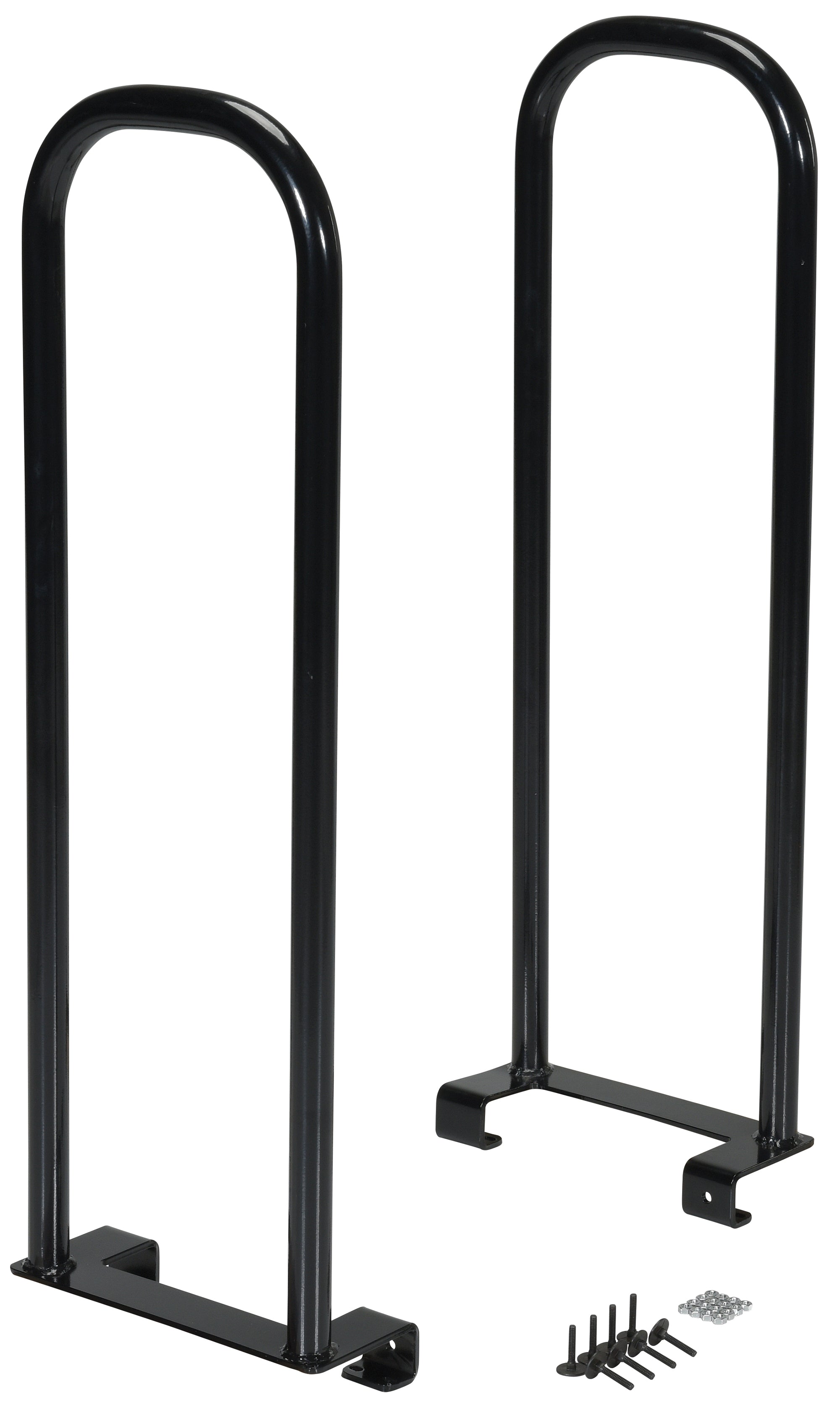
Handle and ergonomics. How the truck steers comes down to the handle. A single loop handle is the traditional two-hand grip and the most common. A P-handle, like Vestil's model near $207, gives each hand its own vertical grip so the wrists stay neutral and the operator can turn the truck without rolling the wrists over, which cuts fatigue and strain on a long shift. Dual-handle trucks, around $170, add a second set of grips for lifting and maneuvering in tight spots or on stairs. Vestil's adjustable-fork truck near $509 lets the nose width change to fit different loads, and simple add-ons close the gaps: a moving pad around $20 keeps the frame from scuffing finished appliances and furniture. None of this shows on a spec line, but on a route measured in hundreds of moves a day, the handle is the difference between a tool that helps and one that wears the operator out.
Read the capacity, then check where the load actually sits. Every truck here carries a rated capacity, from 600 lb commercial two-wheelers up to the 1,500 lb nursery truck, and the number is only useful if the load sits where the rating assumes. On a two-wheel truck the capacity is figured with the weight low and balanced over the axle; a tall load stacked high raises the center of gravity and makes the truck want to tip sideways or pull back hard on the operator, so keep the heavy items at the bottom against the nose. Confirm three things before you buy: the actual weight of your heaviest load with a margin, the shape and how it wants to be held, and the roughest surface the truck will cross. Get those right and a hand truck is the cheapest rated lift in the building. For everything past a single load on two wheels, the rest of the aisle, from platform trucks to tilt trucks, sits under industrial carts and dollies.
Frequently Asked Questions
A two-wheel truck tips the load back onto its axle and balances it, so it clears stairs, tight aisles, and truck gates one load at a time, typically at 600 to 1,000 lb. A convertible, like Vestil's model near $299, folds from that upright two-wheeler into a low four-wheel platform, so one frame handles both a stack of cartons and a long flat load. Buy the convertible when your loads switch between tall and flat; buy the plain two-wheeler when they do not, because it is simpler, lighter, and cheaper.
It depends on the frame. Commercial two-wheel trucks in this collection are rated around 600 lb, four-wheel commercial and pallet trucks reach 1,000 lb, appliance carts hit 1,200 lb, and the nursery truck tops out at 1,500 lb. Those ratings assume the load sits low and balanced over the axle. A tall or top-heavy load raises the center of gravity and makes even a rated truck unstable, so keep the heaviest items at the bottom against the nose plate.
Steel is cheaper and takes more abuse, which makes it the default for rough plant duty. Aluminum carries the same rated loads while cutting roughly twenty pounds off the empty frame and never rusting, so it wins on all-day routes where the operator lifts the truck on and off a tailgate constantly, and in washdown or food areas. If the truck sits in one spot and gets run into things, steel; if someone carries it all shift, aluminum.
Use a dedicated cylinder hand truck that holds the bottle upright and chains it in place, like Valley Craft's single-cylinder truck near $995 or the double-cylinder version around $1,995. OSHA 1926.350 requires a suitable cylinder truck, chain, or other steadying device to keep cylinders from being knocked over, and calls for valve protection caps to be in place before a cylinder is moved unless it is secured on a carrier built for the purpose. A flat-plate general truck is not a substitute.
Yes, with the right one. For an occasional flight, a stair truck like Vestil's steel model near $141 uses a three-wheel star cluster at each corner that walks the load down one step at a time. For a route that climbs stairs on every trip, a powered stair climber, about $5,670, uses a motor to do the lifting while the operator only steadies the load, which replaces a strenuous two-person carry and pays back quickly on repeat moves.