Furniture Moving Equipment
Furniture moving equipment covers the gear that gets a desk, a cabinet, a safe, or a small production machine across a floor without a crane, a forklift, or a wrenched back. This collection runs on Vestil, with Stranor on the heavy hydraulic end, and it spreads wide on price: a six-wheel hardwood dolly lands near $100, a pair of hydraulic lift-and-roll movers runs into the high hundreds, and a machinery lift tops out around $5,450. The load decides the tool here more than almost anywhere else on the floor. A hollow-core desk wants small corner dollies and two people; a 4,000 lb machine wants an integrated hydraulic lift or a jack-and-skate rig, because tipping it onto a plain dolly is the moment somebody gets hurt. Name the weight, the shape, and whether the piece can safely be tilted at all, and the shortlist below narrows to two or three products fast.
Compare Furniture Movers
| Model | Price | Capacity | |
|---|---|---|---|
| Vestil Machinery Lifts | $4,537 | 2,000-12,000 lb | View → |
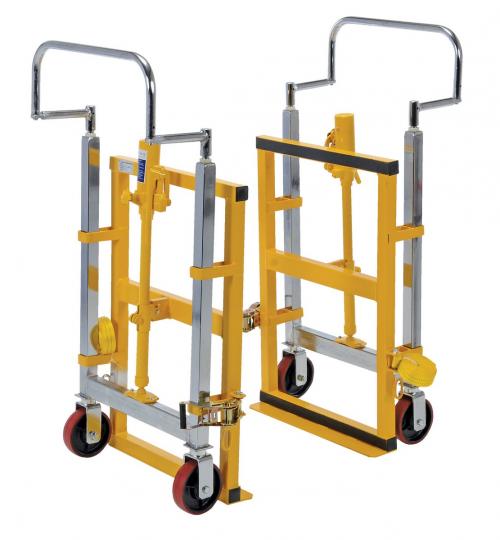
| Vestil Large Hydraulic Furniture Movers 4000Lb | $864 | 4,000 lb | View → |
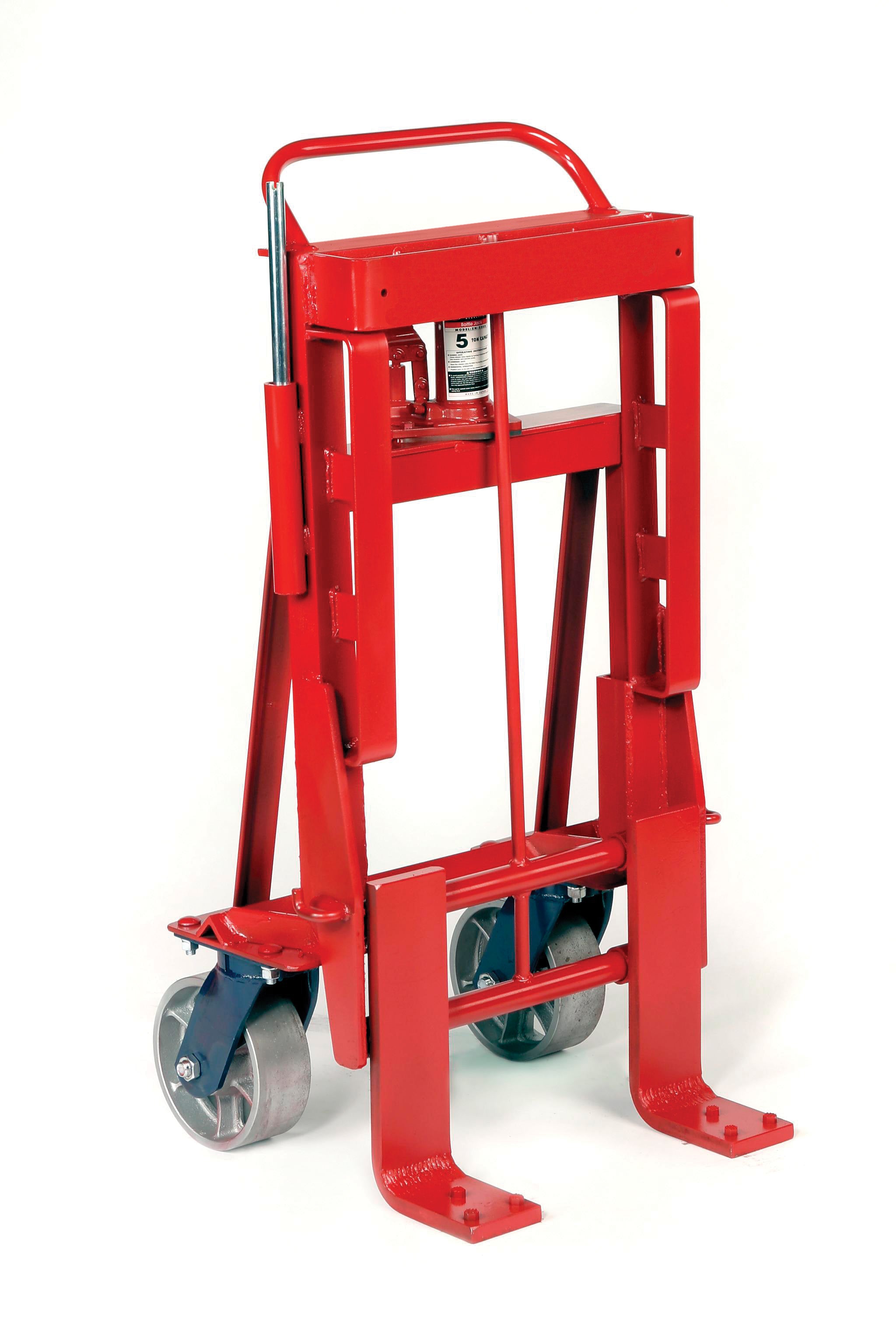
| STRANOR Large Hydraulic Furniture Movers - 3968Lbs | $799 | 3968 lb | View → |
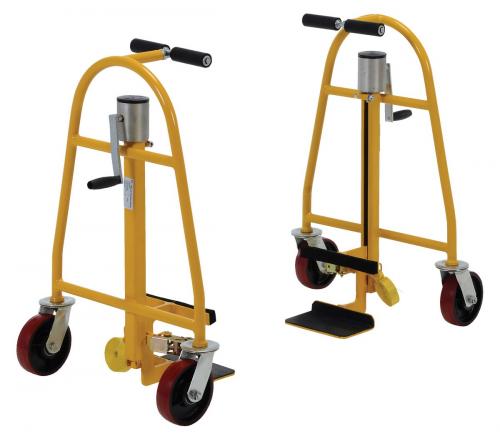
| Vestil Manual Furniture Movers 1300Lb | $626 | 1300 lb | View → |
| Vestil Desk Mover | $267 | 600 lb | View → |
| Vestil Corner Mover Dollies | $248 | 800-1,200 lb | View → |
 In Stock
 In Stock
 In Stock
 In Stock
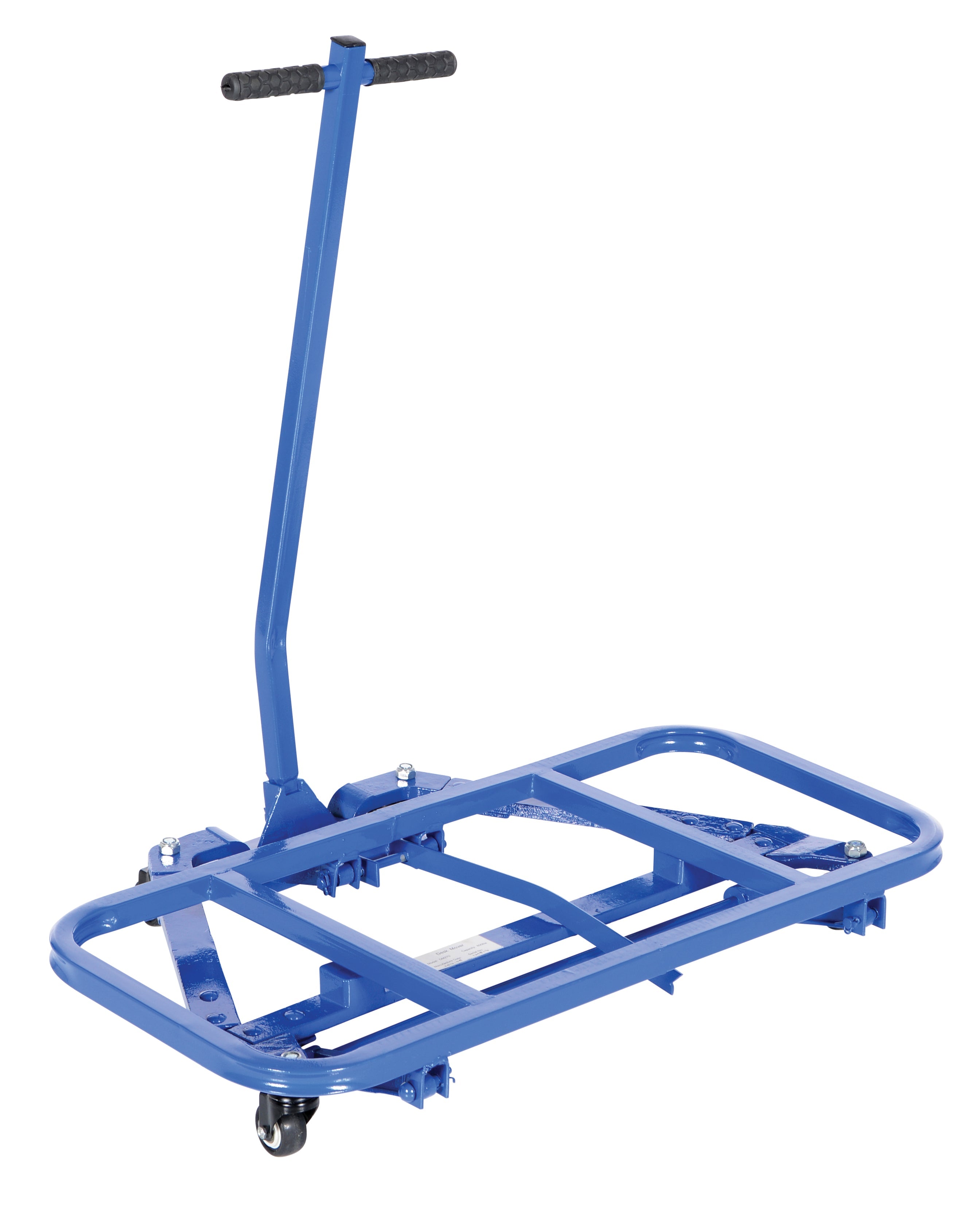 In Stock
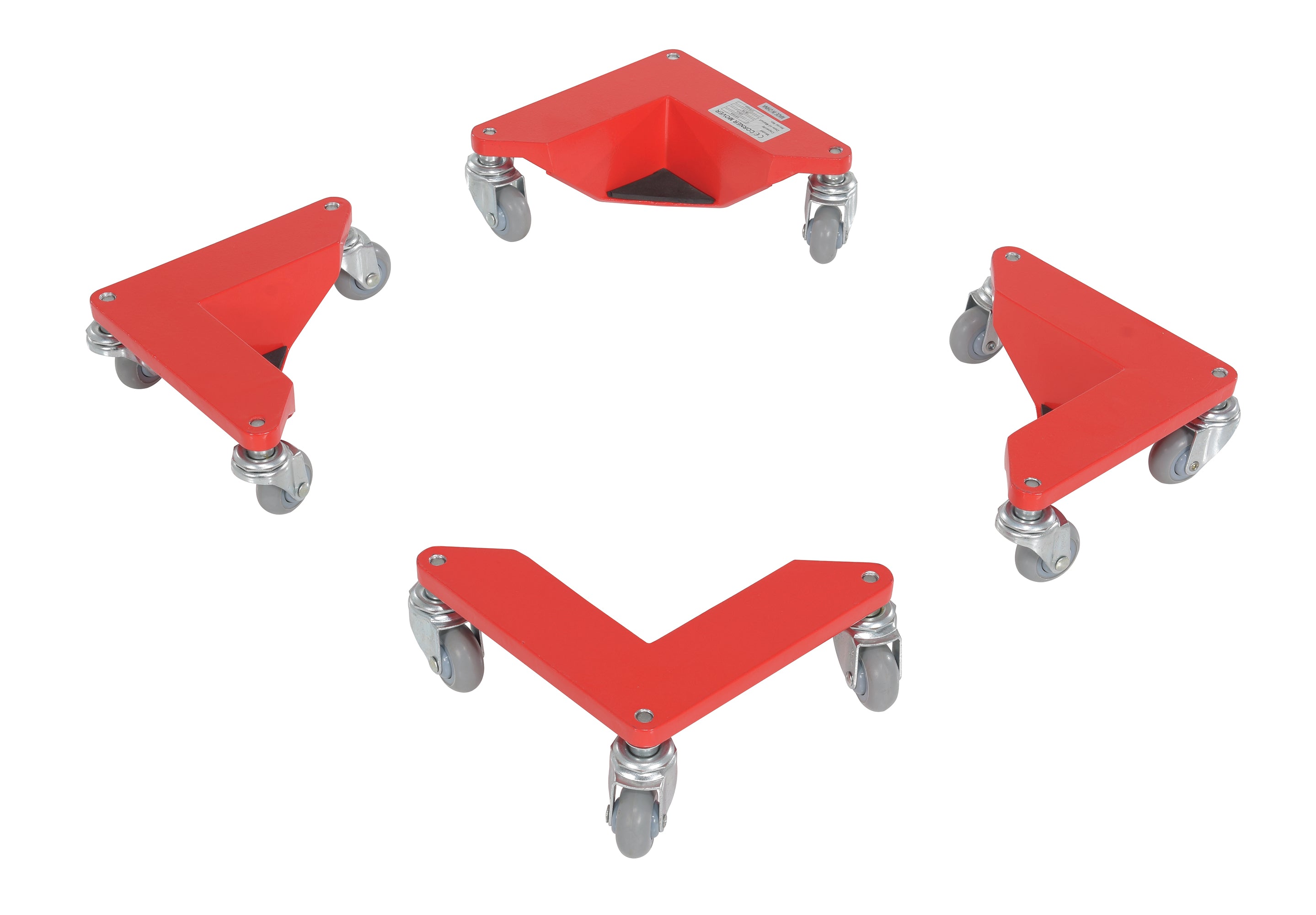 In Stock
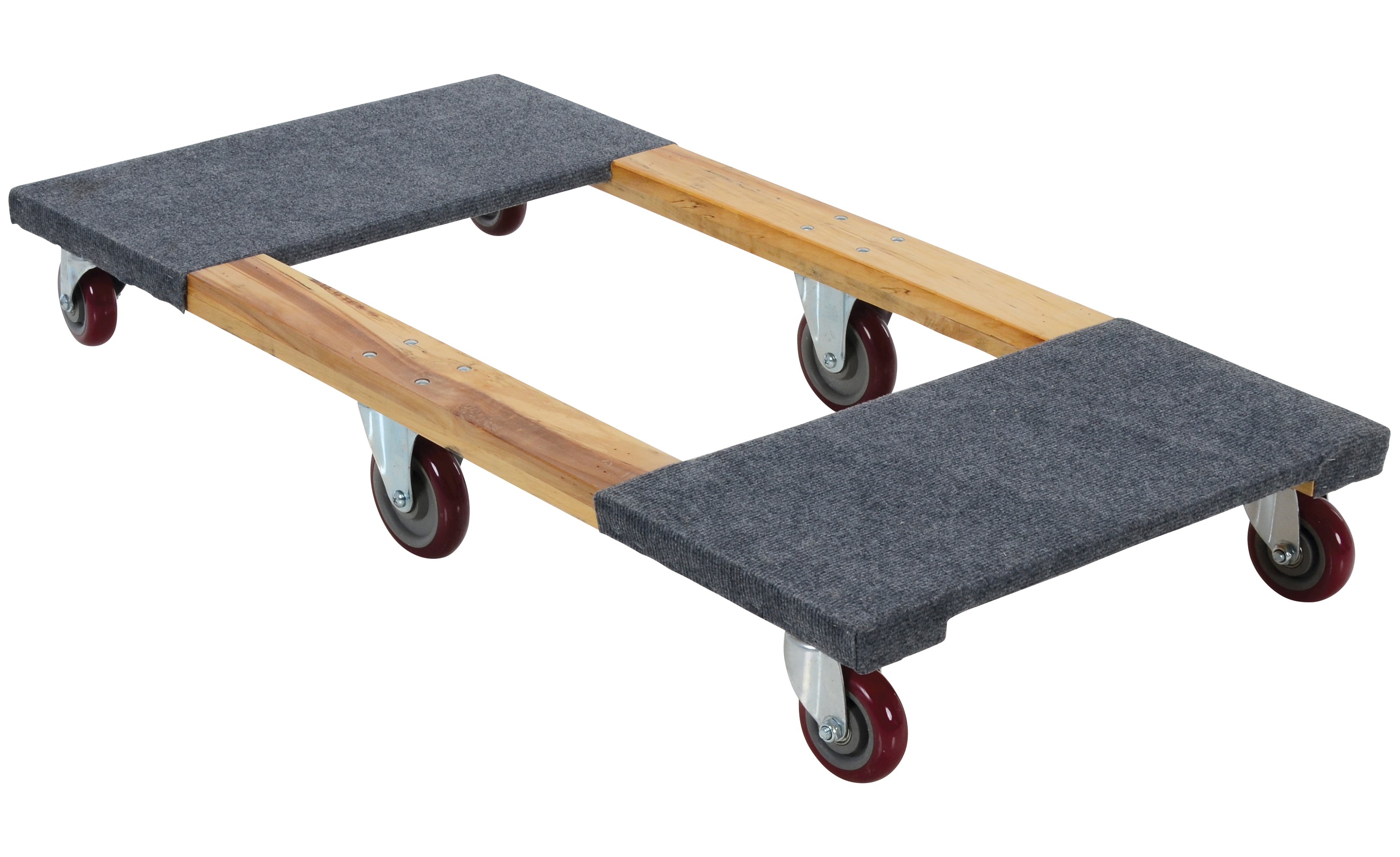 In Stock
Furniture Movers Buying Guide
Weigh it, then decide if it can tip. The whole category splits on one question the load answers for you: can it be safely tipped or pried onto a wheeled platform, or is it too heavy and too valuable to tilt? Light casework, desks, and file cabinets tip easily and ride on plain dollies and corner movers that cost a few hundred dollars at most. A loaded tool chest, a safe, or a small machine gets heavier and more awkward until tipping stops being safe, and that is where the hydraulic lift-and-roll movers and the machinery lifts earn their price by raising the load in place. Single doors and flat panels are a different shape and belong on panel dollies; anything sitting on a pallet belongs back in the parent industrial carts and dollies aisle. Everything else in this collection sits between those two poles, and the guide below runs light to heavy.
The light end: six-wheel dollies, corner movers, and the desk mover. The cheapest way to put wheels under furniture is the six-wheel wooden mover dolly, a hardwood body on six casters from about $100, offered with all-swivel wheels for spot-turning in tight rooms or a four-swivel, two-rigid setup that tracks straighter down a hallway. Corner mover dollies take a different approach: instead of one platform under the whole piece, you set a small dolly under each corner, so a desk or cabinet rolls on four independent wheels and pivots in place. Vestil builds them in aluminum, which is lighter to carry between jobs, and steel, which takes more abuse, with a 90 degree slot for square furniture corners or a narrow slot for thinner legs and edges, roughly $228 to $248. The desk mover near $267 is the purpose-built version of that idea, sized for office desks and credenzas. None of these lift; you tip the piece by hand to seat it, so keep them to loads two people can safely tilt.
Manual furniture movers: pry, seat, and roll. When the load is too heavy to tip by hand but you do not want to spend on hydraulics, the manual furniture mover near $626 carries up to 1,300 lb the way a rigger moves a machine: a pry bar or the mover's own lever lifts one edge just enough to slide a wheeled skate under, then the load rides on the rollers while you steer and push. It is the same principle as our machine moving skates, scaled down to furniture and light equipment, and it keeps the operator's hands off the weight once it is seated. The trade is effort and a helper: someone works the lever while someone else guides the load, and you repeat at each support point. For a safe, a heavy cabinet, or a light machine that crosses a shop a few times a year, it is the honest middle of this collection.
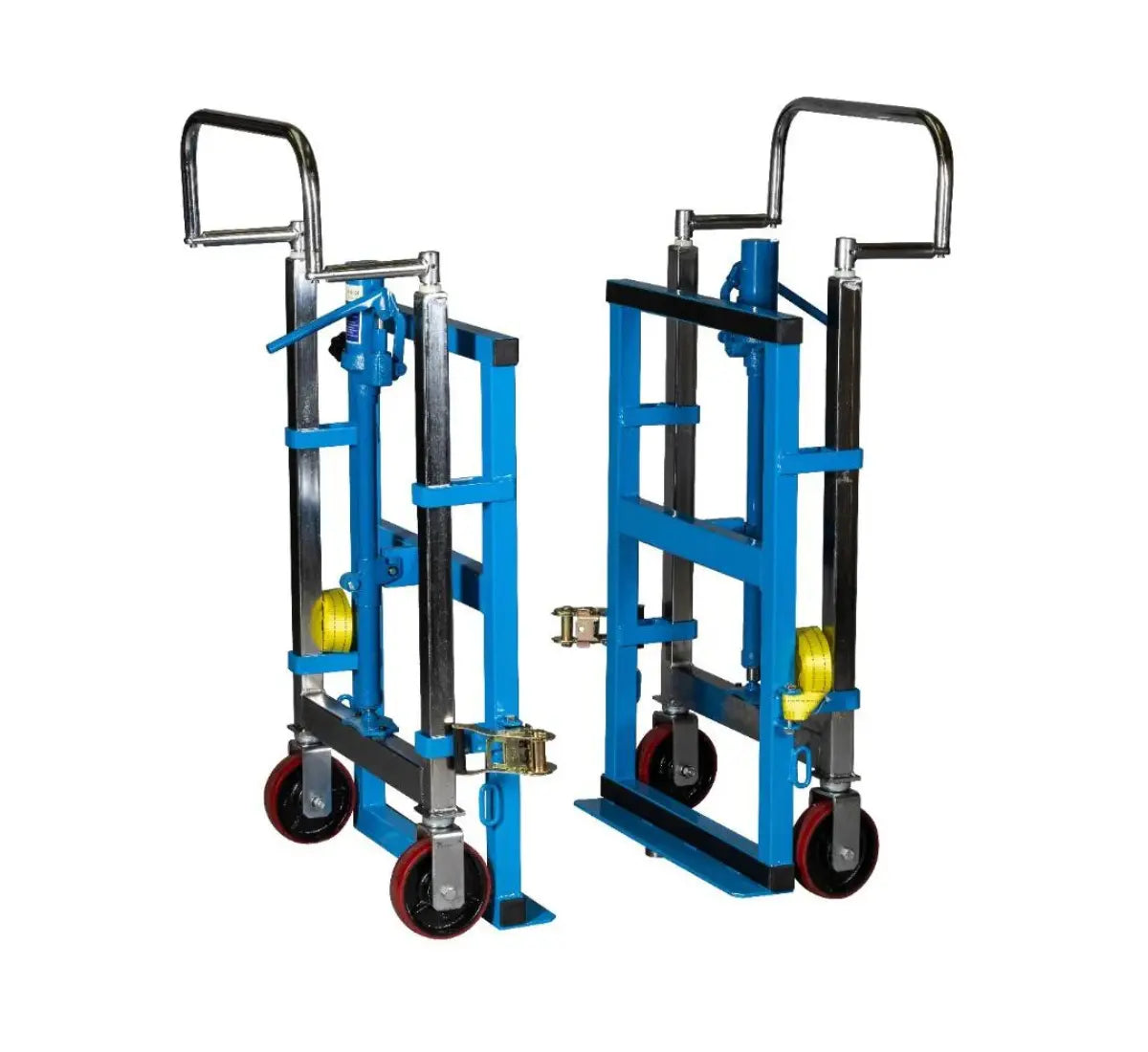
Hydraulic lift-and-roll movers: one motion, no second tool. The hydraulic movers remove the prying and the second lift. Each is a low steel dolly with a built-in foot-pump jack, and they work as a pair, one under each end of the load: pump each dolly to raise the piece off the floor, then roll it away on phenolic wheels, with lifting and transport combined into a single tool. Vestil's set carries 4,000 lb with a 10 inch lift height around $864, and Stranor's runs 3,968 lb near $799, so both clear a loaded machine, a large safe, or a full filing bank with margin. This is the tool when the load is genuinely heavy, has to move on a routine, or cannot be tipped without damage, since the hydraulic lift keeps it level the whole way. Confirm the pair's combined rating against your heaviest real load, and check that your floor is smooth enough for the phenolic wheels before the first pump.
Machinery lifts: raising the load that will not tip. Some loads are too heavy to jack a corner by hand and too valuable to tilt at all, and those get a machinery lift. Vestil's units raise the machine straight up so skates or dollies slide underneath, offered in capacities from 2,000 up to 12,000 lb, roughly $1,988 to $5,450 depending on rating. The workflow is the classic rigging move: lift the machine, seat it on a set of machine moving skates, wheel it to the new spot, and lower it onto its base. Odd shapes that a flat deck cannot carry, cradles, V-blocks, and long stock, have their own answers over in specialty carts. Above the ratings here you are into full rigging and hydraulic jacking, and the point of the machinery lift is to keep a moderate machine move off a forklift and inside one crew's reach.
Wheels, floors, and moving it without an injury. Two specs decide more of these purchases than capacity does: the wheels and the floor. Hard phenolic and steel casters want smooth interior concrete and will stall or gouge on gravel, thresholds, and expansion joints, so plan the route before you plan the buy. Keep the load low and centered over the wheels, move slowly, and put a spotter on the corner the person pushing cannot see, because a top-heavy cabinet on casters tips faster than it looks. None of this gear is a powered industrial truck or a below-the-hook lifting device, so there is no operator certification to carry, only a rated capacity to respect and a load to seat squarely. If the real job is holding a workpiece at a working height rather than moving it across the room, that is a lift table, not a furniture mover.
Frequently Asked Questions
Hydraulic when the load is heavy, moves on a routine, or cannot be tipped: the built-in jack raises the piece level and one person rolls it, with no prying. Manual when the move is occasional and you have a helper: you lever one edge up to slide the skate under, then push. The hydraulic pair costs more and does more; the manual mover near $626 handles 1,300 lb for a fraction of the price.
Yes. The lift-and-roll movers work as a set of two, one dolly under each end of the load, and the capacity is the pair's combined rating, 3,968 lb for the Stranor set and 4,000 lb for the Vestil set with its 10 inch lift. Corner mover dollies work the same way in fours, one under each corner, so check the listing for how many units the price covers before you order.
Aluminum is lighter to carry between jobs; steel takes more daily abuse. The 90 degree slot suits square furniture and cabinet corners, while the narrow slot fits thinner legs and edges. Vestil offers both materials in both slot types, so match the slot to the piece you move most and the material to how hard the dollies will work.
No. Manual and hydraulic furniture movers, dollies, and machinery lifts are not powered industrial trucks under OSHA 29 CFR 1910.178 and are not below-the-hook lifting devices, so there is no operator training requirement the way there is for a forklift or a crane. You still owe the load a rated capacity, a seated position over the wheels, and a spotter on blind corners.
Raise it with a machinery lift, seat it on machine moving skates, wheel it to the new spot, and lower it onto the base. Vestil's machinery lifts run 2,000 to 12,000 lb, which covers most moderate production machines, and keeping the center of gravity low with a spotter on the move is the whole safety story. Anything past that rating moves into full rigging and hydraulic jacking.