Hydraulic Cylinders
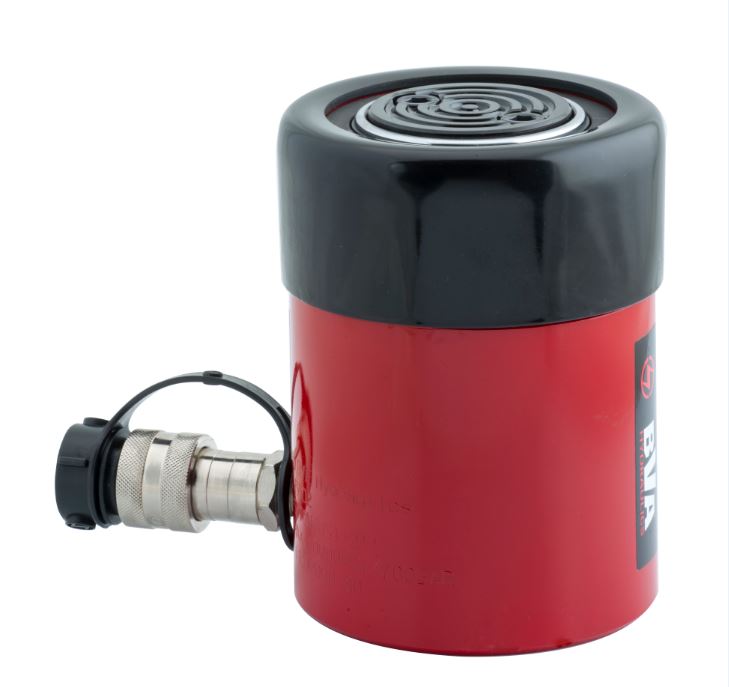
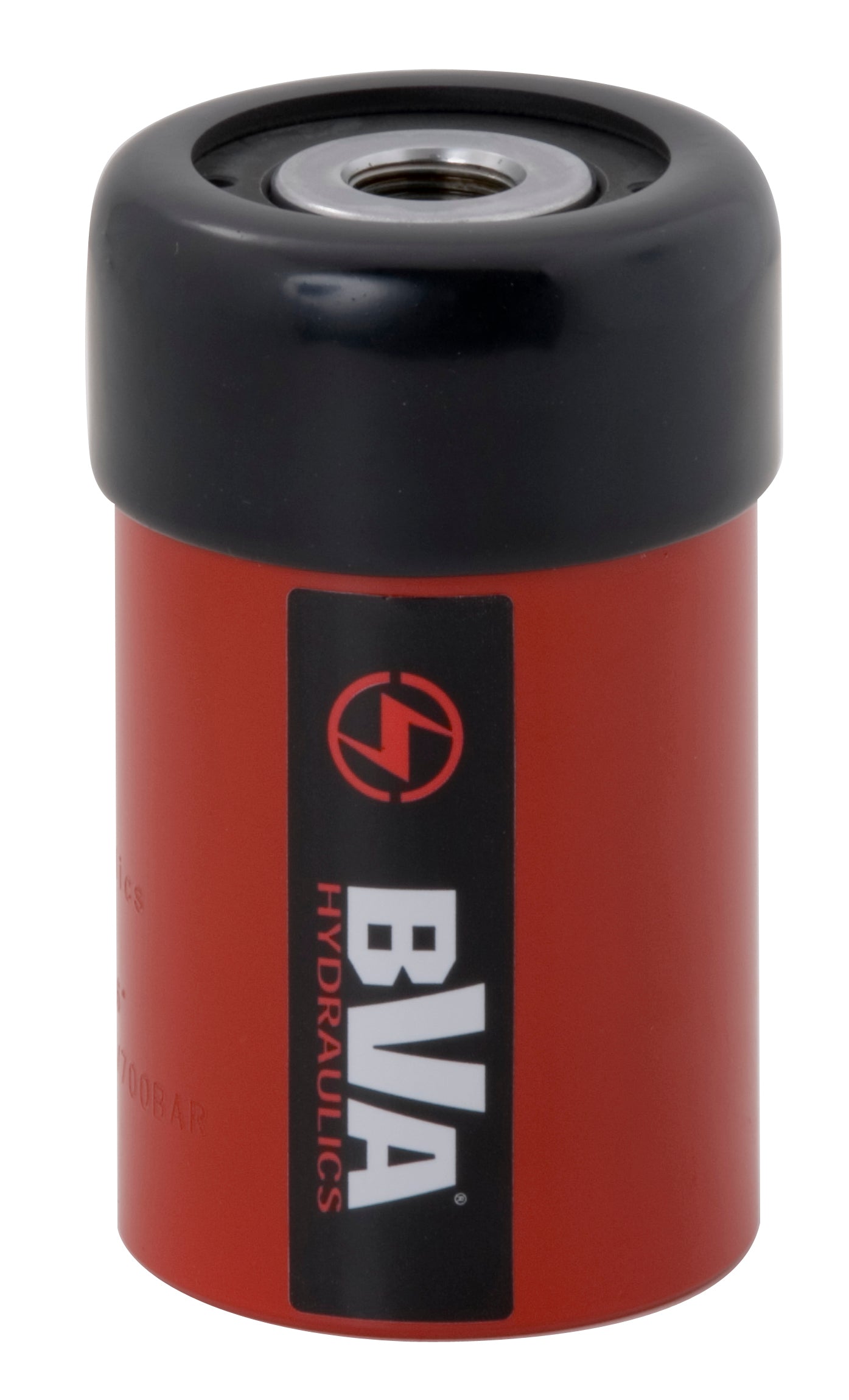
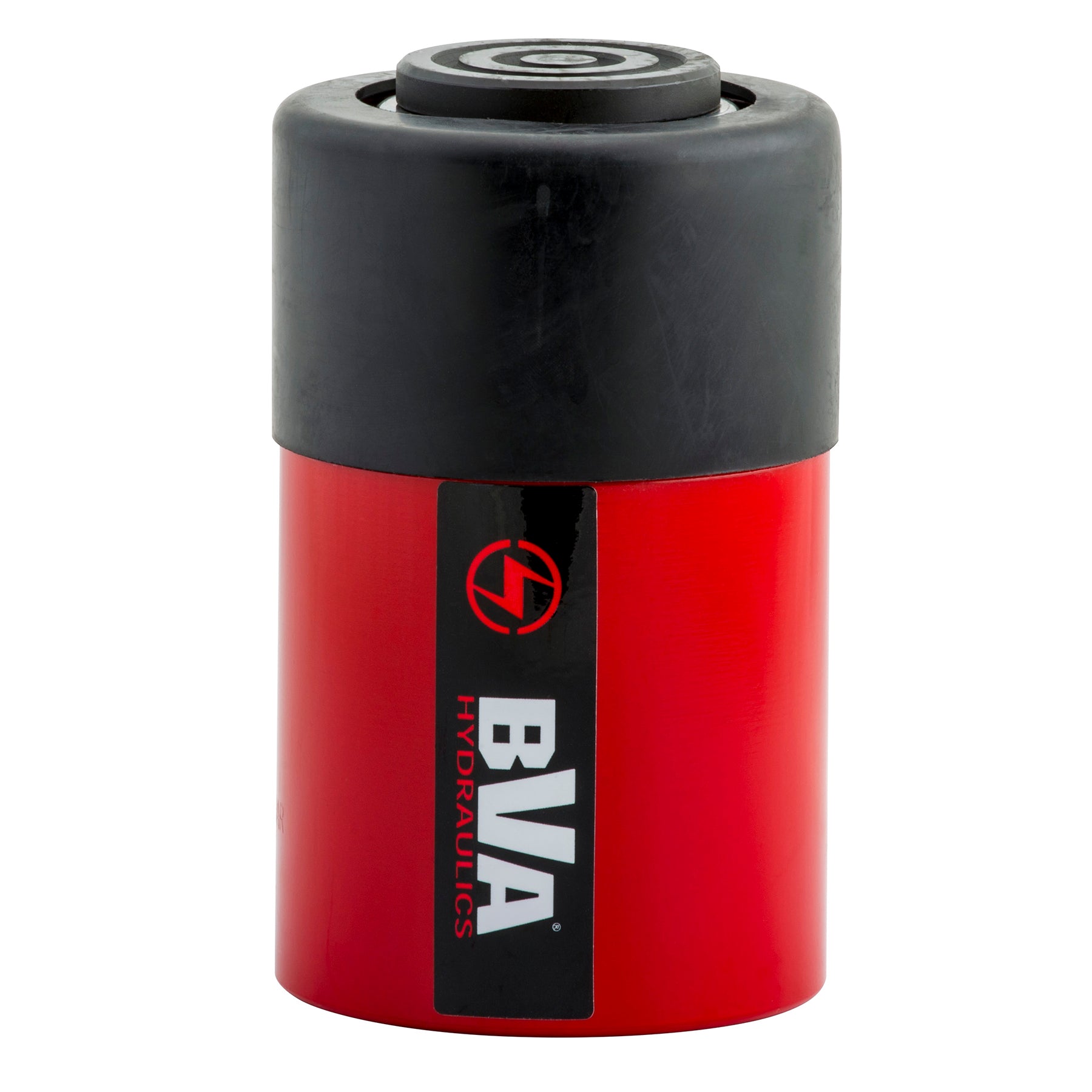
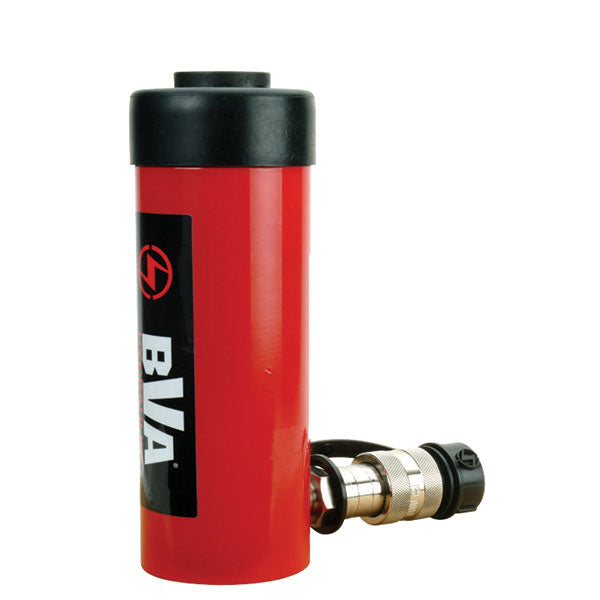
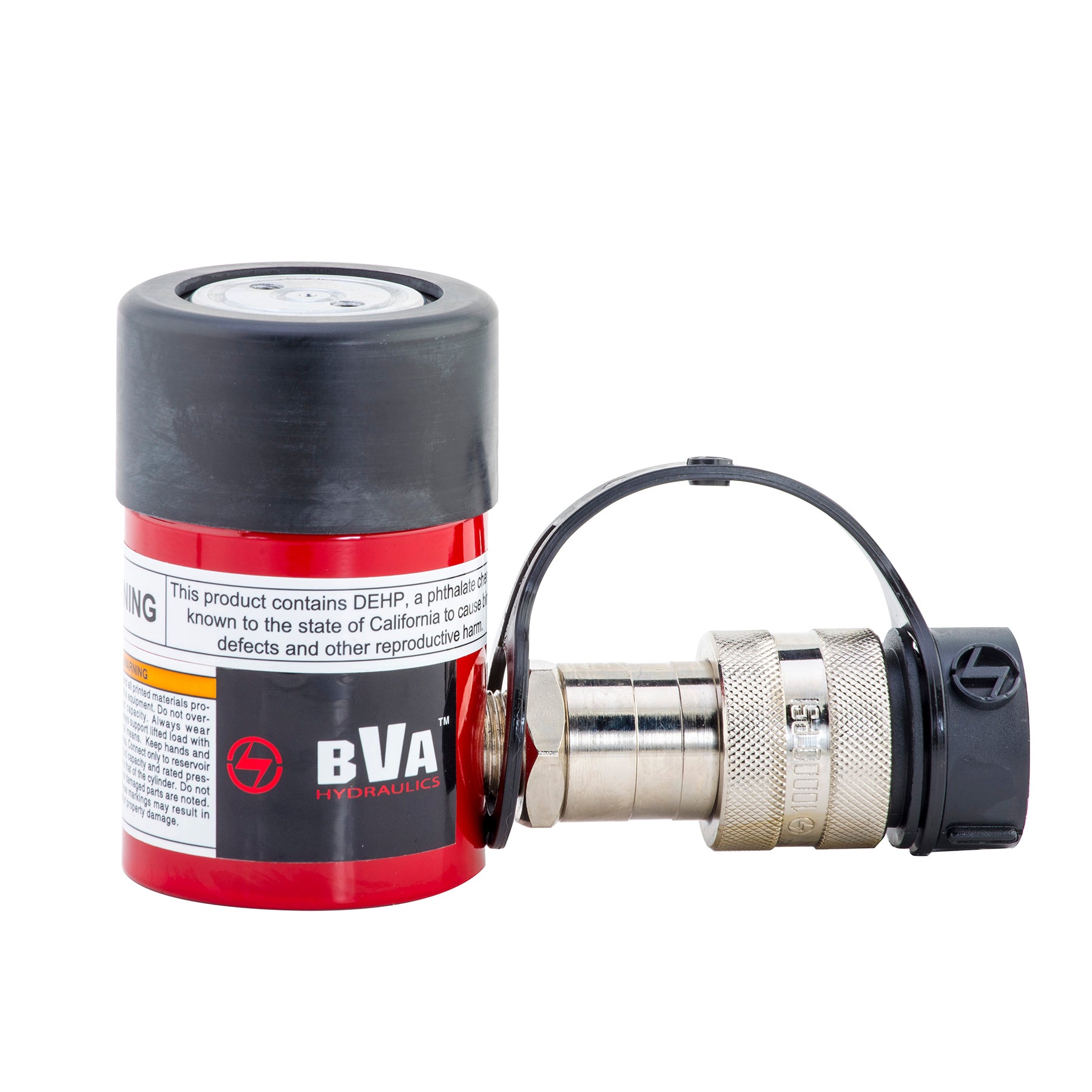
Hydraulic cylinders are the muscle of a high-pressure system: the ram that turns 10,000 psi of oil into a straight, controlled push measured in tons. This collection is the BVA Hydraulics cylinder line, sized from a 2 ton unit that drops in a toolbox up to a 120 ton ram that jacks a rail car, all built to the same 10,000 psi standard that Enerpac and Power Team work to. Every one is a solid one-piece alloy steel body with a hard chrome plated plunger, polyurethane U-cup seals, a snap-in grooved saddle, and collar and base mounting threads, so a BVA cylinder swaps in where a comparable RC or C-series ram came out. The choices that matter are tonnage, stroke, and body style: general purpose, low profile, flat body, hollow plunger, or lightweight aluminum, in single or double acting. Prices run from just under $300 for the 2 ton size up into the low four figures for the big rams. Use this page to size the right one.
Compare Hydraulic Cylinders
| Model | Price | Capacity | |
|---|---|---|---|
| BVA Hydraulics 100 Ton Hydraulic Cylinders | $3,282 | 100 ton | View → |
| BVA Hydraulics 60 Ton Hydraulic Cylinders | $2,628 | 60 ton | View → |
| BVA Hydraulics 120 Ton Hydraulic Cylinders | $2,007 | 120 ton | View → |
| BVA Hydraulics 30 Ton Hydraulic Cylinders | $1,596 | 30 ton | View → |
| BVA Hydraulics 55 Ton Hydraulic Cylinders | $1,415 | 55 ton | View → |
| BVA Hydraulics 20 Ton Hydraulic Cylinders | $1,214 | 20 ton | View → |
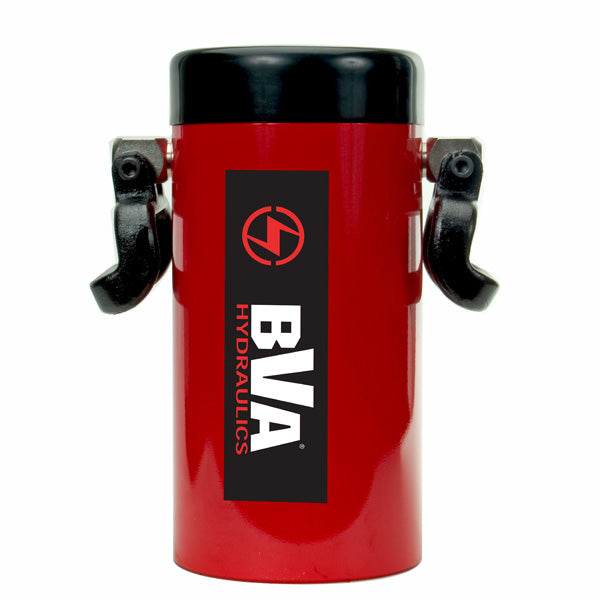 In Stock
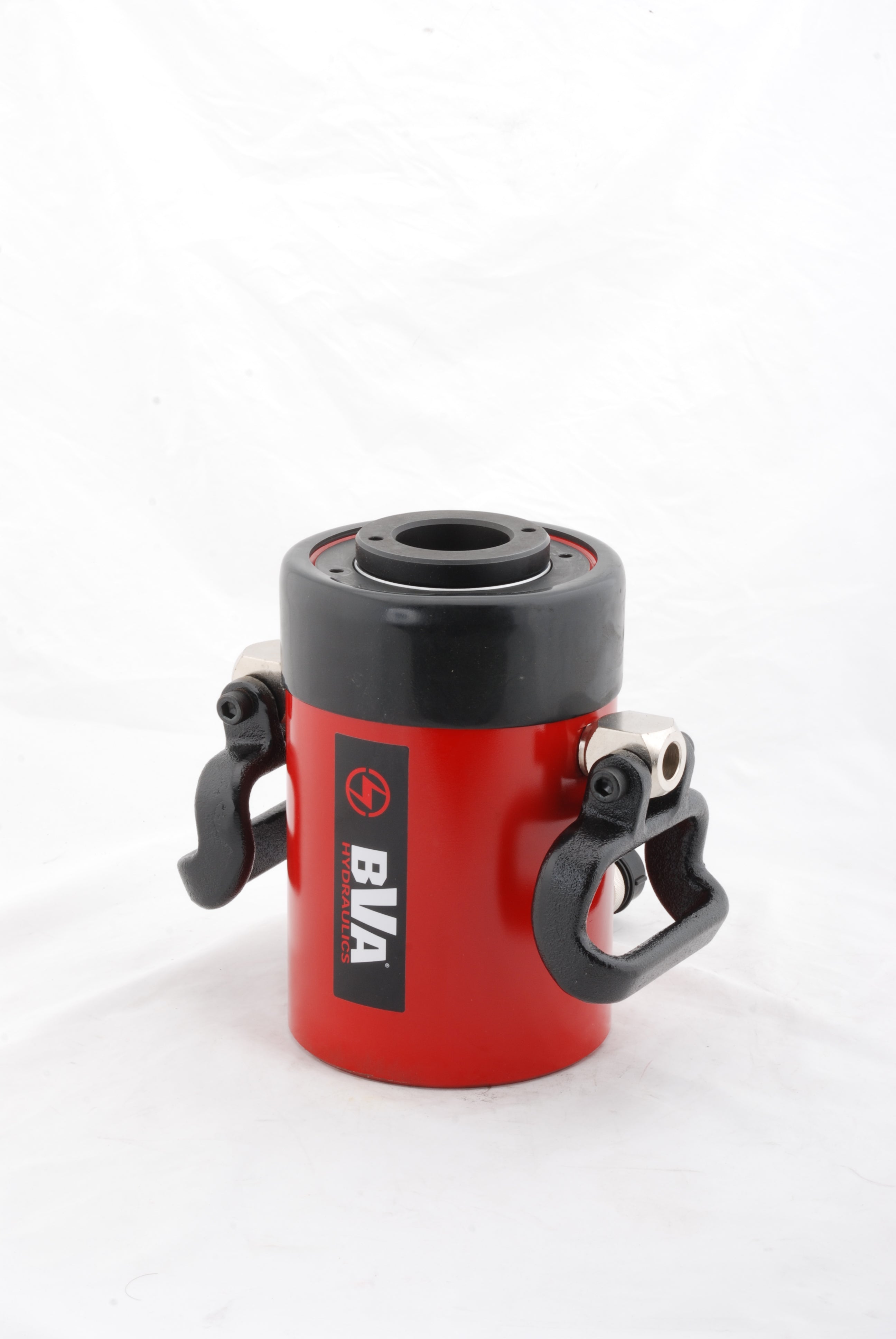 In Stock
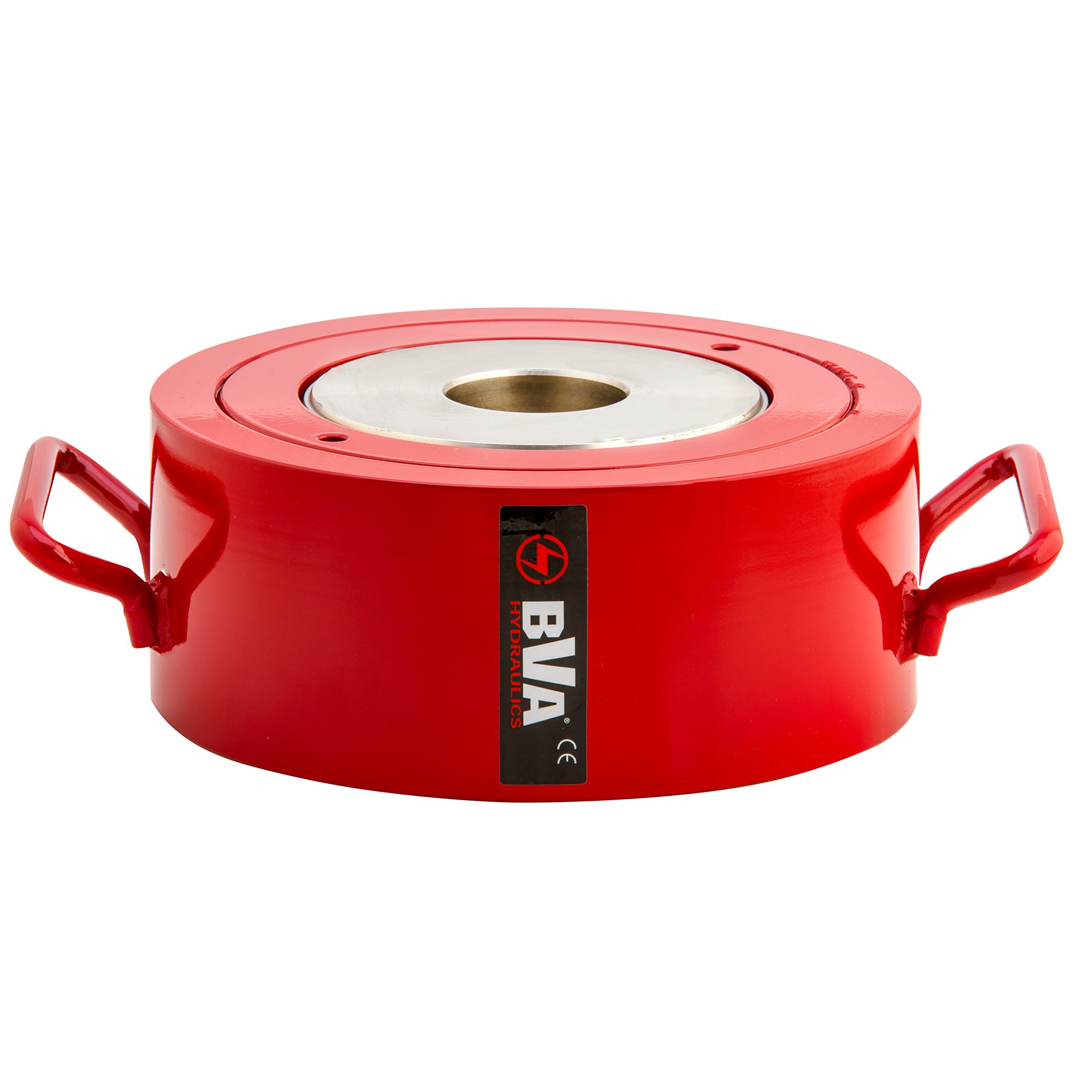 In Stock
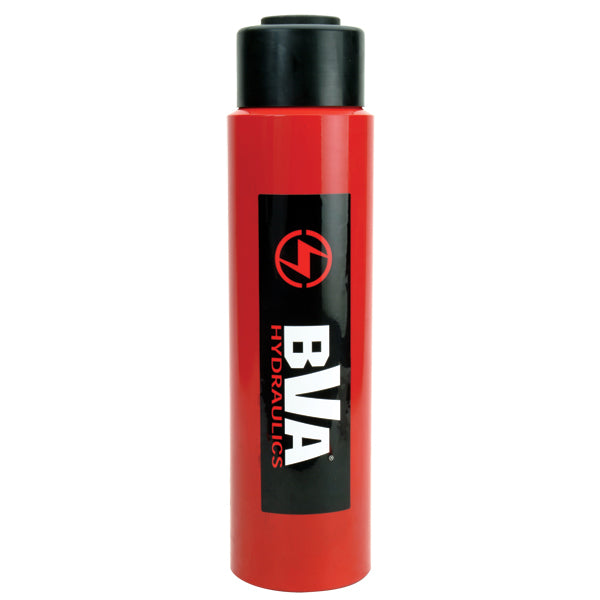 In Stock
 In Stock
 In Stock
 In Stock
 In Stock
 In Stock
 In Stock
 In Stock
 In Stock
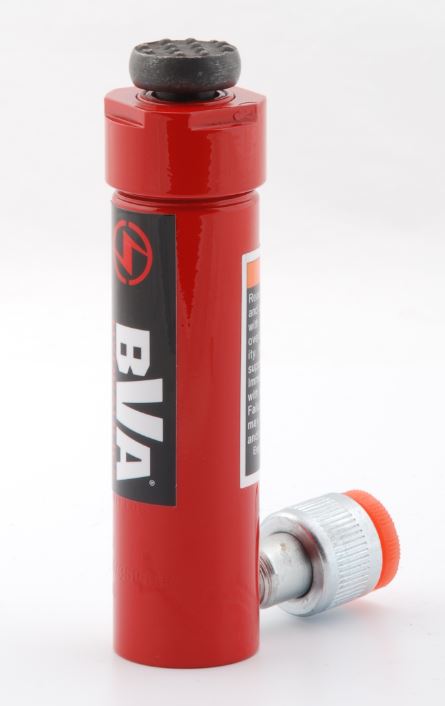 In Stock
Hydraulic Cylinders Buying Guide
Tonnage first, and always with margin. Every cylinder here is rated in tons, from 2 up to 120, and capacity is the first cut because it is the number you cannot fudge. Rate the cylinder above your heaviest real load with margin, never at it, the same rule that governs every lifting product we sell. Force is pressure times plunger area, so a bigger tonnage cylinder is physically a bigger bore, which is why the 100 ton ram dwarfs the 10 ton even at the same stroke. Do not round down to save a few hundred dollars: a cylinder worked at its ceiling runs hot, wears its seals fast, and leaves you no reserve when a load turns out heavier than the drawing said. If you lift at several points, remember each cylinder carries only its share of the weight, so size each corner to the worst-case split rather than dividing evenly and hoping.
Stroke is the second cut, and running short is the trap. Stroke is how far the plunger travels, and it is the second thing to settle. The BVA range runs from fractional flat-body strokes near a quarter inch up to 14 inch general purpose cylinders, and the trap is buying short. A cylinder that runs out of stroke mid-lift leaves you cribbing under the load, lowering, resetting the base higher, and starting the lift again, which doubles the work and adds a set-down every cycle. Measure the full travel the job needs and add clearance, then check the other direction: the collapsed height of a long-stroke cylinder is tall, and a 14 inch ram may not fit under the machine you are trying to raise. When headroom is the constraint, the answer is a low profile or flat body cylinder with a short stroke, not a taller one squeezed in at an angle.
Single acting or double acting. Most of the lifting cylinders here are single acting: oil pushes the plunger out, and a spring or the load itself pushes it back when you release pressure. They are lighter, cheaper, and use one hose, which is why they cover the bulk of jacking and pressing. A built-in stop ring keeps the plunger from over-traveling out of the bore, and it also helps the cylinder shrug off a little off-center load. Double acting cylinders, marked D/A in the model options, use oil to both extend and retract; you want them when you need a powered, controlled return, faster cycles, or a genuine pull rather than a push. They run two hoses and cost more, but on a 13 inch stroke ram that would drift back slowly on a spring, the powered return earns its keep. Match the choice to the motion the job needs, not to habit.
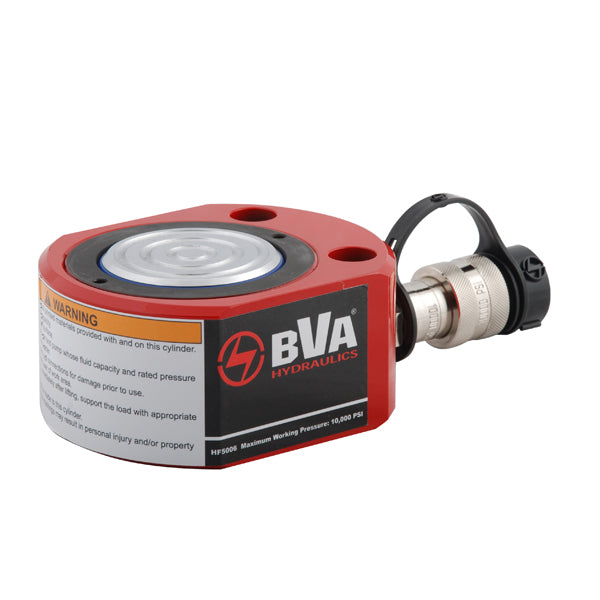
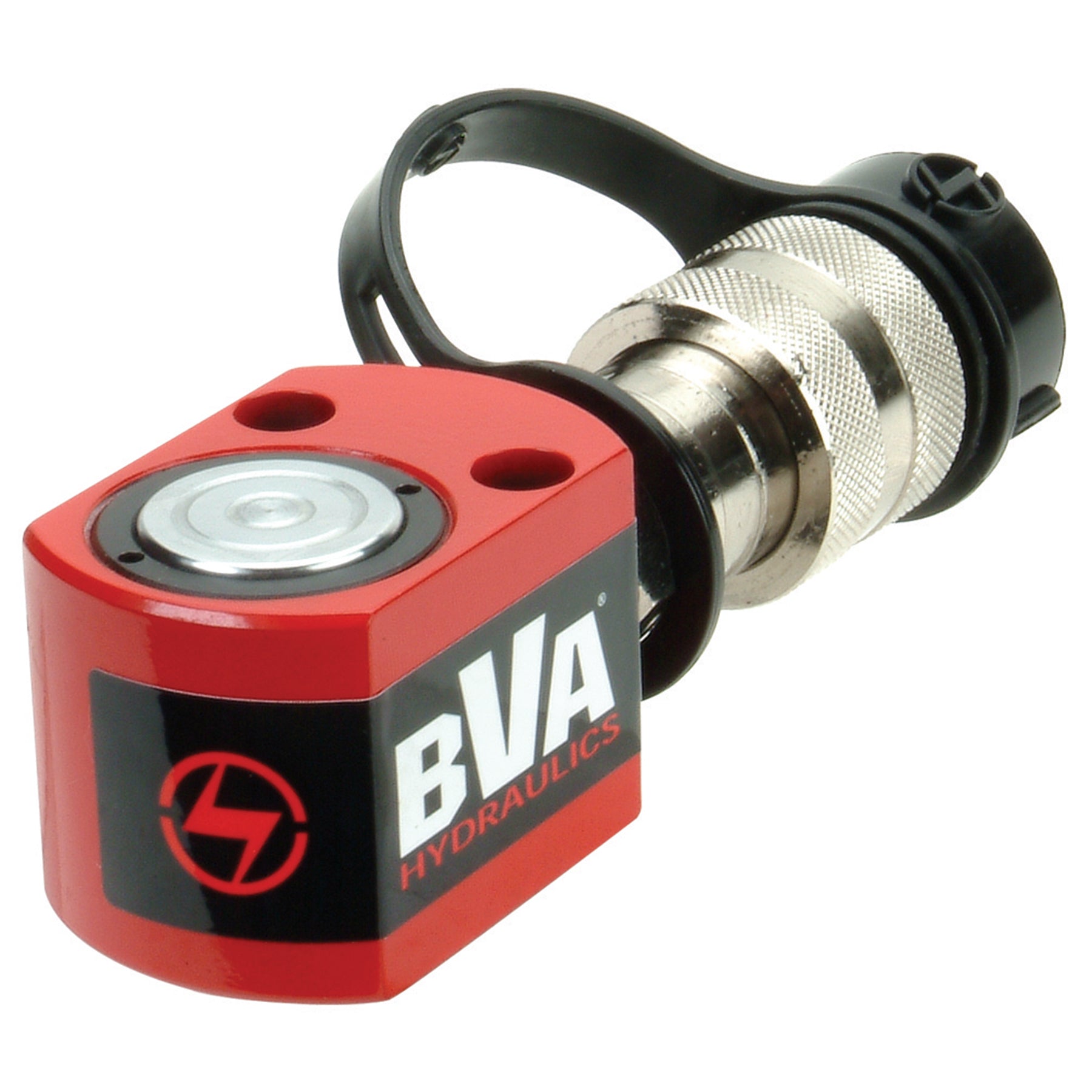
Body style: general purpose, low profile, flat, or aluminum. Beyond the standard general purpose cylinder, the model options open into shapes built for tight spots. Low profile and flat body cylinders trade stroke for a short collapsed height, the tool for getting a lifting point under a press, a die, or a machine base sitting almost flush on the floor. Aluminum body versions, offered on the 30, 50, and 60 ton sizes, cut the weight of a steel ram by roughly half for the same rating, which matters when one person carries the cylinder to a field job all day. The steel general purpose models stay the workhorse for shop and production use where weight is not the constraint and durability is. Pick the body style off the physical job first, the clearance you have and whether you carry the cylinder, then confirm stroke and tonnage inside that style.
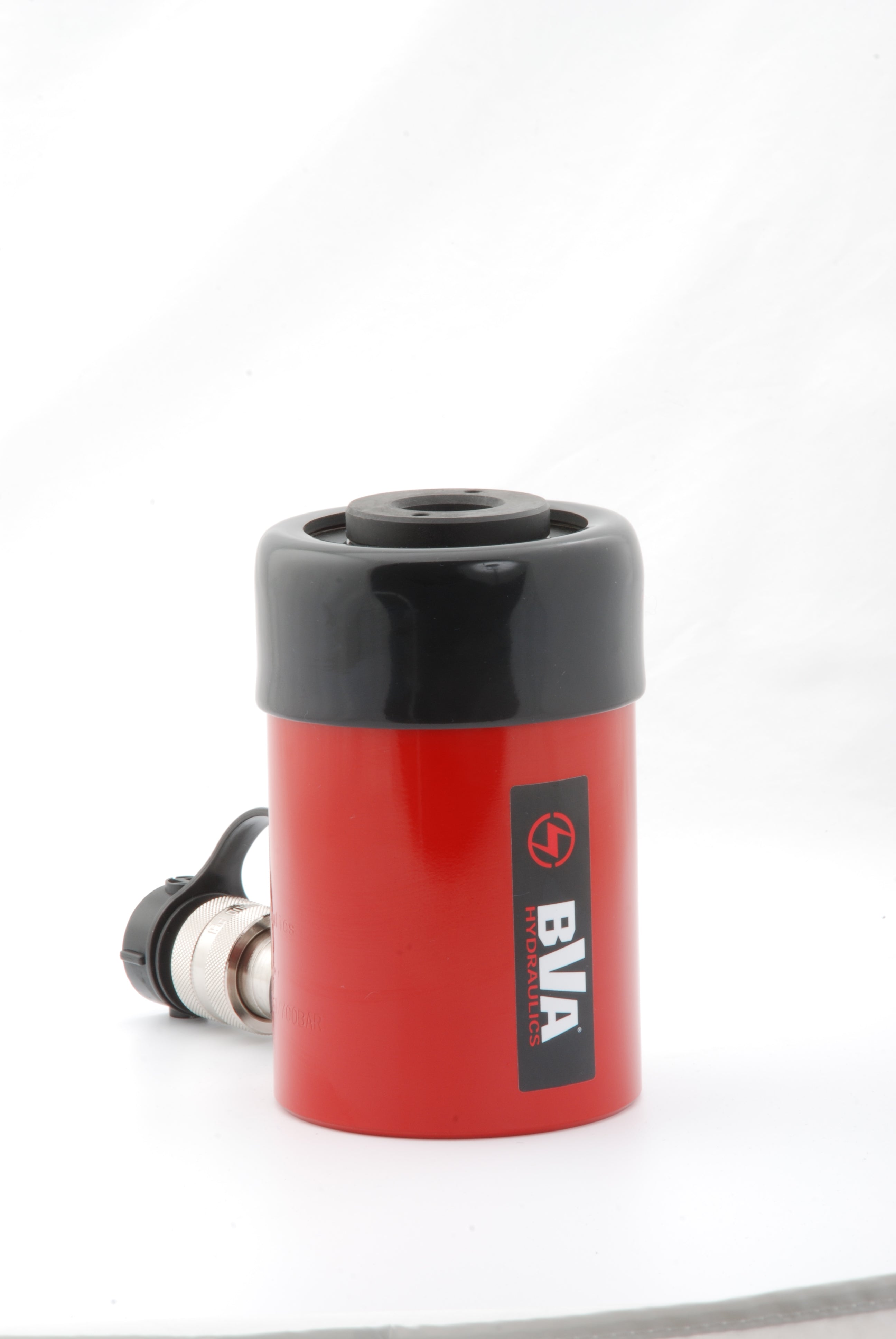
Hollow plunger cylinders pull as well as push. Several sizes here, marked Hollow Hole, have a center bore straight through the plunger, and that hole changes what the cylinder can do. A hollow plunger cylinder pulls as well as pushes: run a rod, stud, or cable through the center and it tensions bolts, tests to load, and draws seized bearings, gears, and shafts straight off without the hammer damage that ruins a shaft. It is the same tool a bolt-tensioning crew and a maintenance shop both reach for. Some models come with internal plunger threads and some without, so if you plan to thread an adapter or a puller attachment onto the plunger, check that detail before ordering rather than after.
Mounting, saddles, and the side-load rule. A cylinder pushes cleanly only in a straight line, so how you seat it decides whether it lasts. BVA cylinders ship with a snap-in grooved saddle on the plunger and collar and base mounting threads on the body, and the point of all of it is to keep the load centered and the base square. The plunger is built to push, not to take a sideways shove: off-center loading scores the plunger and blows the seals, which is the most common way a good cylinder dies young. Set the base on a solid, level footing that spreads the load, keep the load centered over the plunger, and if the surface cannot be square, a tilt saddle allows up to about 5 degrees of misalignment while keeping the push axial. Never use pipe, loose blocks, or an unstable stack as an extension between the plunger and the load.
Feeding it, and inspection under ASME B30.1. A cylinder is only as fast as the pump behind it, so pair it sensibly: a big-bore ram fed by a small hand pump works but tests your patience one stroke at a time, which is why the hydraulic power units collection matters as much as the cylinder choice. Whatever feeds it, a hydraulic jack falls under ASME B30.1, which asks for inspection before use and a documented periodic check: look for oil weeping at the plunger or fittings, a plunger that will not hold, damaged or illegible markings, and a bent or scored rod. Keep the coupler and dust caps clean, because a speck of grit in a 10,000 psi coupler is enough to score a seat, and store the cylinder with the plunger retracted so the exposed chrome stays protected. A cylinder that is inspected, fed right, and loaded square lasts for years.
Frequently Asked Questions
Start with the heaviest real load, add margin, and rate the cylinder above it, never at it. Force is pressure times plunger area, so tonnage sets the bore, and the range here runs 2 to 120 tons. If you lift at several points, size each cylinder for its worst-case share of the load rather than an even split, since a rigid load rarely divides its weight evenly across the picks.
Single acting cylinders extend under oil pressure and retract on a spring or the load, using one hose; they are lighter, cheaper, and cover most jacking and pressing. Double acting cylinders use oil to both extend and retract for a powered, controlled return, faster cycles, or pulling work. Most low-height BVA lifting cylinders here are single acting; step up to double acting when you need the powered return or a real pull.
It has a center hole through the plunger so it pulls as well as pushes. Run a stud, rod, or cable through the bore and it tensions bolts, tests to load, and draws seized bearings and gears off a shaft without hammering. Maintenance and bolt-tensioning crews rely on them; check whether the model has internal plunger threads if you plan to fit a puller or adapter.
In most cases yes. BVA builds to the same 10,000 psi standard as Enerpac and Power Team, and its general purpose cylinders are dimensioned to cross-reference common RC and C-series models, so a BVA ram swaps into an existing pump, hose, and coupler set. Confirm the specific model's tonnage, stroke, and mounting against the ram you are replacing before you order.
Only a little. The plunger is designed to push in a straight line, and off-center loading scores it and blows the seals. Keep the load centered over the plunger and the base square on a solid footing. When the surface cannot be square, a tilt saddle allows up to about 5 degrees of misalignment while keeping the push axial; past that, re-level the base rather than trusting the cylinder to absorb the angle.