Hydraulic Hose Fittings
Hydraulic hose fittings, couplers, and the oil that runs through them are the small parts a 10,000 psi system quietly depends on, and this collection is where the BVA Hydraulics versions live. It is the accessories bin under the pumps and cylinders: the fittings and quick couplers that tie a system together, the antiwear fluid that feeds the pump, and a purpose tool for the job a wrench cannot finish. The range is short and practical, from a gallon of hydraulic oil under seventy dollars up to a self-contained 4 ton maintenance set and a 15 ton nut splitter set in the low thousands. Nothing here lifts on its own. Everything here keeps the thing that lifts running, so use this page to top up, connect, and repair the system you already own.
Compare Hydraulic Accessories
| Model | Price | Type | Capacity | Model | |
|---|---|---|---|---|---|
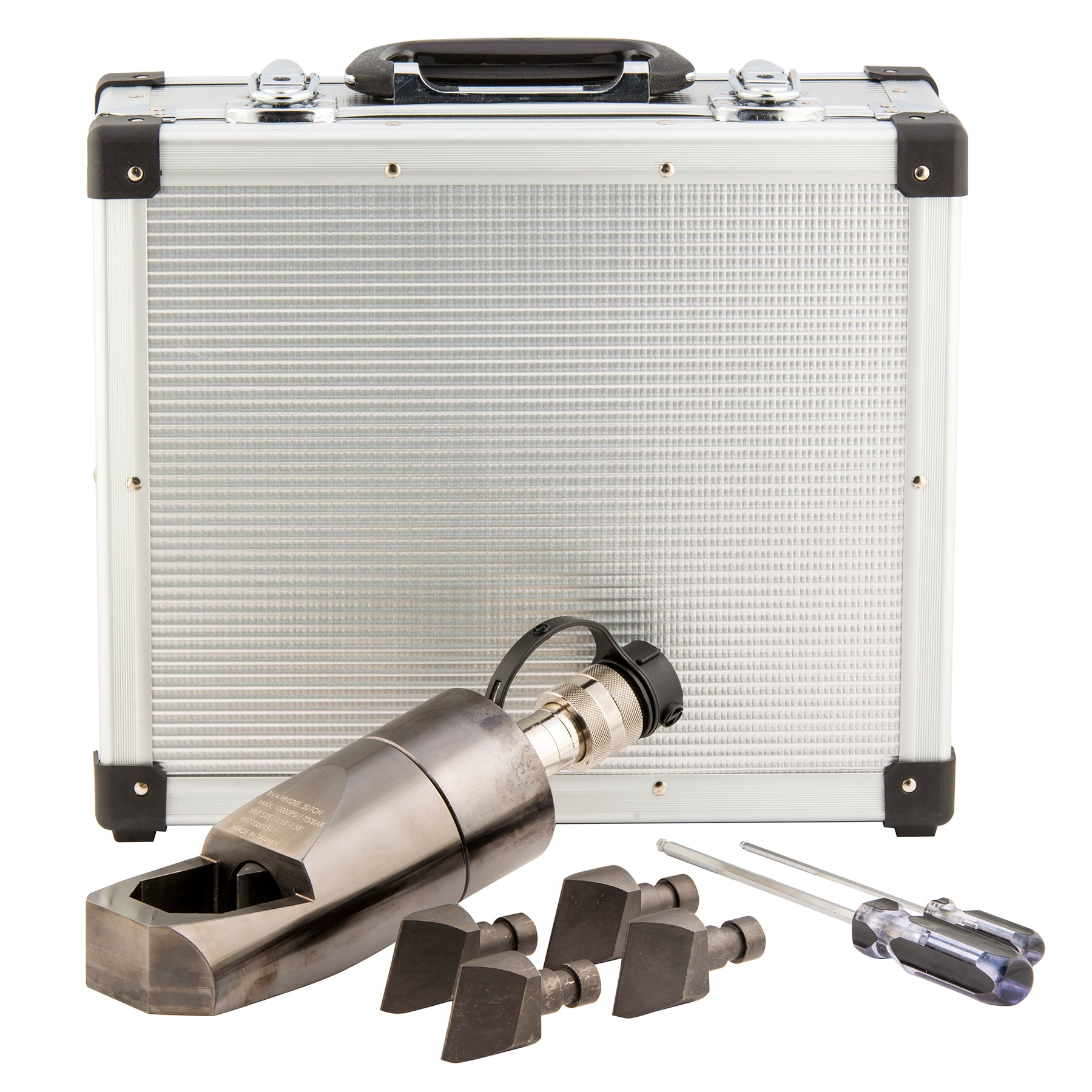
| BVA Hydraulics Nut Splitter Set | $2,443 | Hydraulic nut splitter set, aluminum case, 5 pcs wedges + 2 tools | 15-20 ton | 15-20 ton | View → |
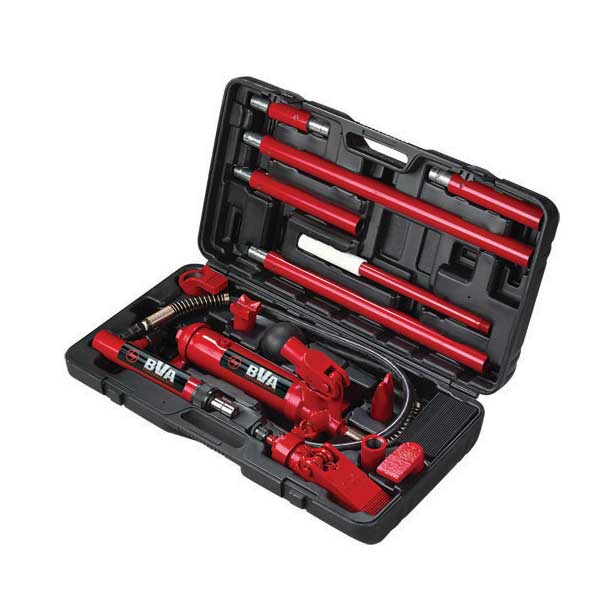
| BVA Hydraulics Hydraulic Maintenance Sets | $1,272 | — | 4-20 ton | — | View → |
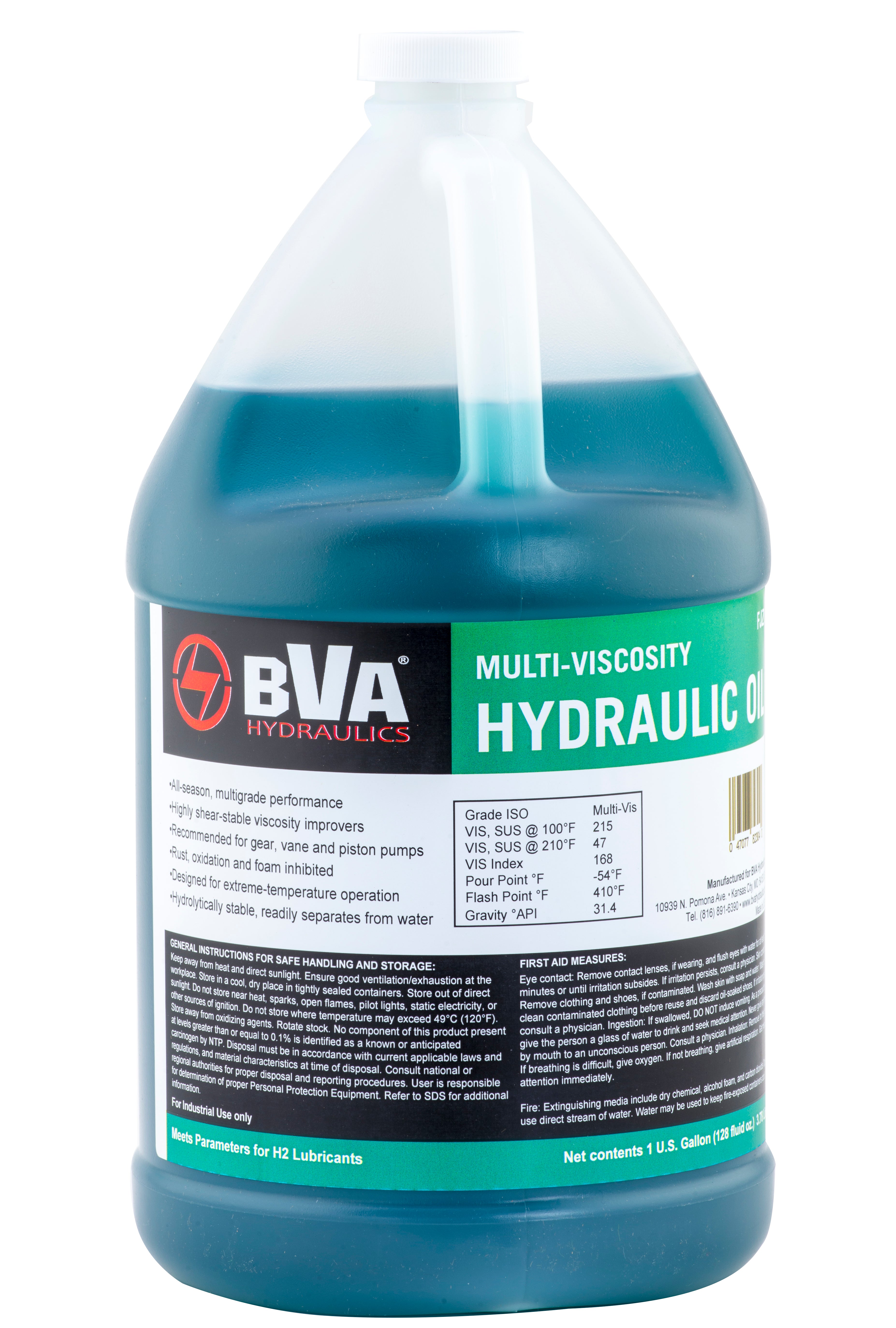
| BVA Hydraulics Shear Stable Multi-Viscosity Antiwear Fluid | $69 | Multi-viscosity antiwear hydraulic oil, all-season/multigrade | — | FJZ01 | View → |
Hydraulic Accessories Buying Guide
Fittings and couplers are the connection layer. At 10,000 psi the fitting is not a minor part. The quick couplers and hose fittings that join a pump to a cylinder carry the full working pressure, so they follow the same high-pressure coupler standard the industry built around the Enerpac C-604 interchange, and a coupler from one 10,000 psi line generally threads to another. Two habits matter more than the part number. Keep the dust caps on, because a speck of grit pulled into a coupler at this pressure scores the seal it is meant to protect and starts a leak that gets worse under load. And confirm the coupler style before you buy, since a half that will not seat is a system that will not build pressure. These are the parts that connect a hydraulic power unit to the cylinder it drives through a hydraulic hose.
The maintenance set is a working system in a case. The 4 ton maintenance set, a little over twelve hundred dollars, is the accessory that is really a whole small system. Sets like this pair a cylinder with the pump, hose, coupler, and gauge that turn it into a portable kit you can carry to a stuck machine and put to work, rather than assembling those pieces one order at a time. Buy the set when you want a self-contained repair and maintenance capability at a known tonnage. Buy the individual cylinder, pump, and line separately when you are building a specific system and already know the sizes you need.
The fluid is the part people cheap out on. The shear-stable multi-viscosity antiwear fluid, under seventy dollars a gallon, is not generic oil, and topping a 10,000 psi pump off with whatever is on the shelf is a false economy. It carries an antiwear additive package for high-pressure pumps, shear-stable viscosity improvers that hold their grade instead of thinning out in service, and rust, oxidation, and foam inhibitors that keep the pump and seals alive. It suits gear, vane, and piston pumps and works across a wide temperature range. Keep it clean going in, because contamination is the leading killer of hydraulic pumps, and match the fluid the pump maker calls for rather than mixing types.
The nut splitter is for the fastener a wrench lost. The 15 ton nut splitter set, in the mid two thousands, solves one specific problem: a large nut so seized or corroded that a wrench rounds it off first. Hydraulic pressure drives a hardened chisel into the flat face of the nut until the collar cracks, which frees it without cutting the bolt threads underneath, so the stud can be reused. Because it works by force rather than heat, it removes nuts with no flame or sparks, which matters on flange bolts near fuel, chemicals, or anything you cannot bring an open torch to. Reach for it on big flange and structural fasteners where cutting, grinding, or heating is slow, unsafe, or would ruin the bolt.
Frequently Asked Questions
Most likely, if your pump uses the common 10,000 psi high-pressure coupler standard, the same C-604 style interchange Enerpac and other high-pressure brands build to. Couplers in that class generally mate across brands. Check the coupler half and thread size on your pump before ordering, since a half that will not seat will not pass oil.
It is built around a 4 ton cylinder with the pump and connecting parts that make it a working portable kit. Confirm the exact contents on the product page or with a quote before you buy, since set composition can vary by configuration.
You should not. High-pressure pumps need an antiwear fluid with the right additives, and a shear-stable multi-viscosity oil holds its grade under load where a cheaper oil thins out. Match the fluid type the pump maker specifies and keep it clean, because contamination is the most common reason hydraulic pumps fail early.
When a large nut is seized or corroded enough that a wrench would round it off, and when heat is a bad idea. The splitter cracks the nut with a chisel driven by hydraulic pressure, freeing it without damaging the bolt threads and without the flame or sparks a torch brings near fuel or chemicals.
Yes, high-pressure hydraulic couplers in this class are rated to 10,000 psi to match the pumps and cylinders they connect. Keep the dust caps on when they are disconnected, since grit drawn into a coupler at that pressure scores the seals and starts a leak.