Beam Trolleys & Beam Clamps
A beam trolley or beam clamp is what actually puts your hoist on the steel, and this collection covers the suspension gear that hangs a chain block, lever hoist, or air hoist under an I-beam and, when you want it, rolls it along. The range runs from a $96 Bison beam clamp and a $109 Bison push trolley up through geared trolleys from CM, Harrington, and Bison, motorized trolleys to five ton, and specialist builds: low-headroom, food-grade, stainless, and spark-resistant models for washdown and hazardous bays. Brands here include Bison, CM, Harrington, OZ Lifting, William Hackett, and Tandemloc. The buying order is short. Decide first whether the hoist has to stay put or travel, then pick how that travel happens, then match the fitting to your beam flange and to the hoist capacity hanging below it. The guide works through that order and finishes on the ratings and inspection rules that keep the connection legal.
Compare Suspension Points
| Model | Price | Capacity | |
|---|---|---|---|
| Harrington MR-FG Dual Speed Food Grade Motorized Trolley | $7,084 | 1-2 ton | View → |
| Harrington SMRQ 1Ph Dual Speed Motorized Trolley | $7,023 | — | View → |
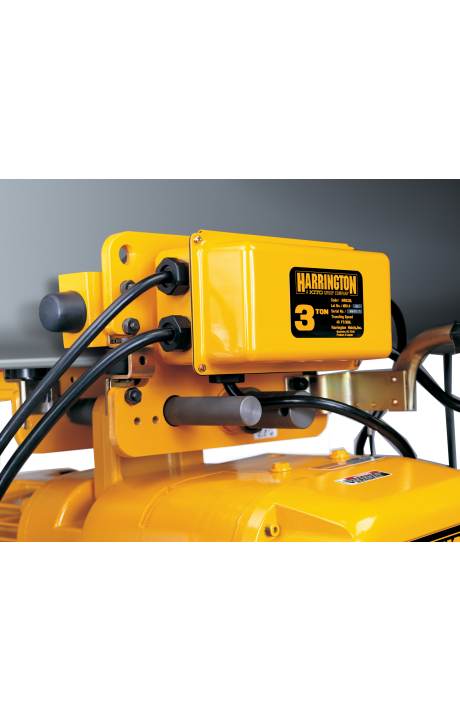
| Harrington SMR Single Phase Motorized Trolley | $6,046 | 1/4-3 ton | View → |
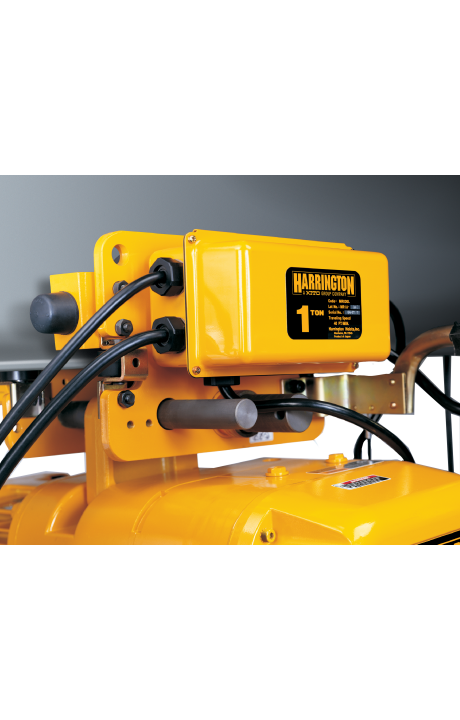
| Harrington MR Single Speed Motorized Trolley | $5,317 | 1-5 ton | View → |
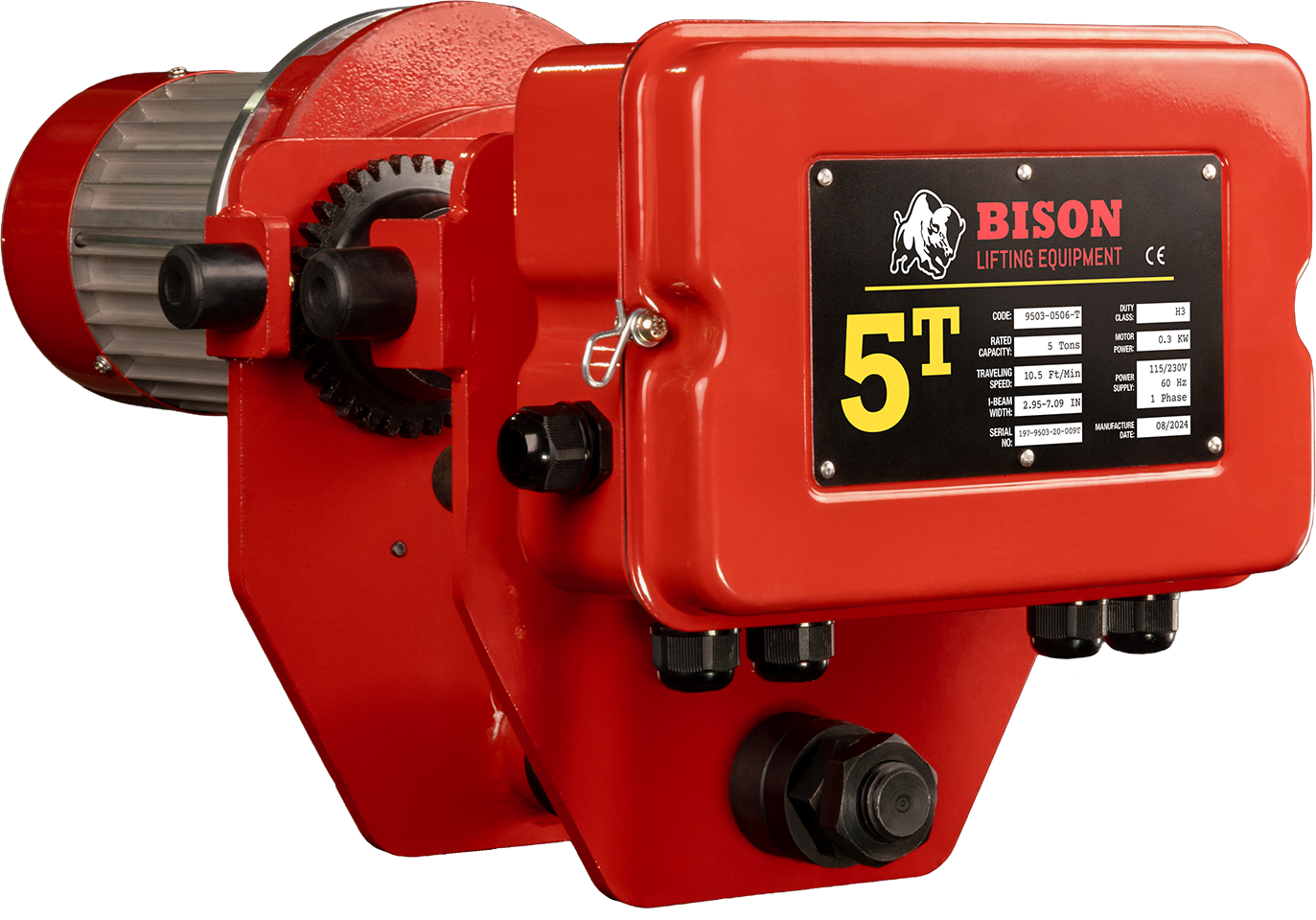
| Bison 5Ton Single Phase Motorized Trolley 115v/230v | $3,938 | 5 ton | View → |
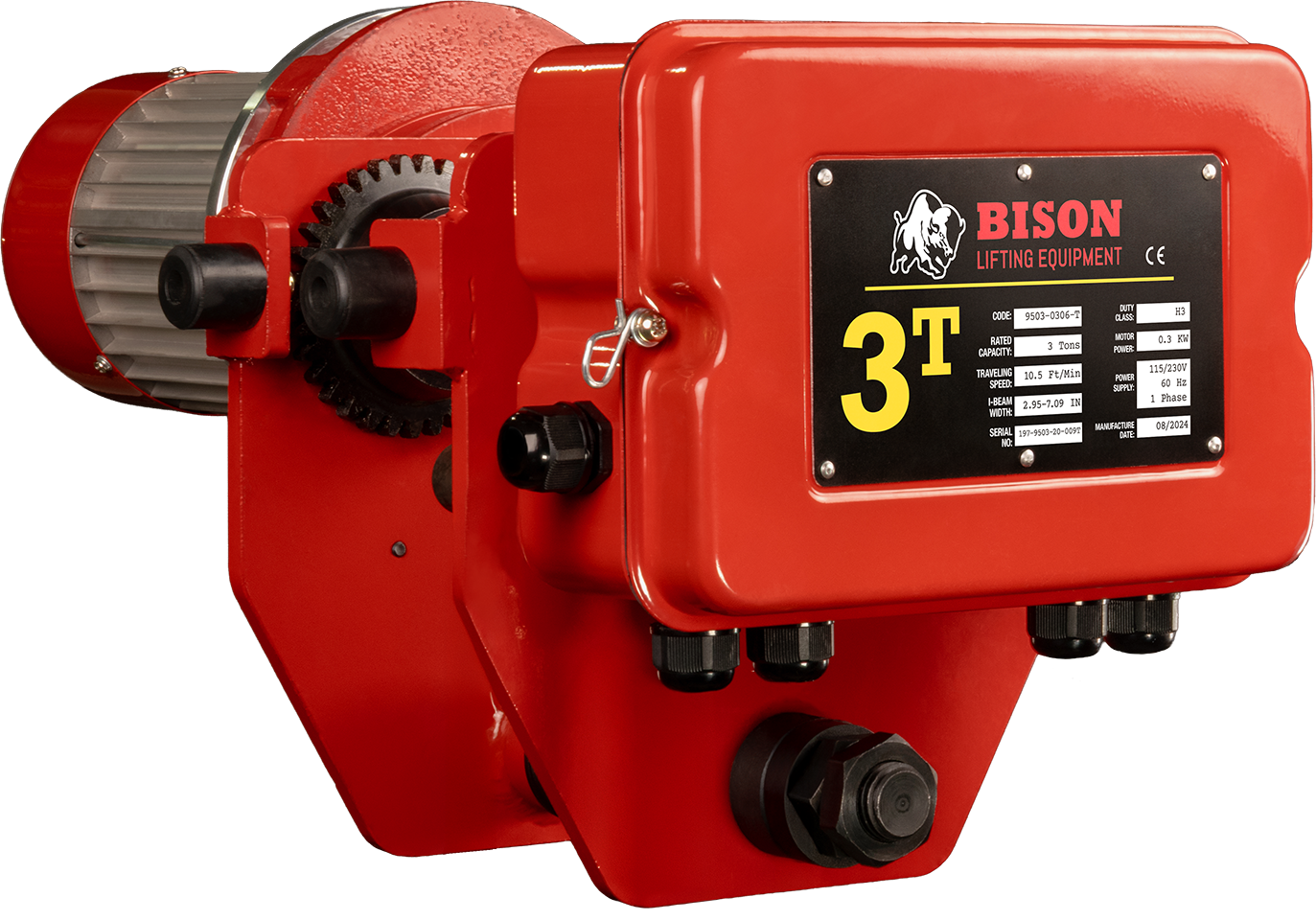
| Bison 3Ton Single Phase Motorized Trolley 115v/230v | $3,413 | 3 ton | View → |
 In Stock
 In Stock
 In Stock
 In Stock
 In Stock
 In Stock
 In Stock
 In Stock
 In Stock
 In Stock
 In Stock
 In Stock
 In Stock
 In Stock
 In Stock
 In Stock
 In Stock
 In Stock
 In Stock
 In Stock
 In Stock
 In Stock
 In Stock
 In Stock
 In Stock
 In Stock
 In Stock
 In Stock
 In Stock
 In Stock
 In Stock
Suspension Points Buying Guide
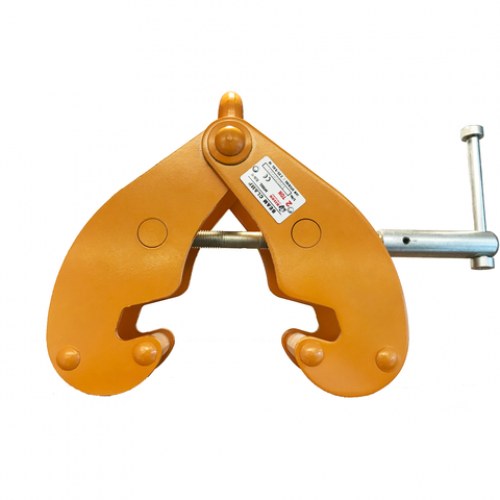
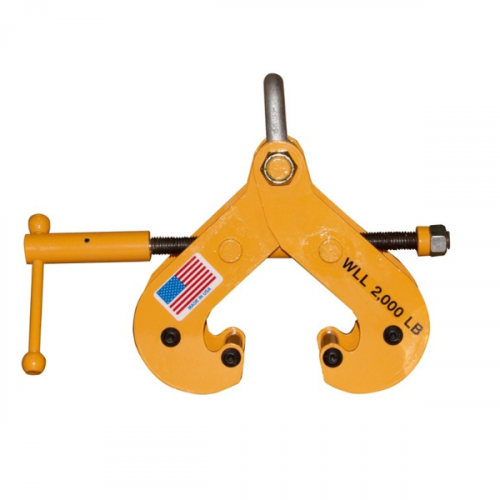
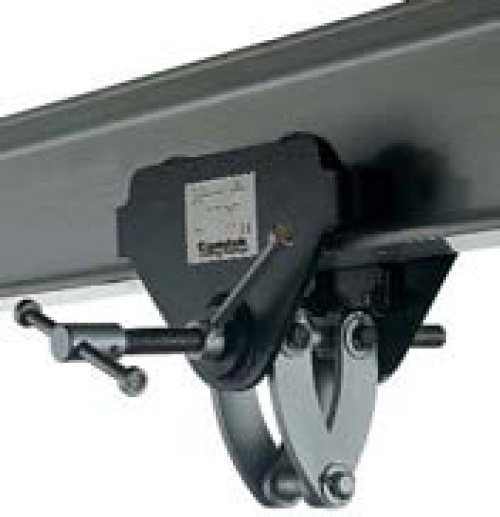
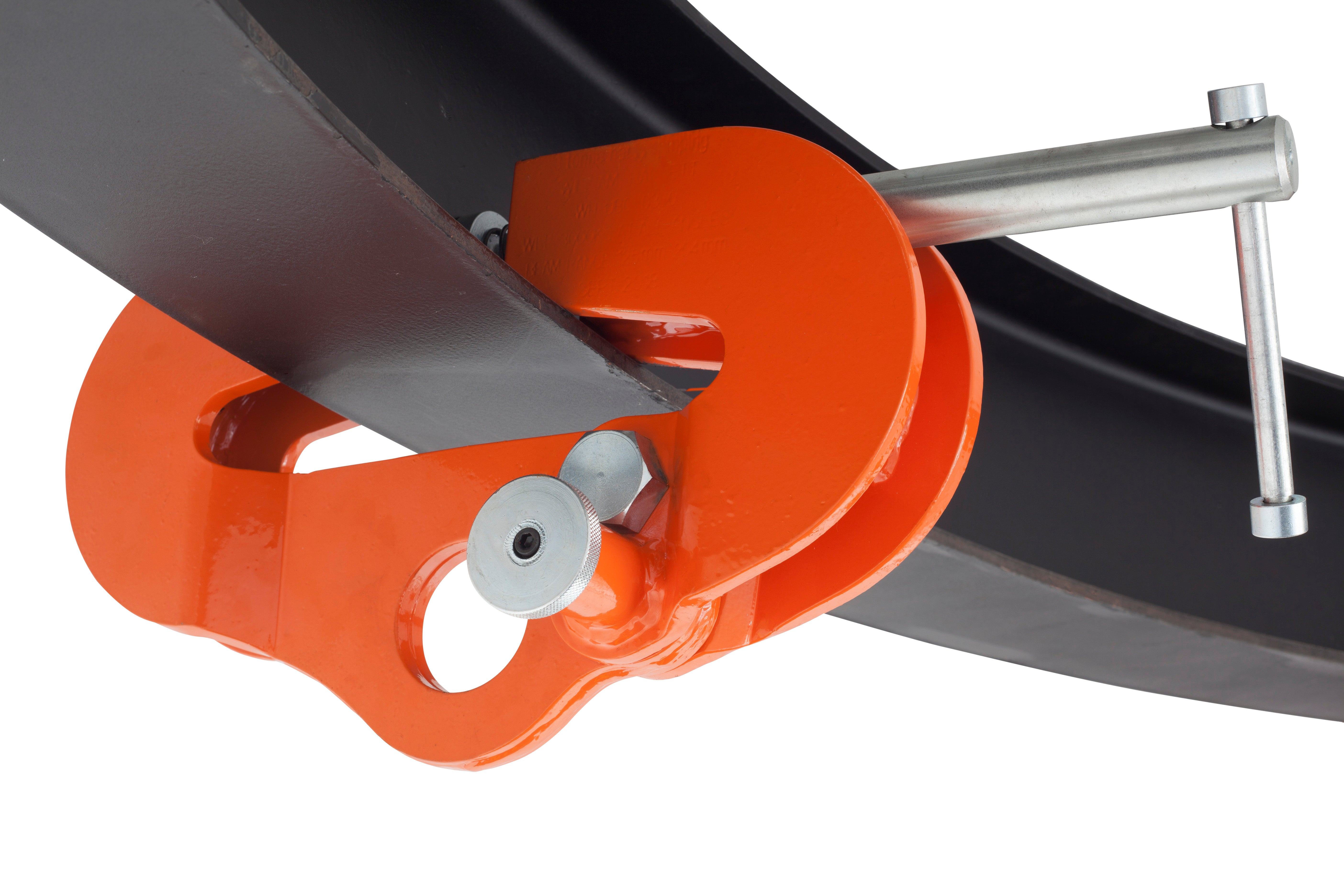
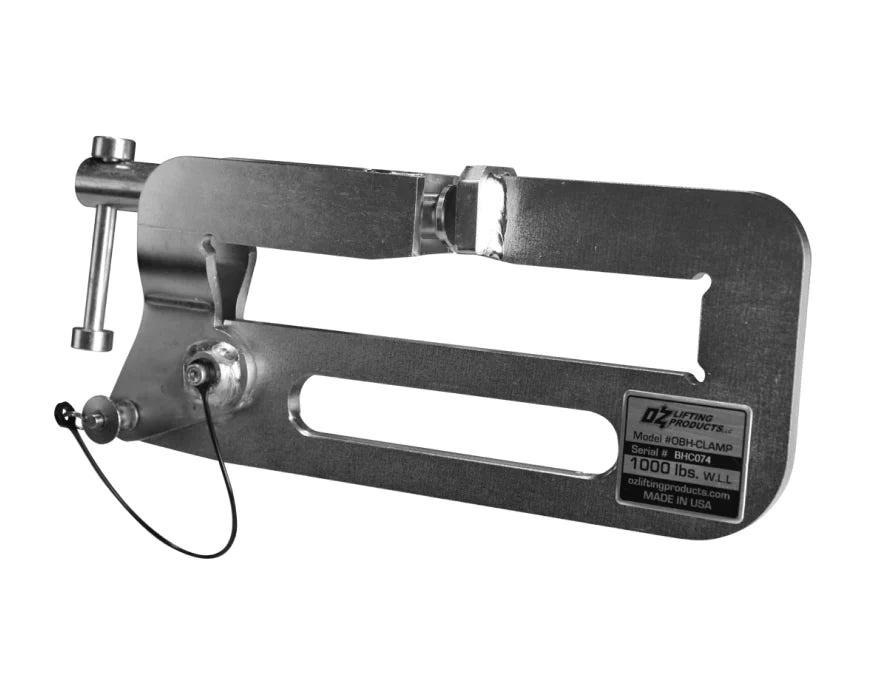
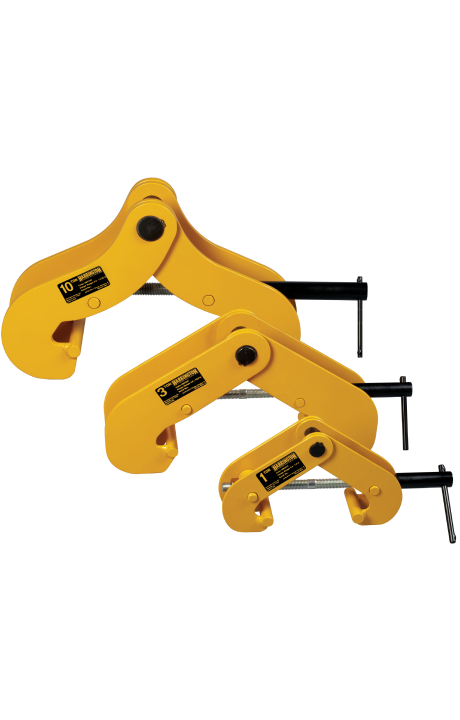
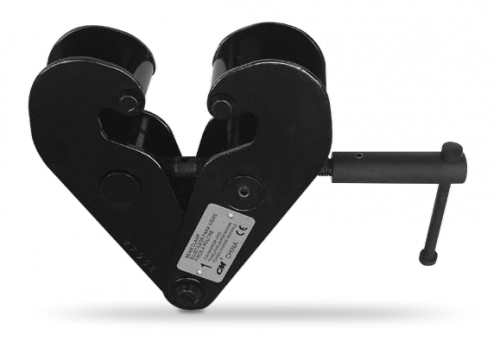
Fixed point or travel is the first decision. A beam clamp and a trolley answer two different needs. A beam clamp jaws onto the beam flange and creates one fixed lifting point in seconds, with no wheels and no travel, which is the right call for a single-spot pick, a temporary anchor, or a job that moves from beam to beam. The Bison beam clamp starts at $96 and covers 1 to 10 ton, the CM and Harrington UBC clamps sit in the same band, and the Tandemloc i-beam clamps run 2,000 to 10,000 lb for heavier fixed points. A trolley trades that simplicity for movement: it carries the hoist on wheels that ride the flange so the load can travel the length of the beam. If the load only ever comes straight up and down in one place, a clamp is cheaper and lighter. If it has to move along the steel, buy a trolley.
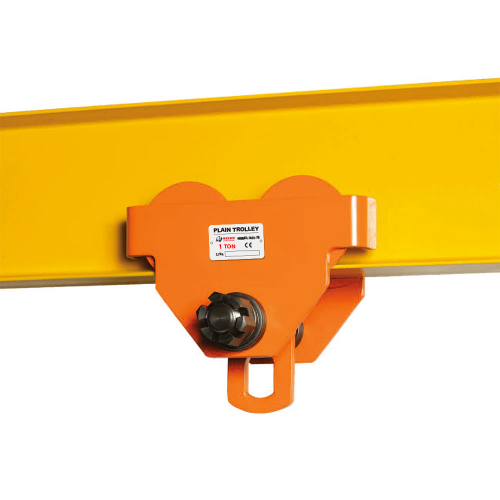
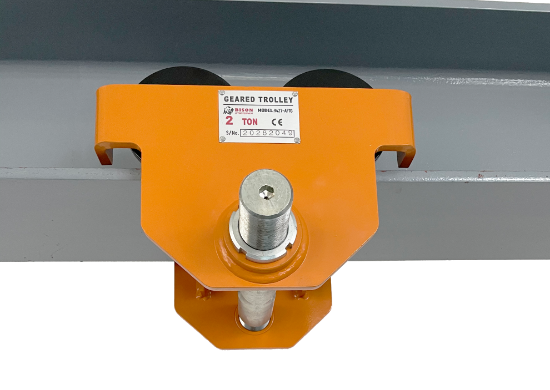
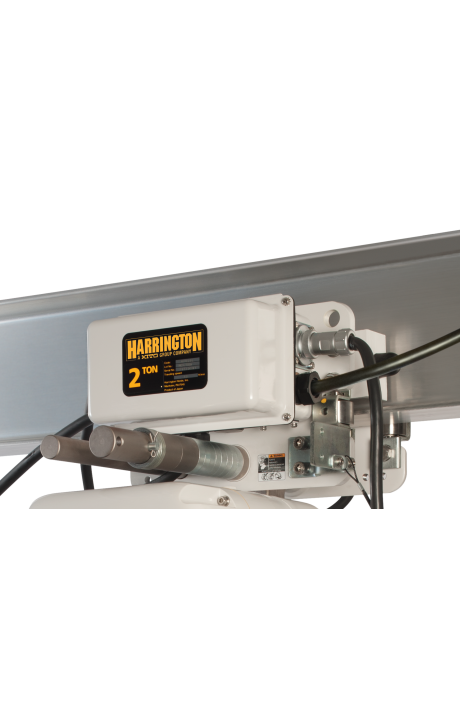
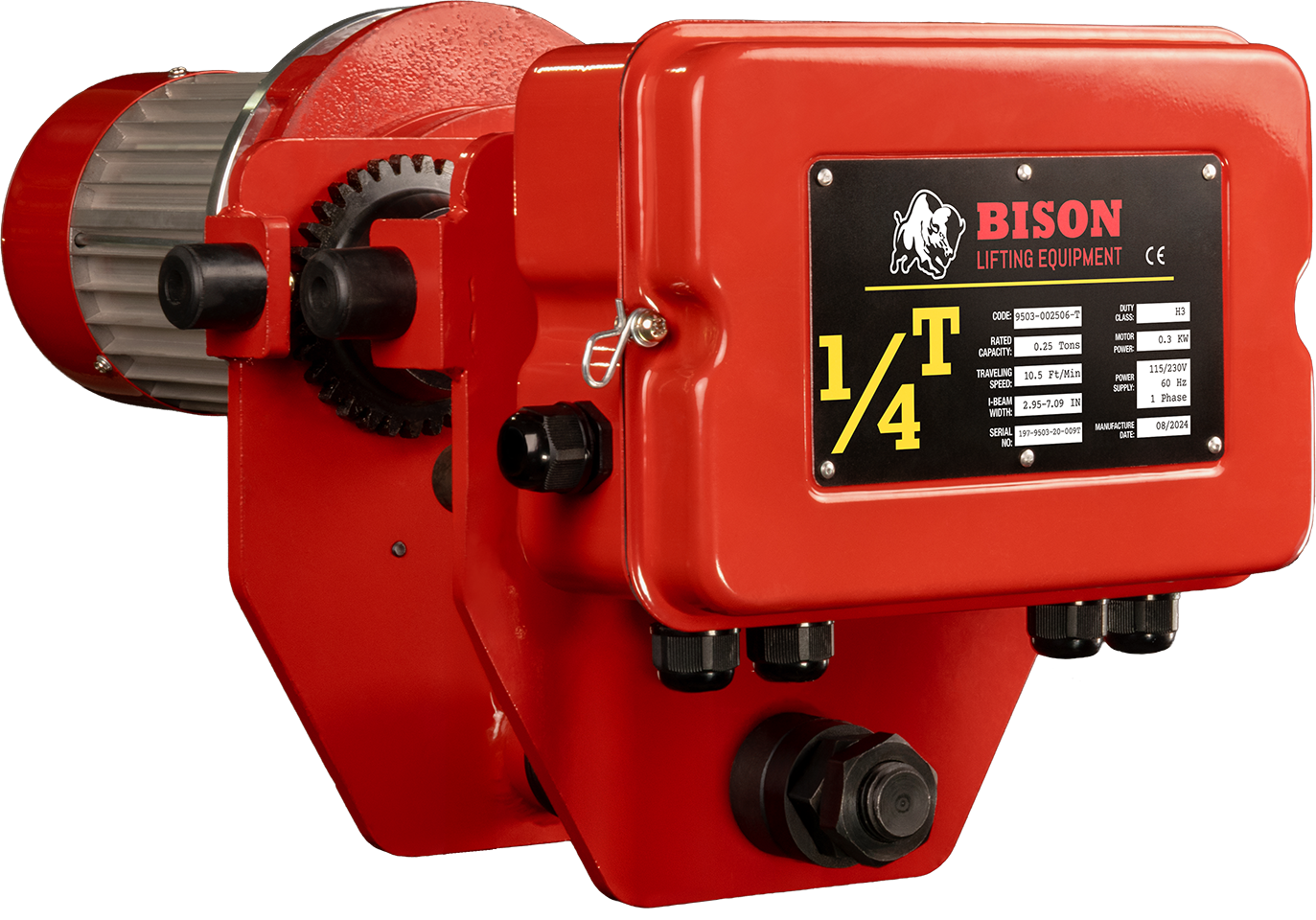
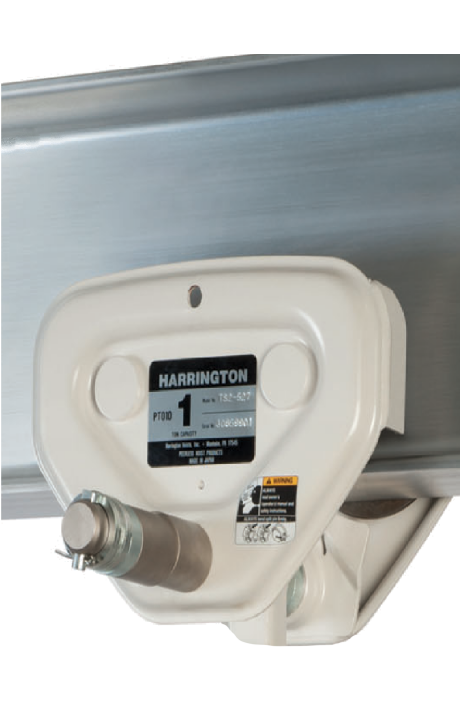
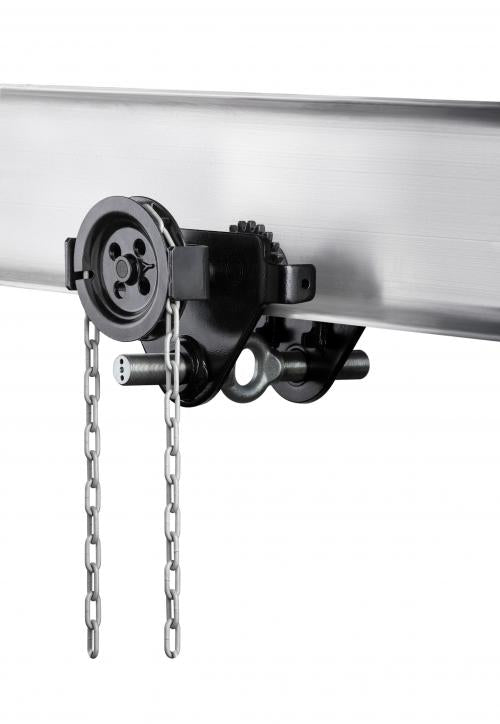
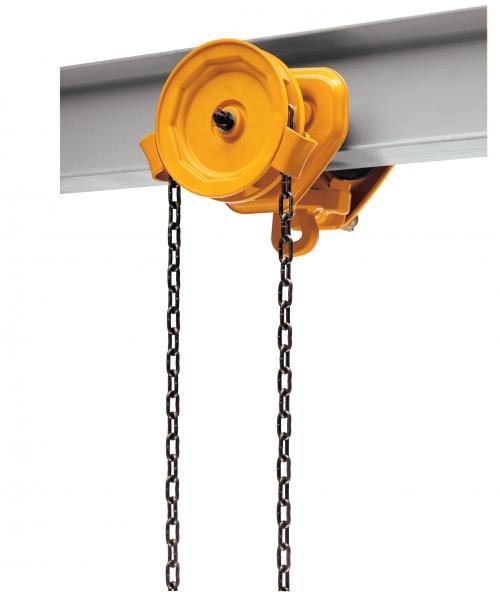
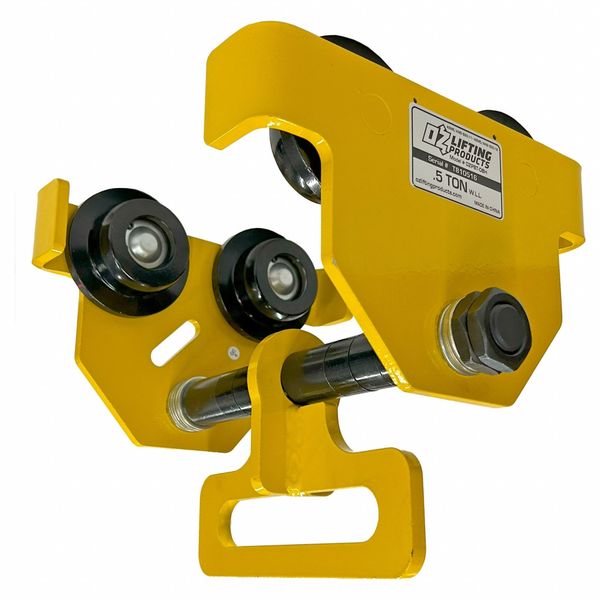
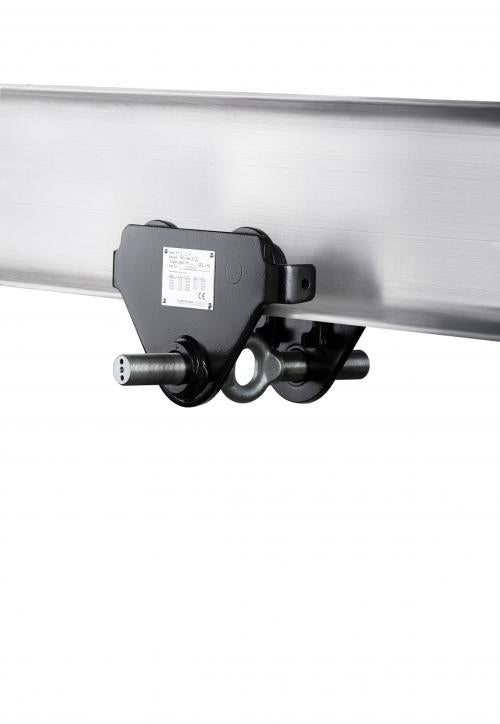
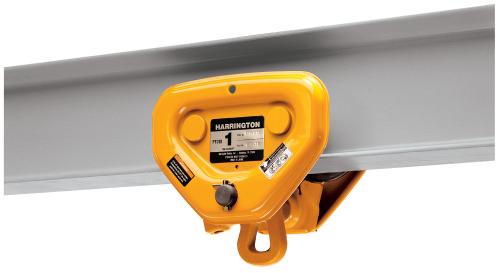
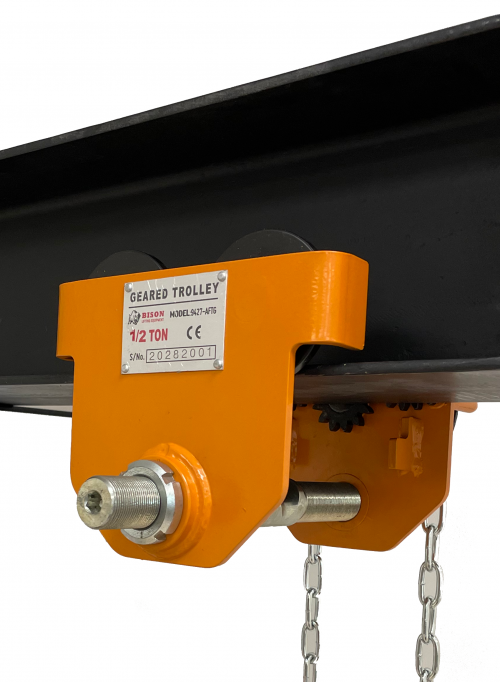
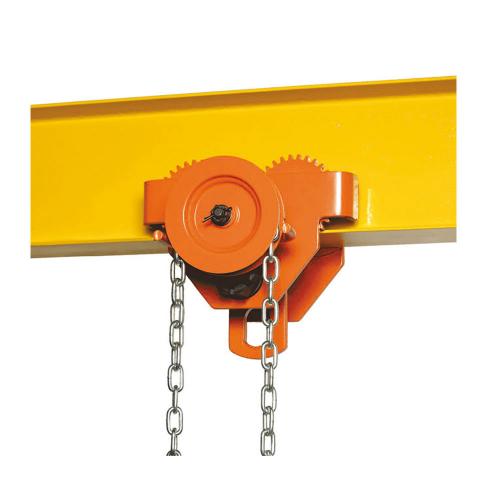
Push, geared, or motorized. Once you want travel, the drive sets the price and the control. A push (plain) trolley has no mechanism; the operator pushes the load and it rolls, which suits light loads, short spans, and occasional movement. The Bison push travel trolley starts at $109, the Harrington PT at $277, and the CM HTP at $289. A geared trolley adds a hand chain that turns the wheels through a gear reduction, giving controlled, precise positioning under heavier loads and at beam heights where a hand-push is awkward or unsafe; the Bison geared trolley starts at $168, with the CM HTG and Harrington GT above it. A motorized trolley powers the travel for production lines and repetitive moves, and the Bison single-phase units cover 0.25 to 5 ton, with Harrington's SMR, SMRQ, and MR series for heavier duty. The rule of thumb is push for light and occasional, geared for heavy or high and precise, motorized for frequent production travel. The trolley carries whatever manual chain hoist, lever hoist, or air hoist hangs below it, so settle the hoist first.
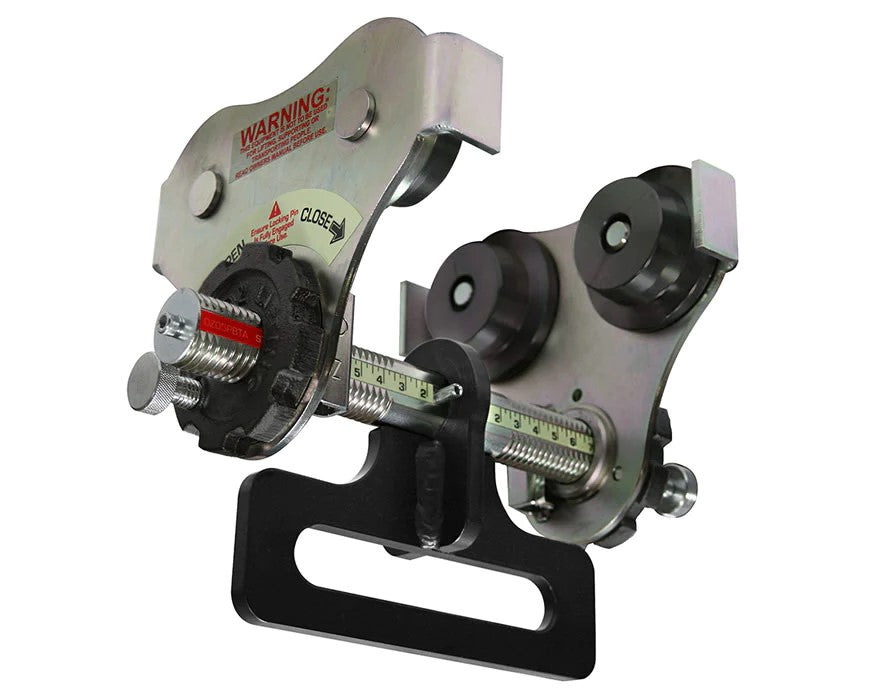
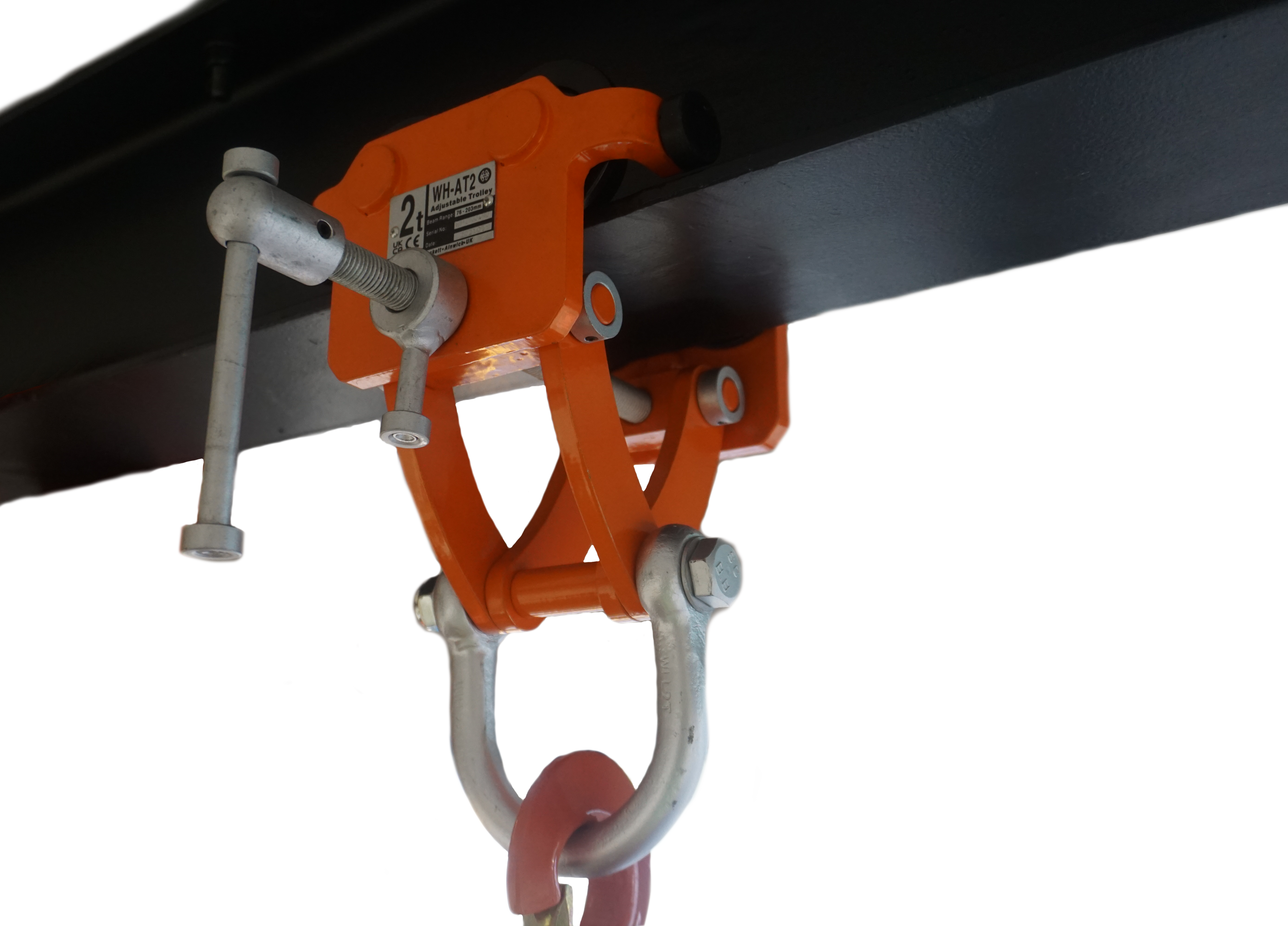
Match the trolley to the beam over the tonnage. Two numbers govern the fit, and a trolley that clears the capacity can still be wrong for the beam. First, capacity: rate the trolley for the whole hanging weight, the hoist plus the load plus the rigging below the hook. Second, flange: the trolley or clamp has to suit your beam's flange width and profile. Adjustable trolleys set their wheel spacing with spacer washers or a threaded shaft between the side plates, so one unit fits a range of widths, and the Bison ATP, CM, and Harrington trolleys here list the flange range each capacity covers, with the William Hackett WH-AT built as an adjustable unit. Watch the beam type too. A standard S-beam has tapered inner flange faces while a wide-flange (W) beam is flat, and the wheels have to suit whichever you have. Beams are named by height rather than flange width, so measure the flange before you order.
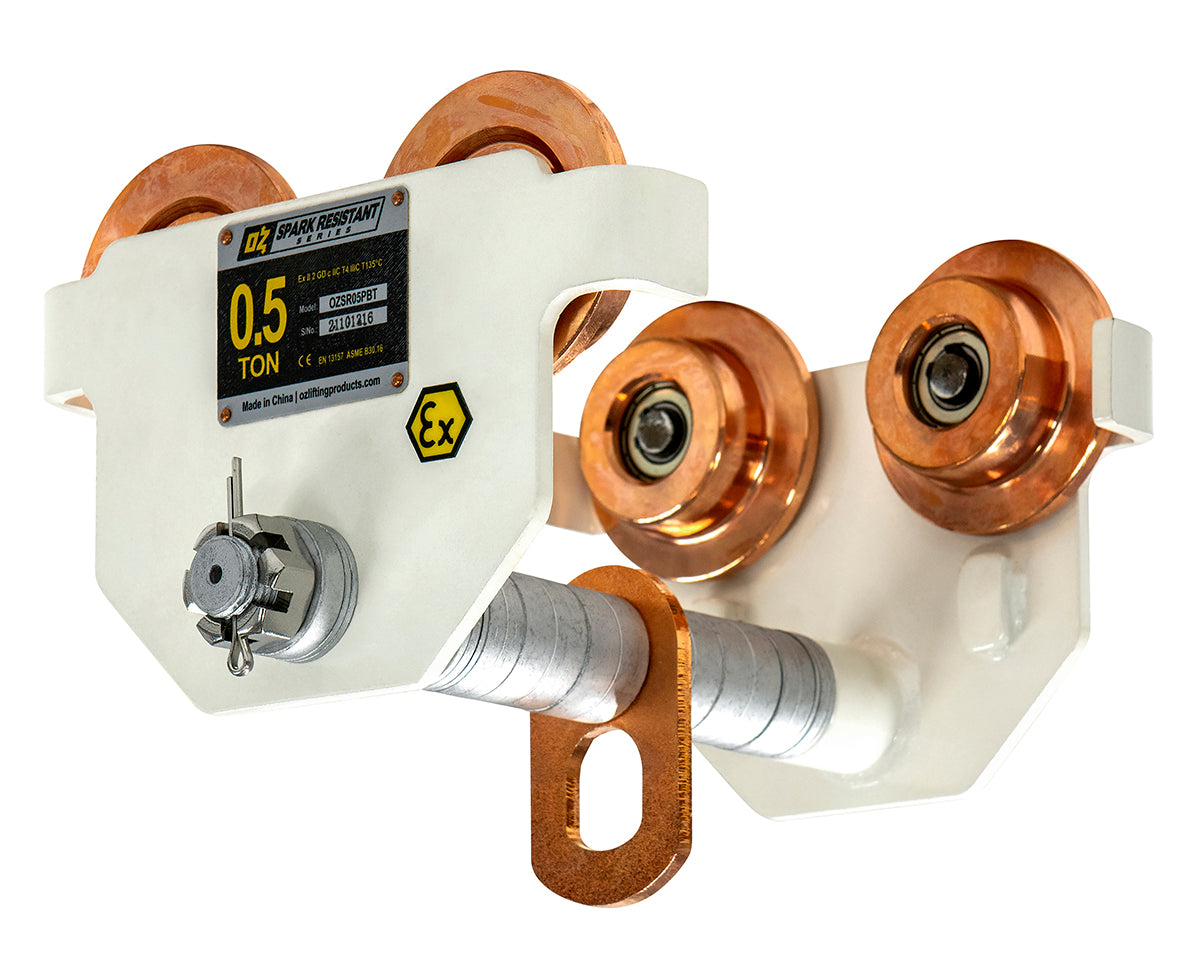
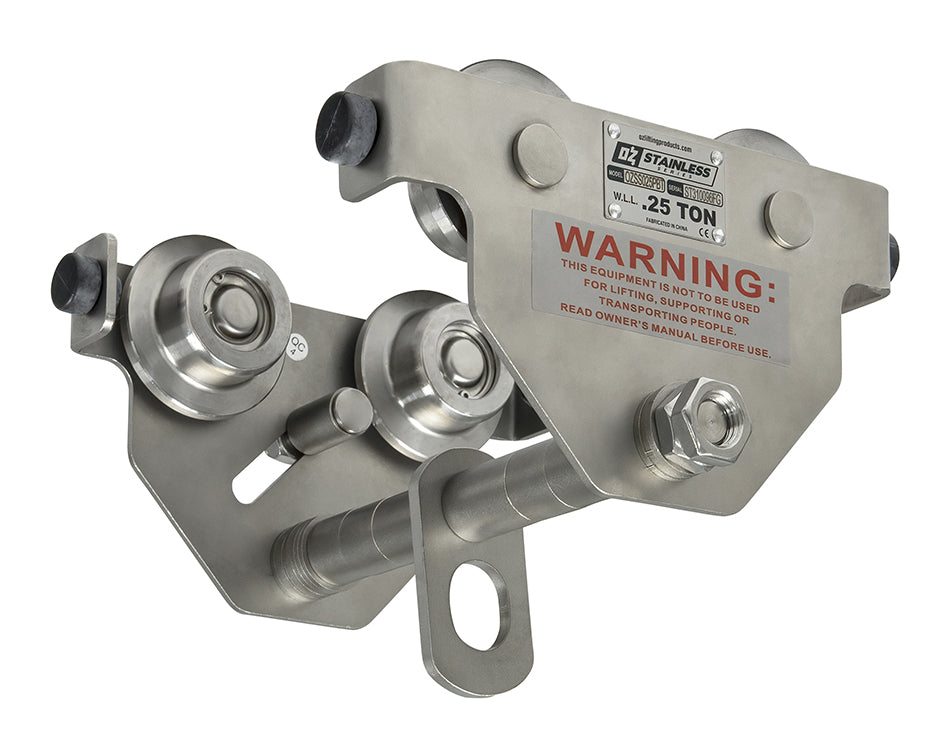
Specialist builds for the awkward bays. Beyond the standard steel-shop trolley, this collection carries the versions for jobs a plain unit cannot take. Where headroom is tight, the Bison ATP low-headroom trolleys, push at $179 and geared at $228, keep the load closer to the beam. For food, pharma, and washdown areas, Harrington's food-grade PT-FG push and MR-FG motorized trolleys use platings and finishes that survive cleaning, and OZ Lifting's stainless push trolley suits corrosive plants. Where flammable vapor or dust is present, the OZ Lifting spark-resistant push trolley from $906 pairs with a spark-resistant hoist. OZ also builds dedicated push trolleys and a beam clamp for its builder's hoists, and the CM adjustable trolley clamp gives you a clamp that adjusts to the beam. Match the build to where the trolley has to live, the same way you would spec the hoist above it.
Rate it, check the headroom, and inspect under the standards. Size the whole assembly, never the bare load: add the hoist, the trolley or clamp, and the slings and shackles below the hook, then round up to the next rating. Confirm the loaded hoist on its trolley still clears your headroom, since the trolley and the hoist body both eat into the drop. On the rules, a beam clamp is rigging hardware that meets ASME B30.20 for below-the-hook lifting devices and complies with the parts of ASME B30.16 that cover a hoist's suspension, while a powered trolley falls in with the hoist and its runway under ASME B30.16 and the monorail volumes. All of it wants the same discipline: a visual check before use and a documented periodic inspection, watching the wheels and flanges for wear, the clamp jaws and adjusting screws for spread or damage, and the load bar and suspension for cracks or deformation. Keep the rated capacity legible, and never load past it.
Frequently Asked Questions
A beam clamp makes one fixed lifting point on the flange and does not move, which is right for a single-spot pick or a temporary anchor and costs less. A trolley carries the hoist on wheels so the load can travel along the beam. If the lift always happens in one place, buy the clamp; if it has to move down the steel, buy the trolley.
Push (plain) trolleys have no mechanism and roll when you push the load, best for light loads, short spans, and occasional travel. Geared trolleys add a hand chain and gear reduction for controlled positioning under heavier loads and at greater beam heights. Motorized trolleys power the travel for frequent, production-line moves. Match the drive to the weight, the beam height, and how often the load travels.
Match two things: the flange width and the flange profile. Adjustable trolleys set their wheel spacing with spacer washers or a threaded shaft, so each capacity covers a range of widths listed on the product. Check the profile too, since a standard S-beam has tapered inner flanges and a wide-flange beam is flat. Beams are named by height, so measure the actual flange width and note the beam type before ordering.
Rate it for everything that hangs from the beam, the hoist, the trolley or clamp itself, and the slings and shackles below the hook, then round up to the next rating. Never size right at your heaviest load. Bison clamps and trolleys reach 10 ton, the motorized units cover to 5 ton, and Tandemloc clamps run to 10,000 lb, so match the rating to the worst case rather than the average lift.
Check the suspension. A top-hook hoist hangs from the trolley's load bar or clevis, which most plain and geared trolleys accept. Some hoists lug-mount directly to the trolley for a lower-headroom, integrated unit. Confirm the trolley capacity meets or beats the hoist rating, and that the mounting style matches, before you pair them.
Give them a visual check before every use and a documented periodic inspection on a schedule set by how hard they work. Beam clamps are rigging hardware meeting ASME B30.20, and powered trolleys fall under ASME B30.16 with the hoist. Watch the wheels and flanges for wear, the clamp jaws and adjusting screws for spread, and the load bar for cracks or bends. Retire anything with illegible ratings or deformation until a qualified person clears it.