Winch Bars
Winch bars are the lever that turns a flatbed winch, the steel handle a driver drops into the winch drum and pumps to draw a strap tight over the load. A bar carries no rating and never touches the cargo, but nothing on a flatbed gets secured without one, which is why crews keep a spare in the headboard box. This collection runs Kinedyne, the name flatbed fleets already trust for cargo control, across the two decisions that actually matter: how the bar is built for leverage, and what its working end can do besides tension straps. Standard bars keep it simple at around 35 inches of heat-treated carbon steel. Combination bars add an end that also works chain binders. The Z-shaped Ease-Z line rotates inside the winch cap for the crews who tie down all day. Prices run from about $16 for a painted standard bar to under $50 for a combination Ease-Z.
Compare Winch Bars
| Model | Price | Part Number | Type | Finish | Length | |
|---|---|---|---|---|---|---|
| Kinedyne Combination Painted Ease-Z Winch Bar w/ Box End | $49 | 80179 | EASE-Z winch bar, Combination, box end | Painted orange, steel | — | View → |
| Kinedyne Standard Painted Ease-Z Winch Bar | $41 | 80177 | EASE-Z winch bar, Standard (360-degree rotating, mushroom tip, U.S. Patent 7,740,232) | Painted orange, steel | — | View → |
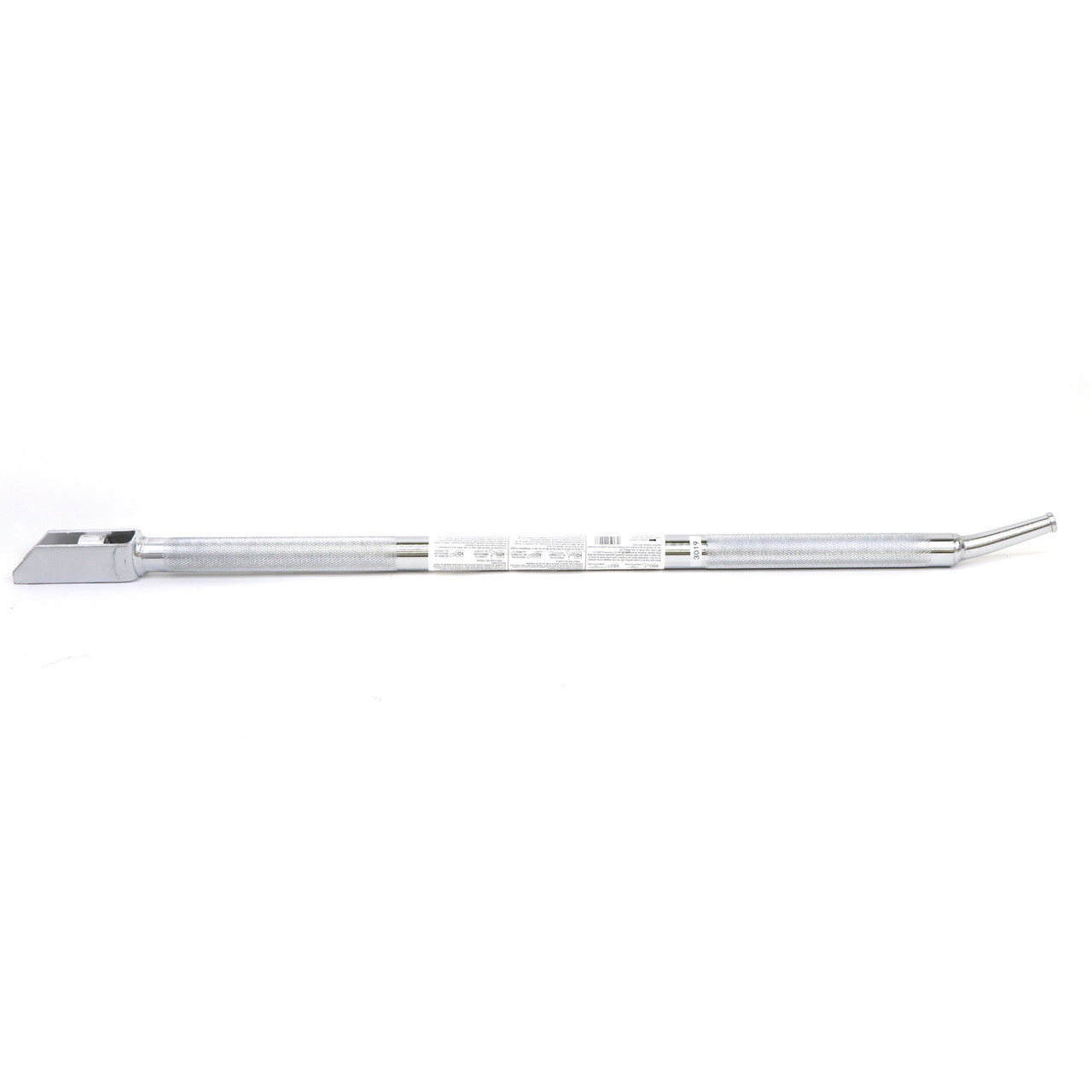
| Kinedyne Combination Chrome Winch Bar w/ Wide Mouth | $29 | 37033 | Combination winch bar, wide mouth | Chrome plated | 32.75" | View → |
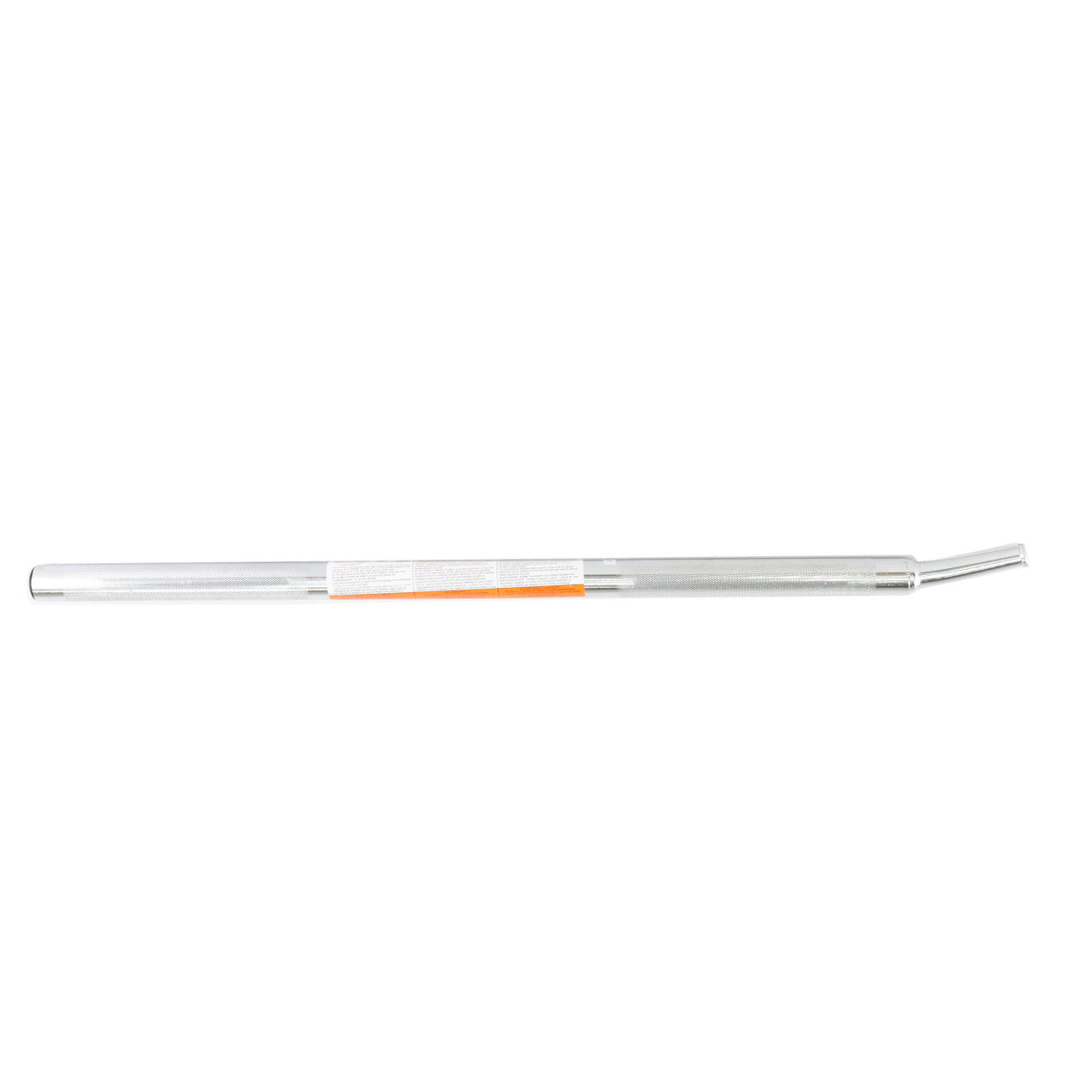
| Kinedyne Standard Chrome Winch Bar | $26 | 37031 | Standard winch bar | Chrome plated | 35.25" | View → |
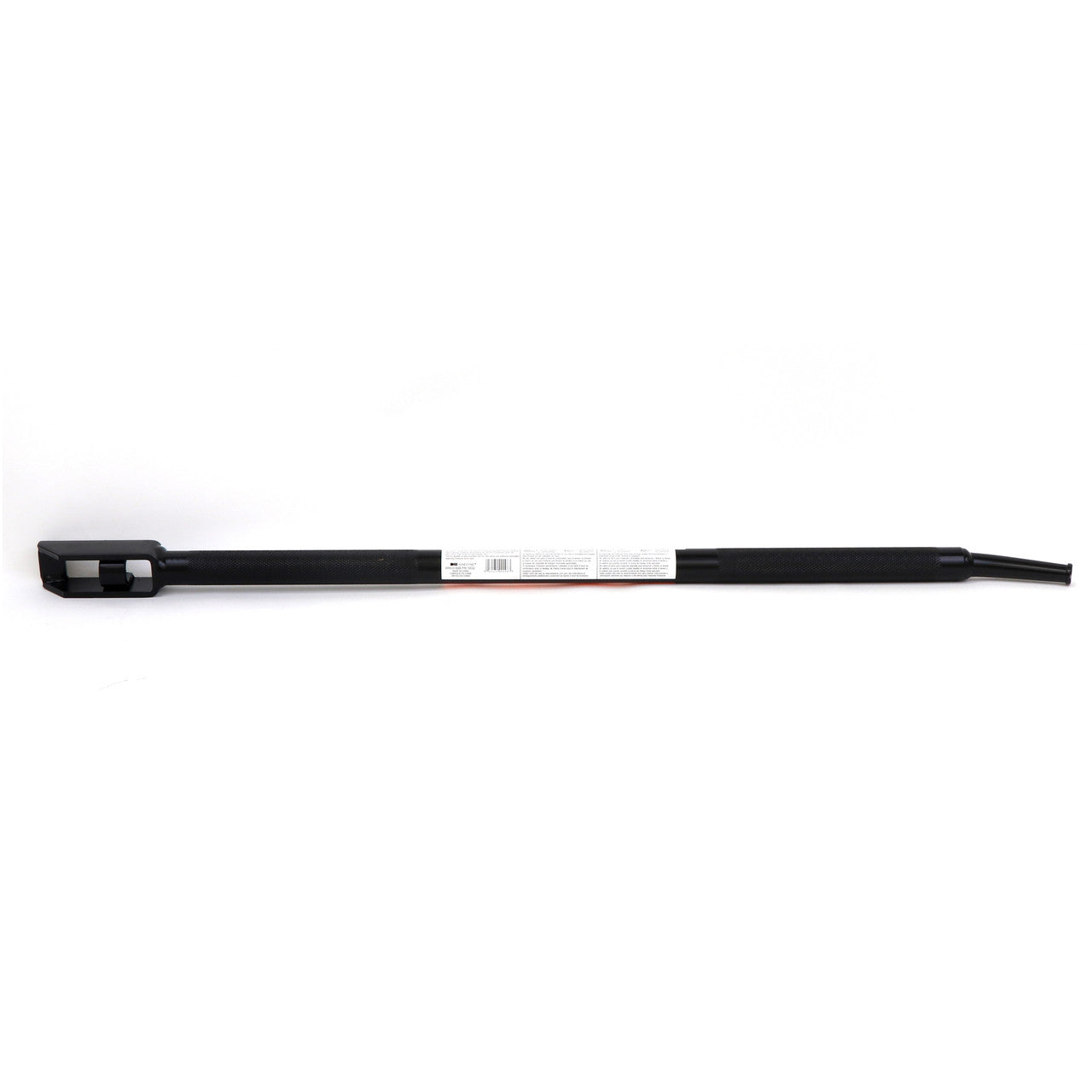
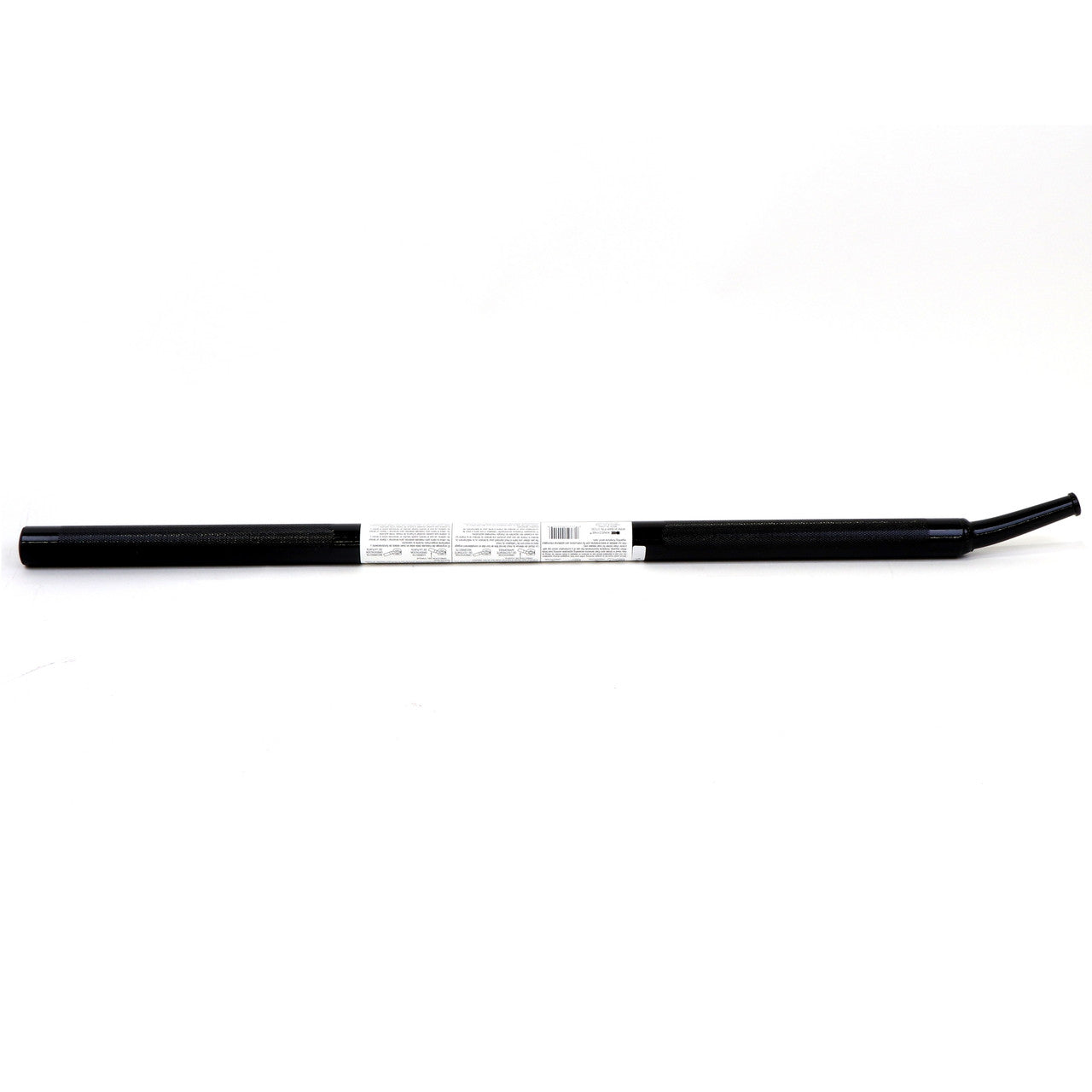
| Kinedyne Standard Painted Winch Bar | $16 | 37030 | Standard winch bar | Painted | 35.25" | View → |
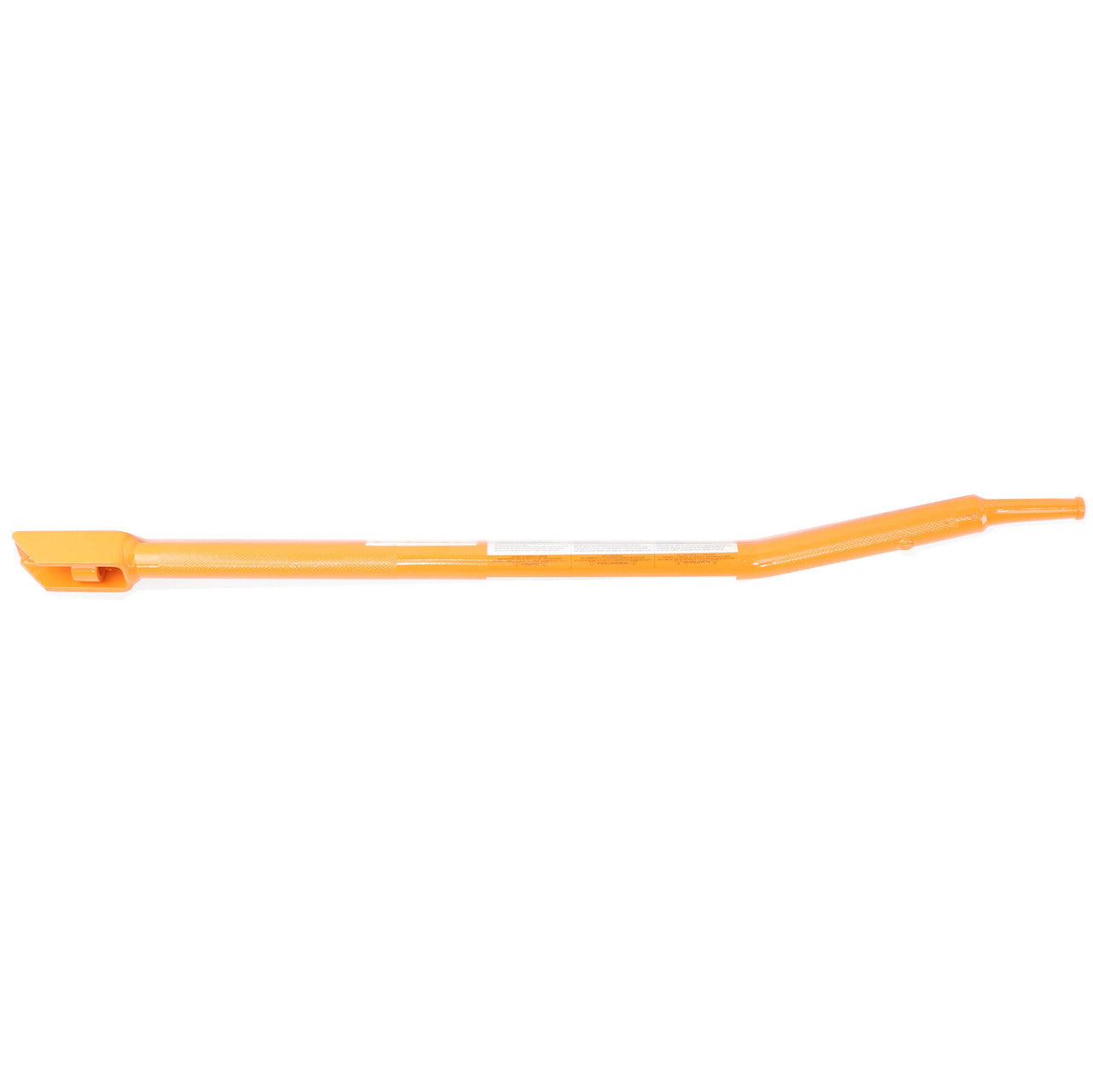 In Stock
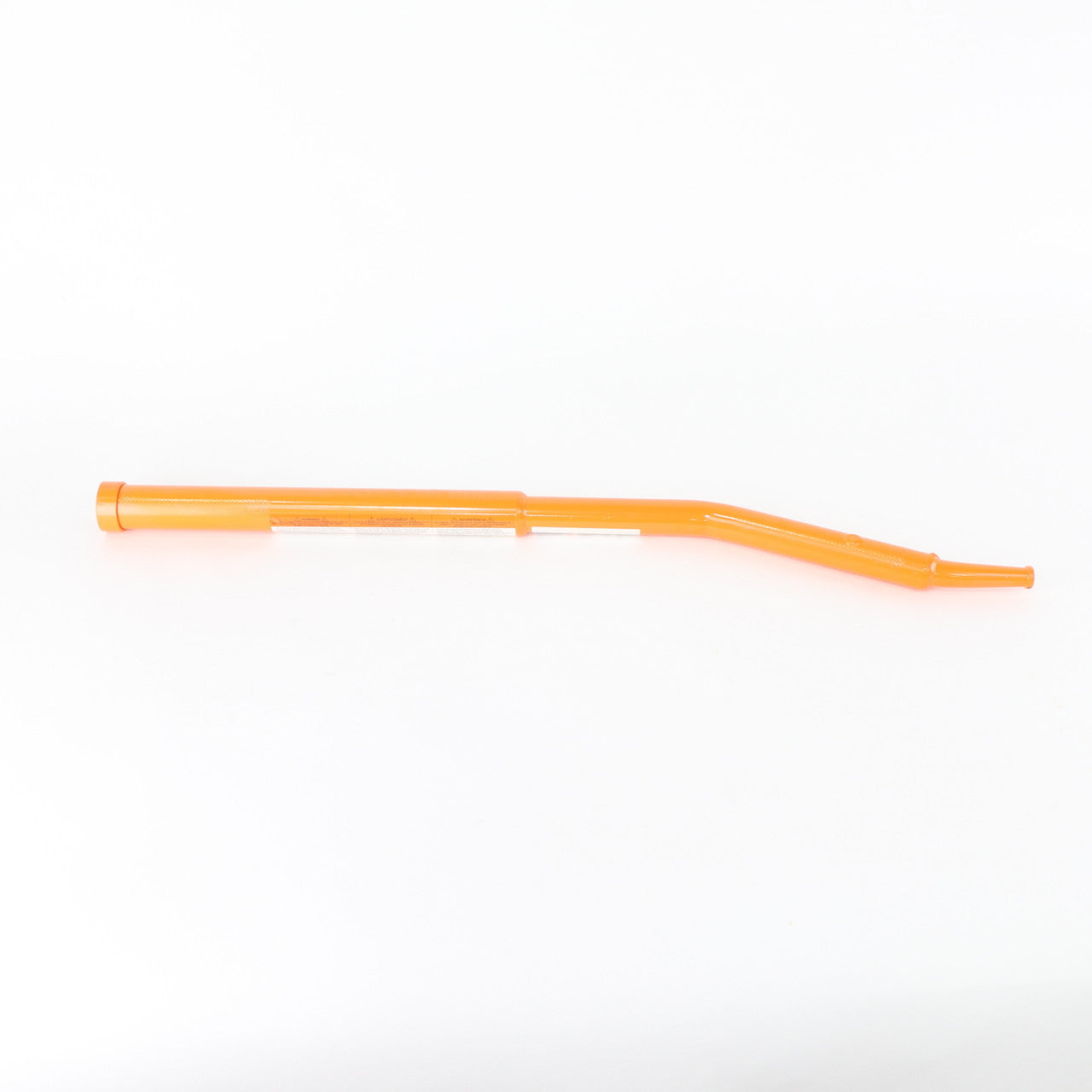 In Stock
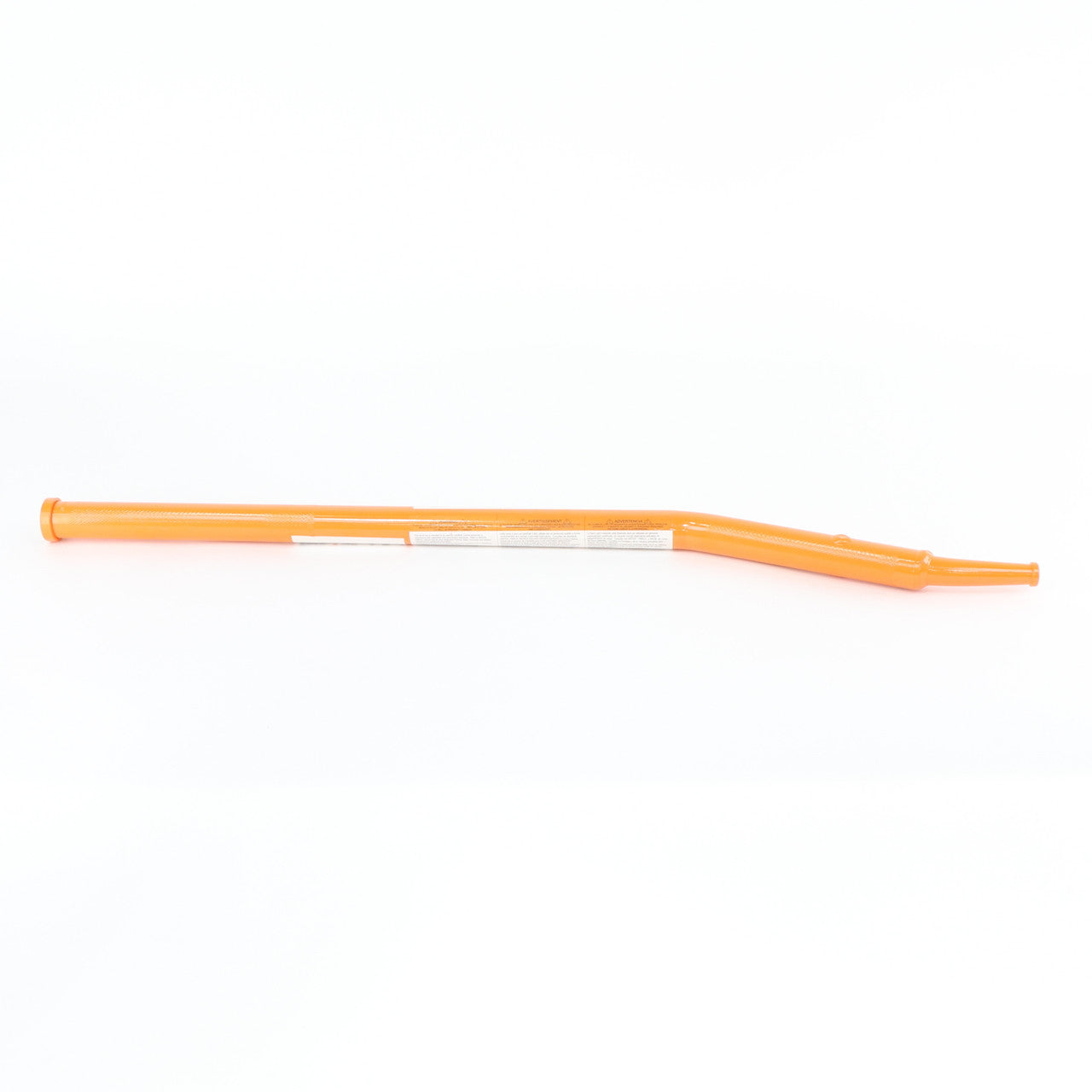 In Stock
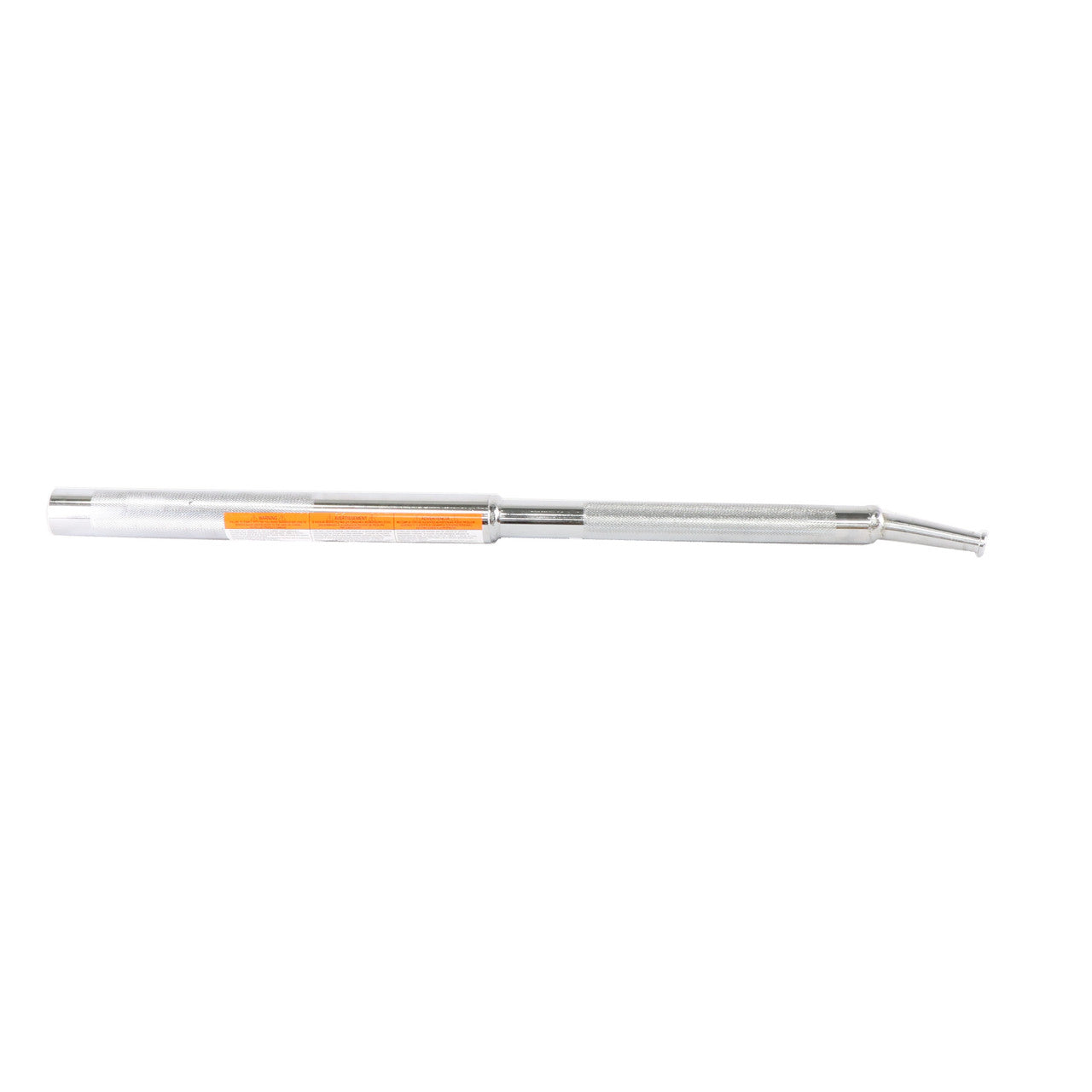 In Stock
 In Stock
 In Stock
 In Stock
 In Stock
Winch Bars Buying Guide
What a winch bar does in the tie-down system. A winch bar is a tool, not a tie-down, so it carries no working load limit and it never crosses the cargo. Its whole job is to spin the mandrel on a flatbed strap winch. On this pattern the tensioner stays on the trailer: a winch strap winds onto a strap winch that is welded, bolted, or slid onto the rail, and the driver drops the bar into the winch drum holes and pumps it to take up slack until the strap sits tight over the load. The bar is the muscle that makes the fixed winch turn. Buy the strap and the winch first, because those two carry the rating and set the width; the bar is the constant that works across all of them, which is why one good bar covers a rail full of winches.
Length is leverage, and the nose tip keeps it seated. A winch bar is a simple lever, so length is leverage. Kinedyne standard bars run about 35 inches of heat-treated carbon steel, enough reach to tension a 2 inch strap by hand without a cheater pipe, at roughly 5.5 lb so carrying one is no chore. The detail that matters at the working end is the nose. Kinedyne taper the tip into a mushroom nose that seats in the winch drum hole and resists popping out under load, which is the moment a bar turns dangerous: a bar that skips off a winch at full pump has put more than one driver on the ground. Keep both hands planted, pull the bar rather than stand on it, and stop the instant the strap is tight. Over-tensioning adds no security, it only fatigues the webbing.
Standard or combination: what the far end does. The far end is the real fork in this collection. A standard bar is a plain tensioning tool: one end seats in the winch, the other is a straight handle. A combination bar keeps the winch end and adds a working end that also opens and closes lever-style chain load binders. If your loads ever ride on chain as well as strap, the combination bar means one tool in your hand instead of two on your belt, which matters on a deck where you switch between chain binders and winch straps on the same trailer. The premium is small, a combination painted box-end bar runs about $21 against $16 for the plain standard, so most flatbedders who run any chain default to the combination and never look back.
Box end or wide mouth. Combination bars come in two working-end styles, and they tension winch straps identically, so the choice is only about how you work a chain binder. The box end is a closed square socket that drops over a lever binder handle to crank or release it, the tighter fit of the two and the cleaner profile to carry. The wide mouth is an open, knurled end that grabs the binder and adds a non-slip grip, quicker to engage and easier to align on an awkward binder. Chrome versions run about $27 for the box end and $29 for the wide mouth. If you rarely touch chain, the box end is the safe default; if you fight cold or greasy binders out in the weather, the wide mouth knurling earns its keep.
The Ease-Z bar and the case for ergonomics. Kinedyne Ease-Z bars answer the standing complaint about winch bars, that tensioning all day wears out your back and shoulders. The patented Z-shaped bent-bar design rotates a full 360 degrees inside the winch cap eyelet without being pulled out, so instead of forcing the bar up or down through an awkward arc, you spin it to the angle that gives clean leverage from a neutral stance. Kinedyne credits the offset shape with reduced back, shoulder, and arm strain, and the bars ship in high-visibility paint so a dropped bar is easy to spot on a dark deck. They come in standard, box-end, and wide-mouth versions from about $41 to $49. For an owner-operator pumping a dozen winches twice a day, the ergonomics pay back faster than the price gap suggests.
Painted or chrome, and always carry a spare. Finish is the last decision and the cheapest. Painted bars cost less and the paint takes the beating; the standard painted bar starts around $16. Chrome plating resists rust and wipes clean, which earns its few extra dollars on a bar that lives outdoors and gets rained on between loads, and the chrome standard bar runs about $26. Neither finish changes the leverage or the rating, because a winch bar has no rating. Whatever you pick, carry a spare. A winch bar is the one tool that strands a whole load if it walks off at a truck stop, it costs less than the fuel to drive back for it, and a bent or mushroomed-over bar should be retired rather than babied. Keep one in the headboard box and one in the toolbox.
Frequently Asked Questions
A winch bar is the lever tool that turns a flatbed strap winch. You drop it into the winch drum and pump it to wind a winch strap tight over the load. It carries no working load limit and never touches the cargo, so it is a tool rather than a rated tie-down. Nothing gets tensioned on a flatbed winch system without one.
Kinedyne standard bars are about 35 inches, enough leverage to hand-tension a 2 inch winch strap without a cheater pipe. Longer is not automatically better, since extra length tempts over-tensioning, which fatigues webbing without adding security. The Ease-Z bars trade some straight length for a rotating Z-shape that recovers leverage through geometry instead.
A combination bar tensions winch straps like a standard bar and adds a working end, either a box end or a wide mouth, that also opens and closes lever-style chain load binders. It is the pick for decks that run both chain and strap, since it replaces a separate binder bar. Combination bars cost only a few dollars more than the plain standard.
Both work chain binders and both tension winch straps the same way, so the difference is fit. The box end is a closed socket that seats tightly over a binder handle. The wide mouth is an open, knurled end that engages faster and resists slipping in cold or greasy conditions. Pick by how you prefer to handle chain binders.
For occasional use, a standard bar is fine. For a driver tensioning winches all day, the Ease-Z pays back. Its Z-shape rotates 360 degrees inside the winch cap so you tension from a neutral stance instead of forcing the bar through an awkward arc, which Kinedyne credits with reduced back, shoulder, and arm strain. The high-visibility paint also makes a dropped bar easy to find.