Strap Winches
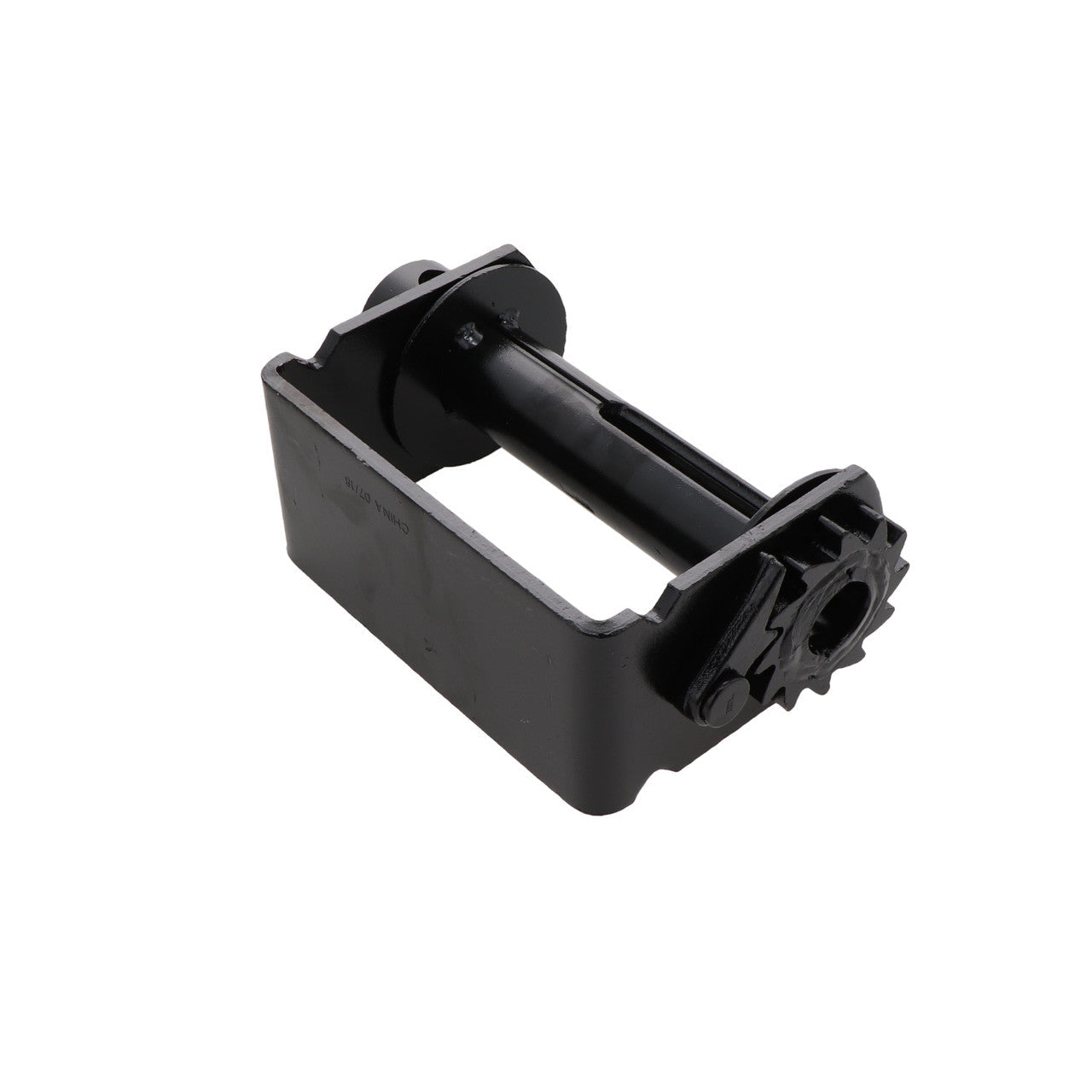
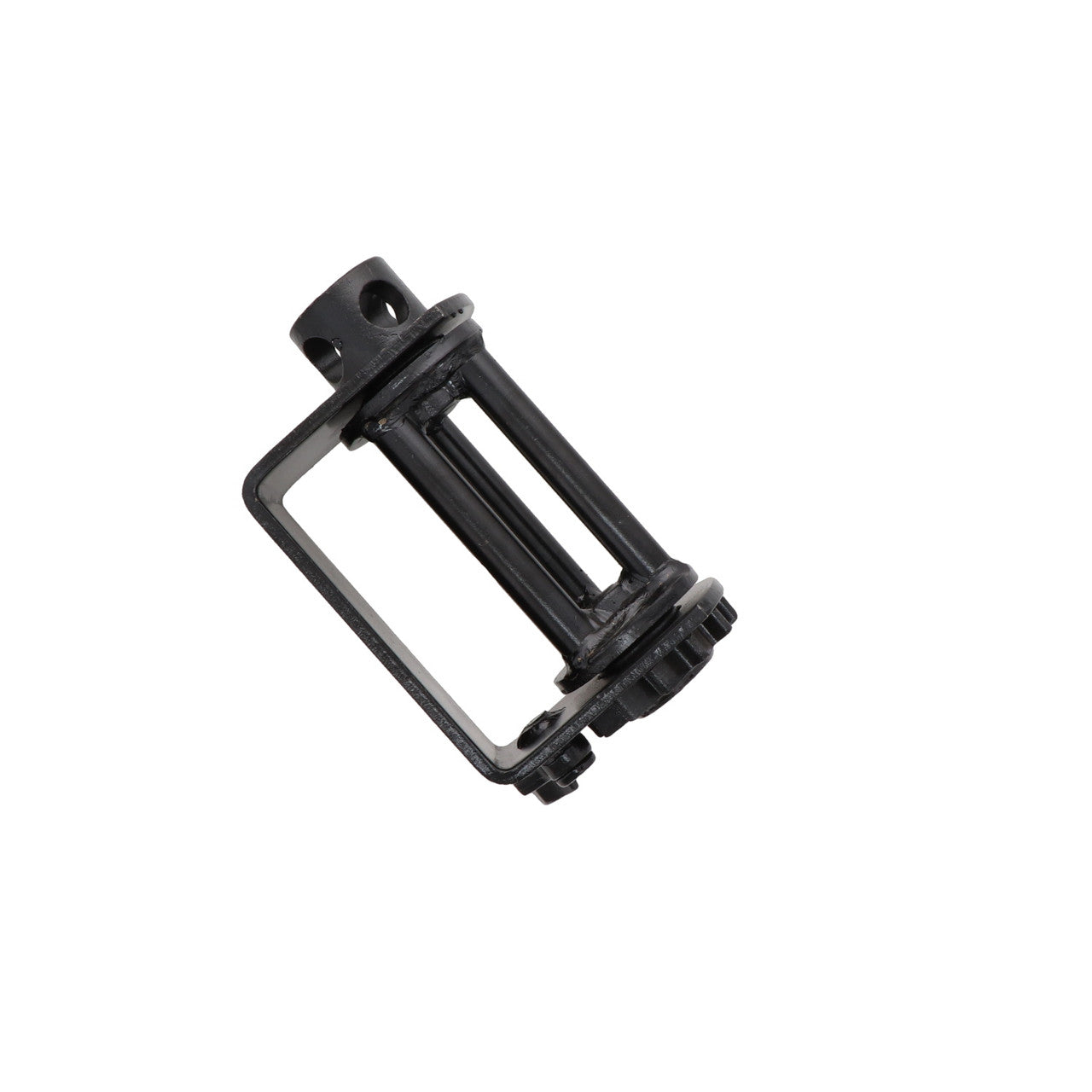
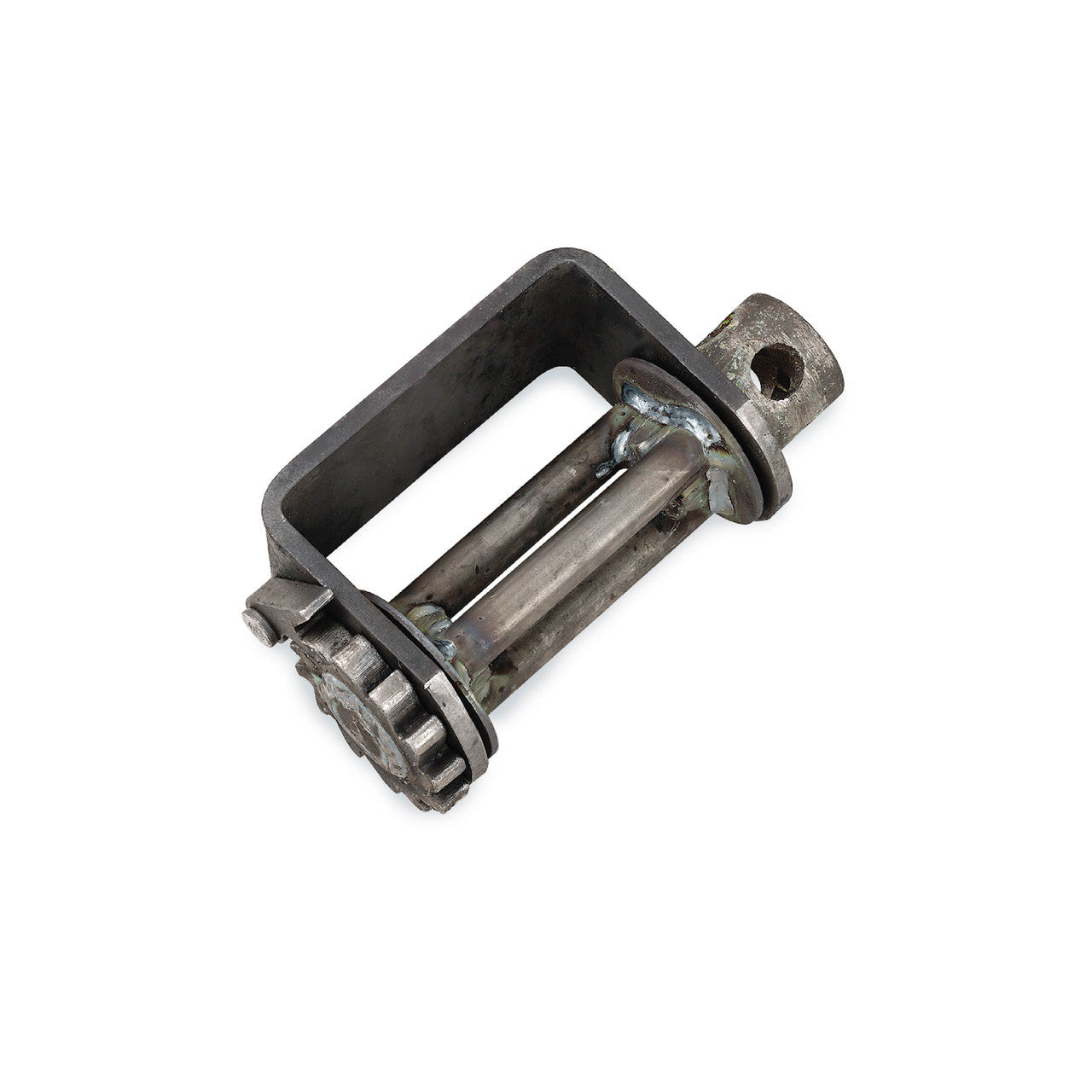
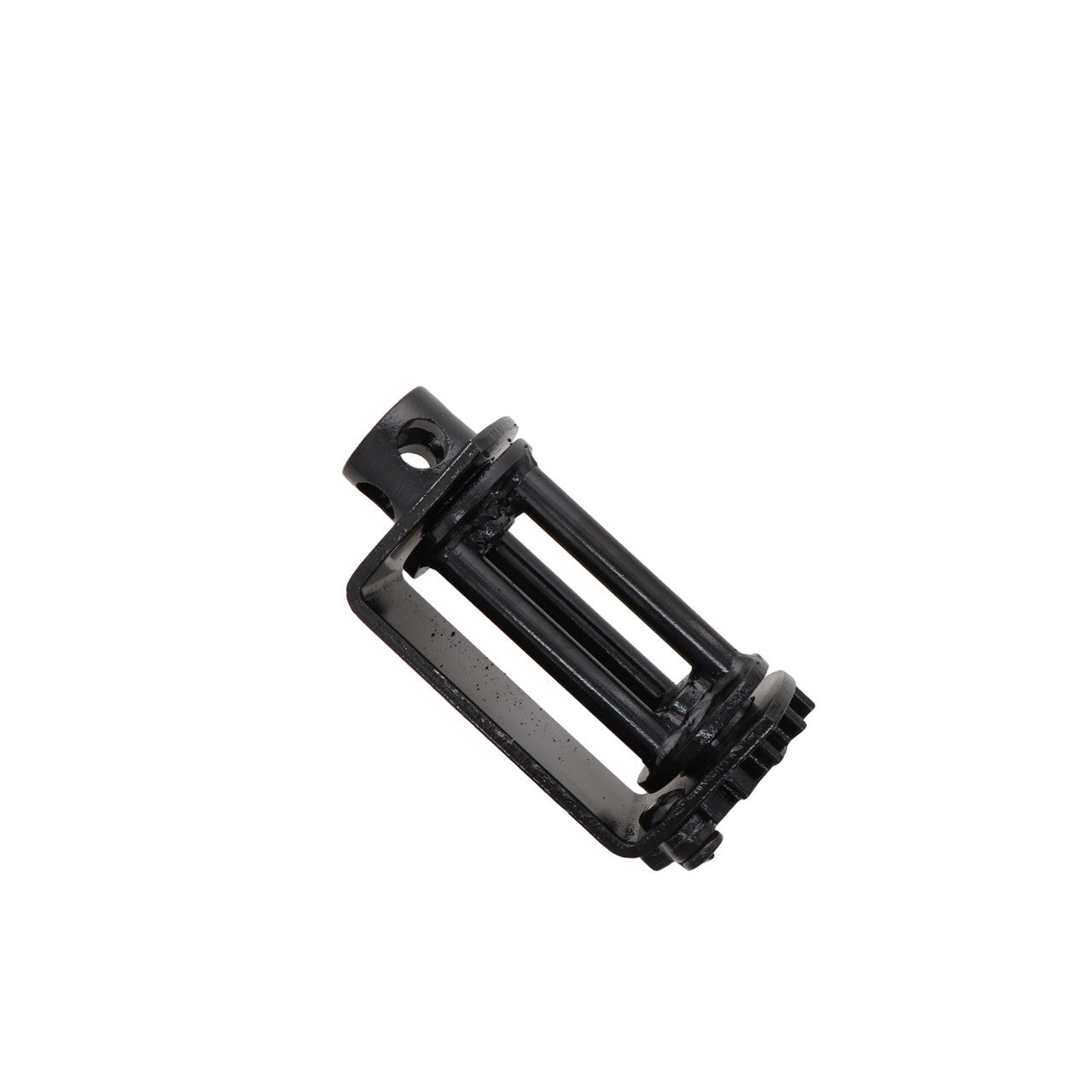
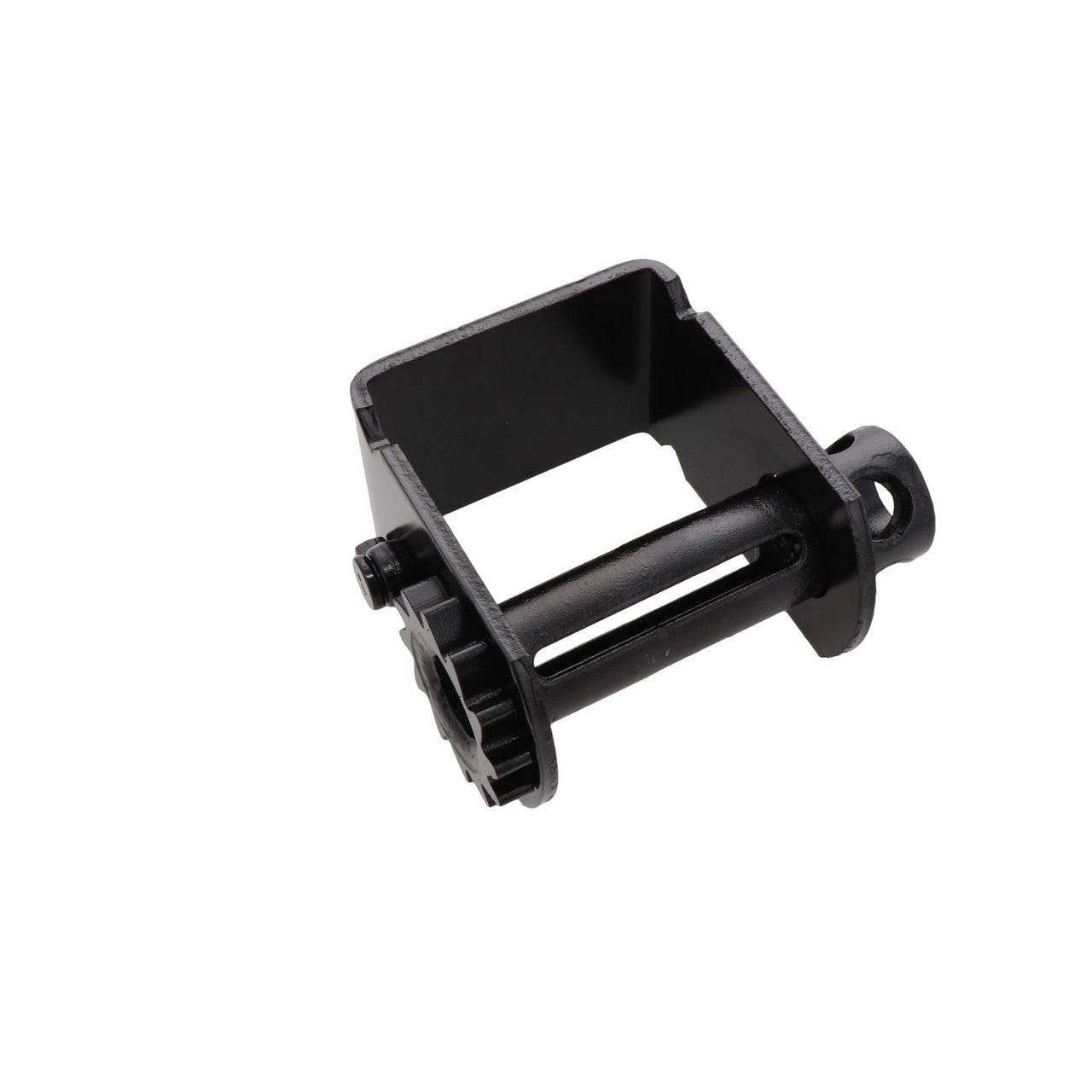
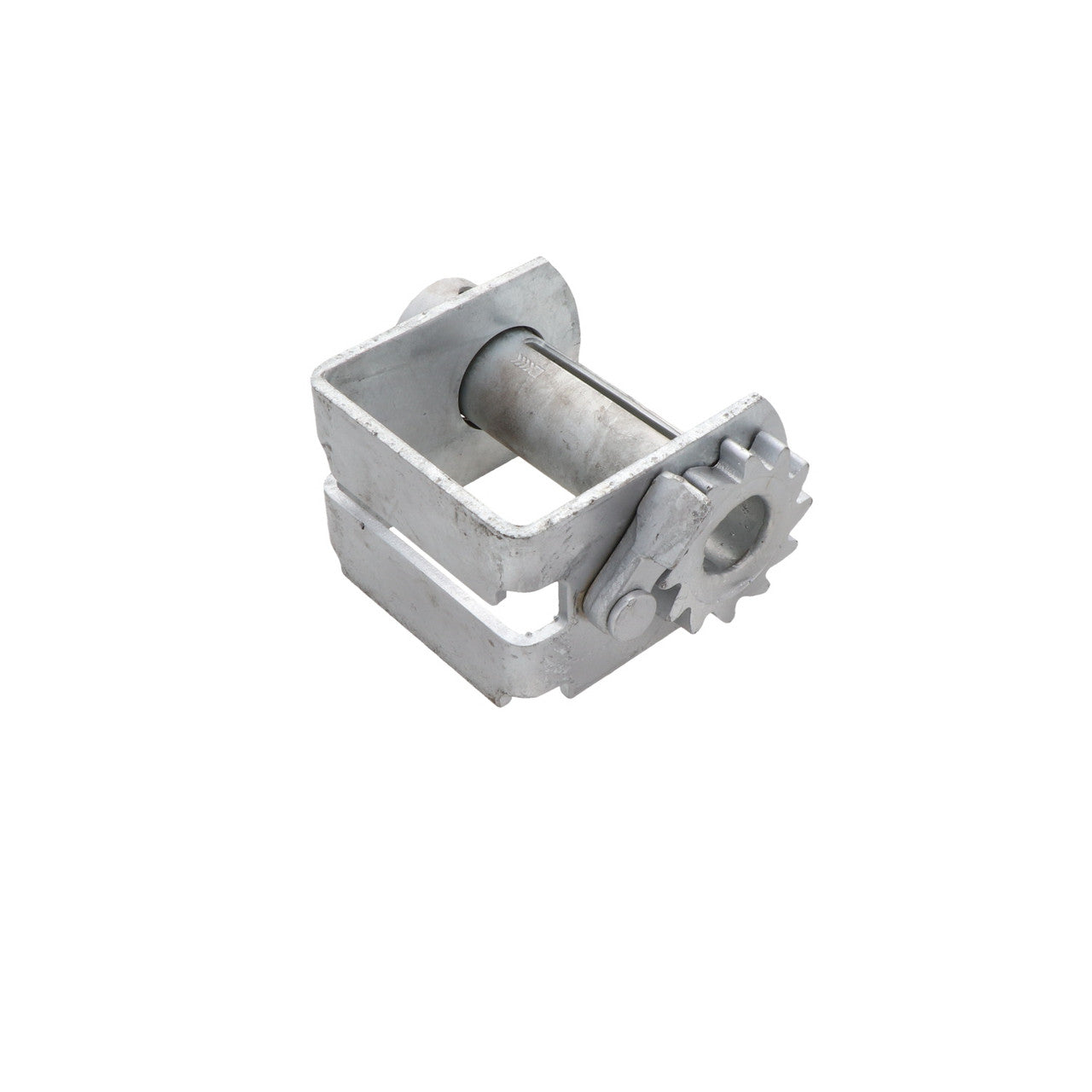
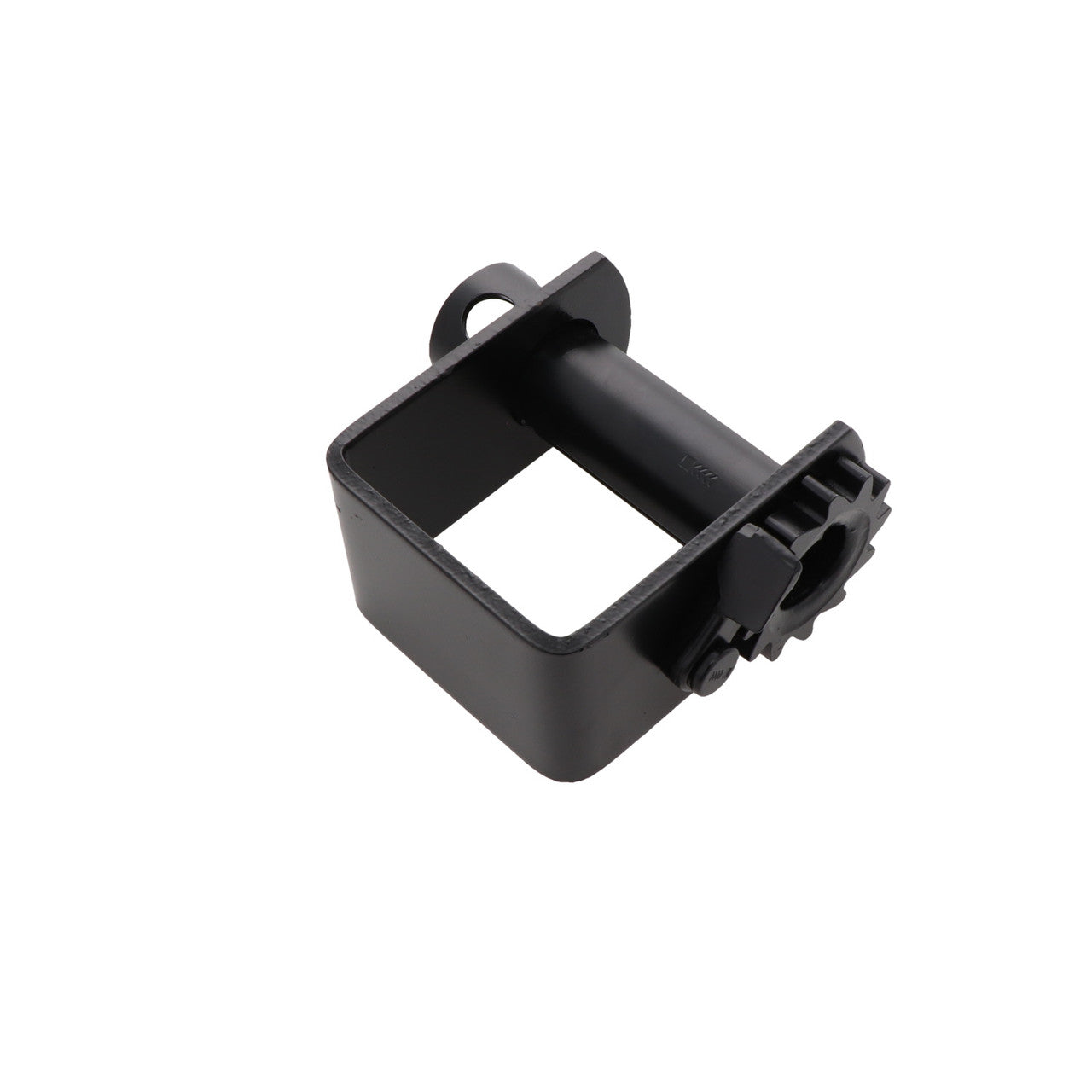
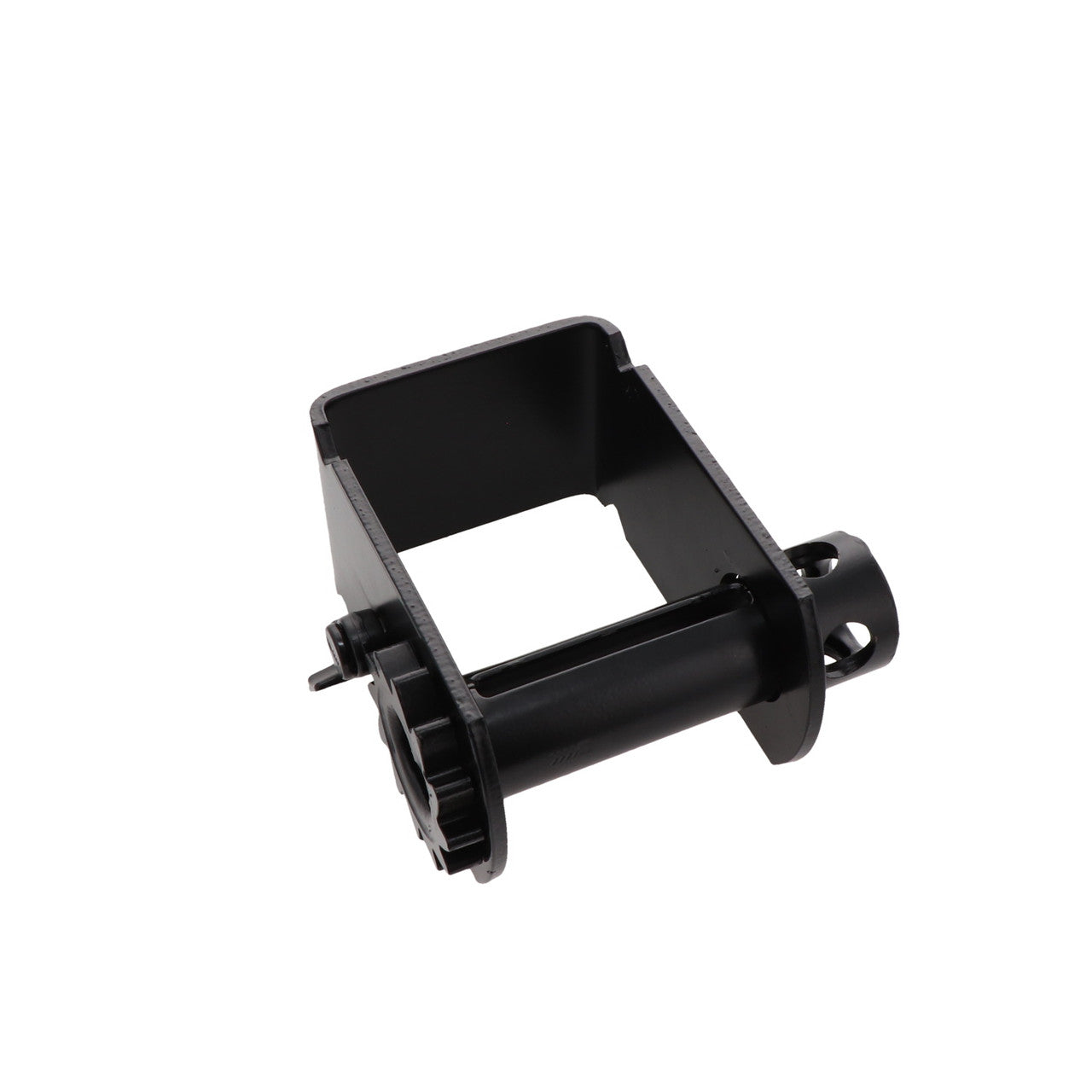
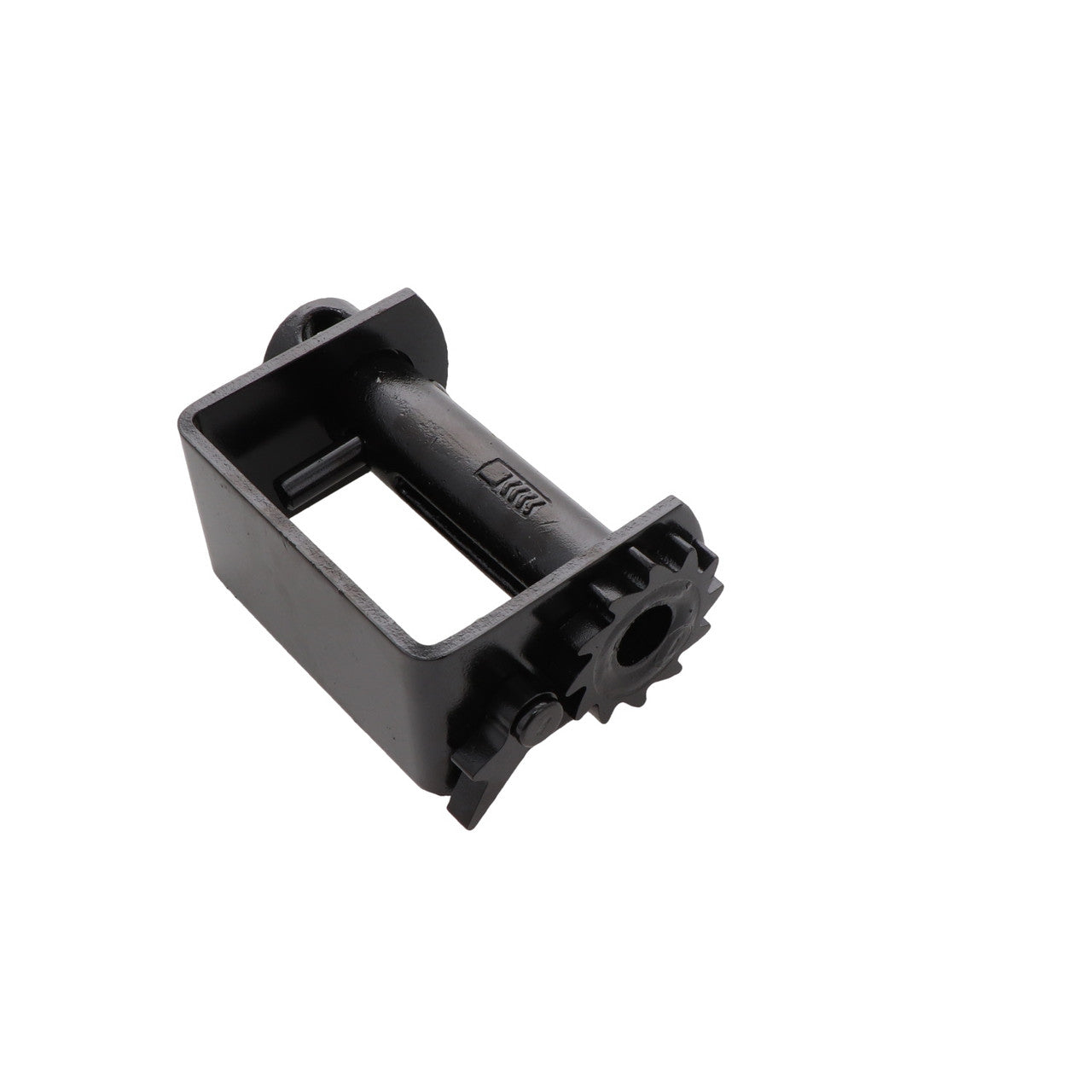
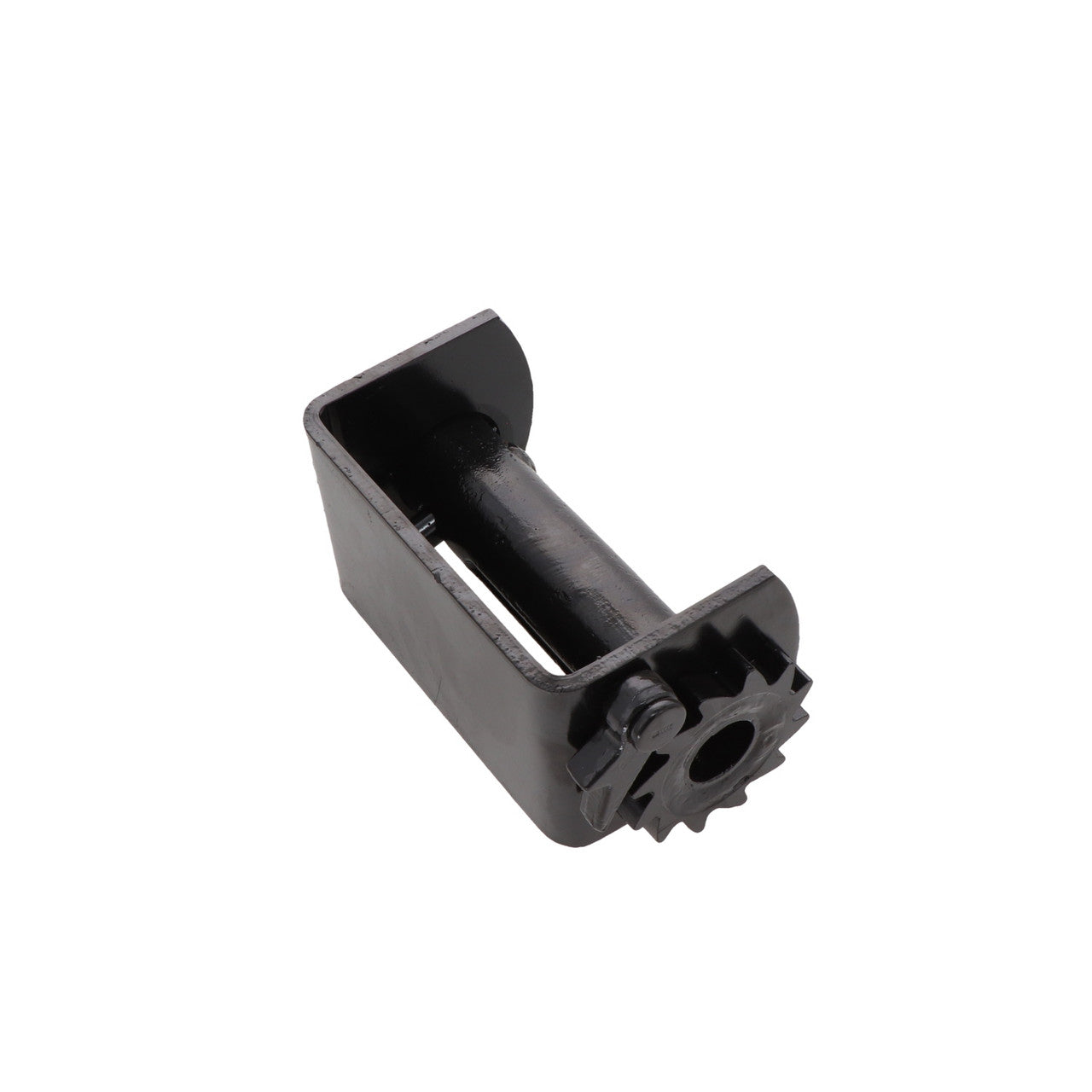
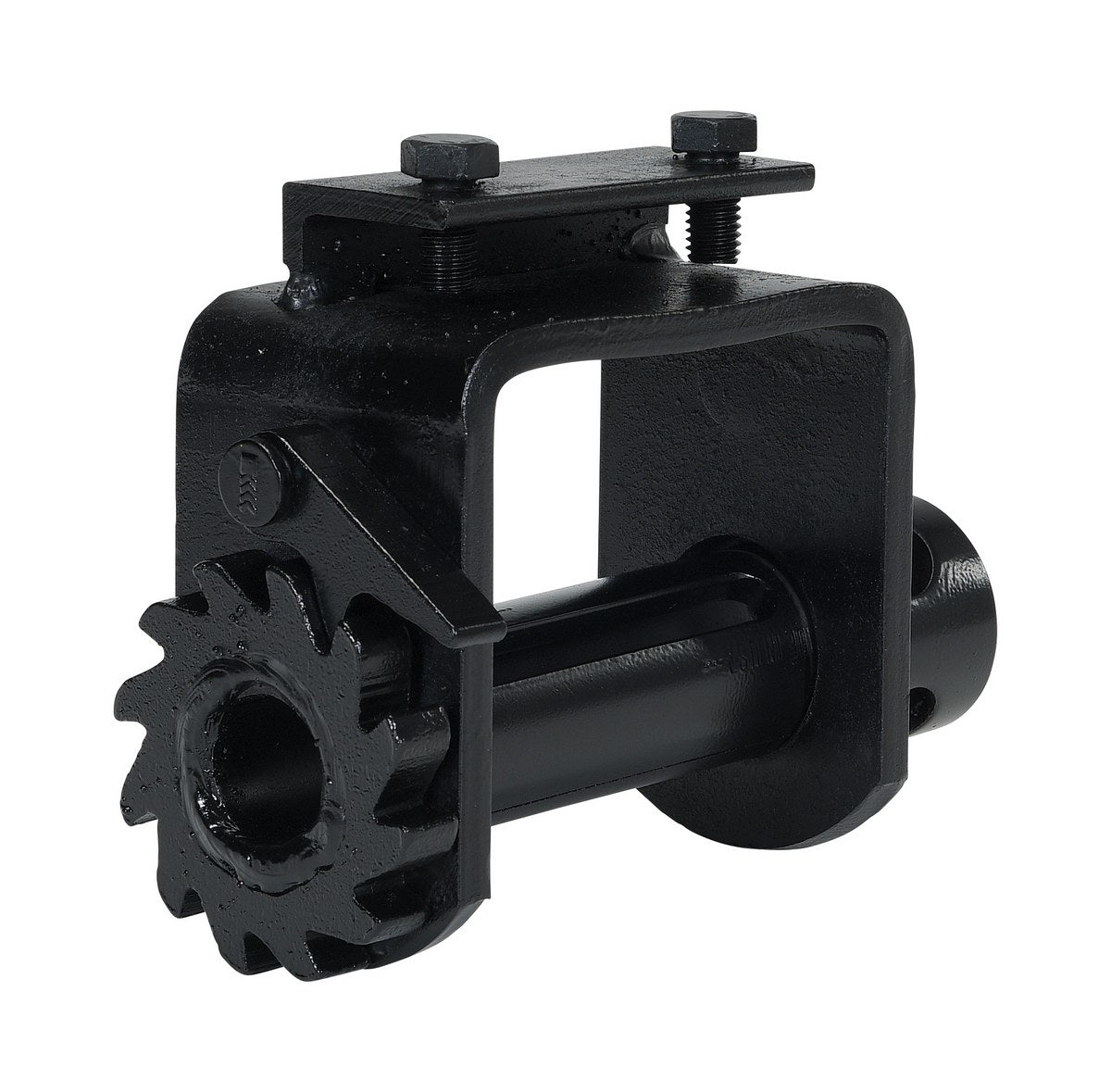
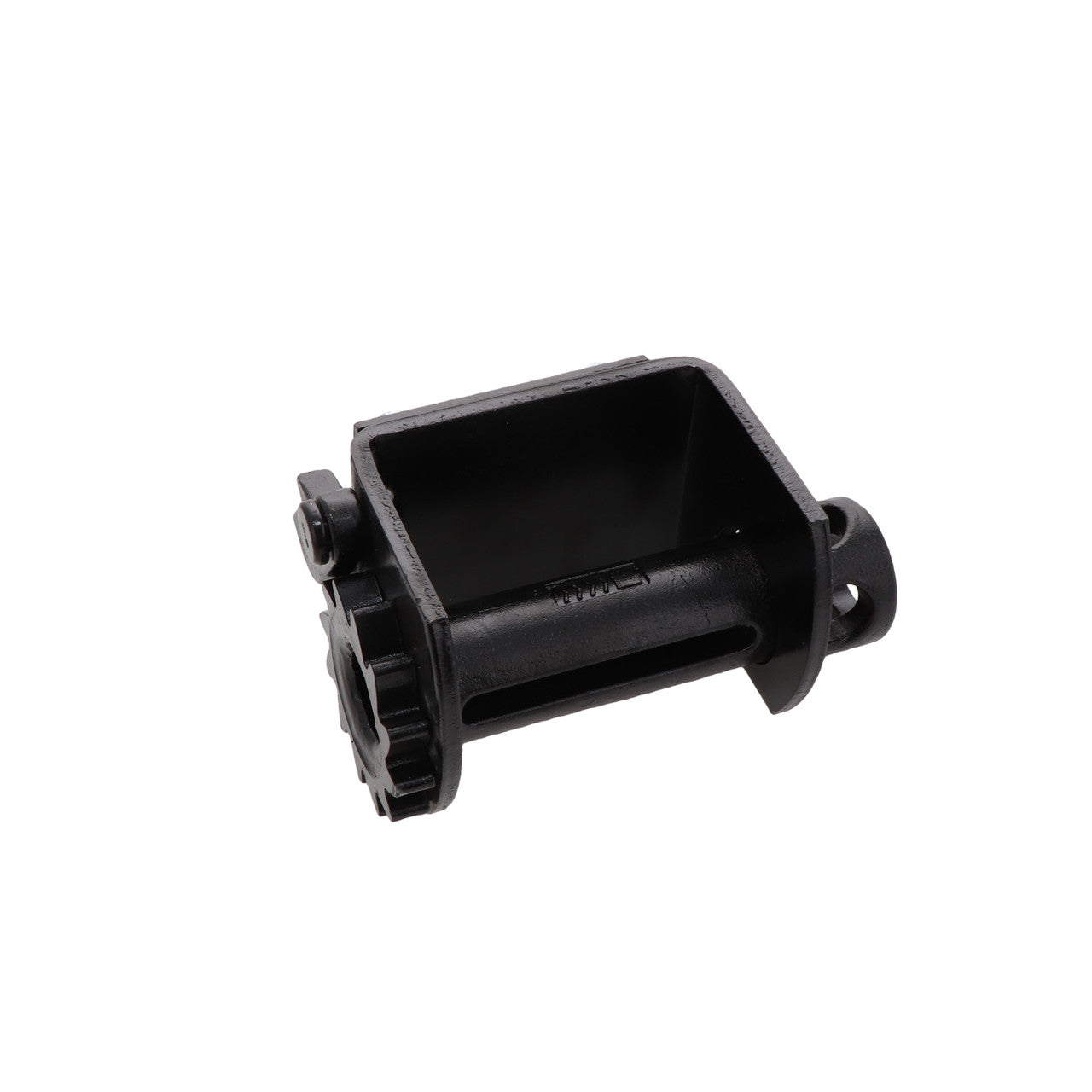
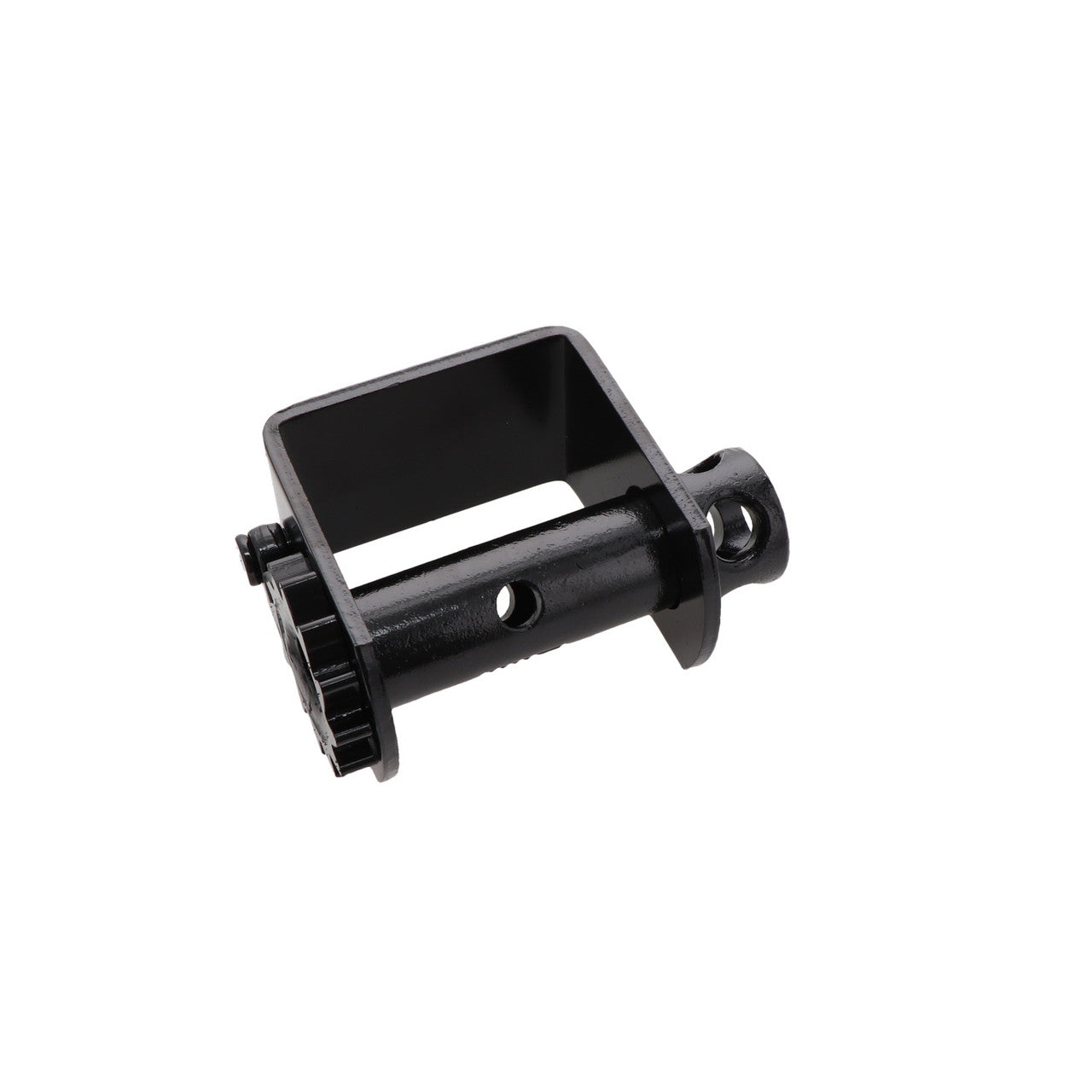
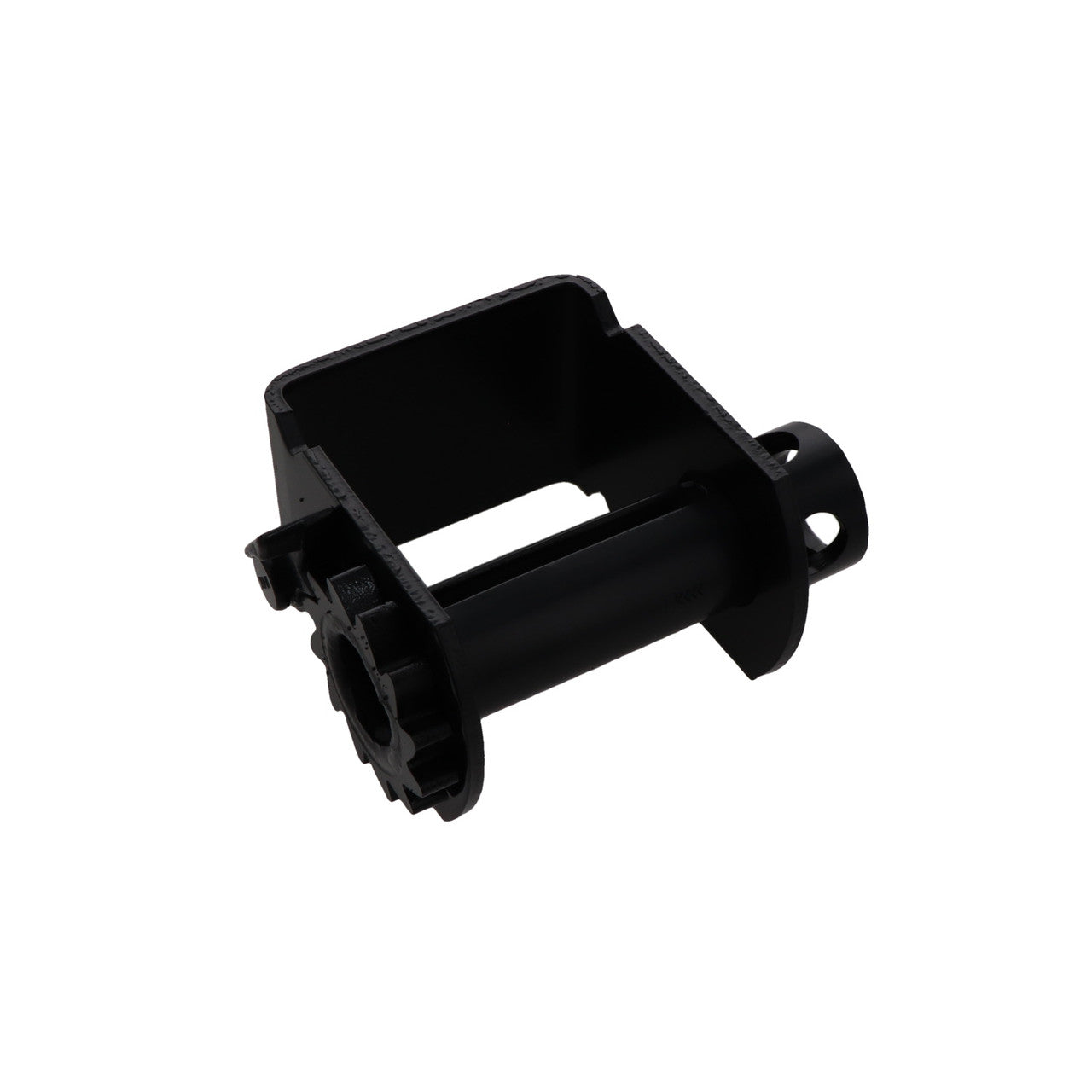
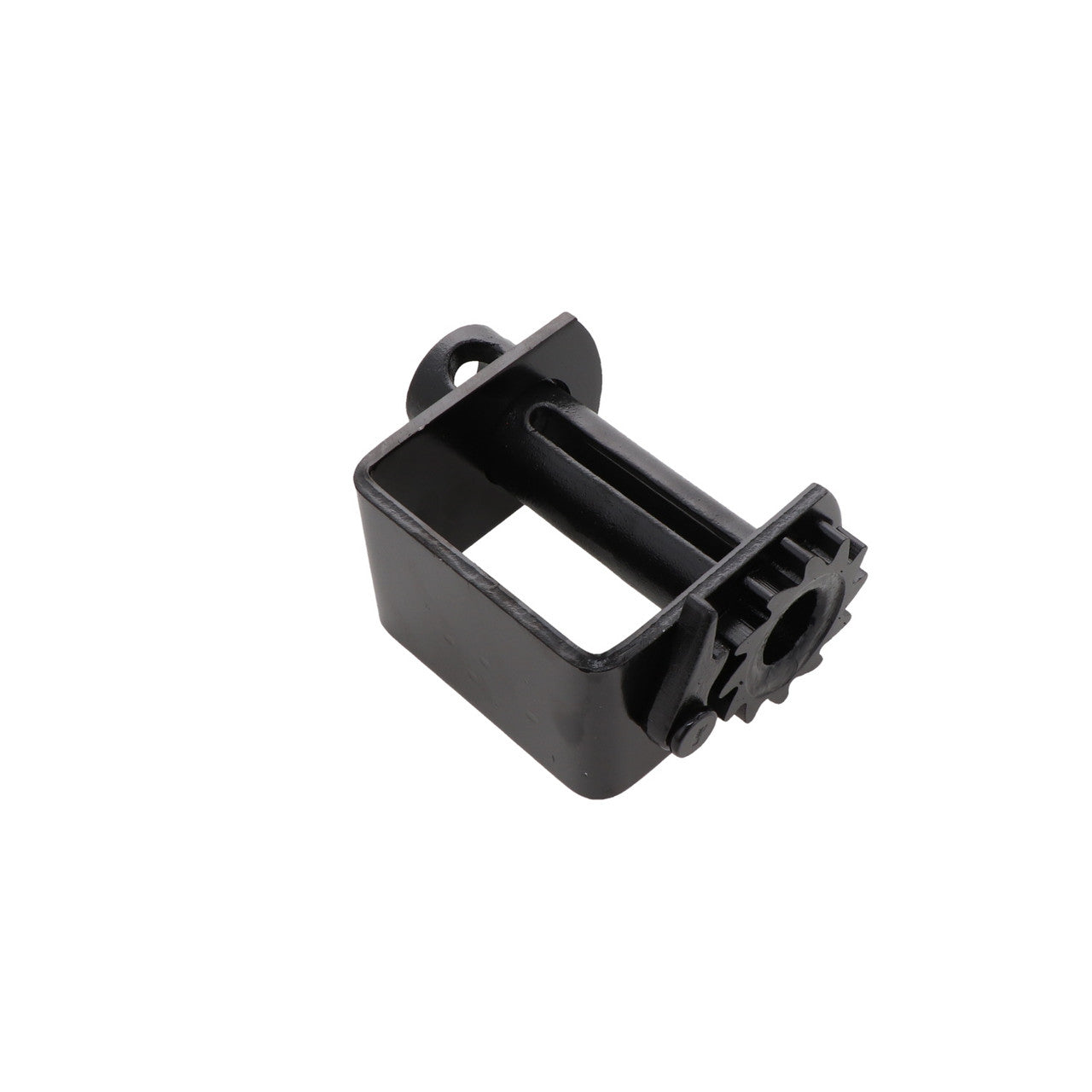
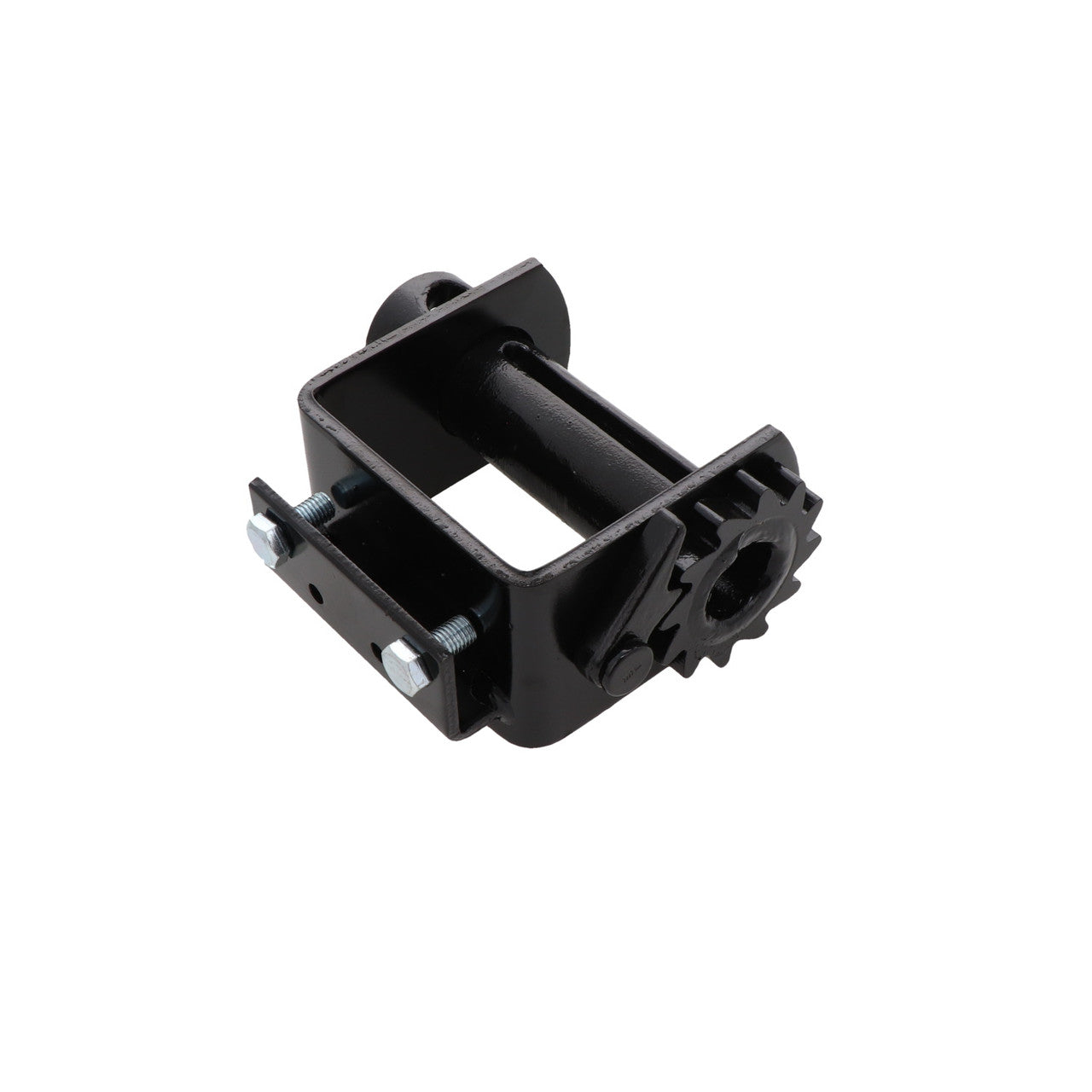
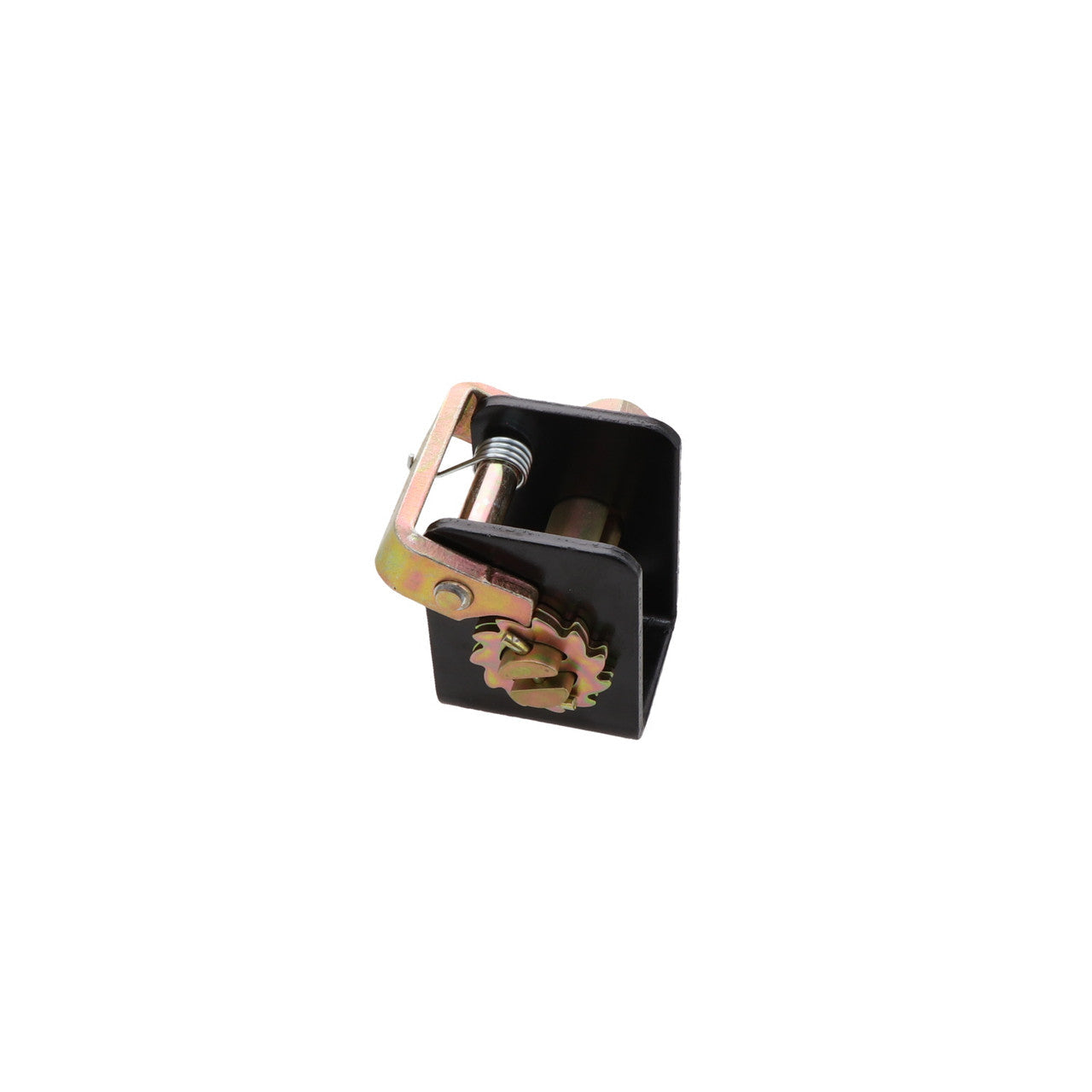
A strap winch is the fixed half of a flatbed tie-down: a steel frame and a slotted mandrel welded, bolted, or slid onto the trailer rail, spun by a winch bar to draw a winch strap tight over the load. This collection carries Kinedyne flatbed winches in every mounting pattern a trailer runs, from a $25 lashing winch up to a galvanized sliding C channel 3-bar model near $89, with working load limits from 3,335 lb on the light cable and lashing units to 6,670 lb on the standard weld-on and sliding C channel winches. The choice is mechanical, not decorative: how the winch fastens to your rail, which track it rides if it slides, and whether the mandrel takes a 2 inch, 3 inch, or 4 inch strap. The guide below sorts the weld-on, bolt-on, portable, sliding, and storable families, then pins down the strap and bar that finish the system.
Compare Strap Winches
| Model | Price | Capacity | |
|---|---|---|---|
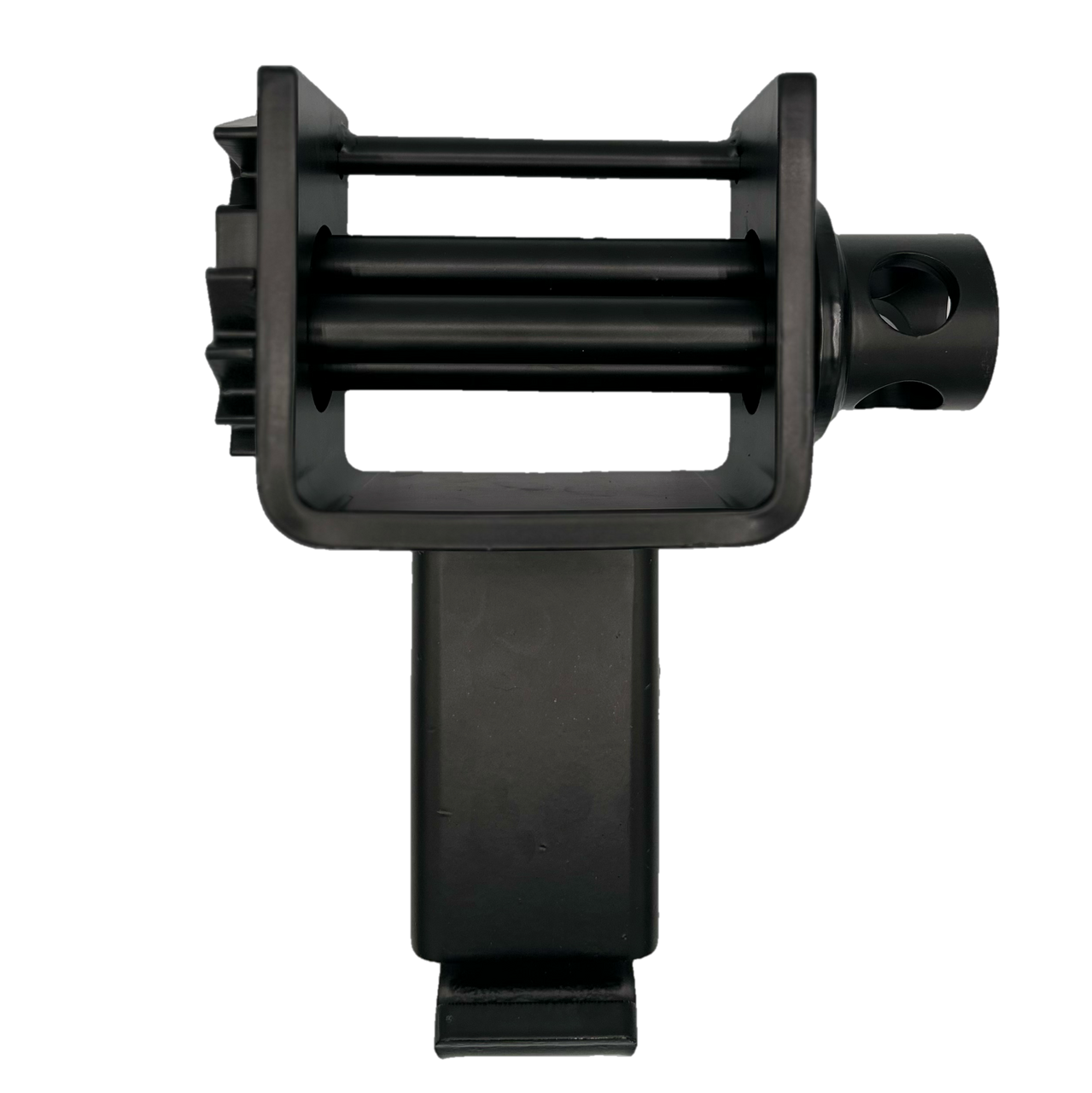
| Kinedyne Standard Galvanized Sliding C Channel 3-Bar Winch | $89 | 5,000 lb | View → |
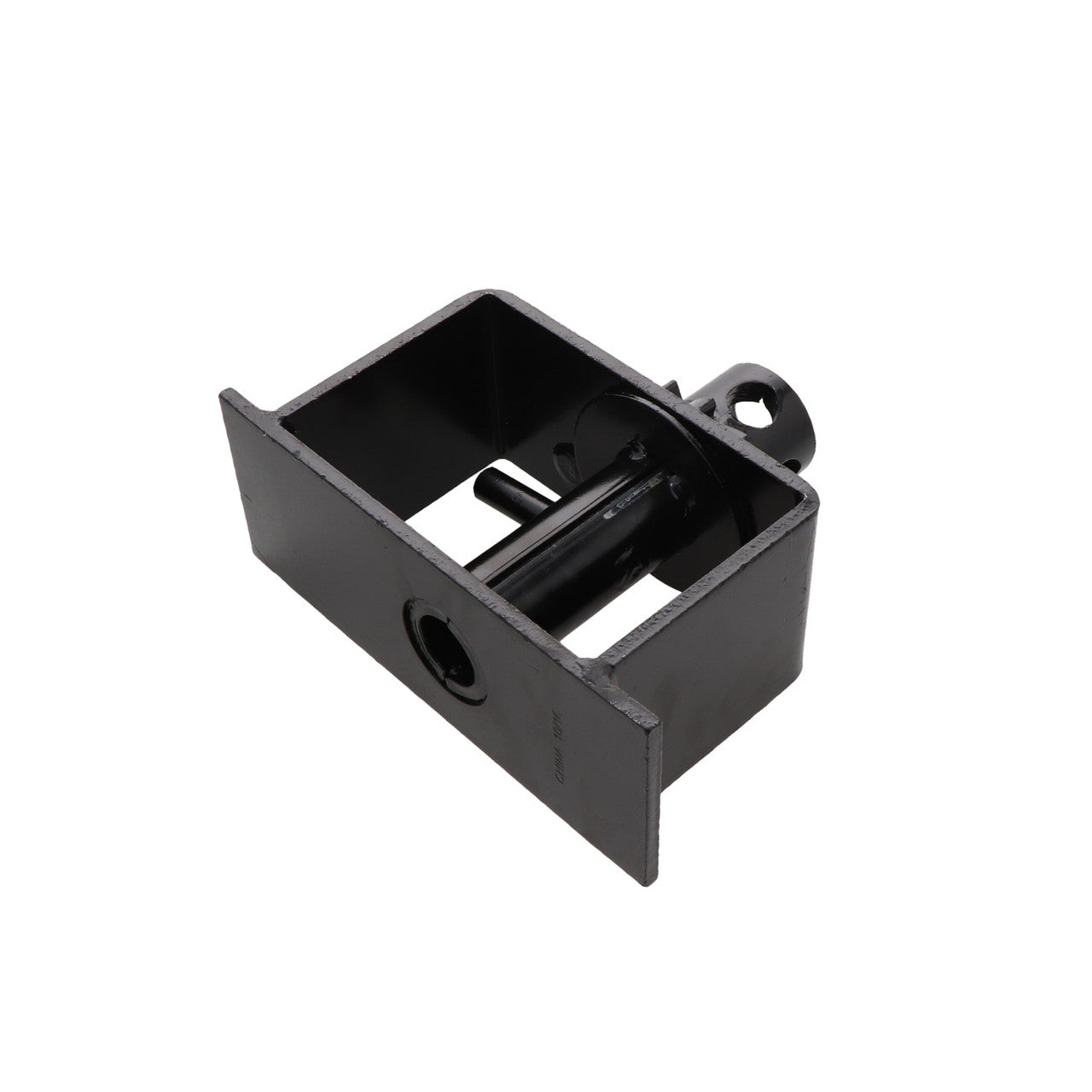
| Kinedyne Inward Offset Stake Pocket Winch | $73 | 5,500 lb | View → |
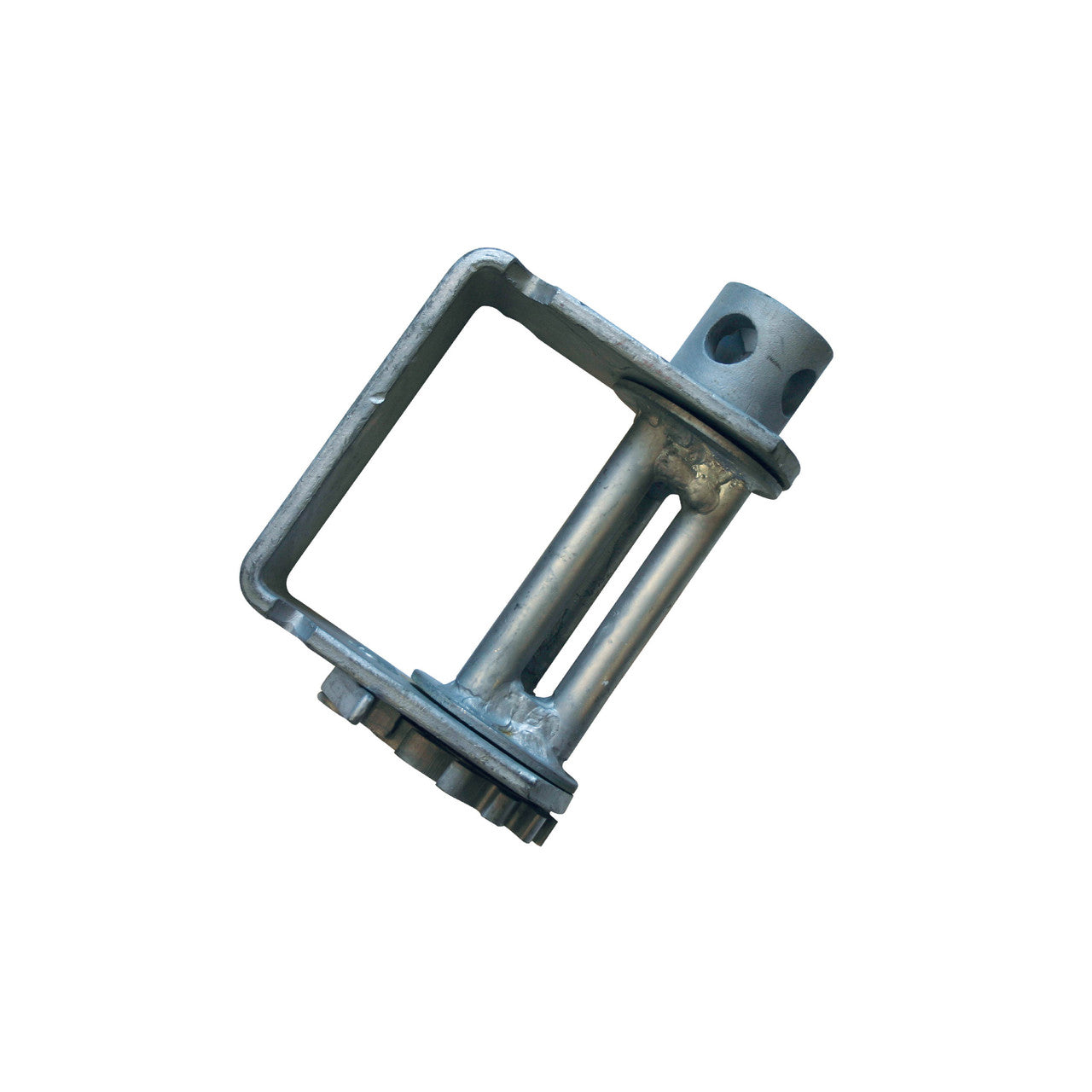
| Kinedyne Storable Galvanized Sliding C Channel Winch | $56 | 6,670 lb | View → |
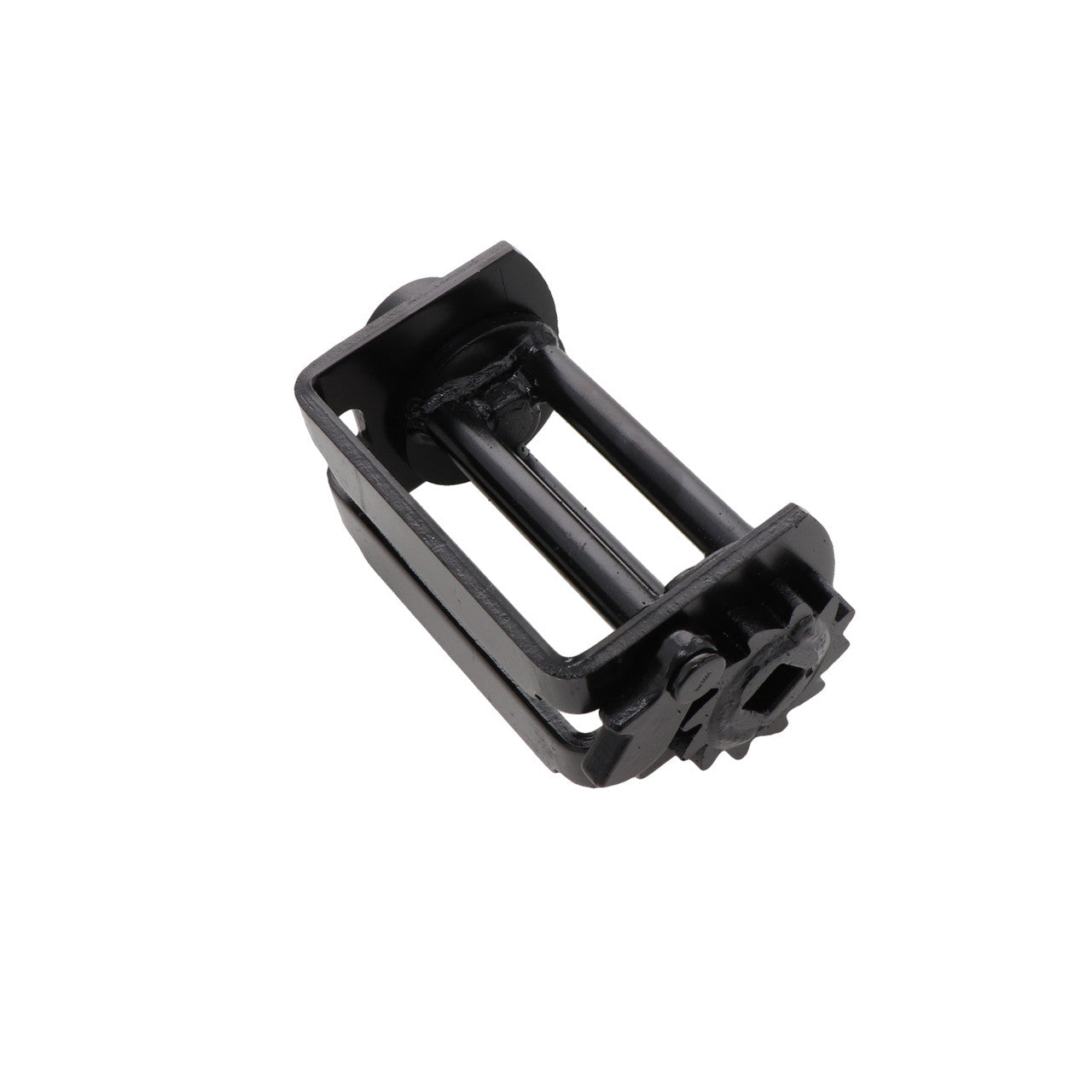
| Vestil Truck Mounted Strap Winches | $39 | — | View → |
| Kinedyne Cable Weld-On Winch | $36 | 3,335 lb | View → |
 In Stock
 In Stock
 In Stock
 In Stock
 In Stock
 In Stock
 In Stock
 In Stock
 In Stock
 In Stock
 In Stock
 In Stock
 In Stock
 In Stock
 In Stock
 In Stock
 In Stock
 In Stock
 In Stock
 In Stock
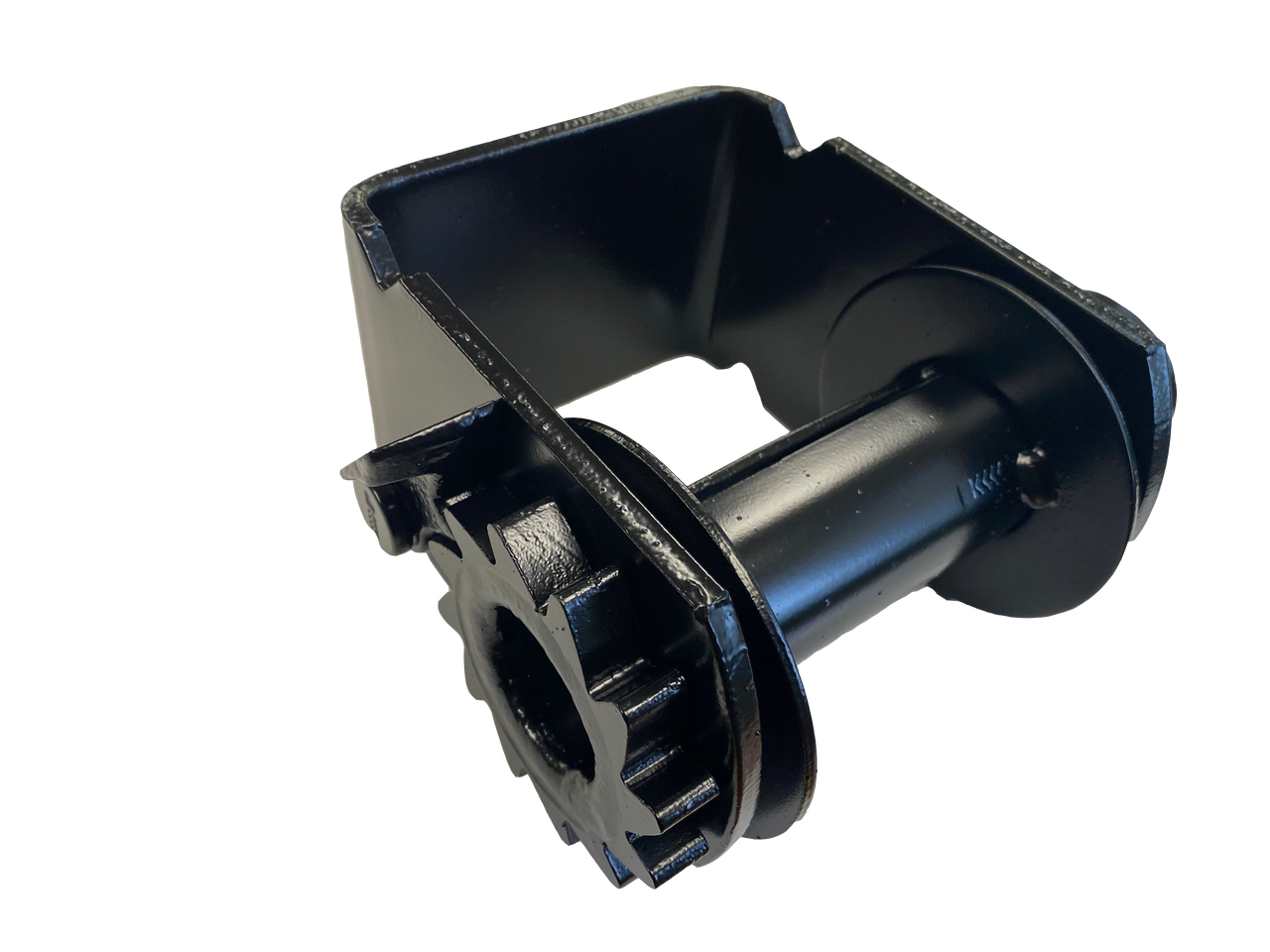 In Stock
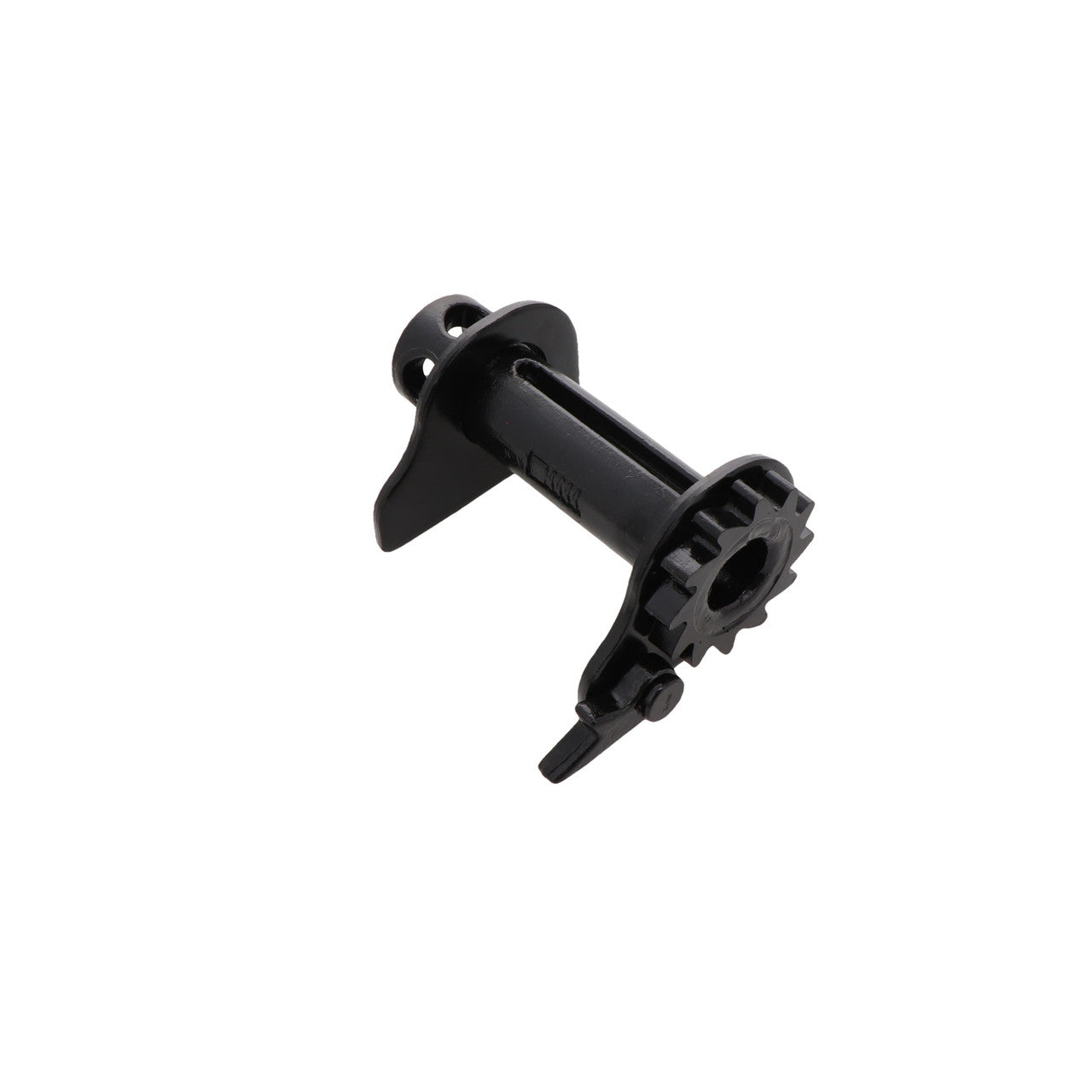 In Stock
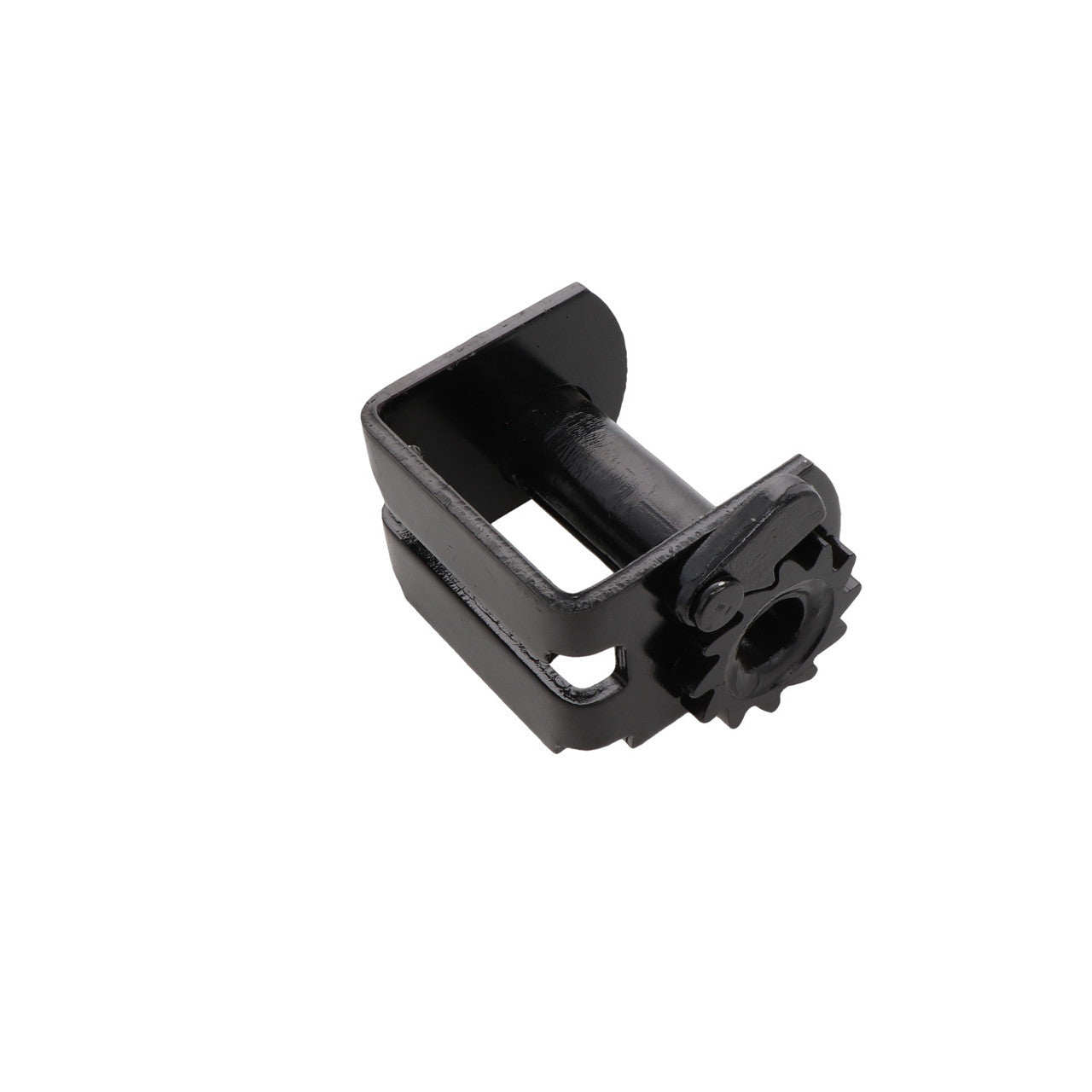 In Stock
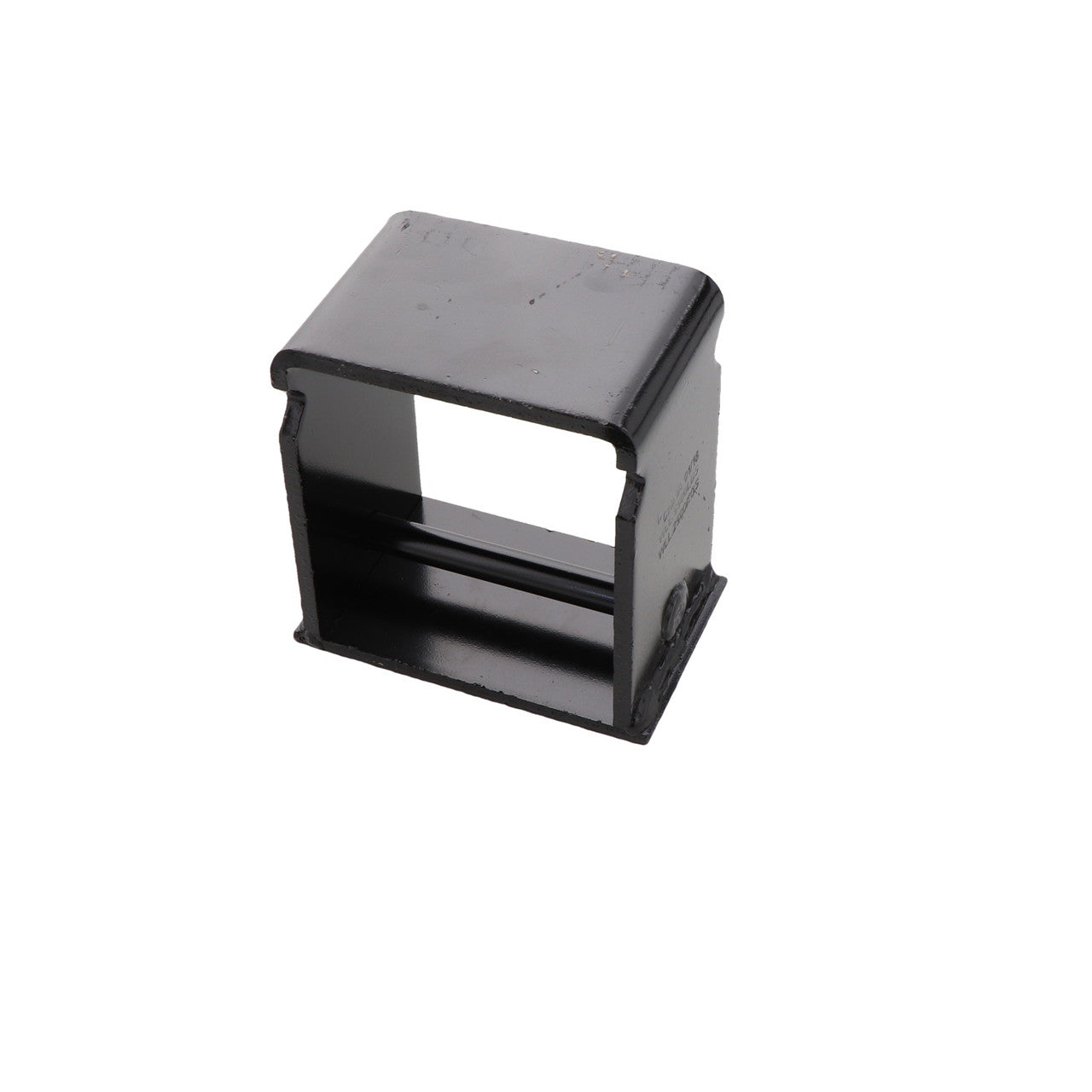 In Stock
 In Stock
 In Stock
 In Stock
 In Stock
 In Stock
 In Stock
 In Stock
 In Stock
 In Stock
 In Stock
Strap Winches Buying Guide
A winch does nothing alone. A strap winch is a tensioner mounted to the trailer, and it works only as one part of a three-piece system. The winch holds and reels the webbing; a winch strap with a single flat, wire, or chain fitting on one end supplies the webbing that crosses the load; and a winch bar levers the mandrel around to pull it tight. That division is the whole reason flatbed fleets run winches instead of self-contained ratchet straps: the mechanism stays welded to the rail, so the straps that wear out and get replaced are cheaper and lighter. Buy the three pieces as a matched set, because a 4 inch winch will not tension a 3 inch strap, and a bar that fits one mandrel can foul another.
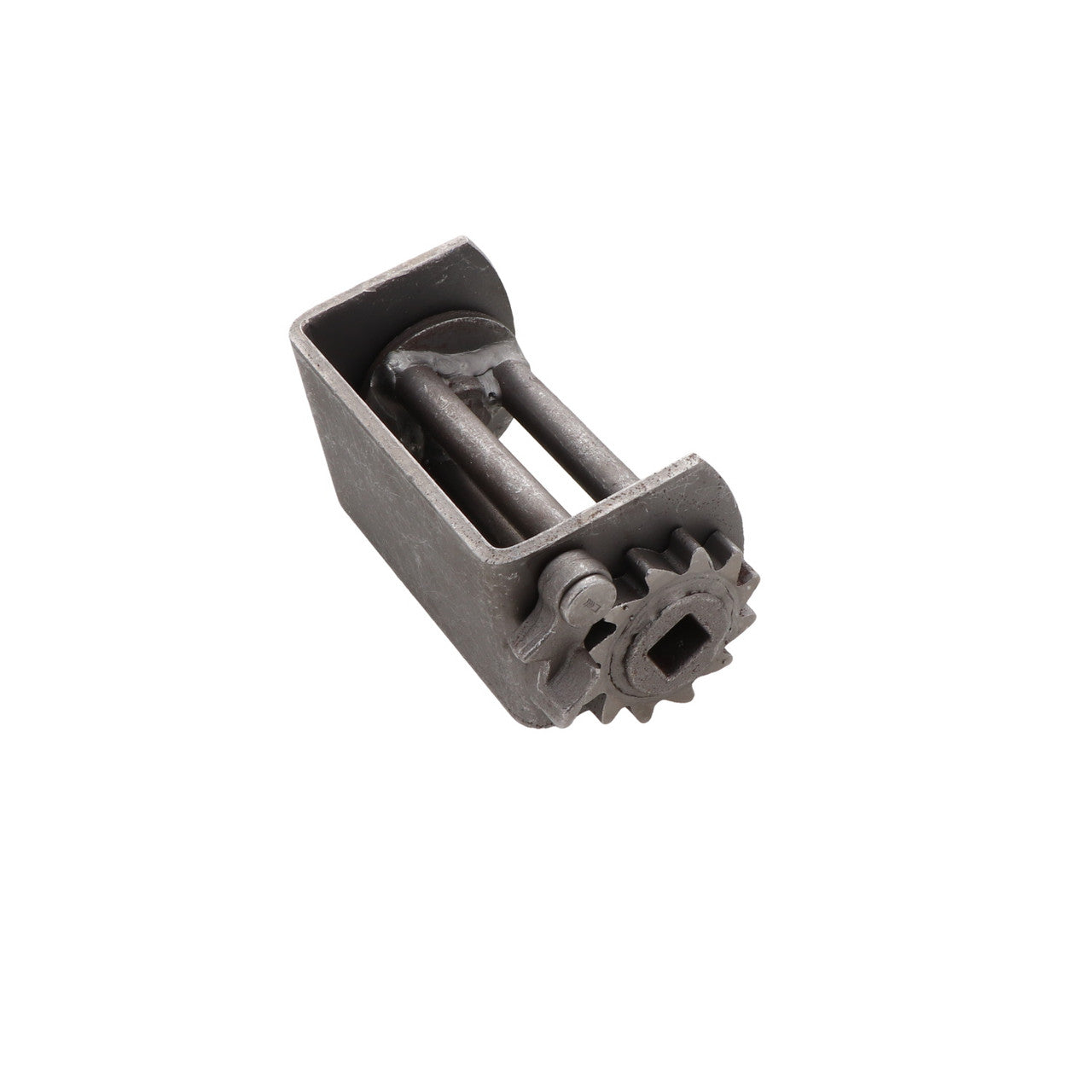
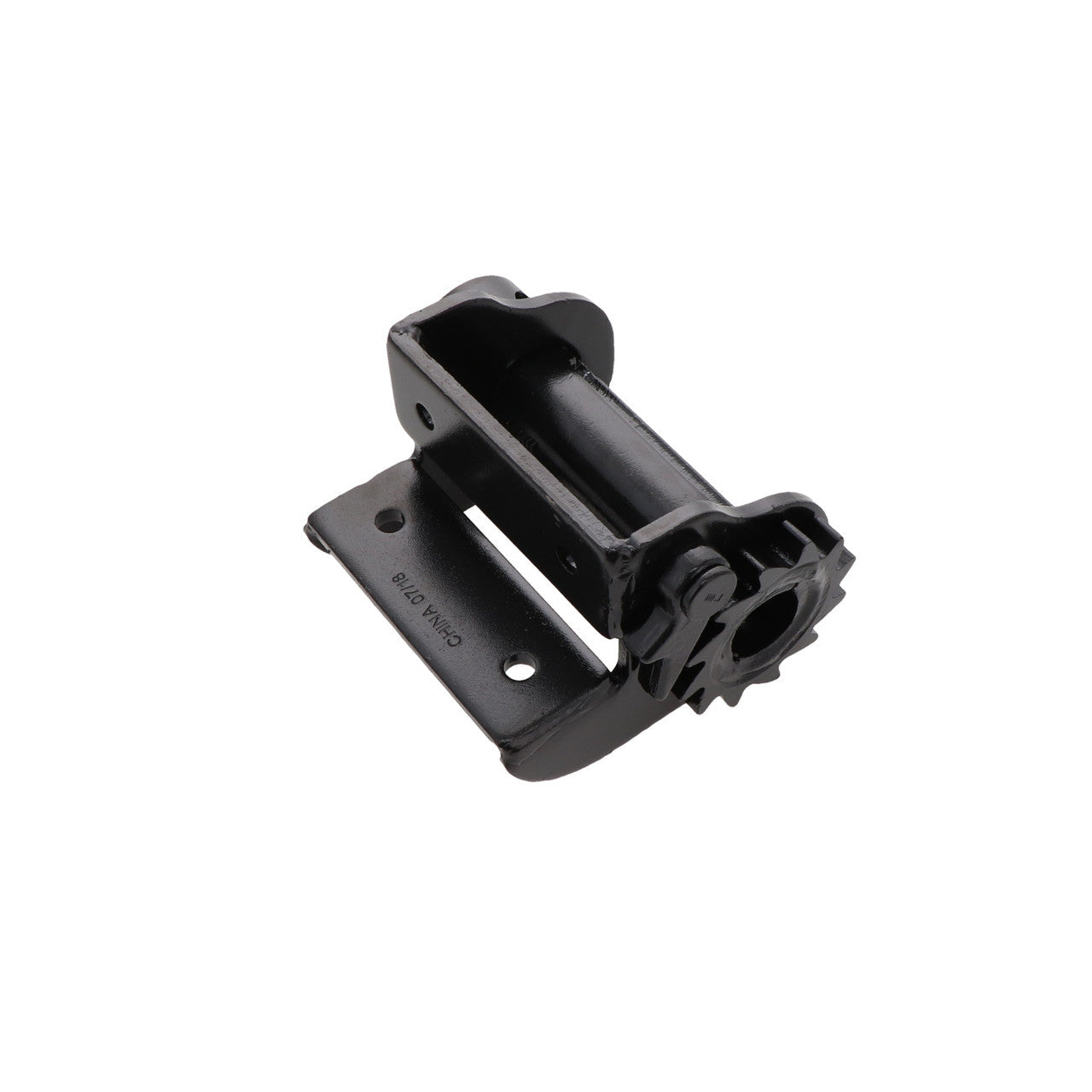
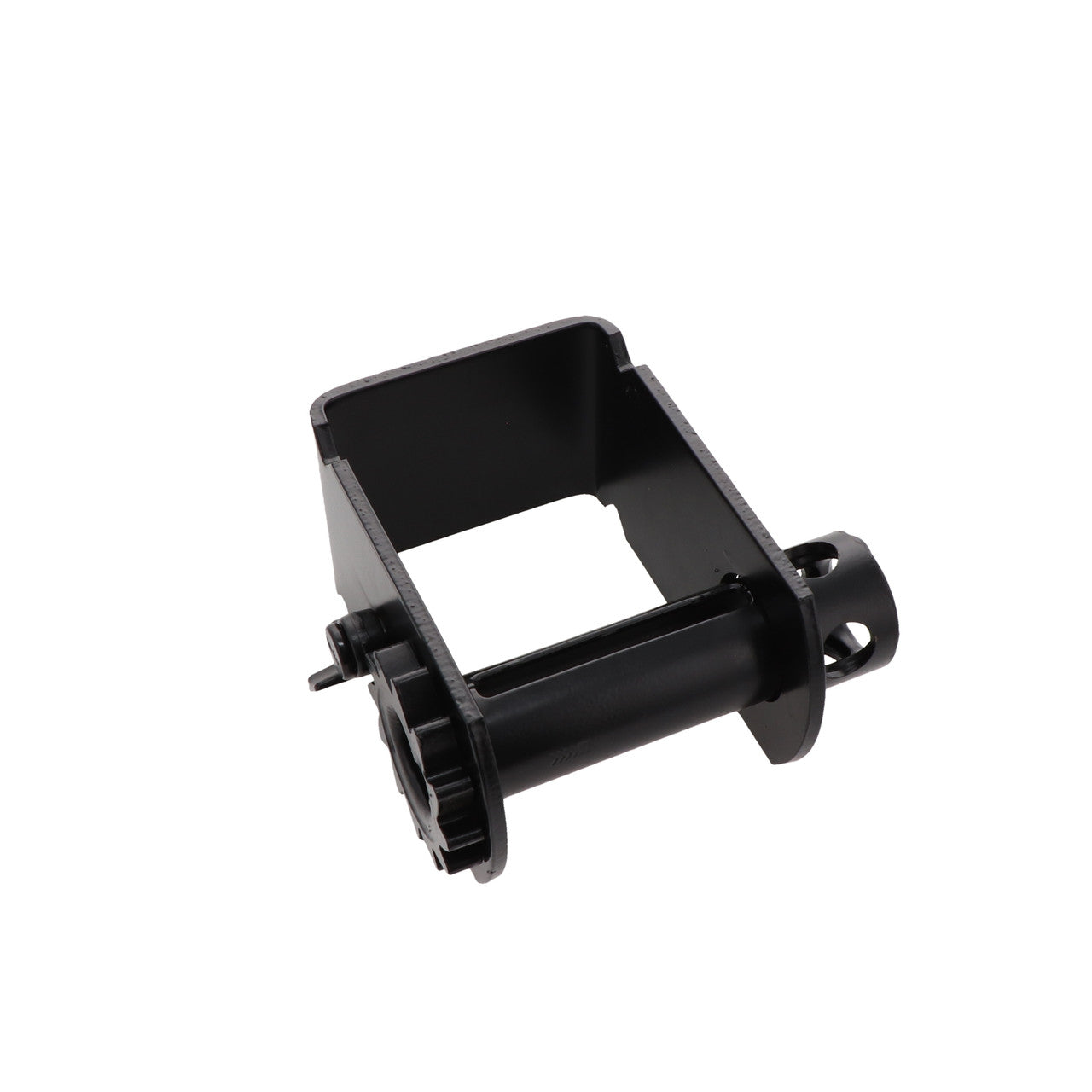
How the winch fastens to the rail. Every winch here is a Kinedyne, and the mounting style is the first fork. Weld-on winches are permanent: robotically welded to the rub rail or undermounted below it, they make the strongest fixed point and the cheapest way to add capacity, with the standard weld-on around $31 and the storable version near $44, both rated 6,670 lb. Portable winches with two set screws clamp to any bare section of rail and move when the load pattern changes, from about $30 for the standard 5,500 lb unit. Side-mount bolt-on winches trade the welder for bolts, near $58, for shops that cannot or will not weld. The inward offset stake pocket winch drops into existing stake pockets at $73 and 5,500 lb, adding a tie-down point with no rail modification at all.
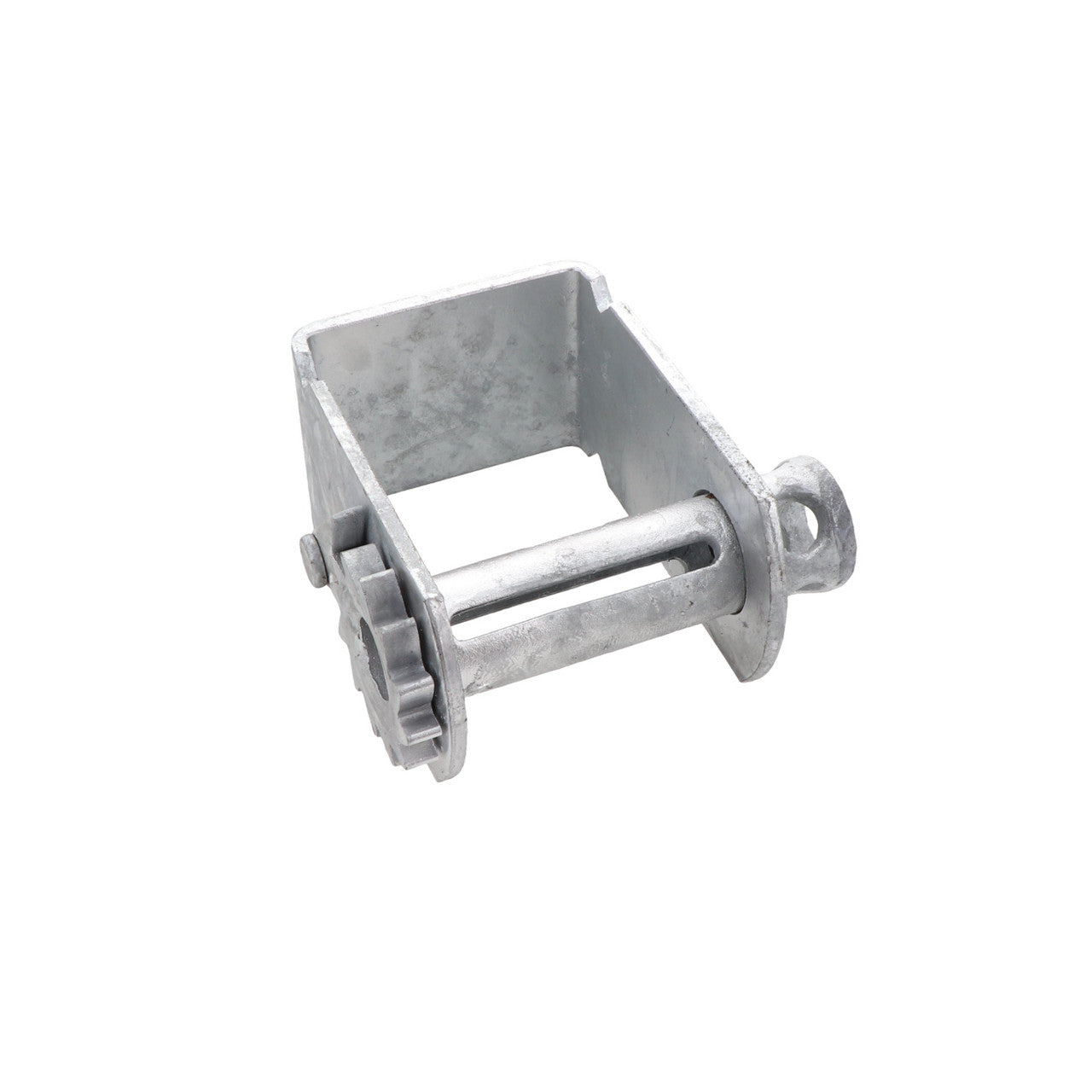
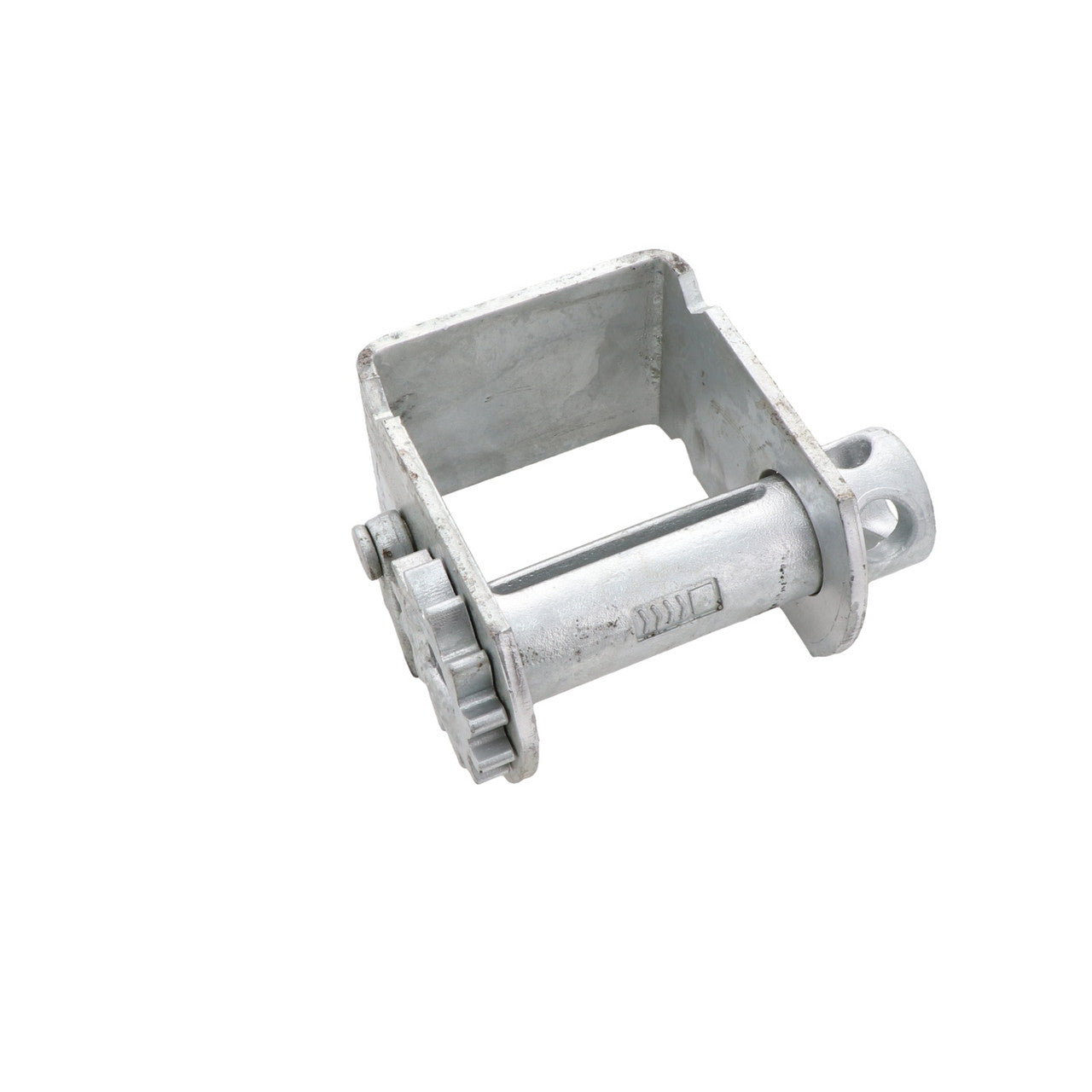
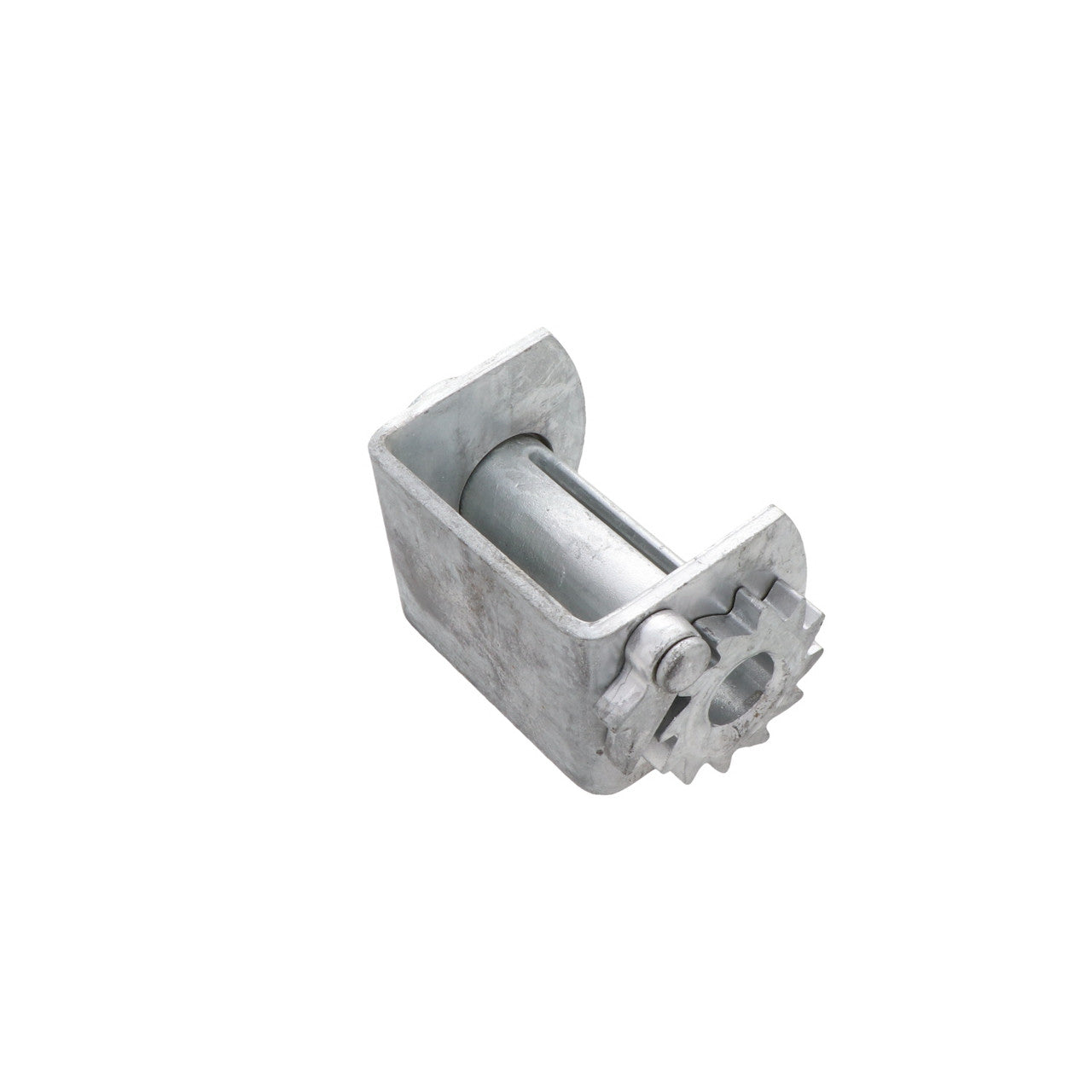
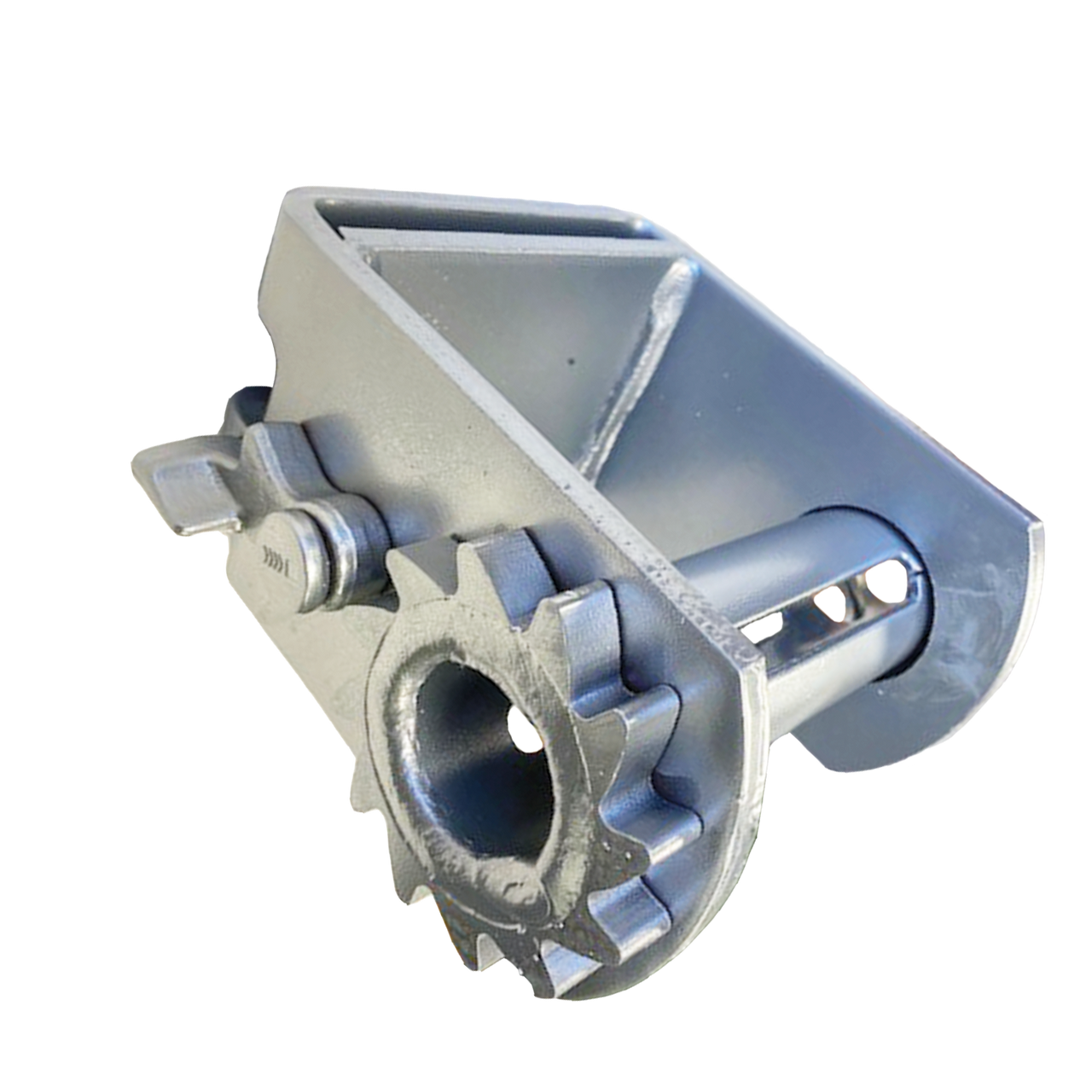
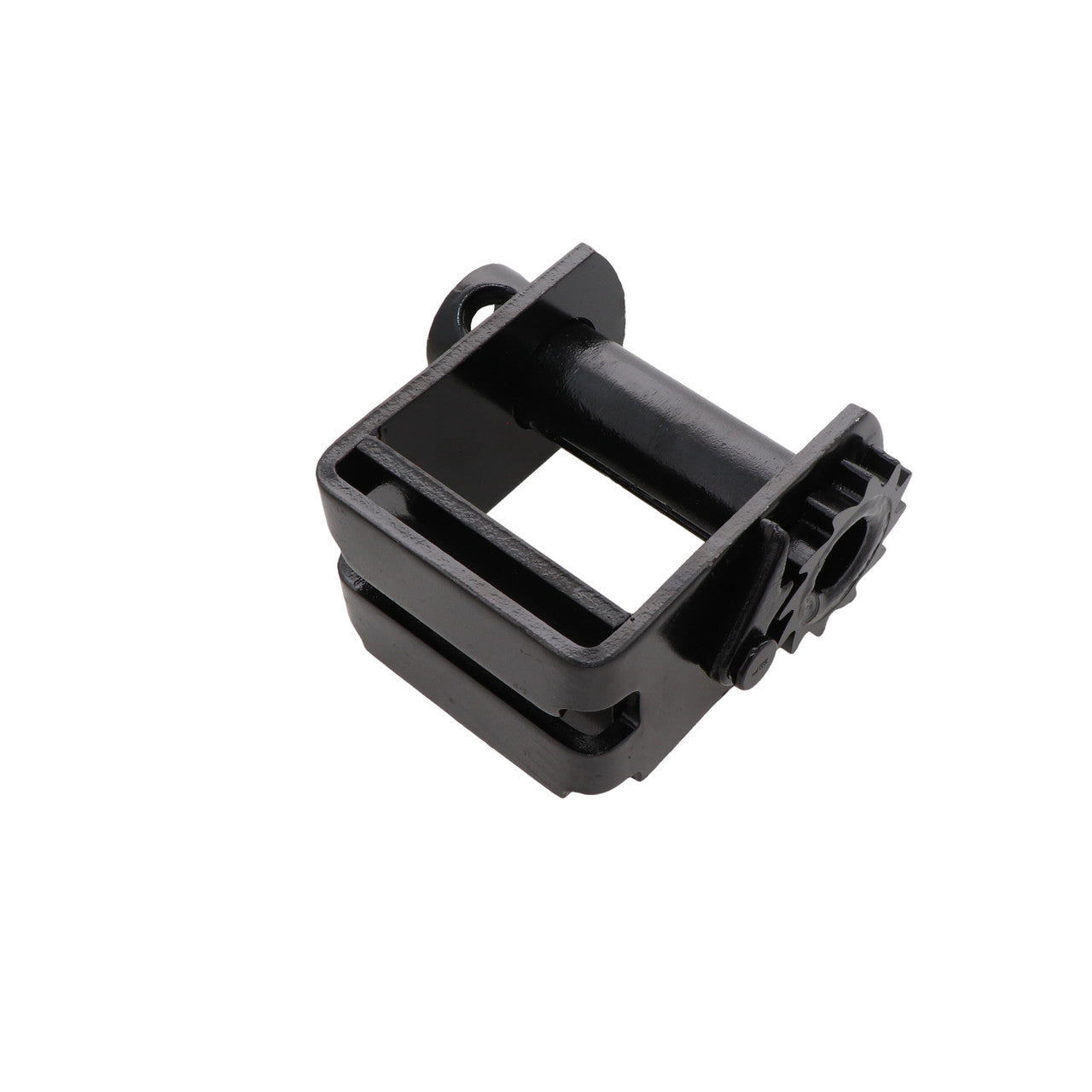
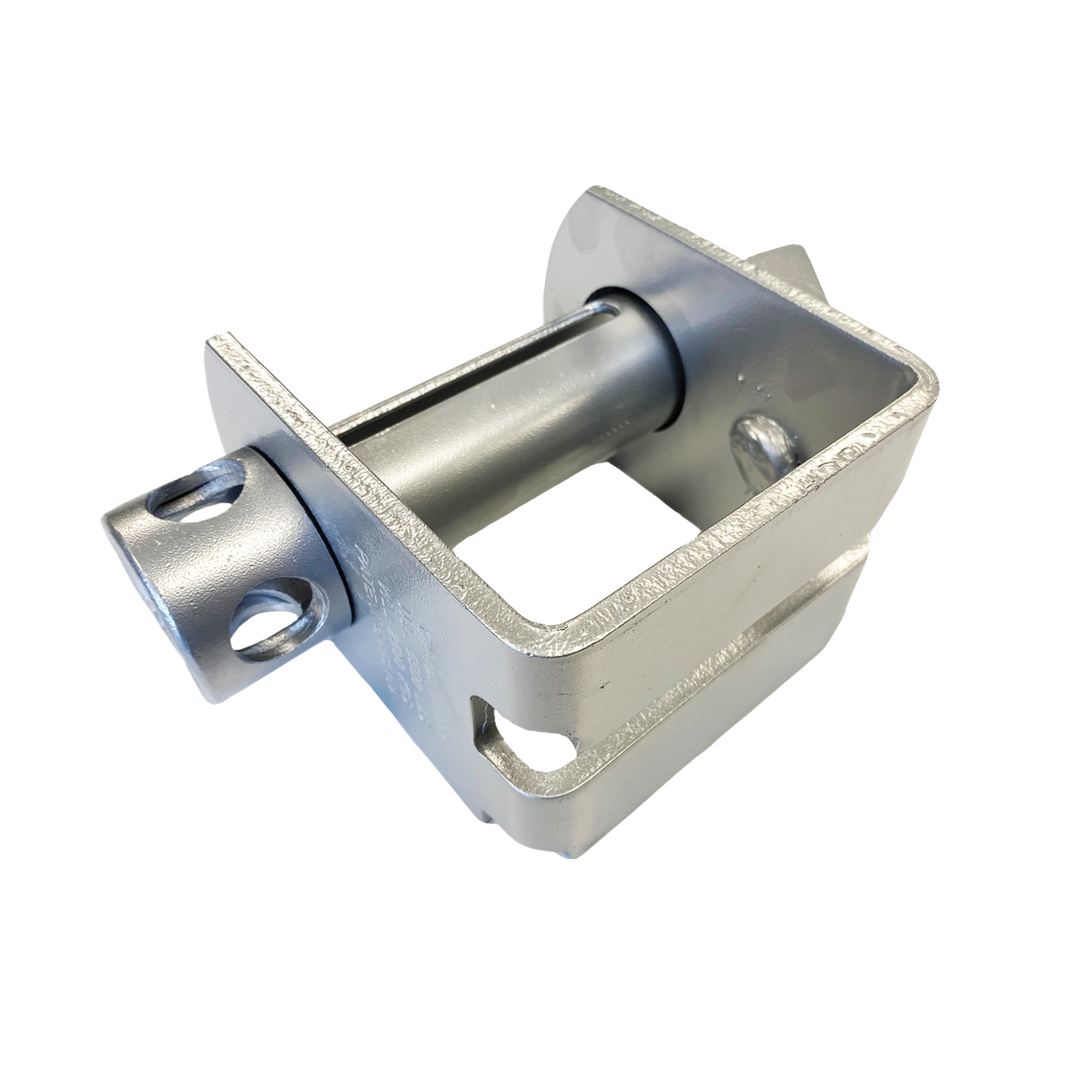
Sliding winches need a track, and the track is not universal. A sliding winch is the flexible answer: it rides a rail-mounted track and locks in place the instant strap tension loads it, so the tie-down point sits exactly where the cargo wants it. The catch is compatibility. There are two track families and they do not interchange. C channel winches, from the standard sliding unit near $35 in 27 ft up to the galvanized C channel 3-bar around $89, run only on C channel track. Double L winches, from about $32 for the powder coated model, ride Double L track. Confirm which track is already on the trailer before ordering, because a C channel winch on Double L track will not mount at all. Storable and low-profile versions of both fold down or sit flush so they clear a tarp and shed the snag that retires a proud winch early.
Match the mandrel to the strap, and count the bars. The mandrel is the slotted bar the webbing threads through, and it is sized to the strap: Kinedyne builds winches for 2 inch, 3 inch, and 4 inch webbing, and the winch, the strap, and the bar all have to agree on that number. Four inch is the flatbed default and the easiest size to resupply. The other choice is the slot count. A 2-bar mandrel is the standard, while a 3-bar mandrel gives extra purchase on the webbing and an easier thread when the slot is packed with ice, snow, or a frayed end, which is why drivers who load in winter tend to spec it. Cable and lashing winches sit at the light end, rated 3,335 lb for lashing and lighter securement rather than heavy flatbed freight.
Rate the winch as a component, not a headline. Federal securement counts the weakest part of each tie-down, so a winch working load limit only matters as one link in a chain that includes the strap, its fitting, and the anchor. Under the FMCSA weakest-link rule the assembly is capped at its lowest-rated piece, which means pairing a 6,670 lb winch with a 3,335 lb strap gives you a 3,335 lb tie-down, not a 6,670 lb one. Size the winch to the straps it will hold and to the aggregate the load needs, remembering the FMCSA floor of at least half the cargo weight in combined working load limit. For heavy machinery and steel the wider straps and higher ratings live in heavy duty ratchet straps; for the everyday flatbed system, a 6,670 lb weld-on or sliding C channel winch matched to 4 inch webbing is the workhorse the whole category is built around.
Frequently Asked Questions
It depends on how fixed you want the tie-down point. Weld-on winches are permanent and the strongest, welded to the rail for a trailer that hauls the same way every trip. Portable set-screw and side-mount bolt-on winches attach without a welder and can be moved or removed. Sliding winches ride a track and reposition for uneven loads, locking down once the strap is tensioned. If the trailer already has track, a slider is the flexible pick; if not, weld-on is the cheapest capacity.
No. There are two track systems, C channel and Double L, and they are not interchangeable. A C channel winch mounts only on C channel track, and a Double L winch only on Double L track. Check which track is already on the rail, or which one you plan to install, before ordering the winch. Getting this wrong is the most common mistake in the category.
The number counts the slots in the mandrel where the strap threads. A 2-bar mandrel is the standard and handles most work. A 3-bar gives more grip on the webbing and threads more easily when the slot is packed with ice, snow, or a worn strap end, so drivers who load in winter often prefer it. Both tension the same strap; the 3-bar just makes cold-weather rethreading less of a fight.
Match the webbing width to the mandrel. Kinedyne builds winches for 2 inch, 3 inch, and 4 inch straps, and the winch, the strap, and the winch bar all have to be the same size. Four inch is the flatbed standard and the easiest to resupply. A 4 inch winch will not properly tension a 3 inch strap, so buy the winch and its straps as a matched set.
The winches here run from 3,335 lb on the light cable and lashing units to 6,670 lb on the standard weld-on and sliding C channel models. But the winch is only one link: the FMCSA weakest-link rule caps each tie-down at its lowest-rated component, so a 6,670 lb winch on a 3,335 lb strap is a 3,335 lb tie-down. Size the winch to the strap and to the aggregate working load limit the load requires.