Start with your daily load count
The single most useful number is how many pallets you wrap in a typical day, because that's what separates the three tiers. Hand wrapping works when volume is low, a handful of loads, but it's slow, inconsistent, and hard on the person doing it. A semi-automatic machine, where a worker loads the pallet and attaches the film but the turntable spins and wraps automatically, suits the broad middle. An automatic machine, which wraps loads fed by conveyor or forklift with no one touching the film, earns its keep at high volume. Count your loads first; the rest of the decision follows from it.
Under ~10 loads a day: hand or handheld
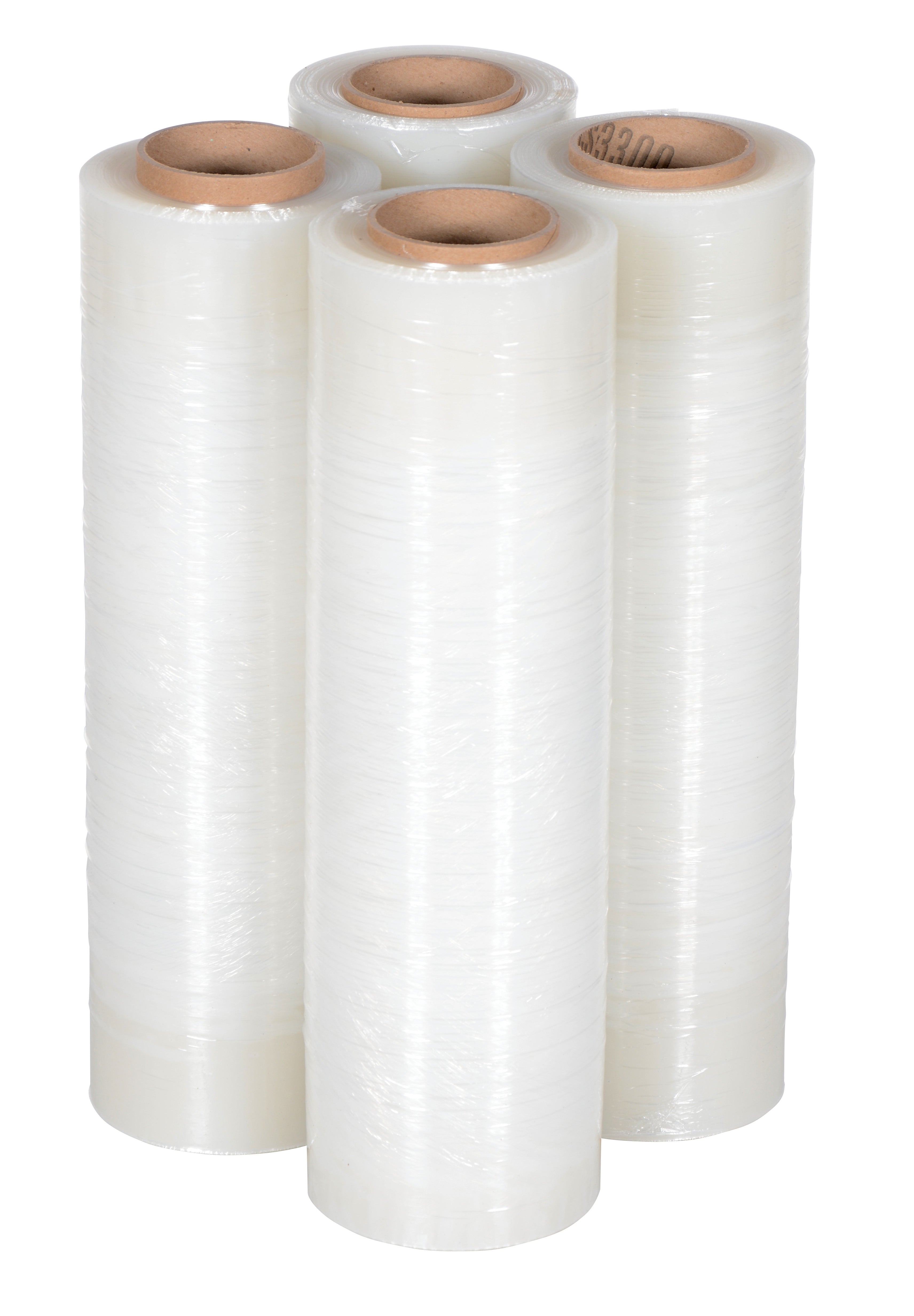
At low volume, machine wrapping is hard to justify. Wrapping by hand with a roll of film, or a handheld dispenser that makes the job easier on the back and applies film more evenly, covers occasional wrapping fine. The tradeoff is consistency and film use: hand wrapping stretches film less, so it uses more of it per load and holds loads less reliably than a machine. If you're wrapping a few pallets a day and floor space or budget is tight, this is the sensible tier. Once you're wrapping steadily through the day, it's time to look up a level.
~10 to 100 loads a day: semi-automatic
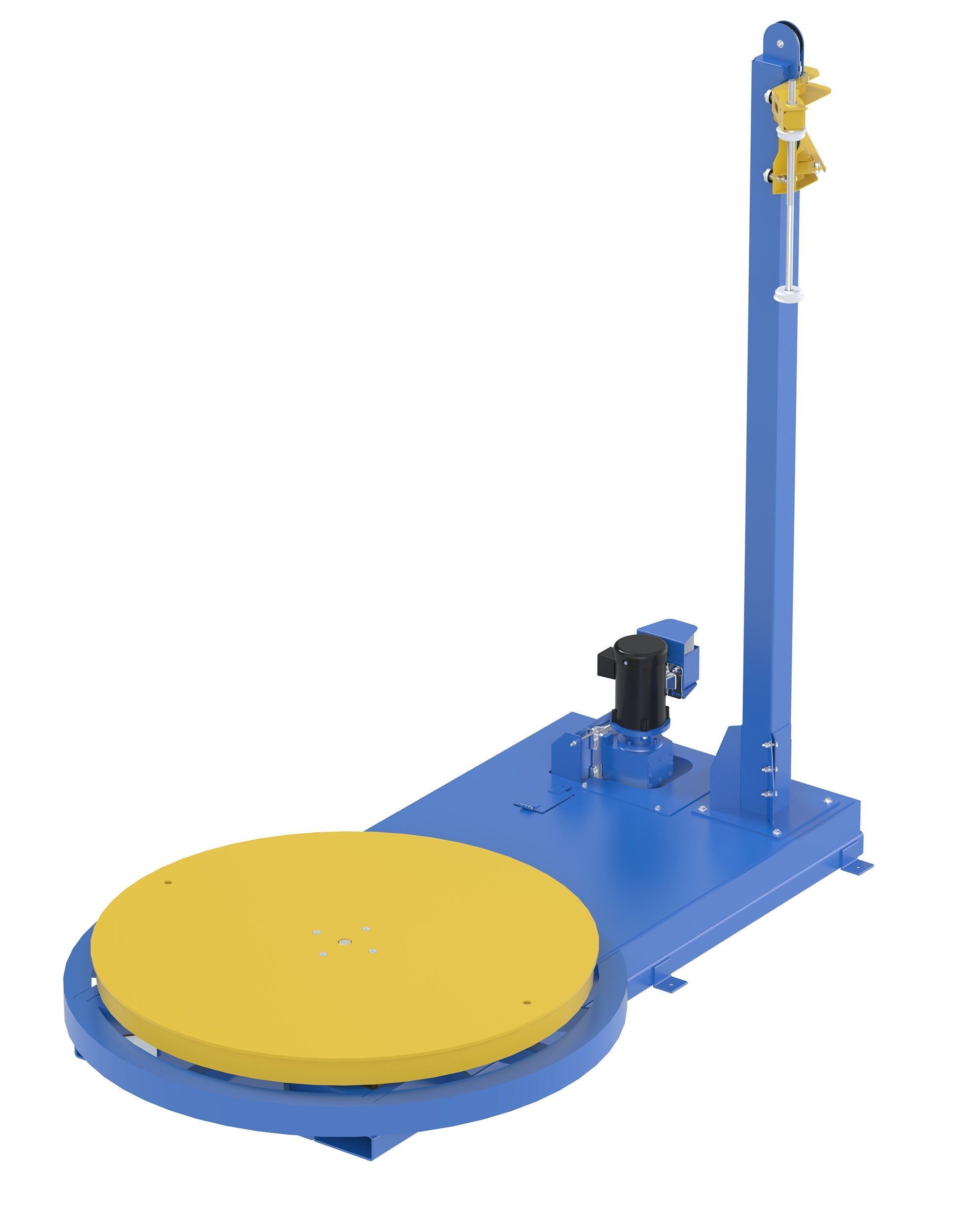
This is where most operations land, and where a semi-automatic turntable wrapper makes clear sense. The worker places the pallet on the turntable and attaches the film tail; the machine spins the load and applies film at a controlled tension, then the worker cuts it free. Compared with hand wrapping, it's faster, uses far less film because it pre-stretches consistently, and holds loads better. Robopac's guidance puts the hand-versus-machine break point around 10 loads a day, and semi-automatic machines comfortably handle up to roughly 100. If you're in this band, a semi-auto is usually the best value.
Above ~100 loads a day: automatic
At high, steady volume an automatic wrapper pays off. These machines wrap loads fed in by conveyor or forklift with no operator handling the film at all, which removes labor from every single load and keeps throughput high. The catch is cost and footprint: automatic systems are a bigger capital outlay and take more floor space and integration than a turntable. Industry guidance generally points to the 100-loads-a-day mark as where the labor savings start returning that investment quickly. If you're wrapping well over 100 pallets a day on a consistent line, automatic is the tier to price out.
Beyond volume: load type and film
Volume picks the tier; a few other factors fine-tune the choice. Heavy or unstable loads benefit from features like powered pre-stretch and a top platen that presses down while wrapping. Very light loads need gentle tension so the film doesn't crush them. Tall or oddly shaped loads may need a taller mast or a rotary-arm style rather than a turntable. And film matters: a machine that pre-stretches film well uses less of it, which adds up fast at volume. Match these to your actual loads once you've settled the tier, and you'll land on the right machine rather than an over- or under-built one.
Where a wrapper fits in the facility
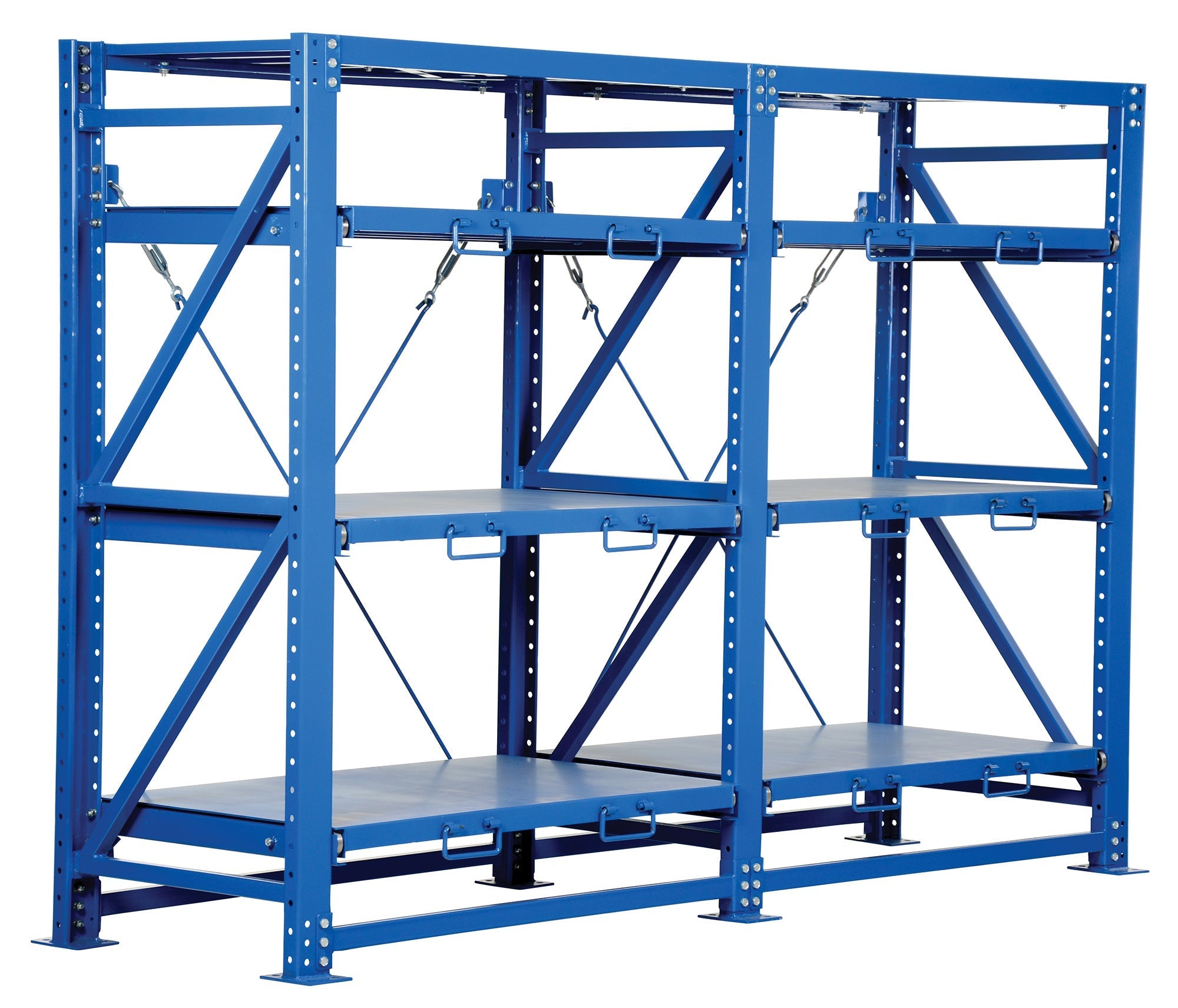
A stretch wrapper sits at the shipping end of the flow, so place it where wrapped loads move straight to the dock. It's the packaging step that stabilizes what your racking stored and your forklifts staged, readying loads to ship without shifting or toppling in transit. Thinking about it as part of the whole facility layout, rather than a standalone purchase, keeps outbound flow smooth. Get the tier right for your volume, match the machine to your loads, and the wrapper quietly does one of the most repetitive jobs in the building.
Film pre-stretch is where the savings are
The reason machine wrapping costs less to run than hand wrapping comes down to pre-stretch. Stretch film is designed to be elongated as it's applied, and a powered machine can pre-stretch it 200 to 300 percent, meaning one foot of film off the roll covers two to three feet of load. Wrapping by hand, you might stretch it 10 or 20 percent, so you burn far more film per pallet for a weaker hold. Over thousands of loads, that gap in film use dwarfs the price of the machine. When you compare tiers, look at the pre-stretch capability, since that's the number that shows up on your film bill every month.
Weigh the total cost, not the sticker
It's tempting to compare wrappers on purchase price alone, but the running costs matter more at volume. A cheap hand-wrapping setup has almost no upfront cost, yet it eats labor on every load, uses more film, and produces less consistent wraps that let loads shift or topple, which means damaged product and freight claims. A semi-automatic machine costs more upfront but cuts the labor per load, slashes film use through pre-stretch, and holds loads more reliably. Add up labor, film, and damage over a year, and the machine that looked expensive is usually the cheaper one. Buy for the total cost of wrapping, not the price tag.
Turntable, straddle, or rotary arm
Within the machine tiers there are a few form factors, and they suit different loads. A turntable wrapper spins the pallet on a rotating deck while a mast applies film; it's the common, economical choice and handles most stable loads well. A straddle or rotary-arm wrapper keeps the load still and spins the film around it on an arm, which is the answer for very heavy loads that shouldn't be spun, or light and unstable loads that would shift on a turntable. For high throughput, an automatic rotary or conveyorized wrapper wraps loads in continuous flow. Pick the form factor around your load's weight and stability once the volume tier is set, and the machine will wrap cleanly instead of fighting the load.