What facilities equipment covers
Beyond the lifting and rigging gear used to move loads, a warehouse runs on the equipment that protects, stores, and packages, the facilities category. It spans three broad areas: safety barriers, guardrails, and bollards that separate forklifts from people and shield racking and walls from impact; pallet racking and shelving that store inventory efficiently and safely; and packaging equipment like stretch wrappers that stabilize palletized loads for transport. Together these keep a facility safe, organized, and moving. This guide ties them together and links to the specifics of each.
Safety barriers and bollards
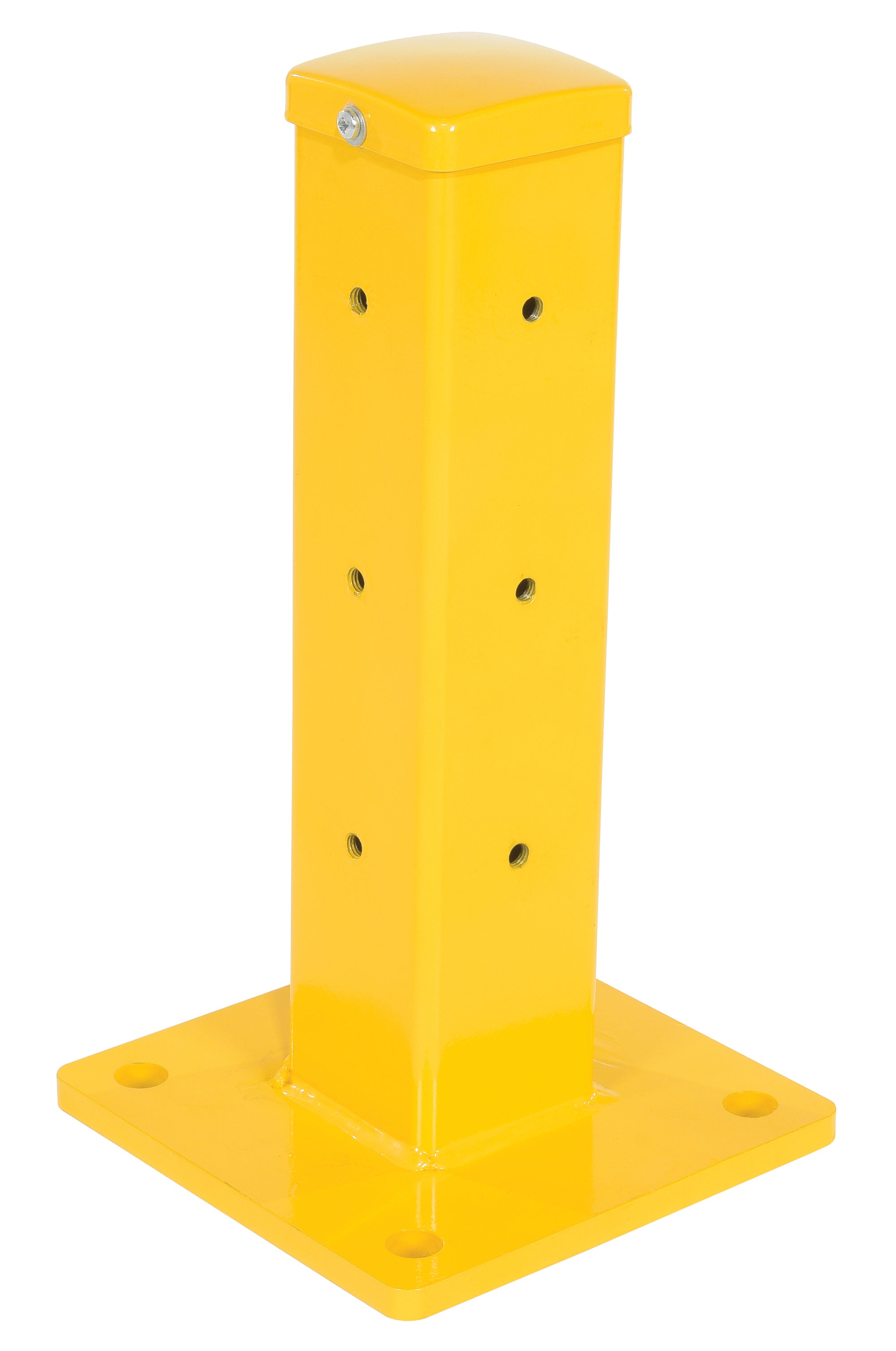
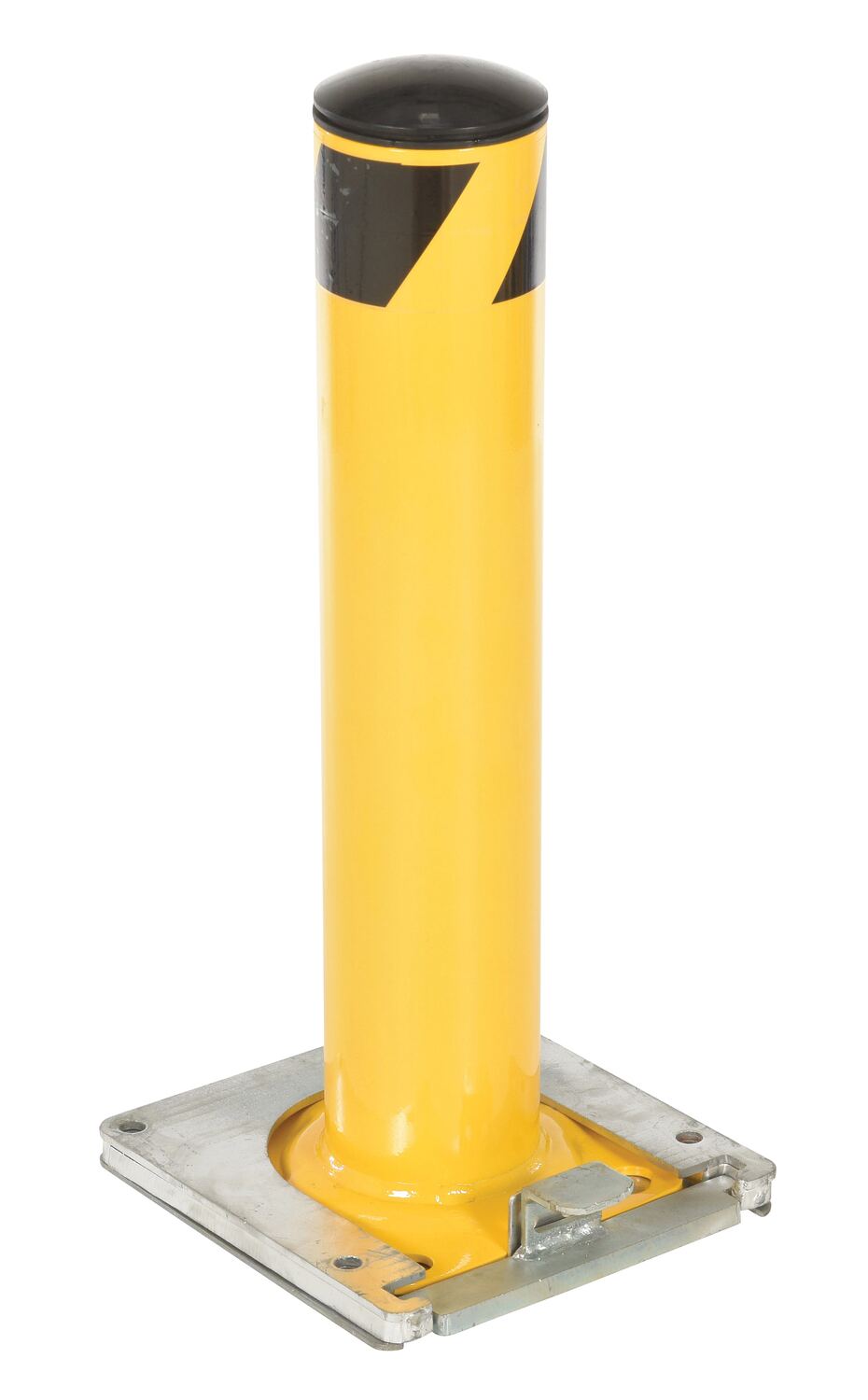
Forklift impacts are a leading cause of warehouse damage and injury, so physical barriers are essential. Guardrails separate pedestrian walkways from vehicle lanes and shield racking, walls, and equipment, while bollards, short vertical posts, protect corners, doorways, and rack ends from strikes. The big choice is steel versus flexible polymer: steel is rigid and lower-cost but transfers impact to the floor, while polymer flexes, absorbs the hit, and rebounds. Match the barrier's impact rating to your forklift's weight and speed, and separate people from vehicles wherever they cross.
Pallet racking
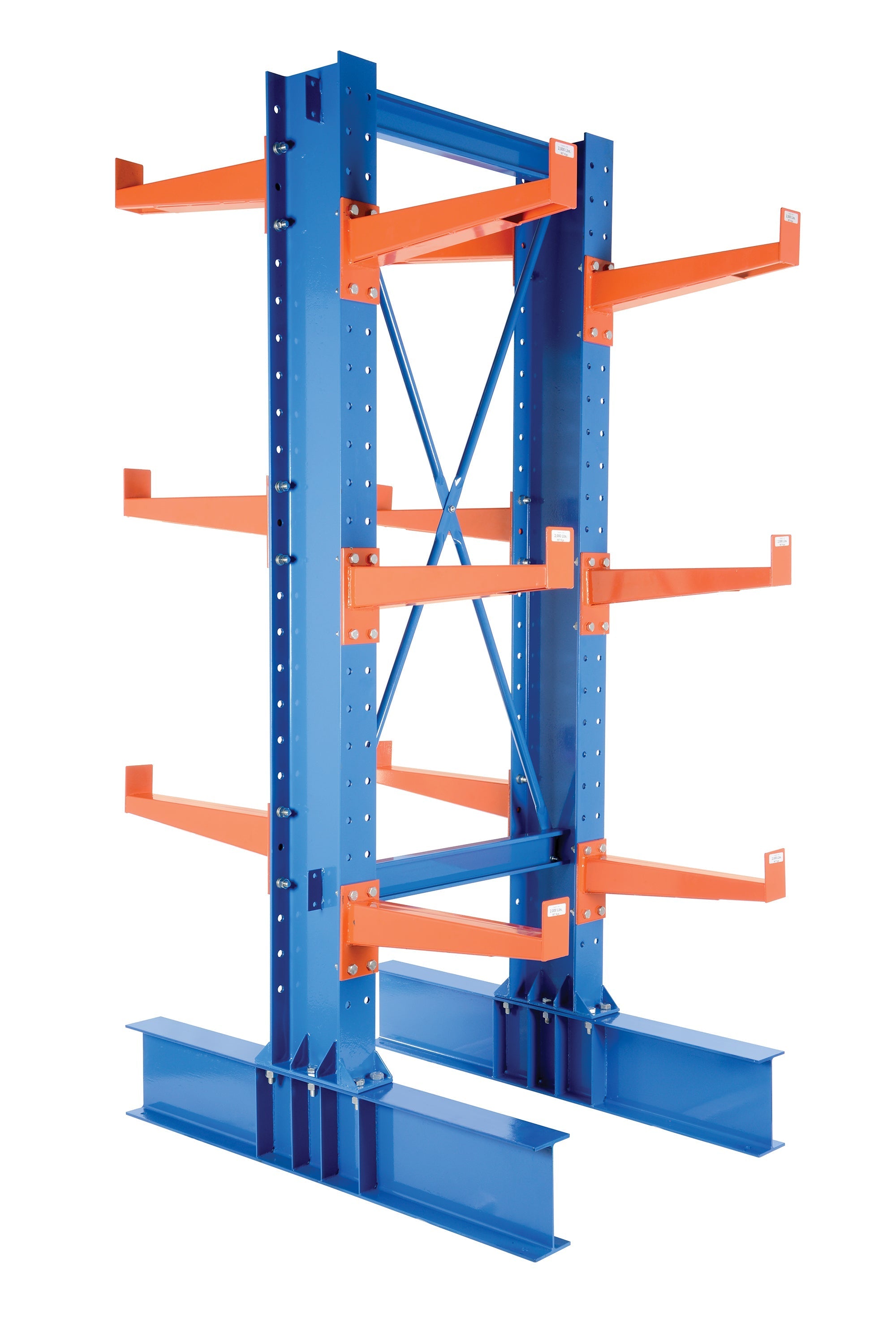
Pallet racking is the backbone of warehouse storage, steel beam-and-upright structures that stack palletized loads vertically. The main types trade selectivity for density: selective racking gives direct access to every pallet, while drive-in, push-back, and pallet-flow systems pack far more pallets per square foot at the cost of direct access. Cantilever racking handles long, bulky loads like lumber and pipe. Racking is governed by the ANSI MH16.1 standard and requires load-capacity plaques and inspection, since an overloaded or forklift-damaged rack can collapse. Choose the type by your inventory and throughput.
Warehouse shelving
For smaller items, parts, cartons, and hand-stackable goods, shelving does the job that pallet racking does for palletized loads. Boltless rivet shelving assembles fast and reconfigures easily for general storage; enclosed steel shelving suits stockrooms and tool cribs; and wire shelving allows airflow and drainage for kitchens, cold storage, and cleanrooms. Shelving is lighter-duty and more granular than racking, and most warehouses use both, racking for pallets, shelving for the smaller items picked by hand. Match the shelving type to your load weight, environment, and how often you reconfigure.
Packaging equipment
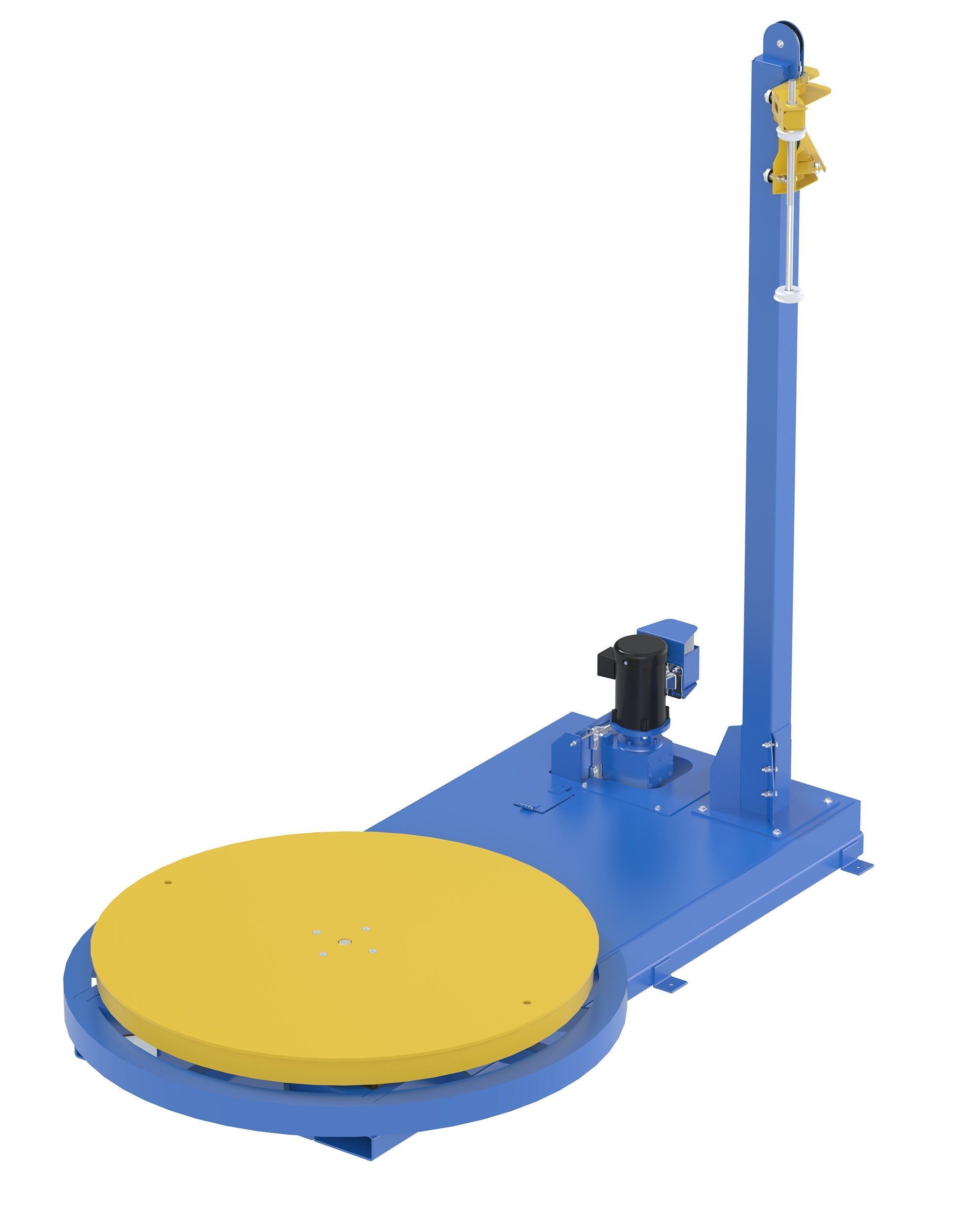
Once goods are picked and palletized, they need to be secured for shipping, and that's where packaging equipment comes in. A stretch wrapper applies stretch film around a pallet load to unitize it, stabilizing the stack against shifting and toppling in transit and protecting it from dust and moisture. Wrappers range from manual through semi-automatic turntable machines to fully automatic conveyor systems, matched to your throughput. Strapping and banding provide additional securement for heavy or rigid loads. Efficient, consistent packaging protects product and speeds shipping, and the right machine depends on how many pallets you ship a day.
Safety and compliance run through it all
The unifying theme of facilities equipment is safety. Barriers prevent the forklift impacts that injure people and collapse racking. Racking must be rated, plaqued, protected, and inspected under ANSI MH16.1 so it doesn't fail. Pedestrian and vehicle traffic must be separated per OSHA's walking-working-surface rules. And properly packaged loads don't shift and fall. None of this is optional decoration, it's the infrastructure that keeps a busy warehouse from becoming a dangerous one. Treating barriers, racking, and packaging as safety systems, not just equipment, is what separates a well-run facility from an accident waiting to happen.
Planning a facility
Setting up or upgrading a warehouse means matching each system to your operation. Map your traffic and separate people from forklifts with barriers and bollards at the danger points. Choose racking by your SKU mix and throughput, selective for variety, dense systems for high-volume, cantilever for long loads. Add shelving for hand-picked items. And size your packaging to your shipping volume. Get rated, compliant equipment and lay it out for both efficiency and safety. Browse our full facilities range to start.
The bottom line
Warehouse facilities equipment, safety barriers and bollards, pallet racking and shelving, and packaging machines, keeps a building safe, organized, and productive. Protect people and racking from forklift impact with rated barriers, store inventory with the racking and shelving matched to your goods and throughput, and unitize loads with the right stretch wrapper. Follow the ANSI/RMI racking standards and OSHA traffic-separation rules throughout. Explore the specifics through the guides linked above, compare barriers in our best safety barriers guide, or browse the full range.
Buy rated, quality equipment
As with lifting and rigging, facilities equipment is where quality and ratings matter for safety, not just durability. A safety barrier must be rated to stop your forklift; racking must carry its plaqued capacity; a bollard must be anchored to resist real impacts. Cheap, unrated barriers or racking that can't hold their claimed load are a genuine hazard, a failed barrier lets a forklift through, and an overloaded rack can collapse. Buy rated equipment from established makers, confirm the ratings suit your loads and traffic, and install it correctly. The infrastructure that protects people and inventory isn't the place to cut corners on quality or certification.
Layout ties it all together
Individual pieces of facilities equipment work best as a coherent layout. Traffic flow, where forklifts and people move, drives barrier and bollard placement. Storage density and access needs drive the racking and shelving choice and arrangement. And the packaging area sits at the shipping end of the flow. Planning these together, rather than piece by piece, produces a facility that's both safe and efficient: protected walkways along the traffic paths, the right racking for the inventory, and packaging positioned for outbound flow. Think about the whole layout, not just the equipment list, when planning or upgrading a warehouse.