What pallet racking is
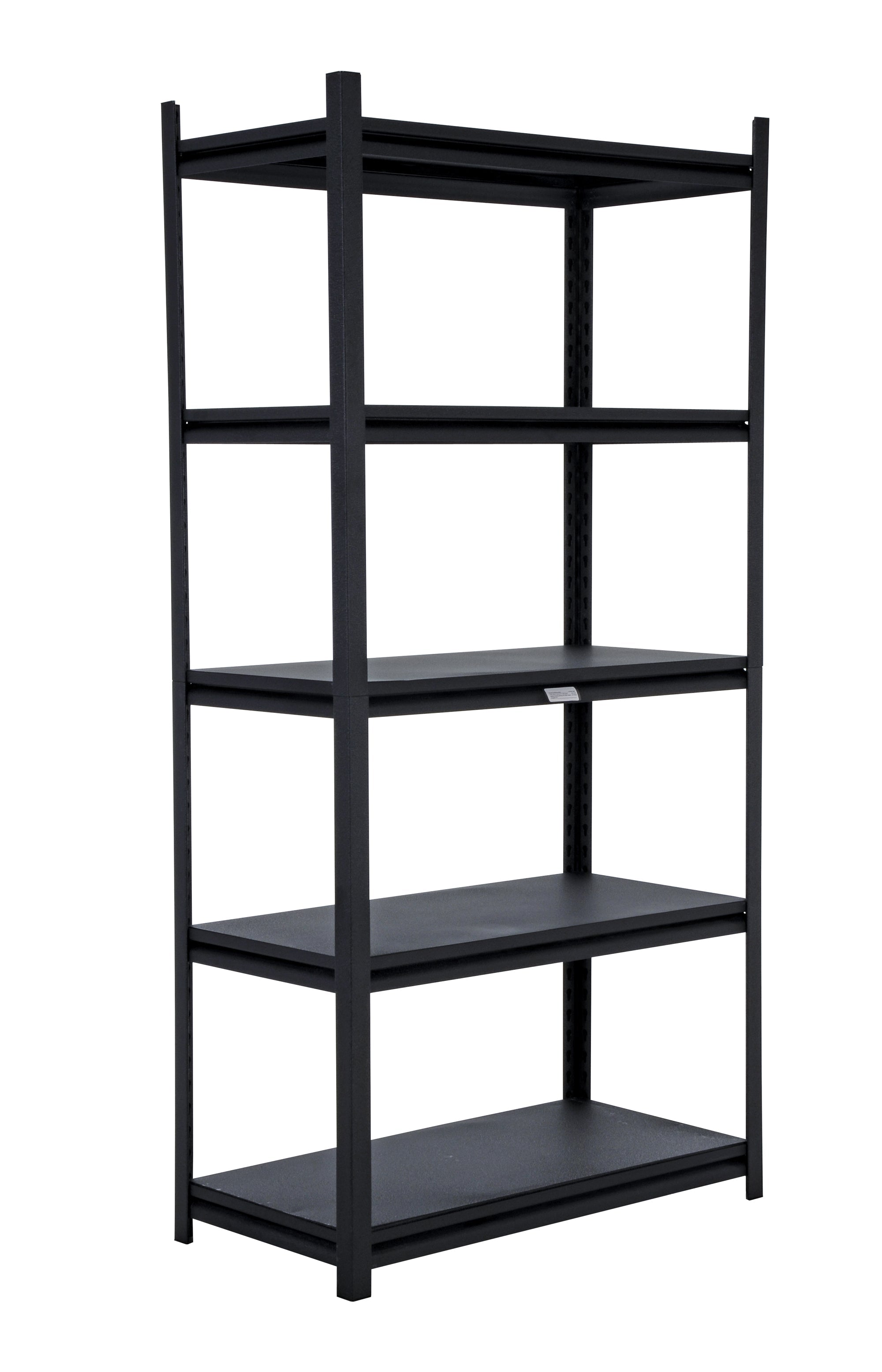
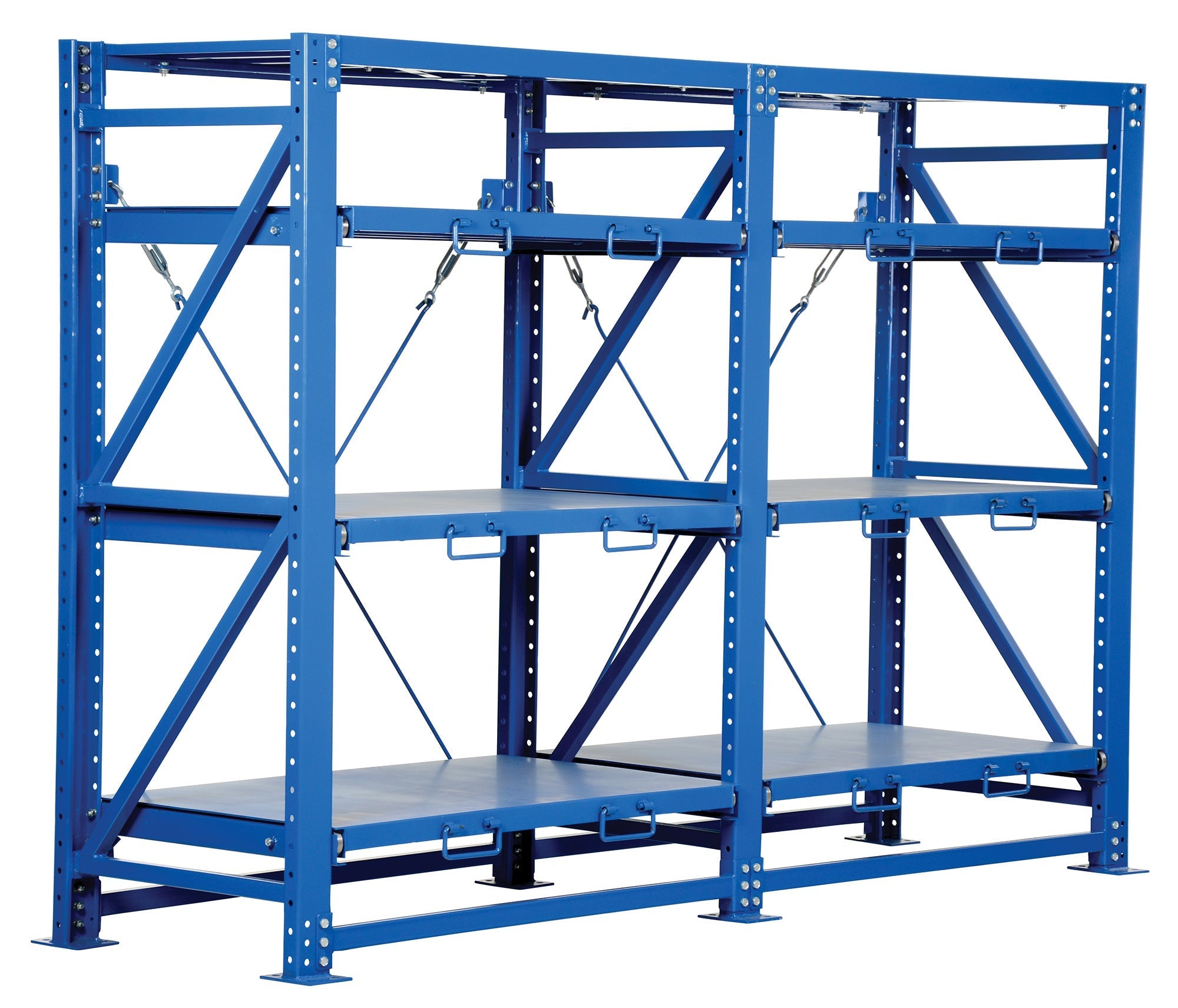
Pallet racking is the steel framework that turns floor space into vertical storage for palletized goods. In its most common form, horizontal beams span between vertical upright frames to create levels, and forklifts place and retrieve pallets on each level, stacking inventory several pallets high. It's the backbone of warehouse storage, letting a facility store far more in the same footprint than floor stacking allows. Racking comes in several types suited to different inventory and throughput needs, and, because it holds heavy loads overhead, it's a safety-critical structure governed by standards. Our storage range includes cantilever racking and heavy-duty shelving for various loads.
Selective pallet racking
Selective racking is the most common type, and it prioritizes access. Every pallet sits directly reachable from the aisle, so you can pick any pallet at any time without moving others, maximum selectivity and flexibility, ideal when you store many different SKUs. The trade-off is density: selective racking needs an aisle for every row, so it uses more floor space per pallet than denser systems. Double-deep selective racking adds a second pallet behind the first (reached with a reach truck) for a modest density gain. For high-variety inventory where direct access matters most, selective racking is the default, versatile choice.
Dense systems: drive-in, push-back, and pallet flow
When density matters more than direct access, three systems pack pallets tighter. Drive-in racking removes aisles by letting a forklift drive into a lane of stacked rails, storing pallets deep, it's LIFO (last in, first out) and best for a few high-volume SKUs. Push-back racking sets pallets on nested carts that roll back as you load and return by gravity, giving depth with better selectivity than drive-in (also LIFO), and up to roughly 75% more density than selective. Pallet flow uses inclined gravity rollers that feed pallets from the load end to the pick end, FIFO (first in, first out) and dense, ideal for high-throughput, date-sensitive goods. Each trades direct access for far more pallet positions.
FIFO versus LIFO: choosing a system
The right dense system often comes down to stock rotation. If you need first in, first out, essential for perishable or date-sensitive goods, choose pallet flow or drive-through racking, which load one end and pick the other. If last in, first out is acceptable, as with non-perishables and packaging, drive-in or push-back racking give density at lower cost. And when direct access to every SKU trumps density, selective racking wins regardless of rotation. Map your inventory: high variety points to selective, high volume with FIFO to flow, high volume with LIFO to drive-in or push-back. Many warehouses combine systems for different product lines.
Cantilever racking for long loads
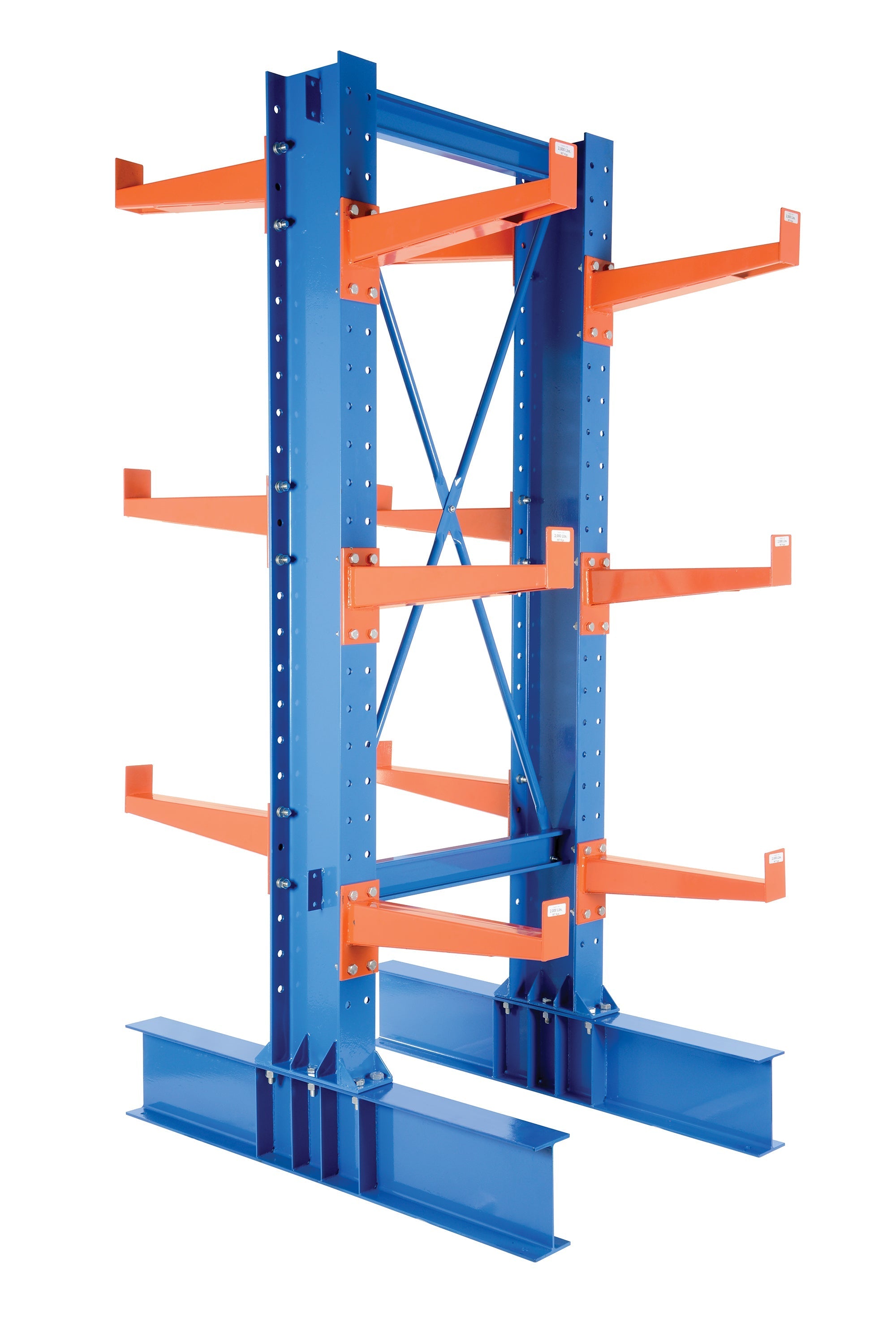
Standard pallet racking can't hold long, awkward items well, and that's where cantilever racking comes in. Instead of beams between uprights, cantilever racking uses horizontal arms projecting from vertical columns with no front upright to get in the way, giving an open run to store lumber, pipe, tubing, steel, furniture, and rolled goods. It's a distinct storage type for anything long or bulky that doesn't fit a pallet position. We cover it fully in our what is cantilever racking guide. If your inventory includes long or oversized loads, cantilever racking is the purpose-built solution alongside standard pallet racking.
Rack safety and standards (ANSI MH16.1)
Because loaded racking holds tons overhead, it's safety-critical and standardized. The American National Standard ANSI MH16.1, published by the Rack Manufacturers Institute (RMI), governs steel storage racks, and it requires a load-capacity plaque on or near every installation stating the safe capacity. Because the standard is referenced by the International Building Code, capacity plaques are typically required by local jurisdictions. Racks must also be protected from forklift impact, with column guards and end-of-aisle guards, since a struck upright can buckle and collapse a loaded rack. Never exceed the plaqued capacity, and treat the rack as the engineered structure it is.
Inspection and protection
Racking must be inspected regularly, and damage acted on. ANSI MH16.1 and RMI call for identifying damaged racks, isolating them, and having a qualified rack professional evaluate, repair, or replace them to restore the original capacity, a bent upright or damaged beam has lost strength and must not simply be ignored. High-traffic or damage-prone facilities may warrant frequent professional inspections. Alongside inspection, rack protection, column guards and end guards, prevents much of the forklift damage in the first place. Together, protecting uprights from impact and inspecting for damage keep racking from the catastrophic collapses that injure people and destroy inventory. Don't defer either.
How to choose and size racking
Sizing racking means two capacities. Beam capacity is how much a pair of beams safely holds per level across a bay; upright (frame) capacity is the total vertical load the frame carries, which depends on the unsupported span between beam levels. Determine your load weight per level and pallet dimensions (a standard bay holds two 48-inch pallets on a 96-inch beam, with clearance), then select beams for the load and span and match the frame to the pallet depth, building height, and total load. Crucially, published capacities exclude seismic and lateral forces, so apply your location's seismic requirements and anchor the uprights to the floor. When in doubt, involve a rack professional.
The bottom line
Pallet racking stores palletized loads on steel beams and uprights, in types that trade selectivity for density: selective for direct access, drive-in, push-back, and pallet flow for packing more pallets per square foot, and cantilever for long loads. Choose by your SKU variety, throughput, and stock rotation (FIFO or LIFO). Racking is governed by ANSI MH16.1: use load-capacity plaques, protect uprights from impact, inspect regularly, and account for seismic anchoring. See our what is cantilever racking and warehouse shelving types guides, and browse our storage range.
Common racking mistakes
A few racking mistakes recur and cause real danger. Overloading beyond the plaqued capacity is the most serious, and it's why the load plaque exists, never exceed it. Ignoring damaged uprights and beams lets a weakened rack keep carrying loads it no longer safely can. Skipping rack protection leaves uprights exposed to the forklift impacts that start collapses. And forgetting seismic and anchoring requirements, since capacity charts exclude lateral forces, can leave racking under-braced for its location. Each is avoidable: respect the plaque, inspect and repair damage, protect uprights, and anchor for your seismic zone. Racking is safe when treated as the engineered structure it is.