The core difference
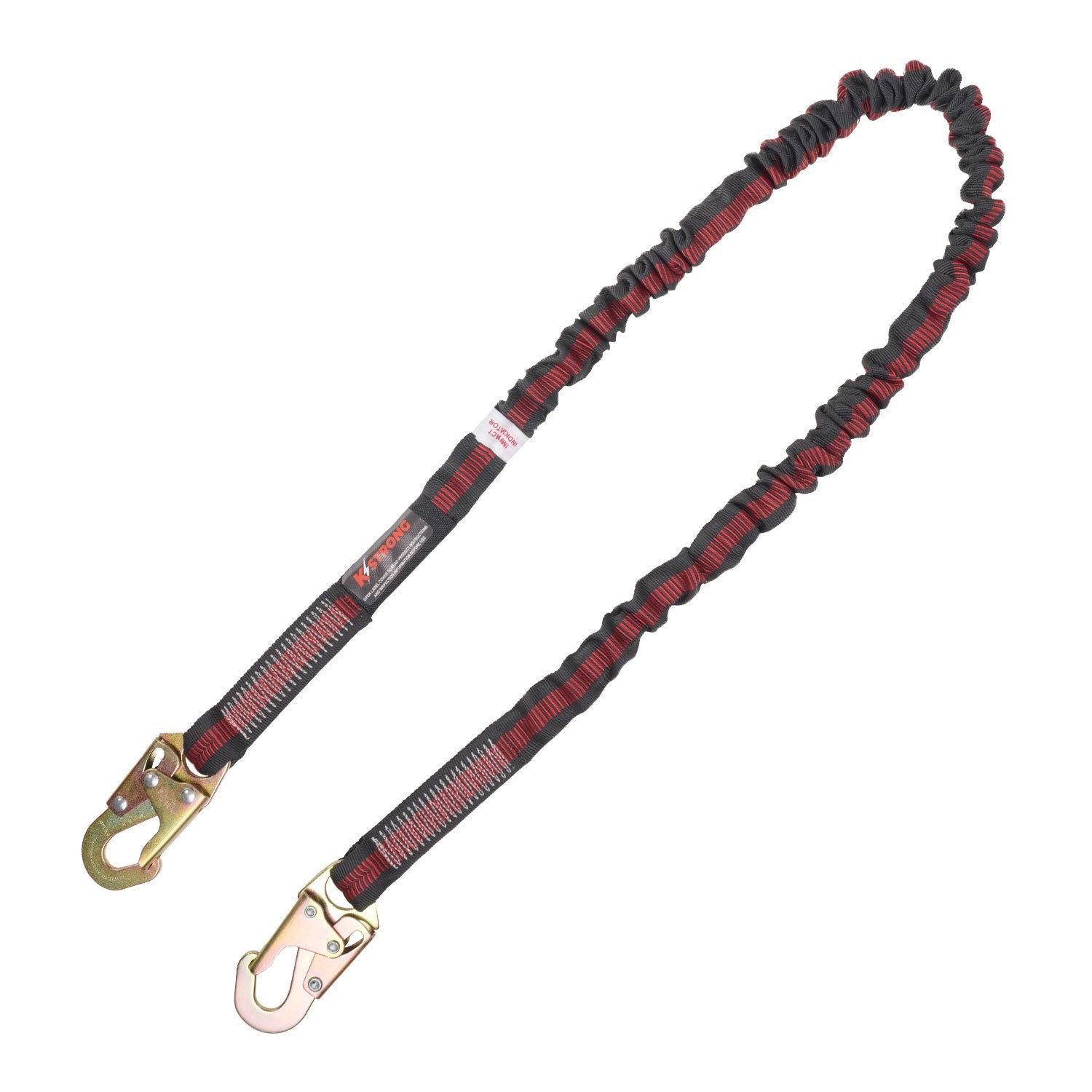
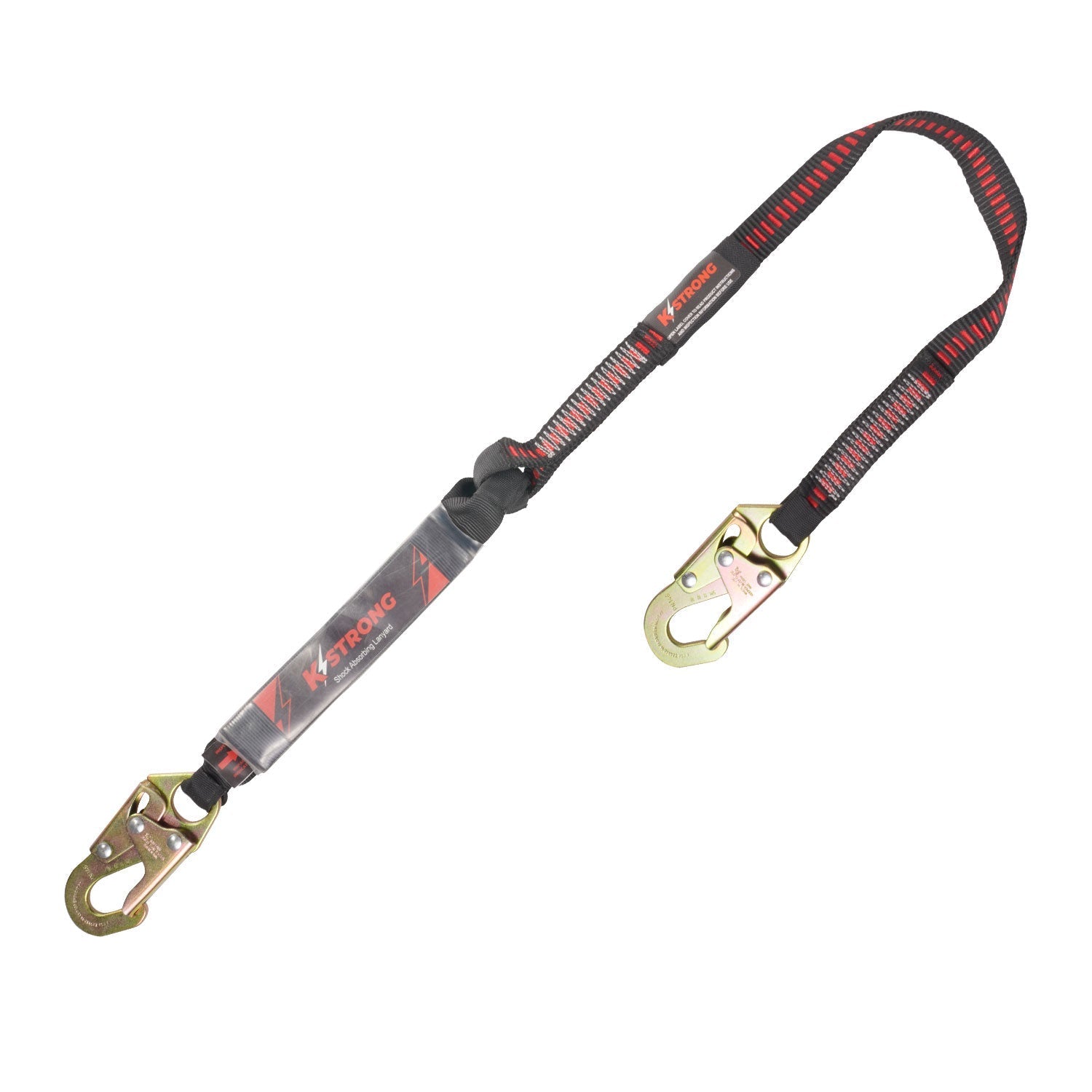
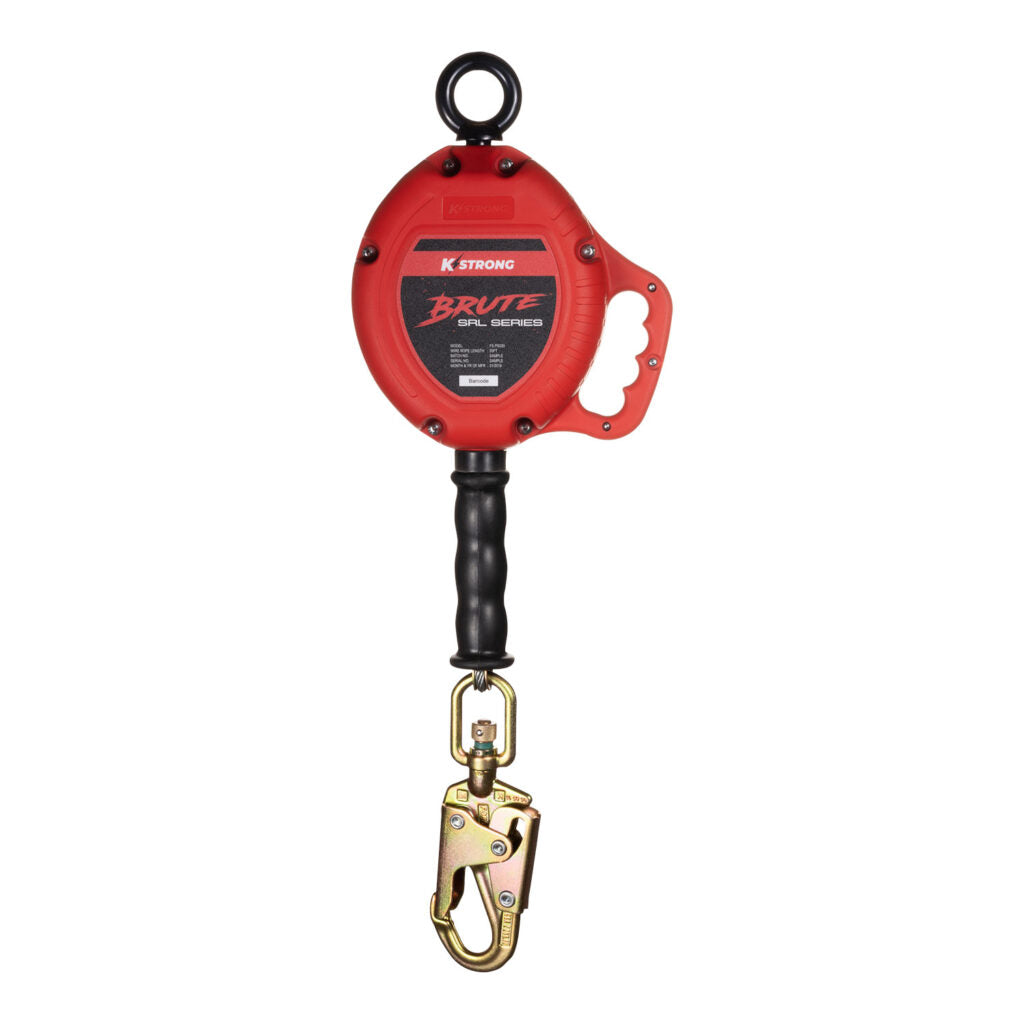
Both connect a harness to an anchor and arrest a fall, but they manage the fall very differently. A shock-absorbing lanyard is a fixed length (usually 6 feet) with an energy absorber that deploys in a fall, allowing the worker to free-fall before it engages. A self-retracting lifeline (SRL) pays out and retracts a line to stay taut as the worker moves, and locks almost instantly on a sudden pull, like a seatbelt. The upshot: the lanyard allows more fall distance, while the SRL catches the fall much sooner and shorter. That difference in fall distance drives the whole decision.
Fall distance and clearance
This is the most important practical difference. A shock-absorbing lanyard allows up to 6 feet of free fall plus deceleration and other factors, needing roughly 18 feet of clearance below the anchor to stop the worker safely. An SRL keeps the line short and taut and locks quickly, so it arrests a fall in a far shorter distance and needs much less clearance. Where you're working high above a lower level with plenty of room, either works; where clearance is limited, near a floor, a platform, or an obstruction, the SRL is the safer, often the only viable, choice. Calculate your clearance and let it guide you.
Mobility and taut line
The two also differ in how they feel to work with. A shock-absorbing lanyard is a fixed length, so there's slack when you're close to the anchor and it can snag or trip you. An SRL retracts to keep its line taut and out of the way as you move toward or away from the anchor, giving more freedom of movement and less slack to manage. For workers who move around a lot at height, the SRL's taut, self-managing line is more convenient and reduces trip and snag hazards. So beyond clearance, the SRL often wins on day-to-day usability, at a higher price.
SRL classes and leading edge
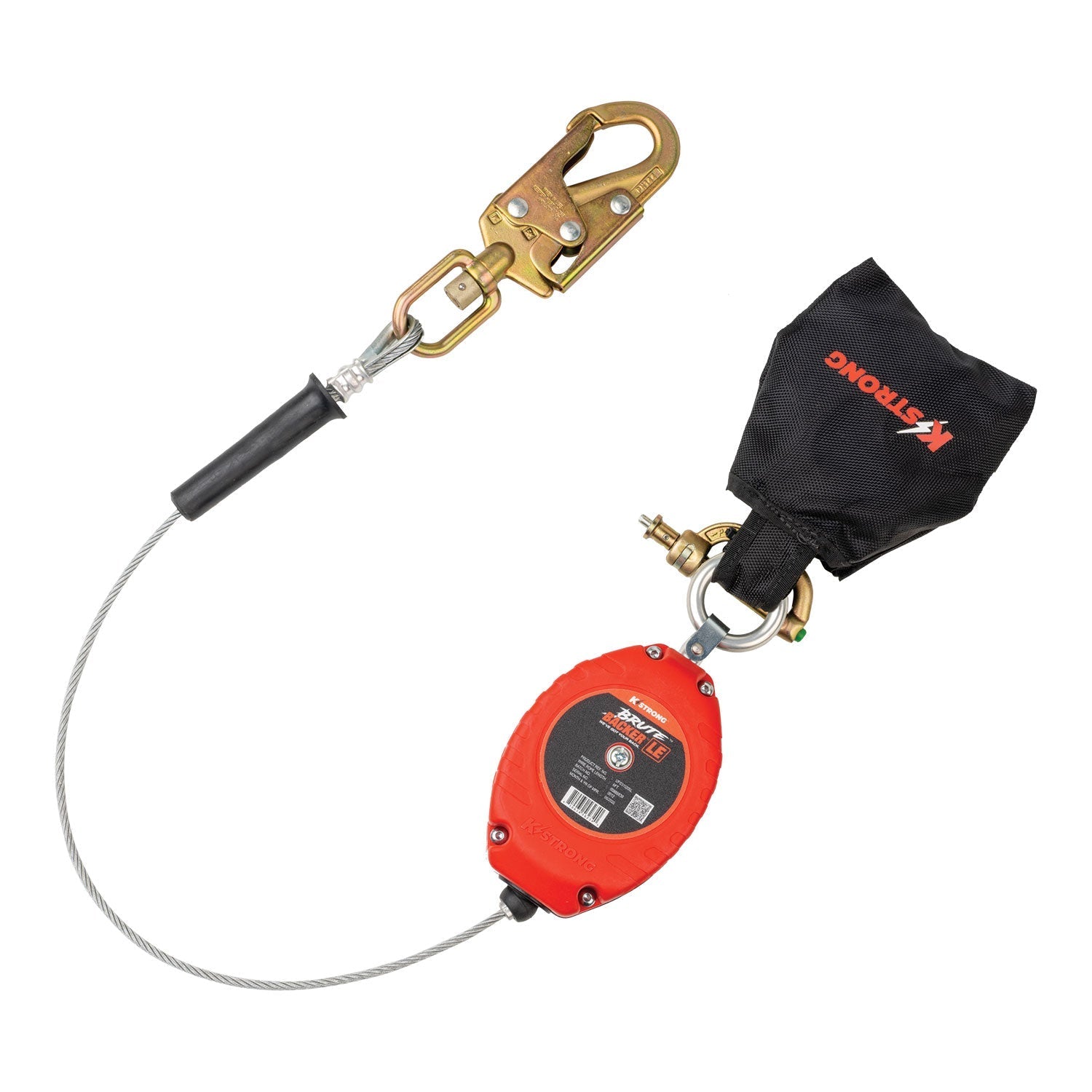
SRLs are classified for how they can be anchored. Under ANSI Z359.14, a Class 1 SRL is anchored at or above the worker's dorsal D-ring and allows minimal free fall, while a Class 2 SRL is rated for anchoring at foot level (overhead-and-below use) with greater allowable free fall. And leading-edge SRLs (SRL-LE), like our BRUTE LE, add extra energy capacity and abrasion-resistant lifelines specifically for tie-off at foot level over a sharp edge, a demanding scenario a standard SRL isn't built for. If you must tie off below the dorsal D-ring or over an edge, you need the right class or an LE-rated SRL, not just any retractable.
Cost and durability
The lanyard wins on cost and simplicity. A shock-absorbing lanyard is inexpensive and rugged, with little to go wrong, which is why it's the economical default where clearance allows. An SRL costs considerably more, has internal mechanical parts, and requires more careful handling and inspection, but it buys shorter fall distances and better mobility. For a large crew where clearance is ample, lanyards are the cost-effective choice; where clearance is tight or mobility matters, the SRL's higher price is justified by the protection it provides. Many operations use both, matched to each work location.
When to use each
Use a shock-absorbing lanyard when you have ample fall clearance below the anchor and want a simple, economical connector, general work at height with plenty of room below. Use an SRL when clearance is limited, when you need more mobility with a taut line, or when you must anchor at foot level or over an edge (with the right class or an LE model). The single biggest deciding factor is fall clearance: if you don't have the roughly 18 feet a lanyard needs, you need an SRL. Calculate your clearance first, then choose the connector that fits it.
The bottom line
A shock-absorbing lanyard is simple and cheap but needs substantial fall clearance (roughly 18 feet for a 6-foot lanyard); an SRL locks quickly like a seatbelt, arrests the fall in a much shorter distance, and offers more mobility, at a higher cost. Choose primarily by the fall clearance available: ample room, a lanyard works; tight clearance, foot-level, or over an edge, you need an SRL (of the right class). Calculate your clearance before deciding. See our what is an SRL, shock-absorbing lanyard, and fall clearance guides.
A quick decision rule
To make the choice simple: measure the clearance below your anchor. If you have roughly 18 feet or more of clear space beneath the tie-off, a shock-absorbing lanyard will work and saves money. If you have less, near a floor, a lower deck, or an obstruction, you need a self-retracting lifeline that arrests the fall in a much shorter distance. And if you must tie off at foot level or over a sharp edge, you need a Class 2 or leading-edge SRL specifically. Clearance first, then mobility and budget, that ordering gets the choice right almost every time.