What warehouse shelving is
Warehouse shelving stores the smaller items that don't warrant pallet racking, parts, cartons, totes, tools, and hand-stackable goods, on multiple levels reachable by hand. Where pallet racking holds palletized loads placed by forklift, shelving holds the granular inventory people pick by hand, in stockrooms, pick areas, parts departments, and back rooms. It's lighter-duty and more finely divided than racking, and most warehouses use both. The main shelving types differ in how they're built, how much they hold, and the environments they suit. Our range includes boltless, roll-out, and stainless shelving for different needs.
Boltless (rivet) shelving
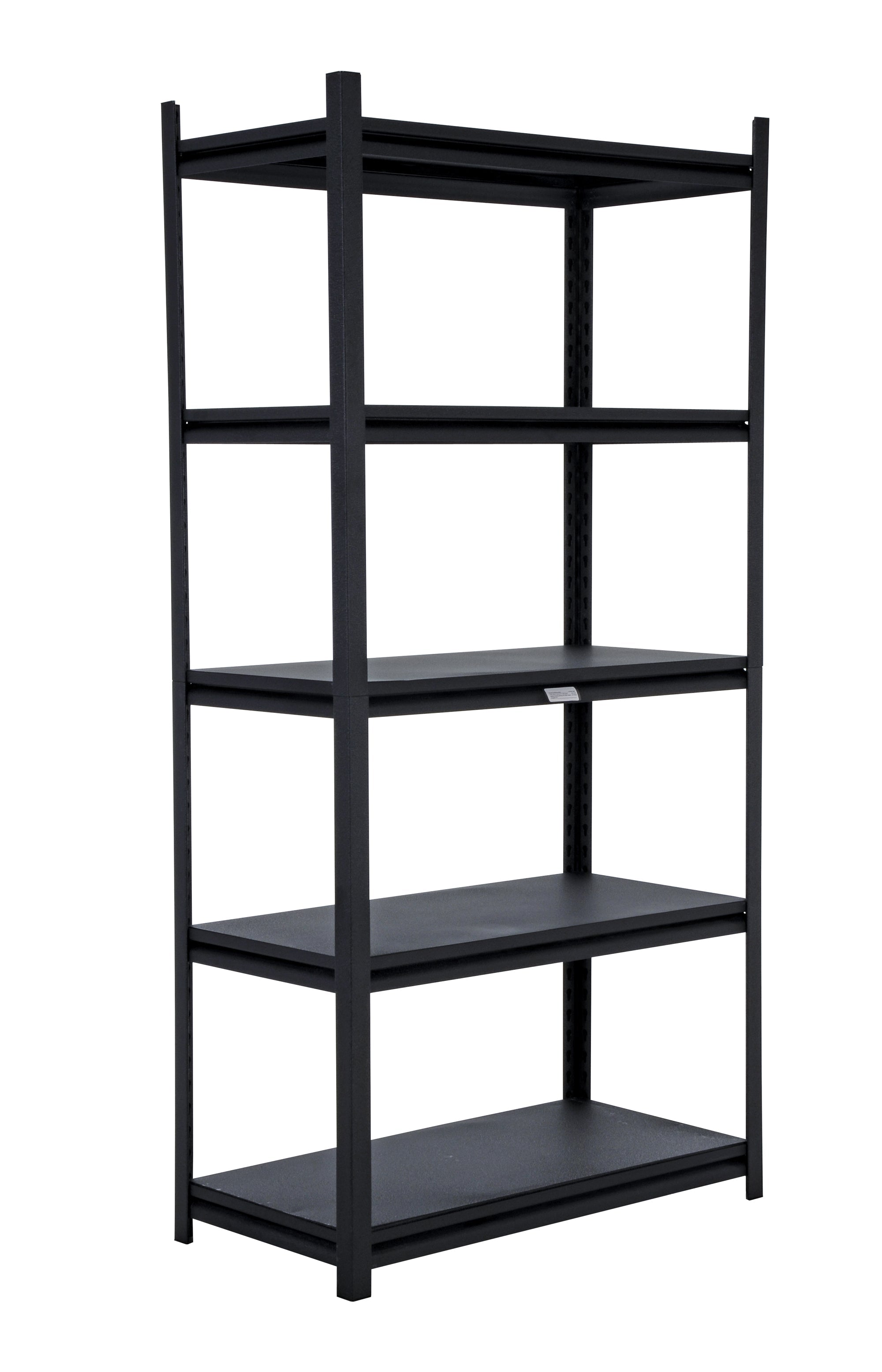
Boltless shelving, also called rivet shelving or rivet rack, is the versatile workhorse of warehouse storage. It assembles without nuts, bolts, or clips, the beams rivet into the posts, so it goes together fast and reconfigures easily as needs change. It handles medium-to-heavy loads and suits general warehouse and backroom storage, inventory and record rooms, and retail back rooms, and it can even be built into multi-level catwalk systems. Decking options include particle board, steel, or wire. For flexible, quick-to-assemble, medium-to-heavy general shelving, boltless shelving is the default choice, which is why it's so common.
Steel shelving
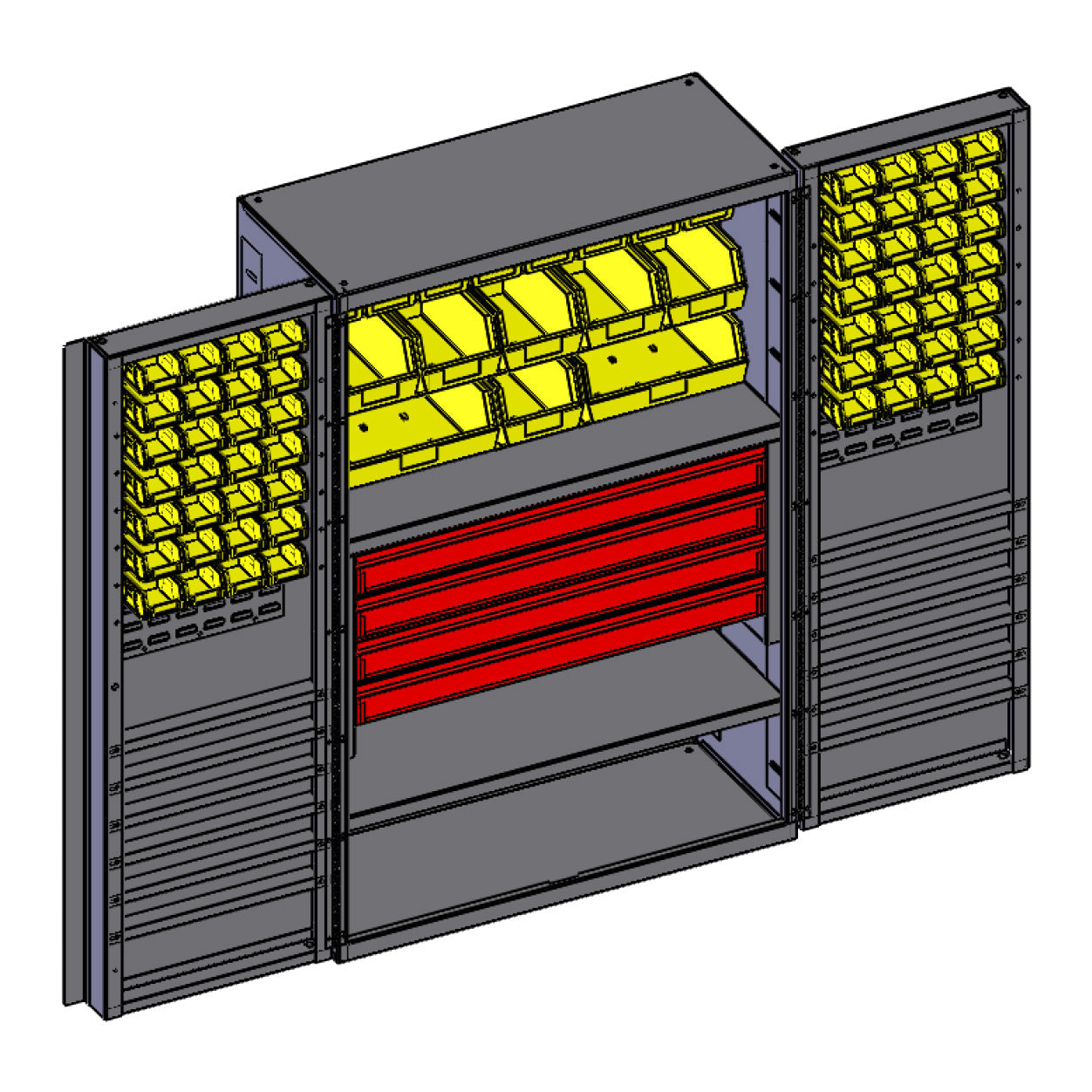
Steel shelving, assembled with clips or nuts and bolts, is enclosed metal shelving for organized storage of smaller items. It suits stockrooms, tool cribs, archives and record storage, and parts storage, anywhere you need durable, affordable, medium-duty shelving with a more finished, enclosed look than open rivet rack. Closed sides and backs (available on many steel shelving units) keep items contained and dust down. For a stockroom or parts department that needs tidy, durable shelving for boxed and binned items, steel shelving is a dependable, economical option, a step up in enclosure from boltless rivet shelving.
Wire shelving
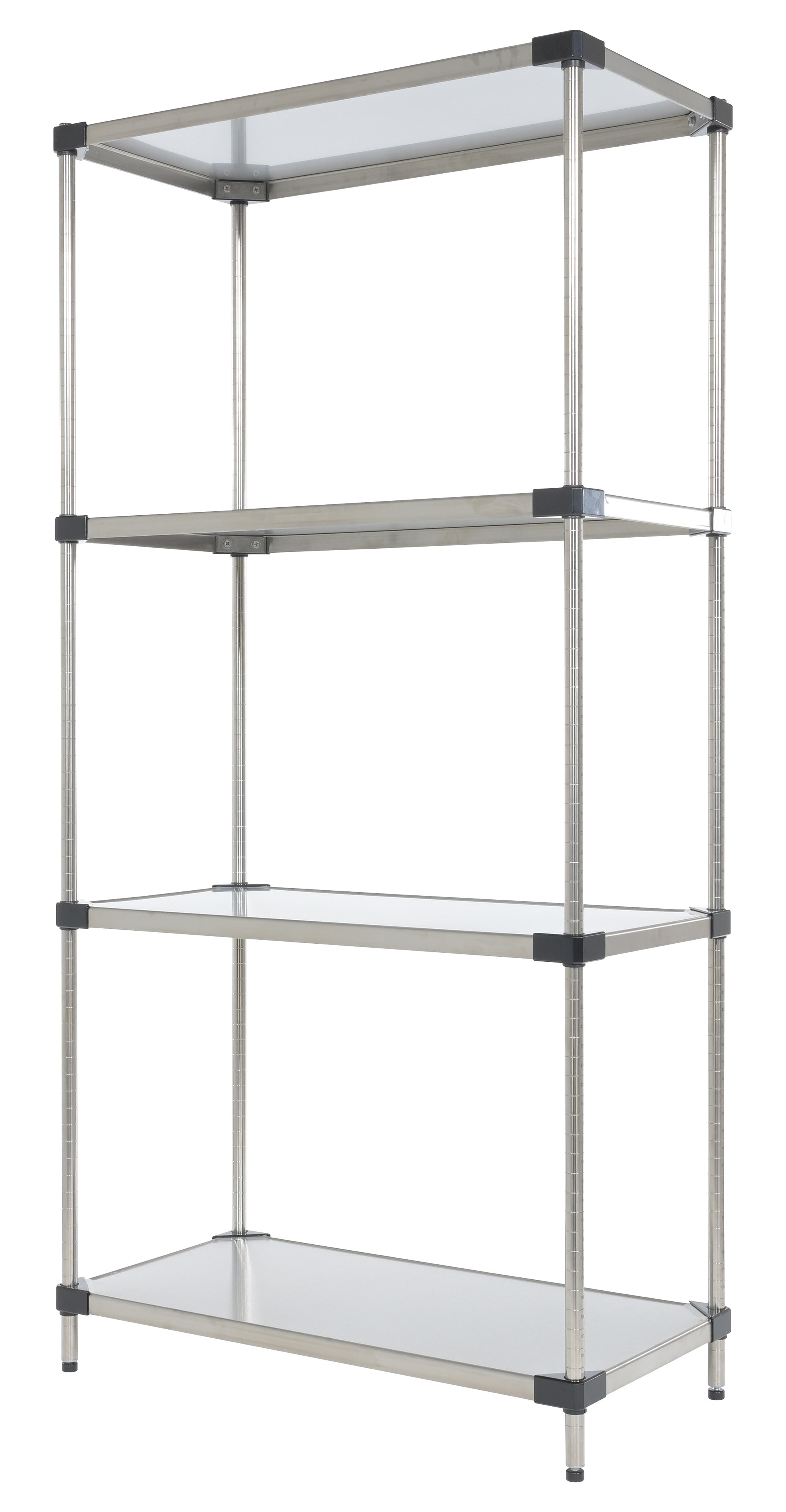
Wire shelving uses open wire shelves, usually chrome-plated or epoxy-coated, on adjustable posts, and its open construction is its defining feature. Because the shelves are wire rather than solid, they allow light, airflow, and drainage to pass through, and they collect far less dust and are easier to keep clean. That makes wire shelving ideal for environments with hygiene or climate requirements: commercial kitchens, food storage, cold storage and walk-in coolers, and cleanrooms. The adjustable posts let you reconfigure shelf heights easily. Where airflow, drainage, cleanliness, or cold-storage use matter, wire shelving is the right type, our stainless shelving suits the most demanding hygienic settings.
Specialized shelving: roll-out and more
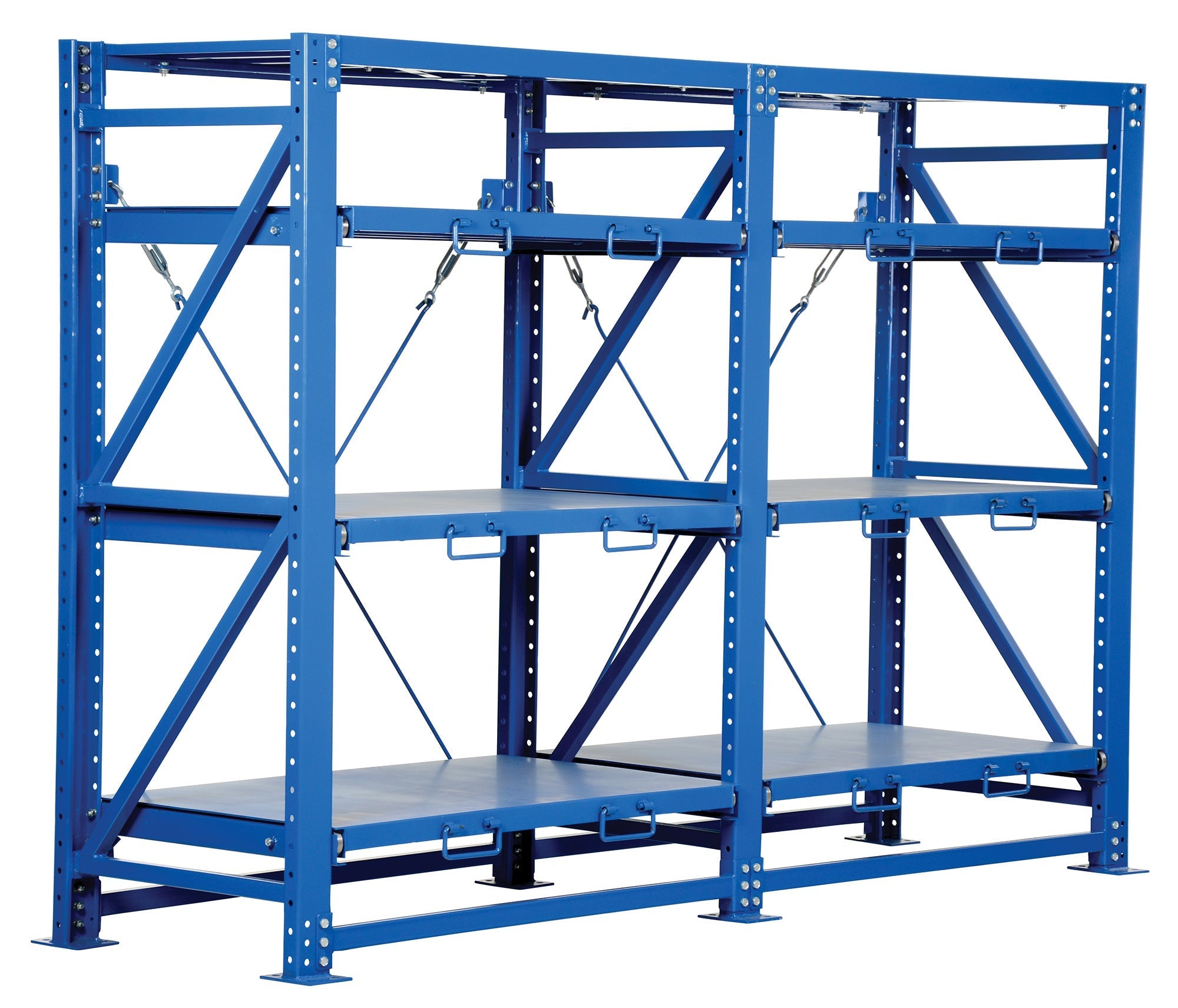
Beyond the three main types, specialized shelving solves specific access problems. Roll-out shelving, like our heavy-duty roll-out shelving, puts shelves on slides so they pull out for full access to items at the back, invaluable for deep, heavy storage where reaching the back of a fixed shelf is difficult. Other specialized options include mobile shelving on tracks (to eliminate aisles), bin shelving for small parts, and mezzanine-integrated shelving. If standard shelving makes it hard to access or organize your specific inventory, a specialized type often solves it. Match any specialized shelving to the particular access or density challenge you face.
Choosing warehouse shelving
Choose shelving by three factors. Load weight: match the shelving's rated capacity to your heaviest shelf load with margin, boltless and steel for medium-to-heavy, lighter types for light goods. Environment: wire or stainless for kitchens, cold, and cleanrooms; enclosed steel for tidy stockrooms; boltless for general warehouse. And flexibility: boltless and adjustable-post systems reconfigure easily if your inventory changes often. Also consider access, roll-out or mobile shelving for deep or dense storage. Match the shelving type to your load, environment, and how often you'll reconfigure, and it will organize your smaller inventory efficiently for years.
The bottom line
Warehouse shelving stores smaller, hand-picked items in types suited to different needs: boltless (rivet) shelving assembles fast for flexible general storage, enclosed steel shelving suits stockrooms and tool cribs, and wire shelving allows airflow and drainage for kitchens, cold storage, and cleanrooms, with specialized options like roll-out shelving for deep access. Choose by load weight, environment, and reconfiguration needs, and use shelving alongside pallet racking for the granular inventory racking isn't built for. Browse our shelving range.
Shelving versus pallet racking
It's worth being clear when to use shelving versus pallet racking, since they overlap in the middle. Use racking for palletized loads placed and retrieved by forklift, heavy, unit-load storage. Use shelving for smaller items handled by hand, cartons, parts, totes, and bins picked by a person. The dividing line is roughly whether a forklift or a hand moves the goods. Many warehouses use both in the same building: racking for bulk pallet storage and reserve, shelving in the pick faces and stockrooms for the granular items. Match each to how the goods are stored and picked, and they complement each other.
Weight capacity and safety
Even though shelving is lighter-duty than racking, capacity still matters for safety. Every shelving unit has a rated capacity per shelf and overall, and overloading it can bend shelves or, worse, tip or collapse the unit. So match the shelving to your heaviest shelf loads with margin, distribute weight evenly, put heavier items low, and anchor tall shelving to prevent tipping. Boltless and steel shelving handle medium-to-heavy loads; lighter wire shelving suits lighter goods. Respecting the capacity and anchoring tall units keeps shelving safe, a collapsing overloaded shelf is a hazard just like an overloaded rack, only at a smaller scale.