Service Cart
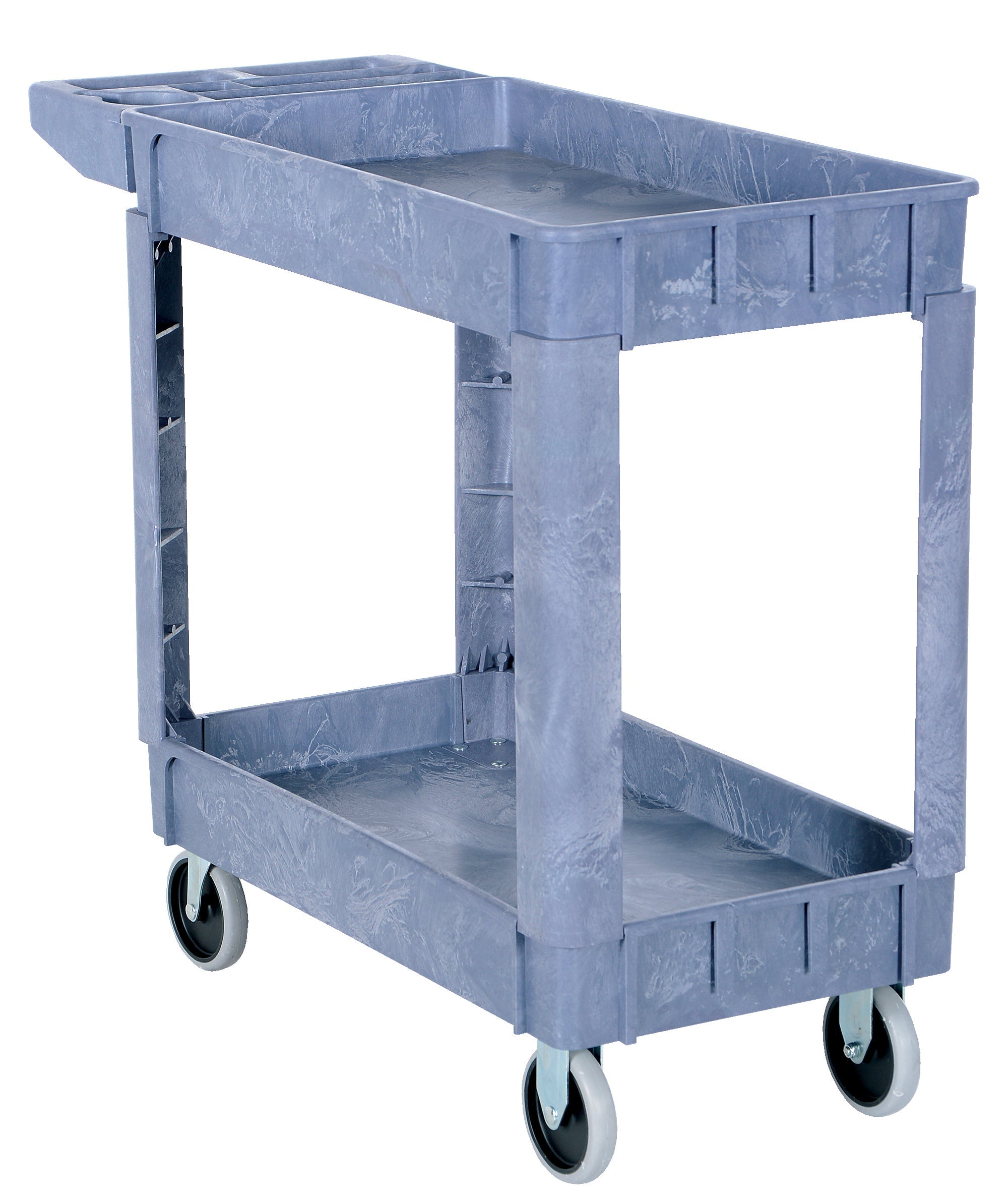
A service cart is the shelved workhorse a maintenance crew, mailroom, or production line pushes down the aisle all day, and this collection covers that pattern in Vestil steel, aluminum, plastic, and wire. Vestil builds these in Angola, Indiana, and the range starts with plastic utility carts near $170 and runs up through steel and aluminum three-shelf carts past $640, with a double-tray mail cart, an open wire toolbox, and nestable wire carts in between. The difference from a big-box utility cart is the same one that runs through the rest of [industrial carts and dollies](/collections/industrial-carts-dollies): welded frames, casters sized to the shelf load, and rated shelves you can plan a route around rather than guess at. The choice comes down to three things, shelf material, shelf count, and what the cart has to survive, so the guide below sorts by those before it sorts by price.
Compare Service Carts
| Model | Price | Capacity | |
|---|---|---|---|
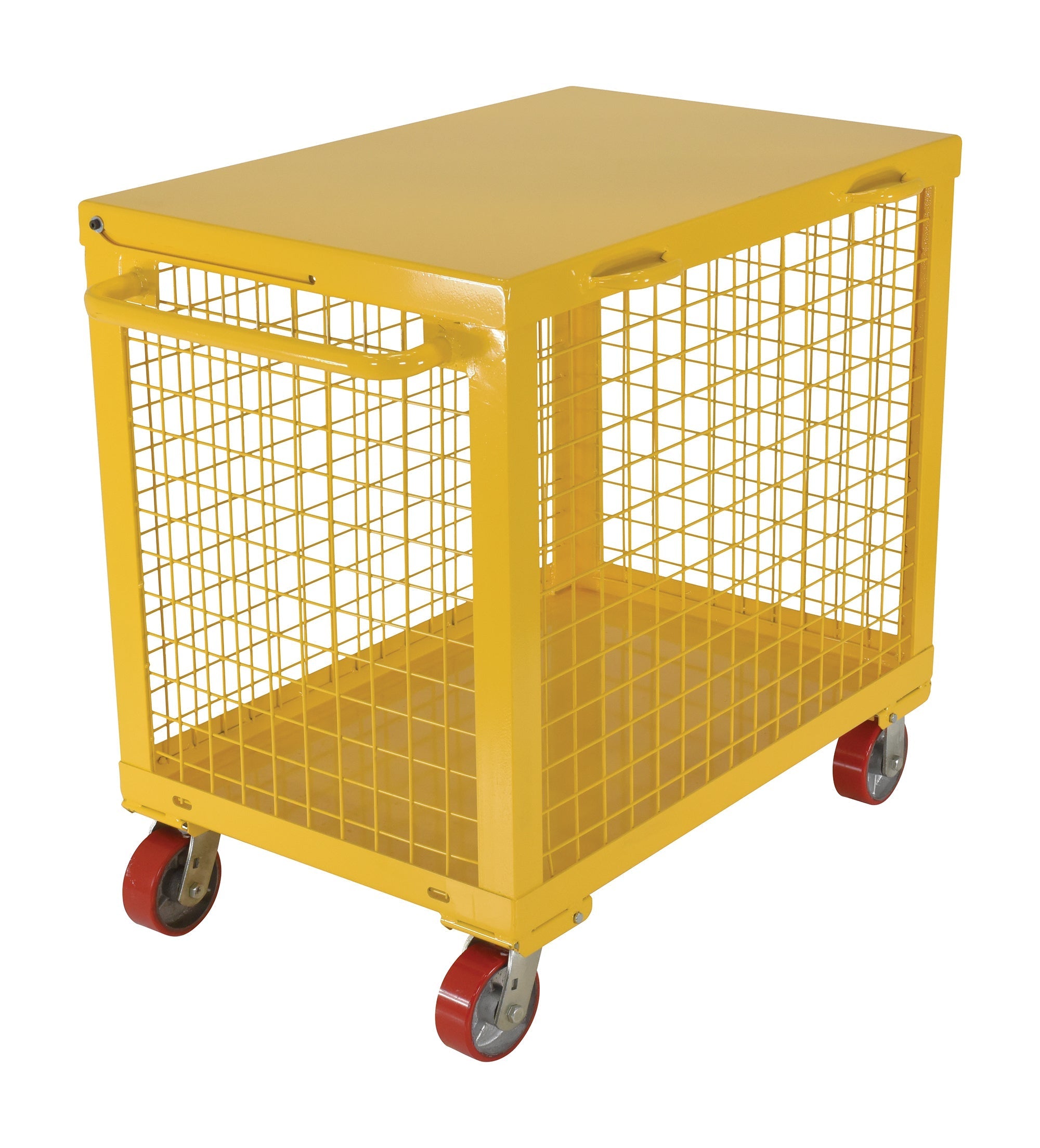
| Vestil Expanded Wire Toolbox | $628 | 2,000 lb | View → |
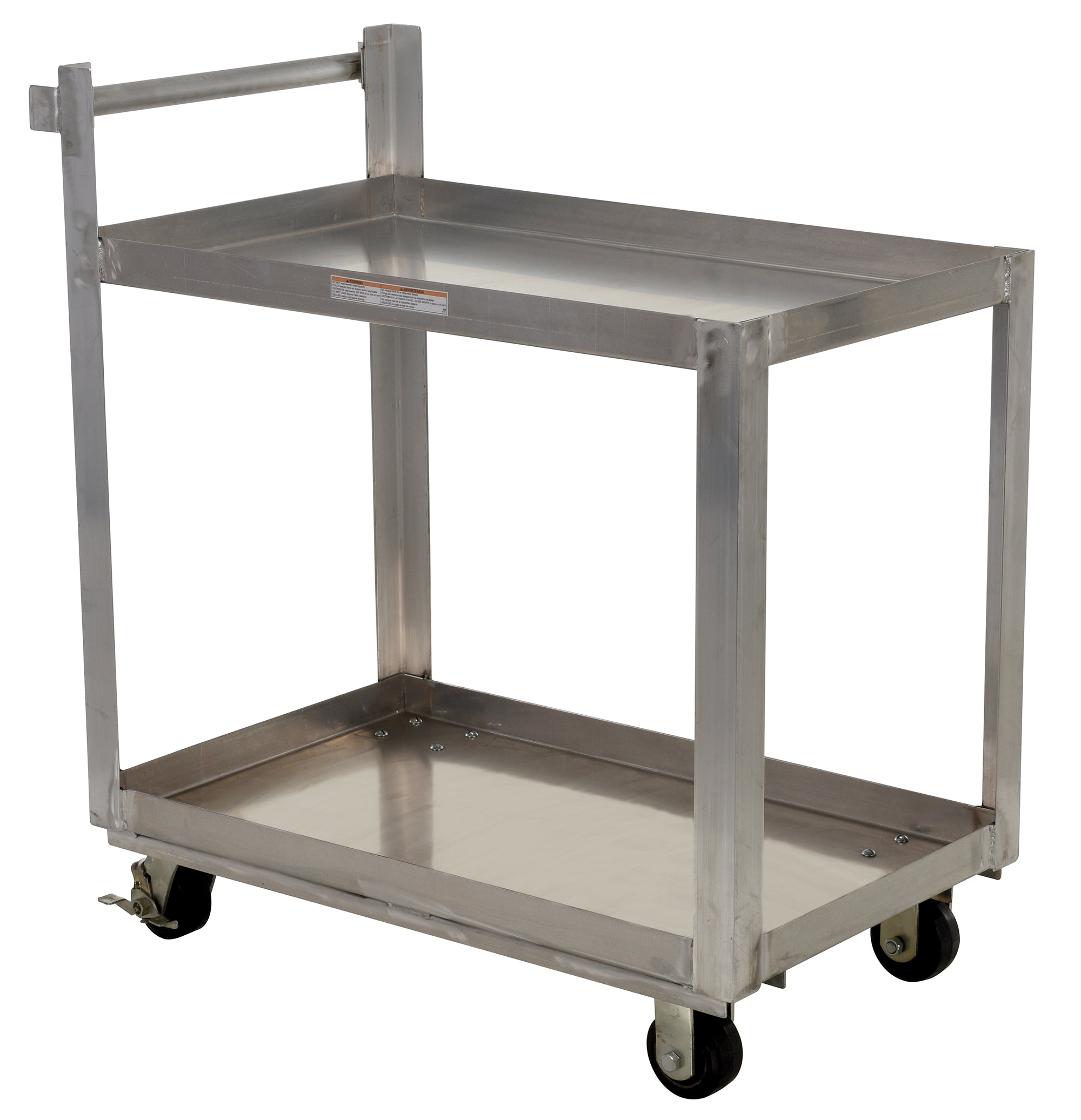
| Vestil Service Carts | $450 | — | View → |
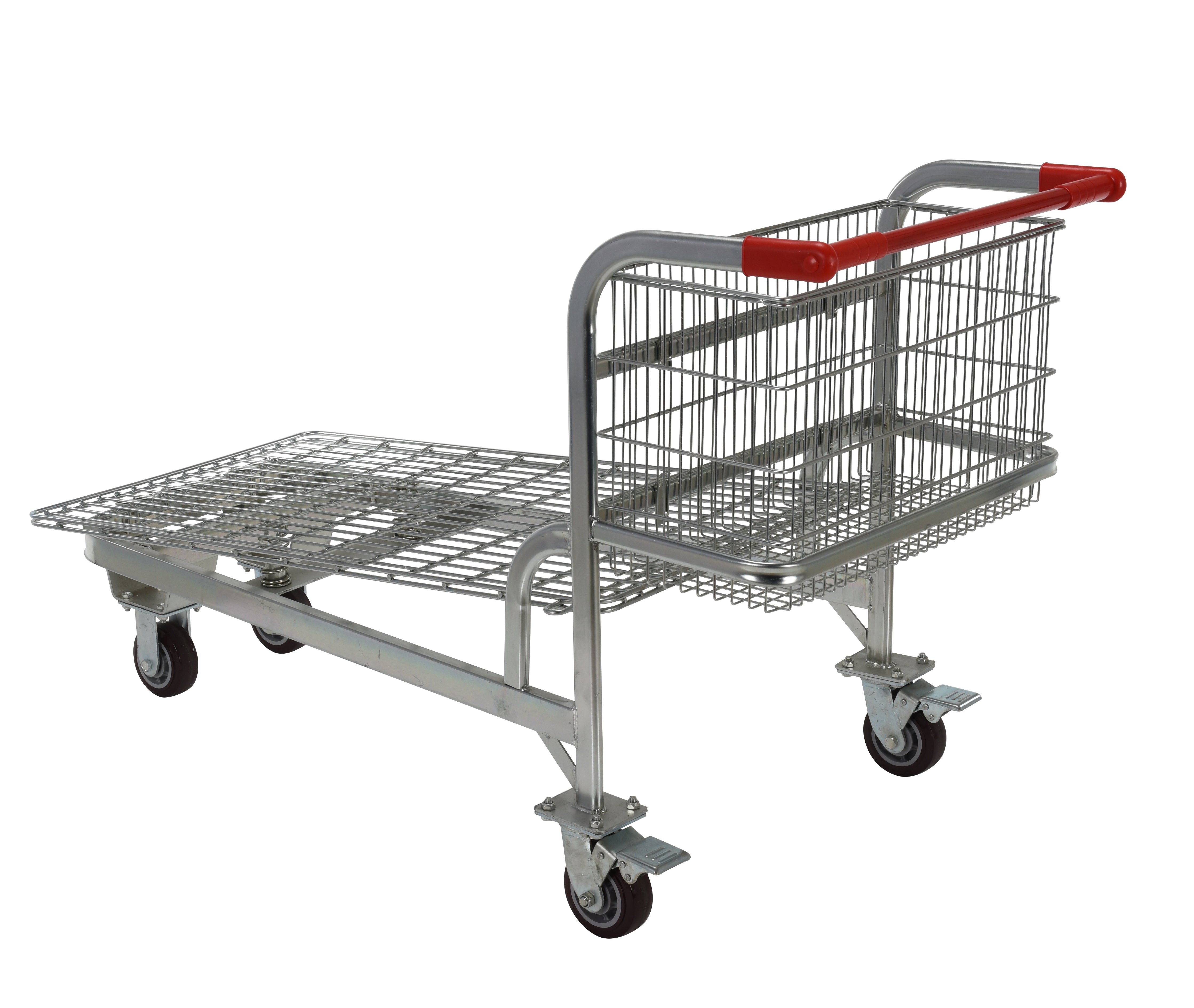
| Vestil Nestable Wire Carts | $429 | 90-275 lb | View → |
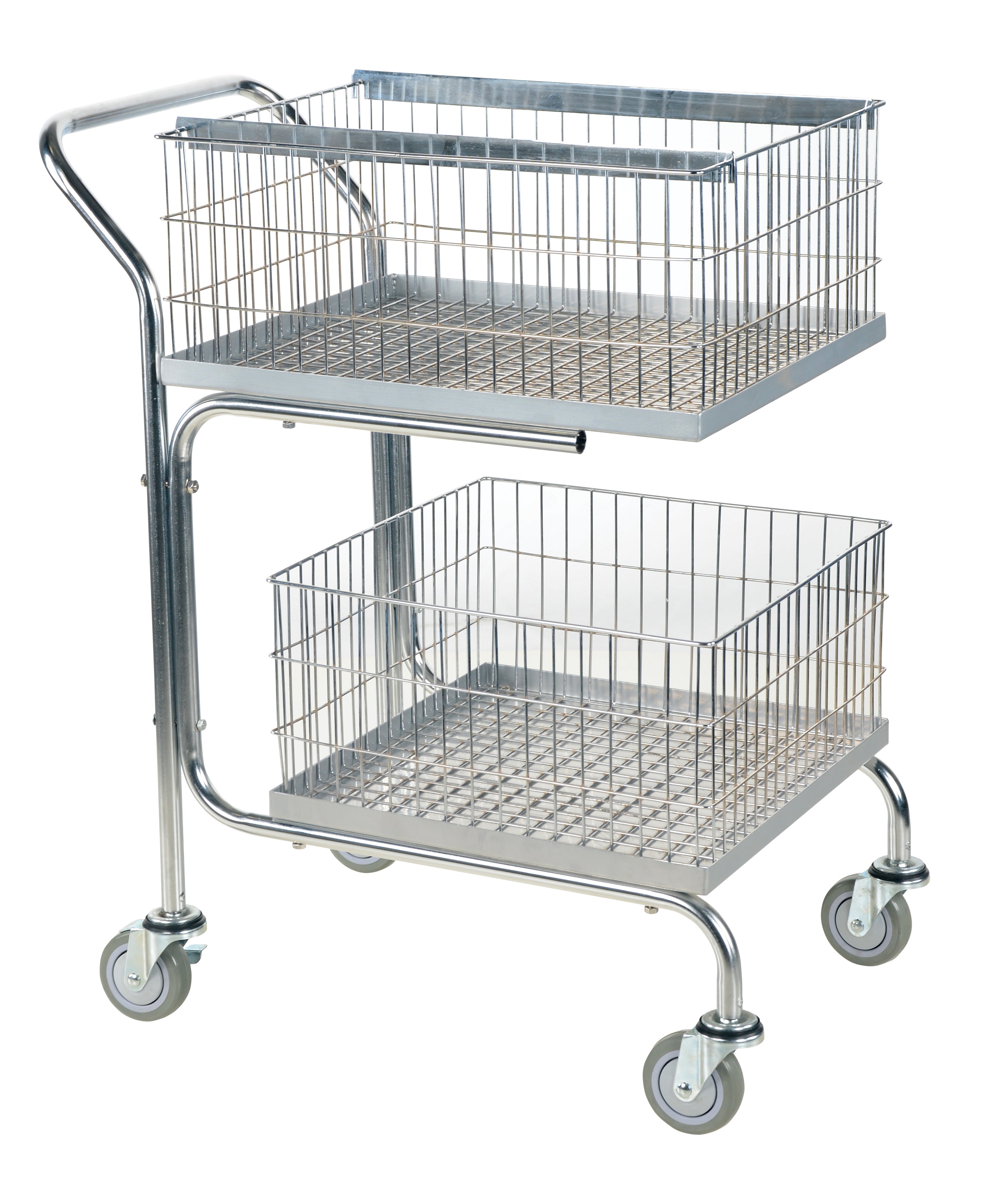
| Vestil Double Tray/Double Basket Mail Cart | $395 | 200 lb | View → |
| Vestil Plastic Utility Service Carts | $157 | 550 lb | View → |
Service Carts Buying Guide
Shelf material sets the cart. Four shelf materials cover this collection, and the material decides more than the finish. Vestil's plastic utility carts, roughly $170 to $262 in two and three shelf builds, wipe clean, never rust, and run quiet, which is why they turn up in labs, kitchens, and light assembly. The steel and aluminum carts share a frame but split on weight and setting: steel comes powder coated blue and takes years of shop abuse for about $300 to $650, while aluminum in silver drops the tare weight for the same footprint so an all-day route pushes easier and washdown areas stay corrosion free. Wire shelving is the fourth option, open mesh that lets you see the load, sheds dust instead of collecting it, and lets a hose reach every corner. Name the environment first, then the material almost picks itself.
Two shelves or three. Shelf count is the next fork. A two shelf cart keeps the top open for bulky items and a heavy tool bag while the lower shelf catches the smaller parts, and it is the lower price in every material. A three shelf cart triples the sorting for a parts run or a stocking round but shortens the clearance between decks, so measure the tallest thing that has to ride before you commit. Footprints here run from a compact deck around 38 by 22 inches up to 50 by 28 inches, and the plastic line covers 40 by 18-1/2 and 45 by 25-1/2 inches. A longer deck carries more but stops threading tight aisles, which matters more in a crowded stockroom than on an open floor.
The wire builds: nestable, mail, and toolbox. Three of the wire products answer specific jobs. The nestable wire carts stack into each other when idle to save floor space, and they come with or without a basket and platform, rated 90 or 275 lb depending on the model, the light one for a mail or supply round and the heavier for stock. The double-tray, double-basket mail cart at about $395 is purpose built for sorting and delivery, with trays for envelopes and baskets for parcels on a frame narrow enough for an office corridor. The expanded wire toolbox at about $628 is a rolling open cage that carries tools alongside the technician. When the load has to lock away from wandering hands, step up to the security trucks and their mesh cages, and when the job is order picking with steps and tiers, the stockpicker trucks put the access on wheels.
Match the caster to the floor and the load. Casters are the spec buyers skip and regret. Size them with the three corner rule: add the cart weight to the heaviest load it will carry, then divide by three rather than four, because an uneven floor routinely lifts one wheel and throws its share onto the other three. A cart loaded to 900 lb wants casters rated near 300 lb each, not 225. Match the wheel to the ground too, since hard wheels roll easy on smooth concrete but transmit every crack, while softer tread runs quieter and kinder on finished floors, which is why a service cart in a hospital corridor or a carpeted office needs a different wheel than one in the shop. Two of the four usually swivel for steering and two stay fixed so the cart tracks straight.
Where the service cart ends and another cart begins. A service cart is a shelved cart, and when the load stops fitting that description another aisle handles it. Bulk flat freight behind one handle belongs on a platform truck; a single heavy item moved one at a time rides a hand truck; odd shapes like pipe, brick, and cradled stock live in specialty carts. The whole family, and the logic for choosing between them, sits one level up in industrial carts and dollies. For the maintenance team that runs on these carts every shift, the tools and consumables that ride on them are in facilities maintenance.
Rating and housekeeping keep it legal. Two habits keep a service cart safe and compliant. First, respect the shelf rating, not the frame's headline number: a 275 lb cart is 275 lb spread across the shelves, and stacking it top heavy raises the tip risk on every turn, so put the weight low. Second, keep the aisles it runs in clear. OSHA's materials handling rule at 1910.176(a) requires that aisles and passageways stay clear and in good repair with no obstruction that could create a hazard, and that permanent aisles be marked, which means a loaded cart abandoned in a walkway is a citation waiting to happen. Park it in its spot, load it low, and it will outlast the building's paint.
Frequently Asked Questions
A service cart is a shelved, rolling cart that a maintenance crew, mailroom, stockroom, or production line uses to carry tools, parts, supplies, and mail through a facility. The shelves organize a mixed load so one trip covers a whole round, which is why it is the default cart for parts runs, machine rounds, restocking, and delivery.
It depends on the build. The wire carts here are rated at 90 or 275 lb, and the steel, aluminum, and plastic shelf carts carry their own rated loads spread across the shelves. Read the rating as a per cart total shared by the decks rather than a figure any single shelf can take alone, and keep the heaviest items on the bottom to hold the center of gravity low.
Match the material to the room. Plastic wipes clean and runs quiet for labs, kitchens, and light assembly; powder coated steel takes the hardest shop abuse; aluminum cuts push weight and resists corrosion in washdown areas; and wire mesh sheds dust, shows the load, and lets a hose reach every corner. Environment and duty cycle decide this more than price does.
Two shelves leave the top open for tall or bulky items and cost less. Three shelves triple the sorting for parts and stocking work but reduce the clearance between decks. Measure the tallest item that has to ride before choosing, and pick the deck size that still threads your tightest aisle, since a longer cart carries more but maneuvers worse in a crowded stockroom.
The expanded wire toolbox carries tools with the technician but does not secure them. When the load needs protecting against theft, move up to the security trucks, which enclose the shelves in a lockable mesh cage. For order picking that needs steps and platforms rather than plain shelves, the stockpicker trucks are the better base.
Size the casters with the three corner rule: add the cart's weight to its heaviest load and divide by three, since an uneven floor lifts one wheel and loads the other three. Then match the wheel to the floor, hard wheels for smooth concrete and softer tread for finished or quiet spaces, and load the cart low so a full top deck does not raise the center of gravity into a tip.