Walk Ramps
A walk ramp bridges the gap when a hand cart, foot traffic, or a forklift has to cross from one level to another and there is no permanent dock to do it. This collection covers the portable ramps Vestil builds for that job: aluminum and fiberglass walk ramps for foot and hand truck traffic, steel container ramps rated to 20,000 lb for driving a forklift into a ground-level container, wheelchair and pick-up ramps for lighter access, and aluminum wheel risers that lift a low trailer the last few inches to dock height. Prices run from a $165 steel pick-up ramp to full fiberglass and container units in the low four figures. The guide below sorts the choice by the three questions that decide almost every purchase here: what crosses the ramp, what material suits the environment, and how much rise you have to climb. Get those right and the specific model falls out on its own.
Compare Walk & Service Ramps
| Model | Price | Overall Width | Capacity | Overall Length | |
|---|---|---|---|---|---|
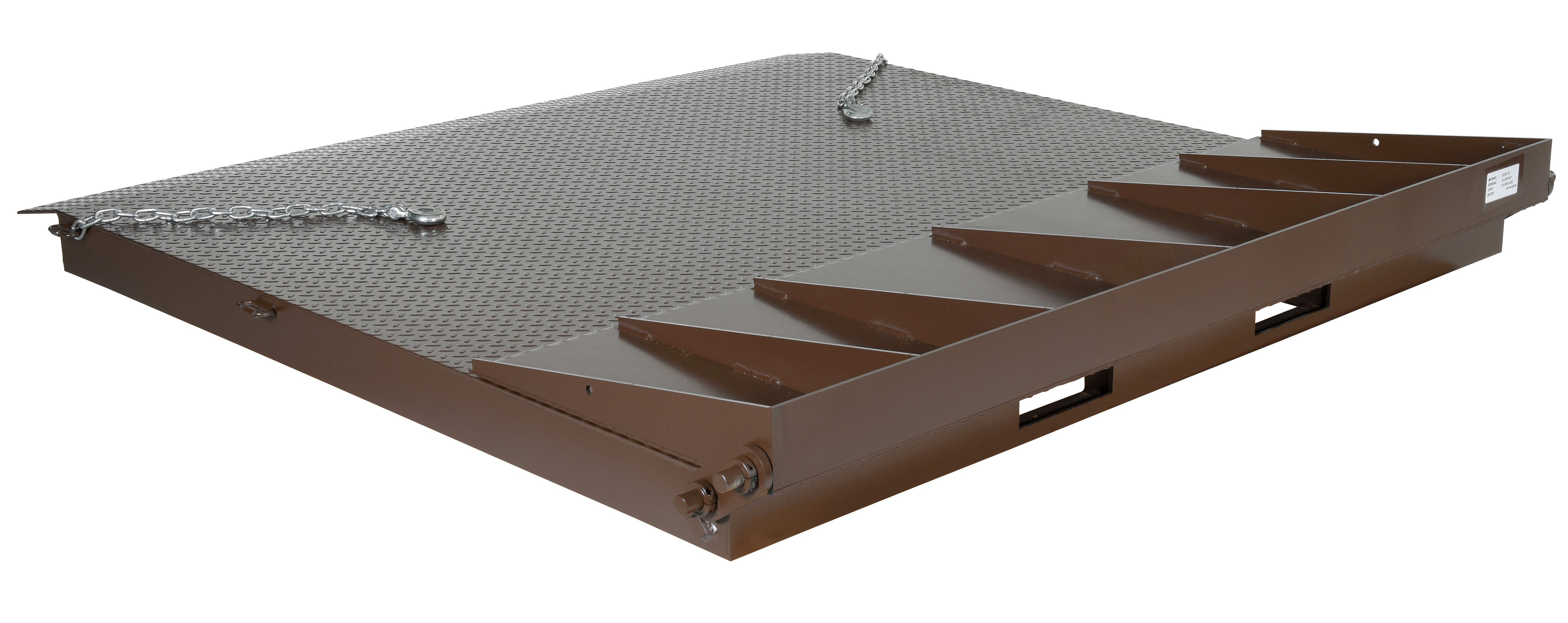
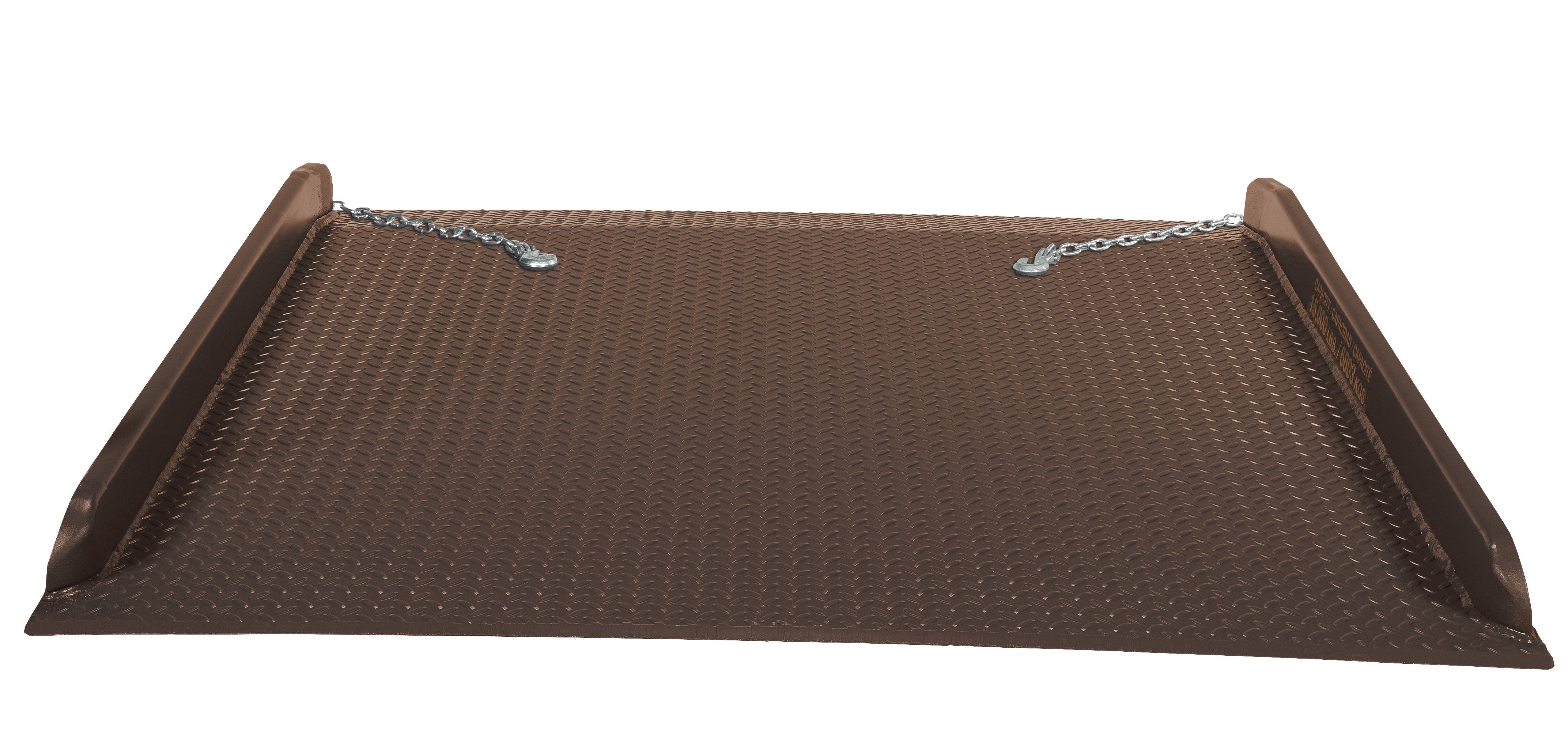
| Vestil Steel Container Ramps with Flip-Over Bridge | $2,661 | 72-84 in | 15,000 lb | — | View → |
| Vestil Fiberglass Autoloader Ramps | $2,208 | — | 5,000 lb | 120-192 in | View → |
| Vestil Heavy-Duty Fiberglass Walk Ramps | $1,681 | 30-36 in | 3,000 lb | 120-168 in | View → |
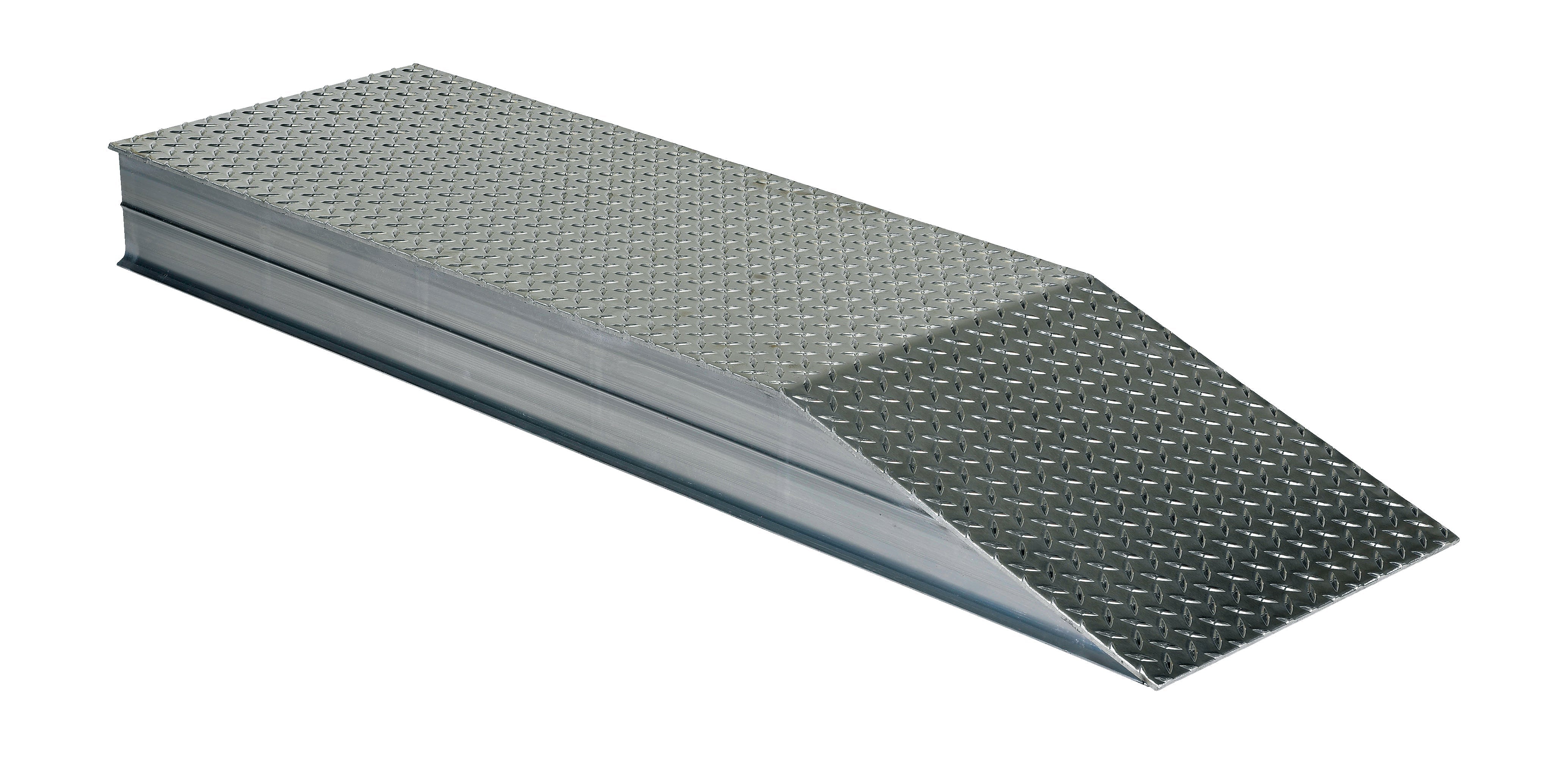
| Vestil Aluminum Wheel Risers (ATWR) | $1,298 | — | 30,000 lb | — | View → |
| Vestil Steel Container Ramps with Side Rails | $1,262 | 60-84 in | 15,000-20,000 lb | 60-72 in | View → |
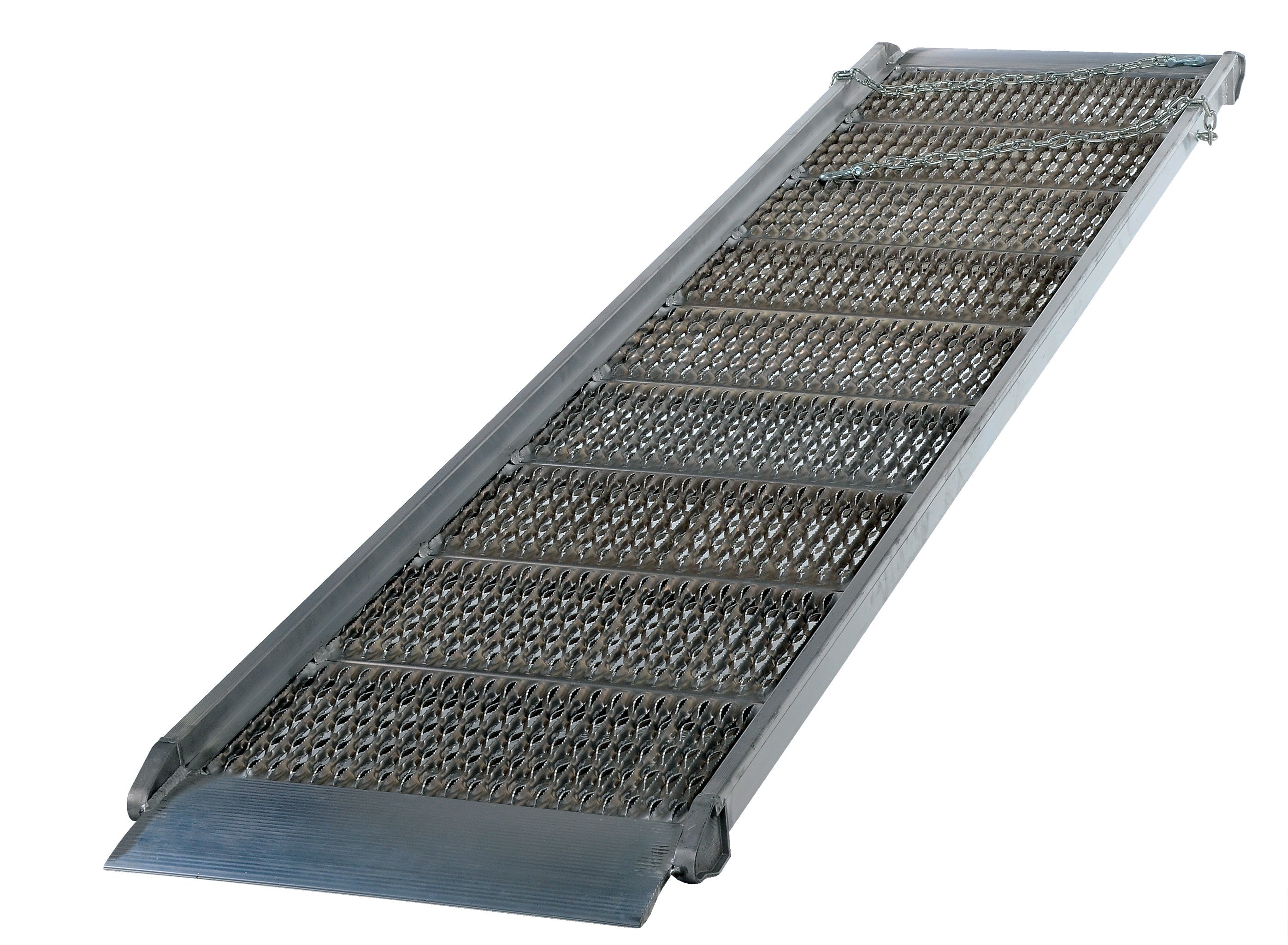
| Vestil Aluminum Grip-Strut Walk Ramps | $893 | — | 1,000-2,800 lb | — | View → |
 In Stock
 In Stock
 In Stock
 In Stock
 In Stock
 In Stock
 In Stock
 In Stock
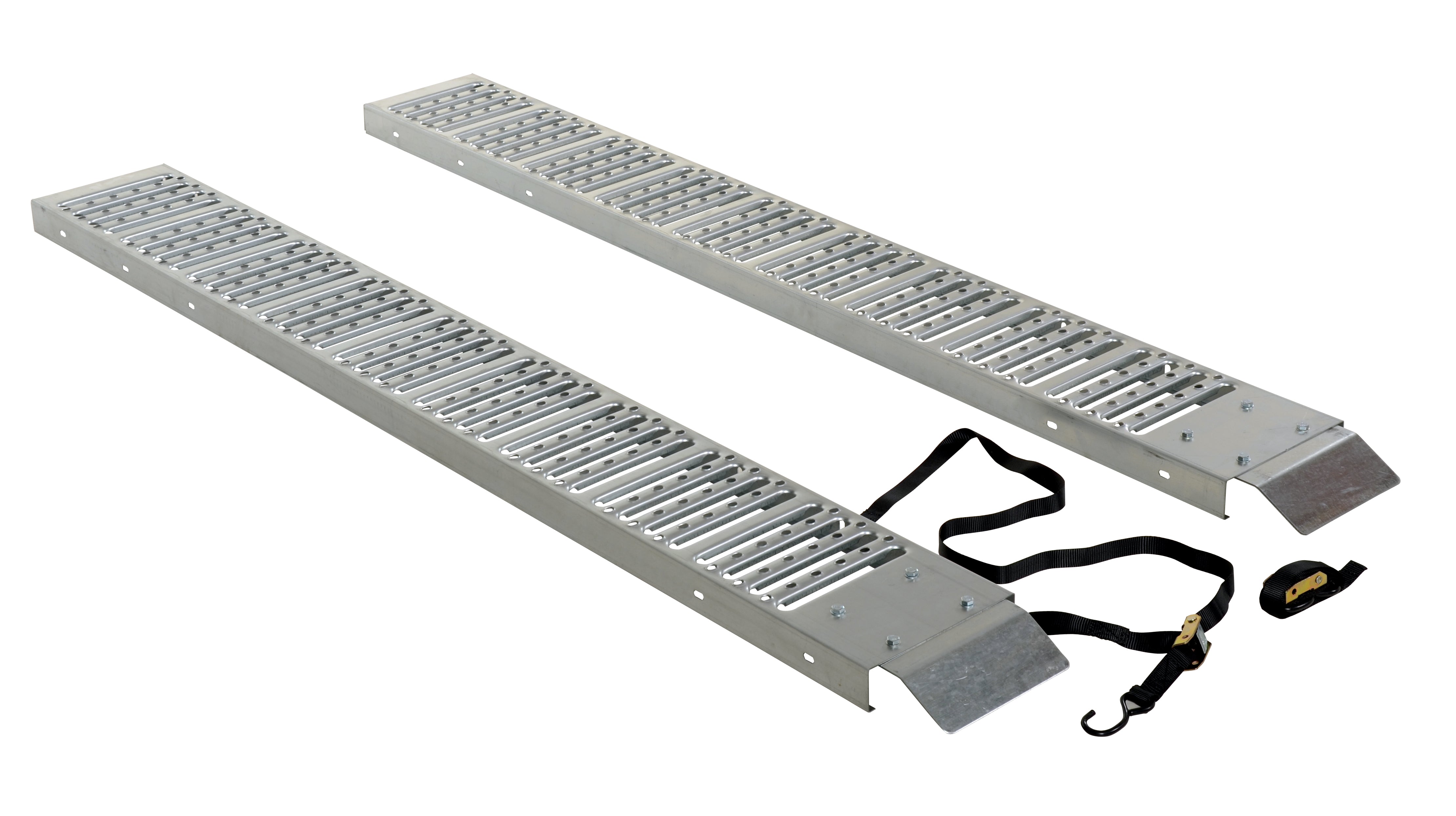 In Stock
Walk & Service Ramps Buying Guide
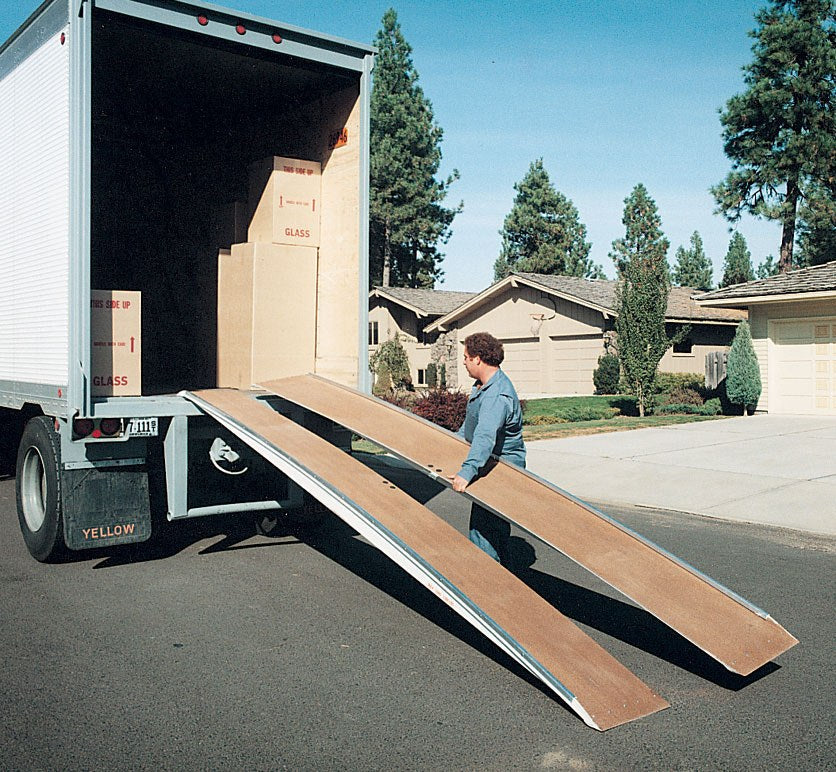
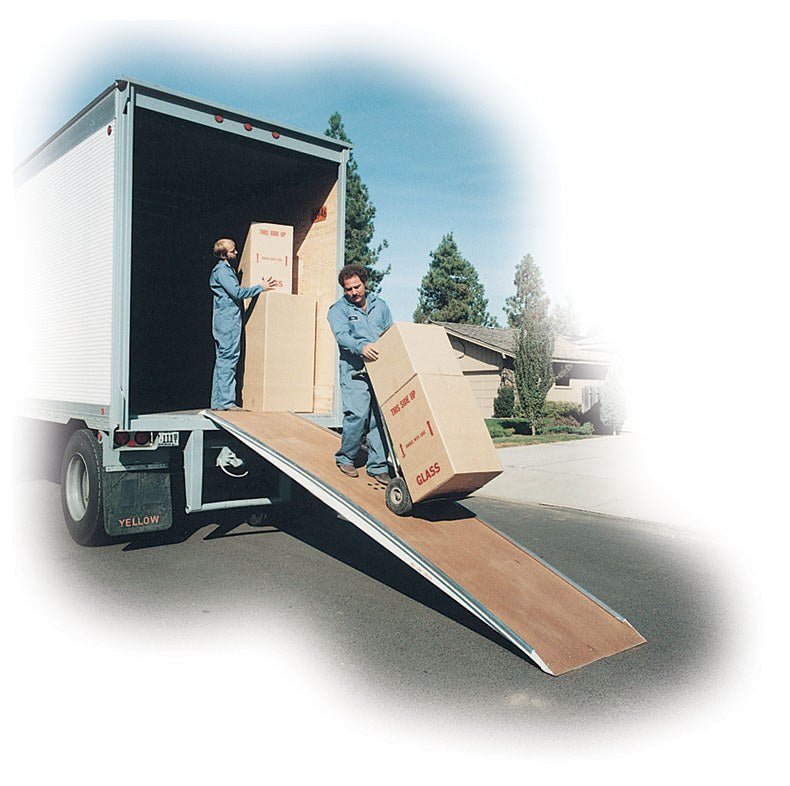
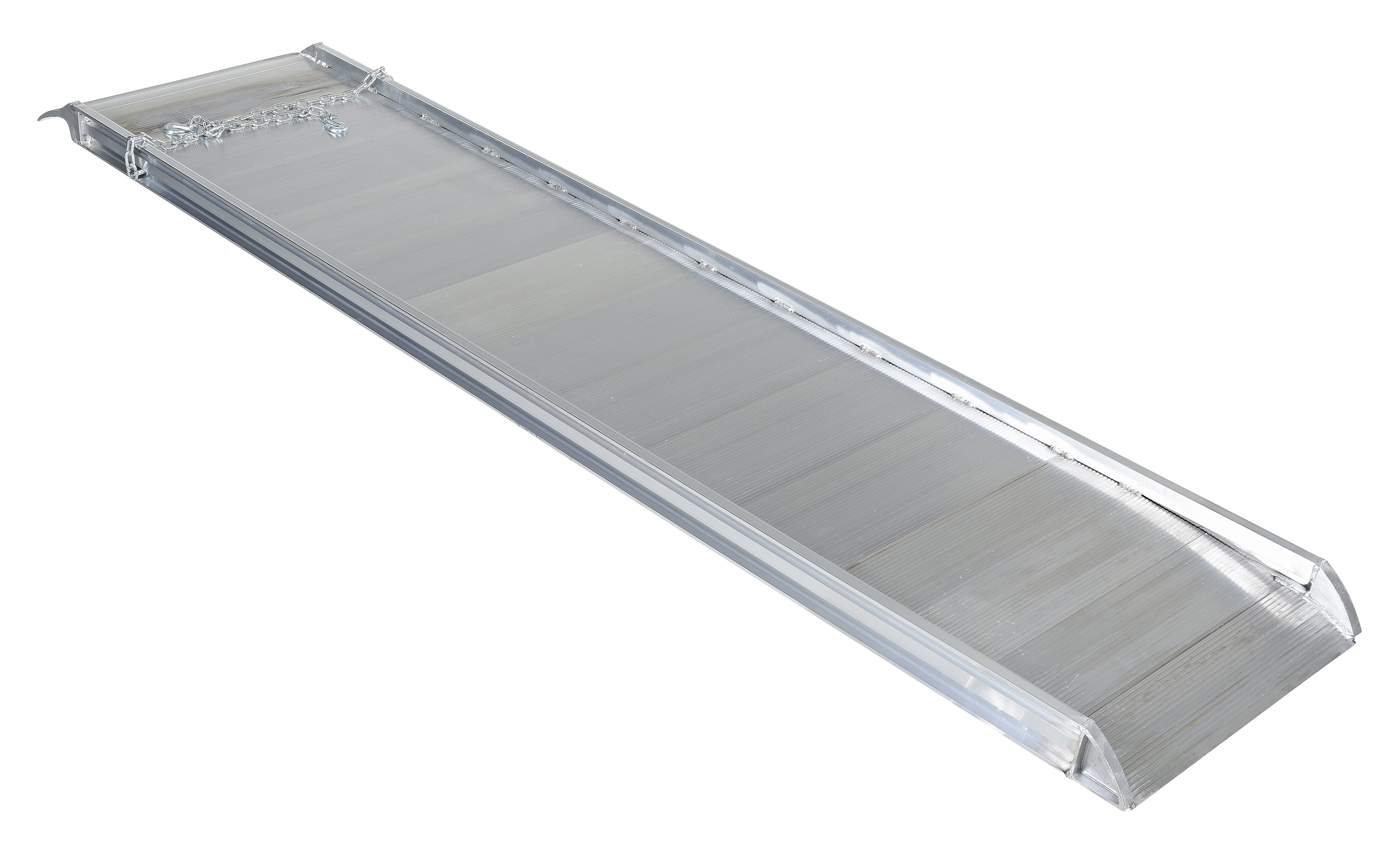
Start with what crosses the ramp. Every ramp here answers one question: what has to get across the gap. Foot traffic, hand trucks, and 2-wheel dollies cross a light aluminum walk ramp, which starts at $377 and rates from 1,000 to 3,000 lb depending on the cart. Powered pallet jacks and heavier wheeled loads want the grip-strut or fiberglass builds. A forklift is a different animal, and for driving a lift truck from grade up into a trailer the yard ramps collection is the right page, while dock lifts raise an entire load on a platform instead of rolling it up a grade. The walk ramps stop where a forklift's weight begins, with one deliberate exception: the steel container ramps further down, which are built for exactly that. One Vestil convention trips up first-time buyers. The walk ramps carry two capacity numbers, a lower one for a 2-wheel cart and a higher one for a 4-wheel cart, because a hand truck concentrates its whole load on two narrow contact points while four wheels spread it across the deck. Rate off the cart you actually push, not the larger number on the label.
Aluminum, fiberglass, or steel. Material decides more of these purchases than capacity does. Aluminum is the default: light enough for one or two people to reposition, rust-free, and affordable, from $377 for a plain-deck walk ramp to $613 for the grip-strut version, whose serrated steel grating bites into boot soles and cart wheels for traction when the surface is wet. Fiberglass costs more, from $1,680 for the heavy-duty walk ramp, and earns it in two situations: it does not conduct electricity, which matters around live equipment and battery-charging rooms, and it stands up to the chemicals and constant moisture that pit aluminum, so wash-down bays and exposed outdoor sites favor it. The molded fiberglass deck carries its grip in the surface rather than bolted on top. Steel is the heavy-duty end, reserved here for the container ramps that take forklift weight. Every aluminum walk ramp ships with 1-1/2 inch safety curbs down both sides to keep a wheel from wandering off the edge, and handrails bolt onto either or both sides when the ramp will see foot traffic at height.
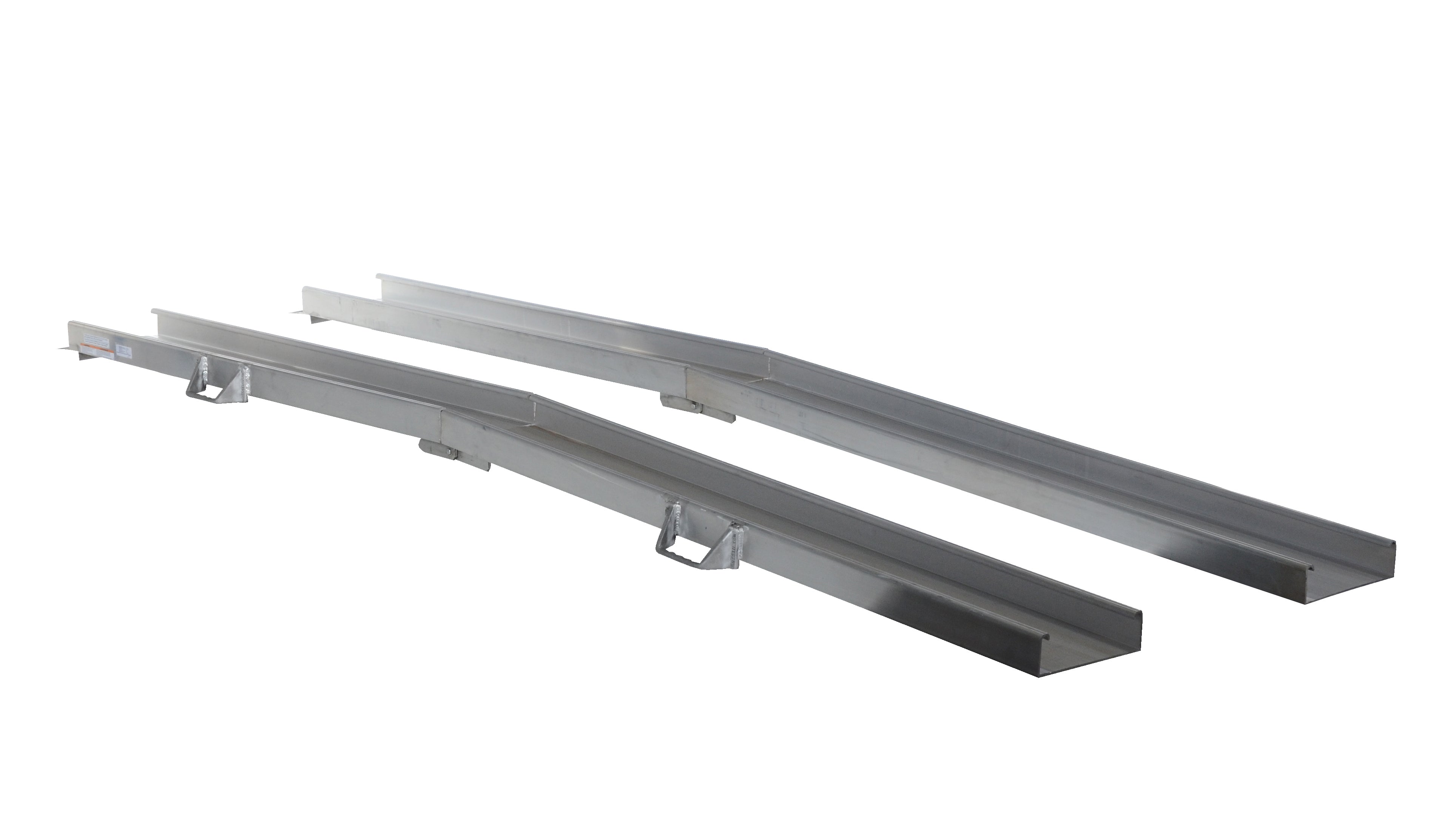
Length is the slope, and the slope is the safety. The single most important dimension on a walk ramp is length, because length sets the slope, and slope decides whether a loaded cart is manageable or a hazard. The taller the step you are bridging, the longer the ramp has to be to keep the grade sane, which is why the aluminum and fiberglass walk ramps run from 48 inches out to 16 feet. A gentler slope means less muscle going up and far less runaway risk coming down. Accessible ramps have a hard rule to hit: the ADA caps a wheelchair ramp at a 1:12 slope, one inch of rise for every foot of run, with a maximum 30 inch rise before a landing is required. Vestil's wheelchair ramps come in foldaway and telescoping styles from $371 for door thresholds and short lifts, and the steel pick-up and van ramps, at $165 for a 1,000 lb pair, are the budget answer for loading a hand cart or light equipment into a truck bed. Whatever the application, measure the exact rise you need to climb before ordering, then buy the length that keeps the grade comfortable rather than the one that merely clears the rule.
Container ramps: driving a forklift into a box on the ground. When a shipping container sits on the ground instead of a chassis, its floor is a low step above grade with no dock behind it, and the only way to get a forklift inside is a ramp built to carry the truck. The steel container ramps handle this in two styles. The side-rail version, from $1,262 and rated at 15,000 or 20,000 lb, is the workhorse: a heavy steel ramp with rails that keep the lift truck tracking straight as it climbs into the box. The flip-over bridge version, from $2,661, adds a hinged plate at the top that folds down onto the container floor to close the last gap, so the forklift rolls in without a lip to bump over. Size the width to your truck and the capacity to the loaded lift truck, not the pallet, the same rule the whole store runs on. For auto shops with a related problem, the fiberglass autoloader ramps, from $2,208 in 10 to 16 foot lengths, load vehicles onto flatbeds and trailers on a non-conductive, corrosion-proof deck.
Wheel risers and pairing with the dock. One product here solves a mismatch rather than a missing dock. The aluminum wheel risers (ATWR), from $521 and rated to 30,000 lb, are a short ramped platform the trailer's rear wheels drive up onto, lifting a low trailer bed the last few inches to meet the dock so a forklift crosses level instead of uphill. They come in 6 to 12 inch heights and take an optional roll-off guard that keeps the tires from walking off the side. If a low trailer is your recurring problem, the dedicated wheel risers collection carries the range. Whatever gets a truck to the dock, the safety rule underneath it does not change: before any powered truck boards a trailer, its brakes are set and wheel chocks go under the rear wheels, because a trailer that creeps away with a forklift inside is the dock's signature accident. These ramps and risers all live under the broader loading dock equipment hub, where the levelers, seals, and gates that finish a permanent dock also live.
Frequently Asked Questions
A walk ramp carries foot traffic, hand trucks, and wheeled carts, and the aluminum models here rate from 1,000 to 3,000 lb depending on the cart. A yard ramp is the heavier machine built for a forklift to drive from grade up into a trailer or container, rated in the tens of thousands of pounds. If people and carts cross it, buy the walk ramp; if a lift truck drives up it, you want a yard ramp or the steel container ramps in this collection.
Measure the vertical rise you have to climb first, because length sets the slope. A longer ramp gives a gentler grade, which is easier to push up and safer to control coming down. The aluminum and fiberglass walk ramps run from 48 inches to 16 feet for that reason. Accessible ramps follow the ADA rule of a 1:12 maximum slope, one inch of rise per foot of run, with a landing required past 30 inches of rise.
Aluminum is lighter, cheaper, and rust-free, and the grip-strut version adds serrated traction for wet decks, which covers most general loading. Choose fiberglass when the ramp will work around live electrical equipment or battery charging, since it does not conduct electricity, or in wash-down and chemical areas that would pit aluminum over time. Fiberglass costs more up front and holds up in environments that shorten an aluminum ramp's life.
Vestil rates walk ramps twice, once for a 2-wheel cart and once for a 4-wheel cart, and the 4-wheel number is always higher. A 2-wheel hand truck puts its entire load on two narrow contact points, while four wheels spread the same weight across more of the deck. Rate off the cart you actually use, and if you run both, size to the lower 2-wheel figure.
Both let a forklift drive into a ground-level container. The side-rail ramp, rated at 15,000 or 20,000 lb, is the straightforward choice and keeps the truck tracking as it climbs. The flip-over bridge version adds a hinged plate that folds onto the container floor to close the last gap, so the forklift rolls in without bumping a lip at the top. Pick the flip-over bridge if that transition edge is causing hang-ups or spills.