Portable Electric Winch
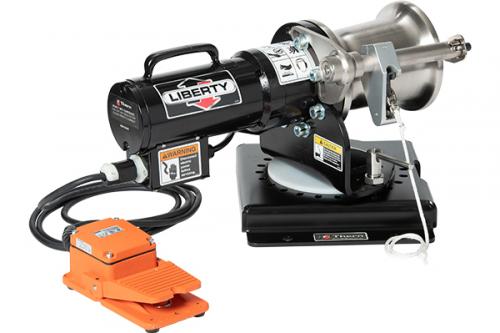
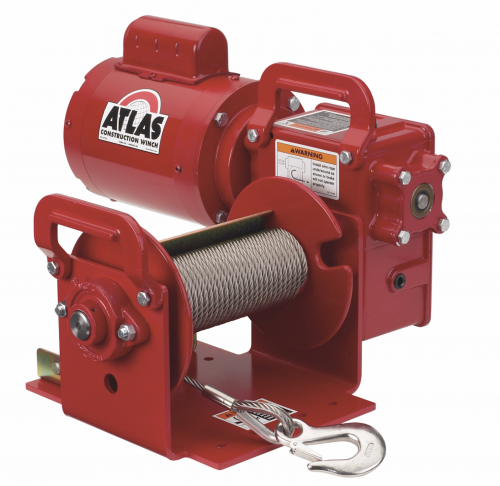
A portable electric winch is a compact powered winch you can carry to the work, bolt down or hitch on, and run off standard 115V single-phase power to pull or lift a load on a wire rope or synthetic line. This collection is built around Thern, the Winona, Minnesota winch maker, and covers the machines sized for that mobile, plug-in-and-pull kind of work: the Liberty capstan winch rated at 1,000 lb on 115V in fixed or swivel mount, worm gear power winches at 2,000 lb with a choice of lifting brake or horizontal-pulling clutch, a tow hitch mount that lets a capstan travel on a vehicle receiver, and the Samson synthetic rope assemblies that spool onto them. Prices run from a few hundred dollars for the hitch mount into five figures for a fully roped capstan. The guide below sorts the pulling-versus-lifting question, the capstan-versus-drum choice, and the power and mounting details that decide whether a winch is genuinely portable.
Compare Portable Electric Winches
| Model | Price | Capacity | Power | Overall Length | |
|---|---|---|---|---|---|
| Thern Liberty Capstan Winch | $4,180 | 1,000 lb | 115V | — | View → |
| Thern Worm Gear Power Winches | $3,095 | 2,000 lb | 115V | 4 in | View → |
Portable Electric Winches Buying Guide
Pulling or lifting: the rating that decides everything. The single most important line on a winch spec sheet is whether it is rated to lift or to pull, because the two jobs are not interchangeable. Horizontal pulling loads the winch against friction and rolling resistance; overhead lifting loads it against gravity, which never lets go, so a lifting-rated machine carries a higher design factor and a load-holding brake that stops the drum the instant power cuts. Thern makes the distinction explicit on the worm gear power winches: the 5 inch and 8 inch drum models ship with a brake for lifting, while the 5.5 inch drum clutch model is marked for horizontal pulling only. A worm gear is self-holding and will not back-drive, but that is not the same as a certified lifting brake, so never put a pulling-only winch over a suspended load. Total your load, add the rigging, and size above it.
Capstan or drum: how the winch handles the rope. The two winch types here handle the rope differently. A drum winch spools the wire rope or synthetic line onto a drum, so its capacity and its usable length are both fixed by that drum, and the worm gear power winches work this way. A capstan winch spins a smooth drum that the operator wraps the rope around a few turns; friction between rope and drum does the pulling, and the operator meters tension by hand on the free end. Because a capstan does not store the rope on itself, line length is limited only by the rope you feed it, and the Liberty capstan takes 300 to 1,200 ft of synthetic line. Capstans do well on long, continuous pulls and endless-line work; drum winches suit repeatable lifts and set travel. Match the mechanism to how the rope actually moves on your job.
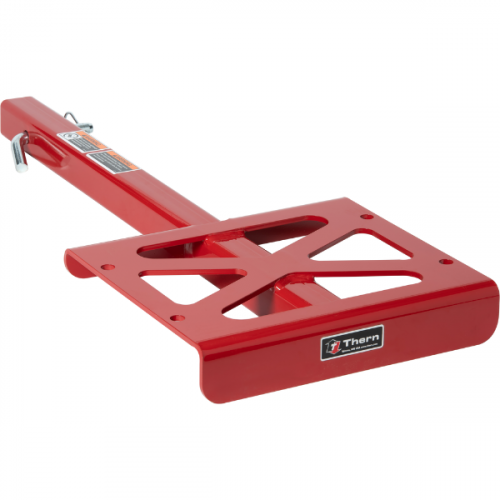
Power and mounting: what makes a winch portable. Portable here means the winch runs on power you already have and mounts where the work is. Every machine in this collection runs on 115V single-phase, the same standard wall circuit that powers a shop, so there is no three-phase panel or generator to arrange before the winch earns its keep. That is the practical line between these and the larger industrial electric winches, which move to three-phase power and permanent bases as capacity climbs. Mounting is the other half: the Liberty capstan comes in a fixed mount that bolts to a structure and a swivel mount that lets the winch pivot to follow the pull, and the Thern capstan tow hitch drops a capstan into a standard receiver so a truck becomes the anchor. Confirm the base can carry the full line pull before the first load.
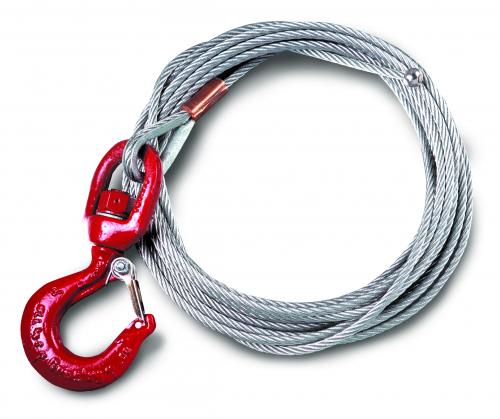
Rope and cable: match the line to the drum. A winch is only as good as the line on it, and the line is a separate decision. The worm gear power winches run on galvanized aircraft cable, offered here in 1/4 inch at 45 and 75 ft lengths, which gives abrasion resistance and tight drum packing on a lifting winch. The capstan side runs synthetic: the Samson synthetic rope assemblies come in 1/2, 5/8, and 3/4 inch diameters from 300 to 1,200 ft, and synthetic rope is lighter, safer under recoil, and easier on the hands than wire, which is why it pairs with the hand-fed capstan. Size the rope diameter to the drum and the working load, not past it, and retire any line with broken wires, cuts, heat glazing, or a crushed core. Spare and replacement line lives in winch ropes.
Where a portable winch fits, and where it does not. A portable electric winch sits between the muscle-powered and the heavy-installed ends of the range. Below it, a hand winch needs no power at all and suits trailers, gates, and light positioning where a crank is enough. Beside it, an air tugger winch trades the wall plug for shop air and the intrinsic safety that buys in classified areas. Above it, the industrial electric winches step up to three-phase power, larger drums, and fixed foundations for continuous duty. If you are still narrowing the whole category, the winches hub lays the types side by side, and the switches, pendants, and contactors that run a powered winch are in electric winch controls. Buy the class that matches your power supply, your duty cycle, and how often the winch has to move.
The standards, and the personnel line you do not cross. Powered winches fall under ASME B30.7, the volume titled Winches and formerly called Base-Mounted Drum Hoists, which covers construction, installation, operation, inspection, and maintenance for winches mounted to a foundation or supporting structure. The practical takeaways are simple: keep the rated load marked and never exceed it, run a frequent visual inspection before use and a documented periodic inspection on a schedule that tightens with heavier service, and check the wire rope or synthetic line every time it feeds. If the winch will ever lift rather than pull, confirm it carries a lifting-rated brake. Remember that no winch in this collection is built or rated to lift or support people, which is a separate class of personnel-rated equipment. Mount to a base that can carry the full line pull, and keep hands, feet, and bystanders clear of the rope and the load path.
Frequently Asked Questions
Only if it is specifically rated to lift and carries a load-holding brake. Pulling and lifting are different duties: lifting fights gravity constantly, so a lifting winch has a higher design factor and a brake that holds the drum when power cuts. Thern's worm gear power winches come in a brake-for-lifting version and a clutch version marked for horizontal pulling only. Check the exact model before you rig over anything, and never assume a pulling winch can lift.
Two things. They run on standard 115V single-phase power, the same circuit as a shop wall outlet, so there is no three-phase panel or generator to set up first. And they mount where the work is rather than to a permanent foundation. The Liberty capstan offers fixed and swivel mounts, and the tow hitch adapter puts a capstan on a vehicle receiver. Larger industrial winches move to three-phase power and fixed bases as capacity grows.
A drum winch spools the line onto a drum, so length is fixed and it suits repeatable lifts and set travel. A capstan winch is hand-fed: you wrap the rope a few turns around a spinning drum and friction pulls, so line length is limited only by the rope and it does well on long, continuous pulls. Pick a drum winch for lifting and fixed distances, and a capstan for long or endless-line pulling where you feed the rope through by hand.
Total the heaviest load the winch will ever move, add the rigging plus any friction or grade, and size above that with margin. Remember pulling and lifting numbers differ: the same machine will lift far less than it pulls because gravity applies a constant force. Never spec right at your maximum load, and confirm both the mounting base and the rope carry the full working line pull before you rig.
ASME B30.7, titled Winches and formerly named Base-Mounted Drum Hoists, governs the construction, installation, operation, inspection, and maintenance of winches mounted to a foundation or supporting structure. It calls for the rated load to be marked, a frequent visual inspection before use, and a documented periodic inspection on intervals that tighten with heavier service. Overhead lifting adds the requirement for a lifting-rated brake, and no general-duty winch is rated to lift people.