Construction Hoist
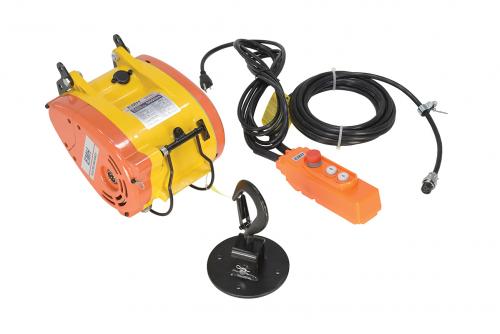
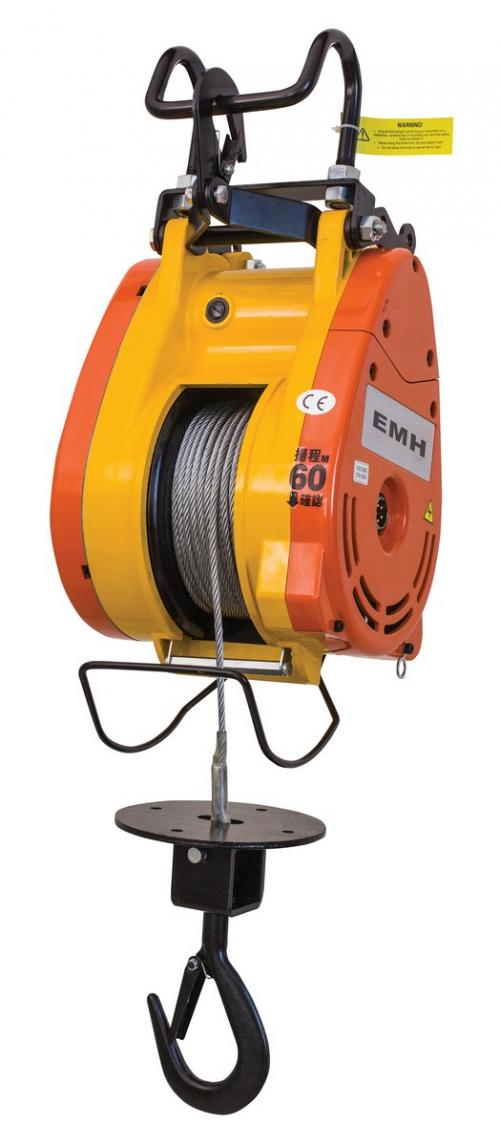
A construction hoist is a portable electric material hoist that clamps to a scaffold, wall, or beam and lifts tools, block, and buckets straight up the outside of a building. It runs on a standard 115V outlet, winds wire rope on a powered drum, and reaches about 90 feet of lift, which is what separates it from a shop hoist wired for a fixed bay. We carry the OZ Lifting OBH builders hoists in 500 and 1,000 lb capacities and Vestil electric rope hoists from 300 to 1,000 lb, along with the scaffold brackets, wall mounts, beam clamps, and push trolleys that put the hoist where the work is. Prices run from a couple hundred dollars for a mount up to the mid four figures for a hoist and its rigging together. The right pick comes down to how much you lift per pull, how fast you need the rope to move, and how the unit will attach to the structure you already have.
Compare Construction Hoists
| Model | Price | Capacity | Power | |
|---|---|---|---|---|
| OZ Lifting 1000lbs Electric Builders Hoist, 115V | $1,345 | 1000 lb | 15 ft | View → |
| Vestil Electric Rope Hoist- 1000Lb, 115v, 90ft lift | $1,215 | 1000 lb | 115V | View → |
| OZ Lifting 500lbs Electric Builders Hoist, 115V | $1,065 | 500 lb | 15 ft | View → |
| OZ Lifting Builder's Hoist Scaffold Mount Bracket for OBH5000 and OBH1000 | $555 | 1,000 lb | — | View → |
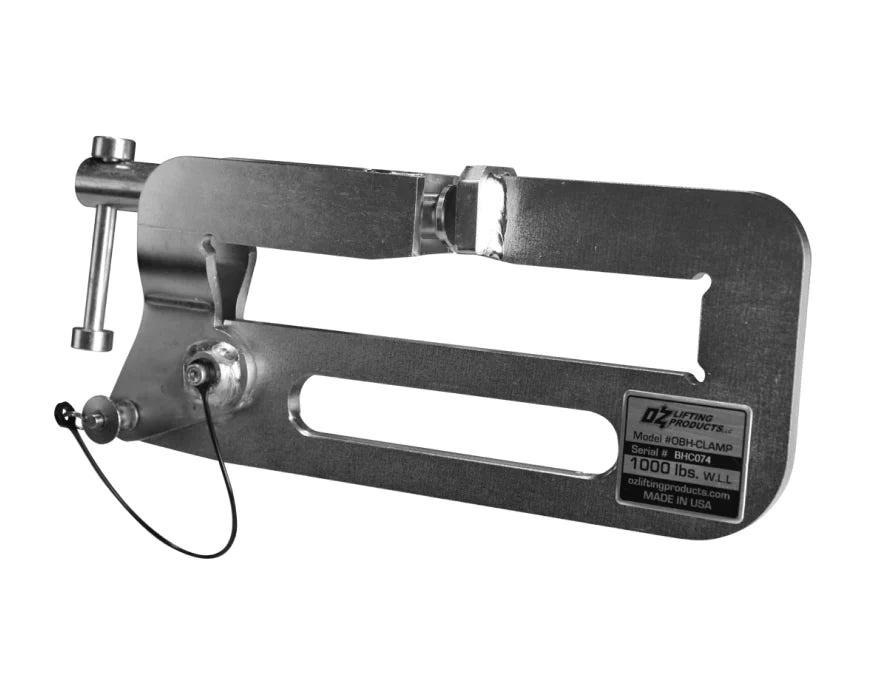
| OZ Lifting Builder's Hoist Beam Clamp 1000Lbs | $223 | 1000 lb | — | View → |
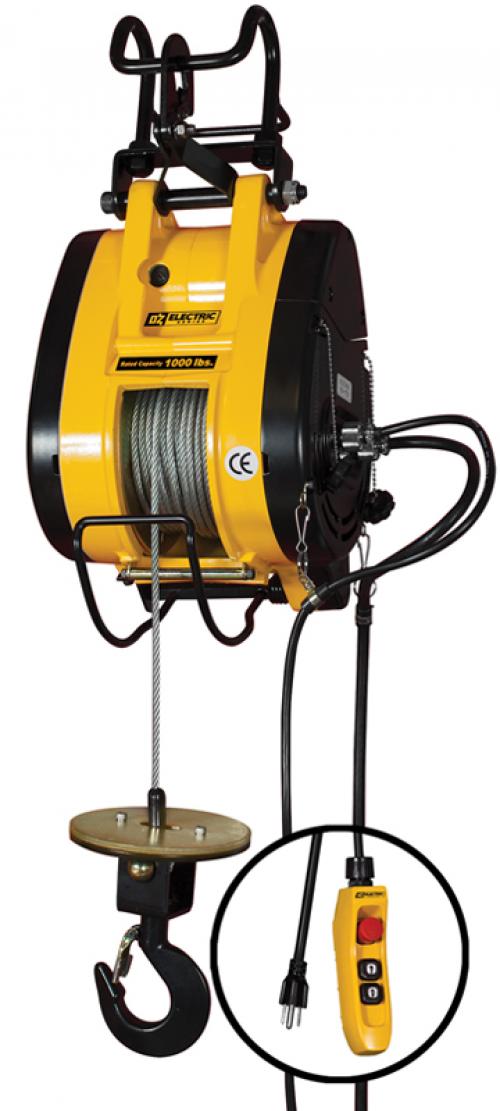 In Stock
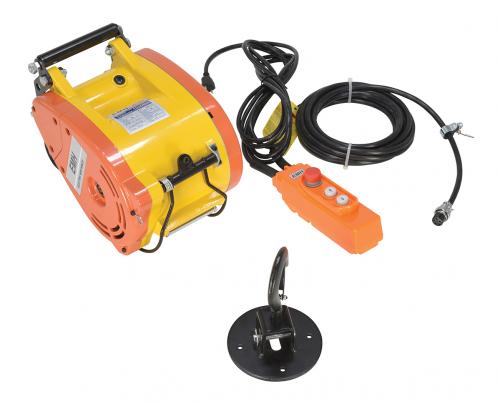 In Stock
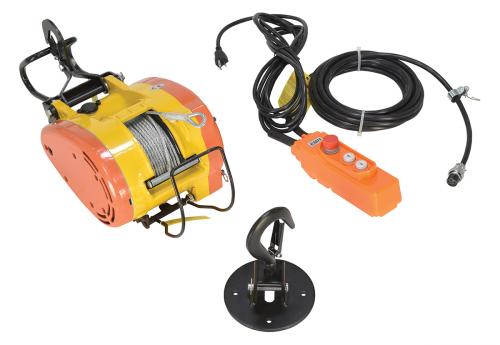 In Stock
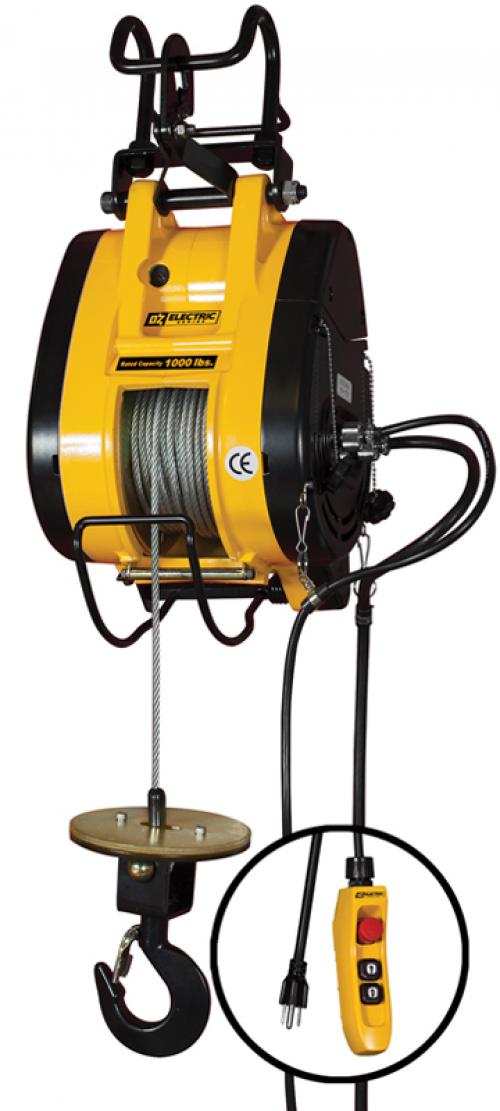 In Stock
 In Stock
 In Stock
 In Stock
 In Stock
 In Stock
 In Stock
 In Stock
 In Stock
Construction Hoists Buying Guide
A construction hoist is a material hoist, not a personnel hoist. These machines lift material, and the distinction is a legal one, not a matter of preference. OSHA's construction rule for material hoists, 29 CFR 1926.552, requires a posted "No Riders Allowed" sign and bars anyone from riding the hoist except for inspection and maintenance. A builders hoist raises block, mortar, tools, and buckets up the face of a scaffold, and it never carries a worker. Keep the load path clear below the hook, keep people off the landing zone during a pick, and treat the rated capacity as a ceiling you do not test. Everything else in this guide assumes the hoist is moving material and only material, because that is the job these units are built and certified for.
Size the capacity, then look at the speed. Capacity and speed pull against each other on these units, and it is worth understanding the trade before you buy. The OZ Lifting OBH500 lifts 500 lb at 75 feet per minute, while the OBH1000 doubles the capacity to 1,000 lb but slows to 37 feet per minute because it reeves the rope for the heavier pull. Our Vestil electric rope hoists split the range finer, at 300, 500, 700, and 1,000 lb, all on 115V power. Total the load honestly: the material plus the bucket, the hook, and any rigging, then round up to the next rating. If the job is repetitive light loads up a low rise, the faster 500 lb unit moves more material per hour. If the picks are heavy, buy the capacity and accept the slower rope. Do not size to the single heaviest pick of the year and then crawl through a thousand light ones.
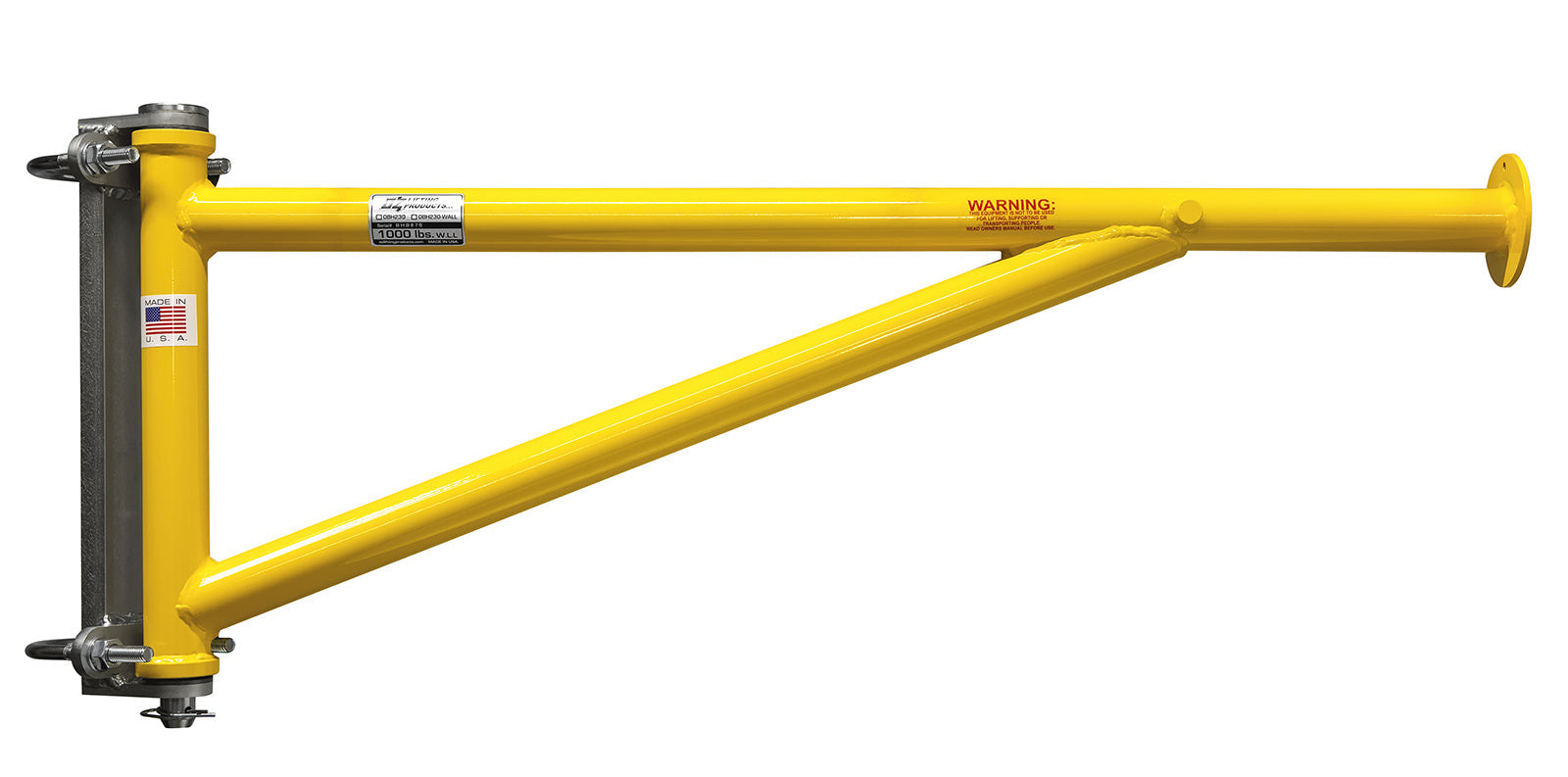
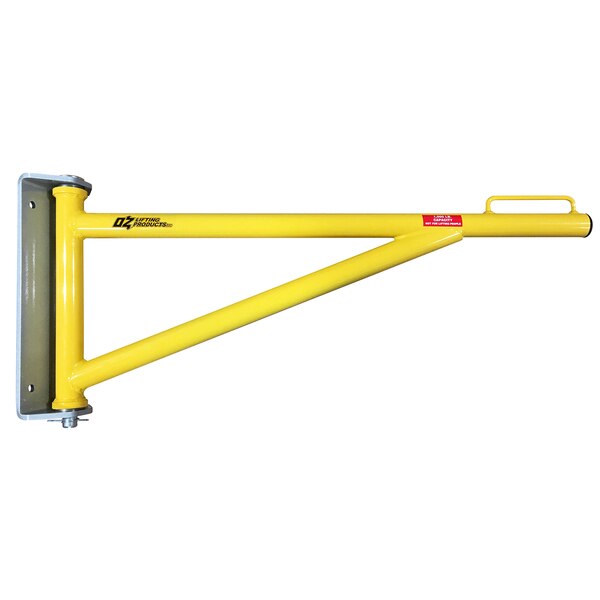
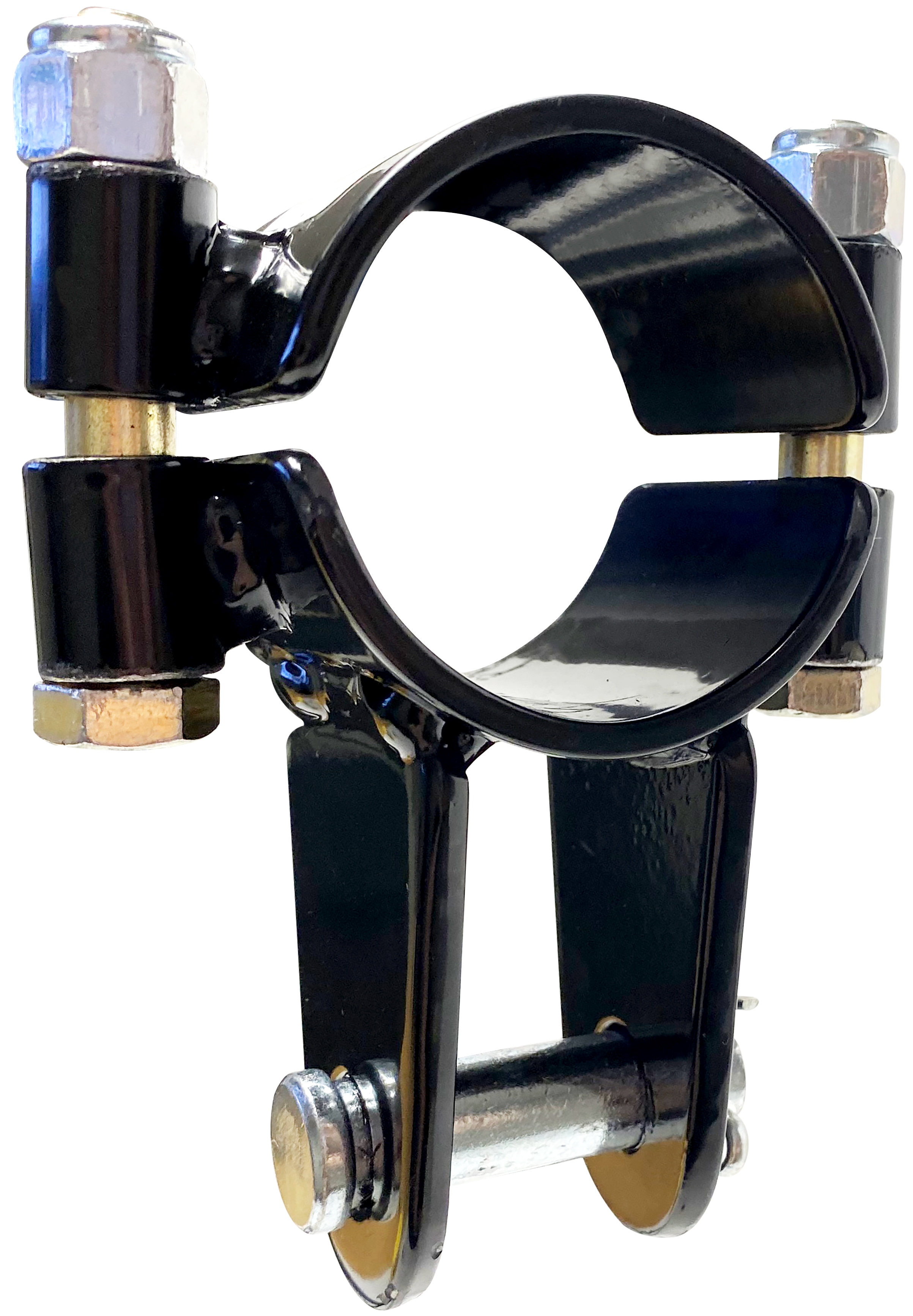
The mount is the decision that defines a construction hoist. This is where a builders hoist earns its name, and it is the part buyers most often underspec. The hoist is only as safe as what it hangs from, and the collection carries every common way to attach one. The scaffold mount bracket bolts the hoist to a standard scaffold tube and is the default on tube-and-clamp or system scaffold. The wall mount bracket anchors it to structure when there is no scaffold to use. The beam clamp, rated to 1,000 lb, grabs the flange of an I-beam with no drilling. The swing arm clamp lets the hoist pivot out past the edge so the rope clears the deck and drops cleanly to the ground below. Whatever you choose, the structure has to carry the load with margin. OSHA requires a scaffold and every component to support at least four times the maximum intended load under 29 CFR 1926.451, so a fully loaded 1,000 lb hoist plus its own weight has to sit on a scaffold rated well beyond that. Confirm the scaffold rating and the bracket rating before the first pick, not after.
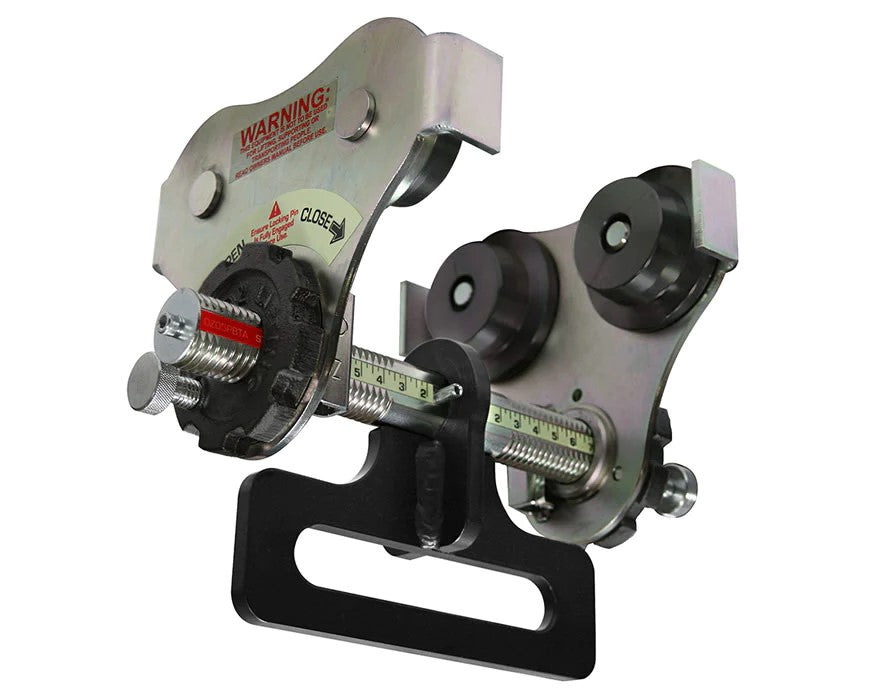
Move the load sideways with a trolley. A fixed mount lifts straight up and down, which is fine until you need to land material a few feet inboard from the rope line. A push beam trolley carries the hoist along a beam so you can spot the load over the deck instead of over the edge. We stock push beam trolleys sized for the OBH500 and OBH1000, including a half-ton trolley that also fits the OBG gantry frame. Pair a trolley with a beam that spans the opening and a vertical hoist becomes a short horizontal handling system. That is often the difference between setting a pallet of block where the masons are working and dropping it at the edge for a second manual carry, which is the lift that hurts people.
115V power and 90 feet of reach. Every construction hoist here runs on single-phase 115V, the same power as a job-site outlet or a portable generator, so there is no three-phase drop to arrange. The OBH1000 ships with a 15 ft power cord and a 65 ft control pendant, which lets the operator stand clear of the load and still reach the buttons from a lower landing. Ninety feet of wire rope is the standard drum length across the OZ and Vestil units, enough for most low- and mid-rise work. Measure your lift height and add the slack you need to reach the ground with the hook, because usable lift is always a little less than the total rope wound on the drum.
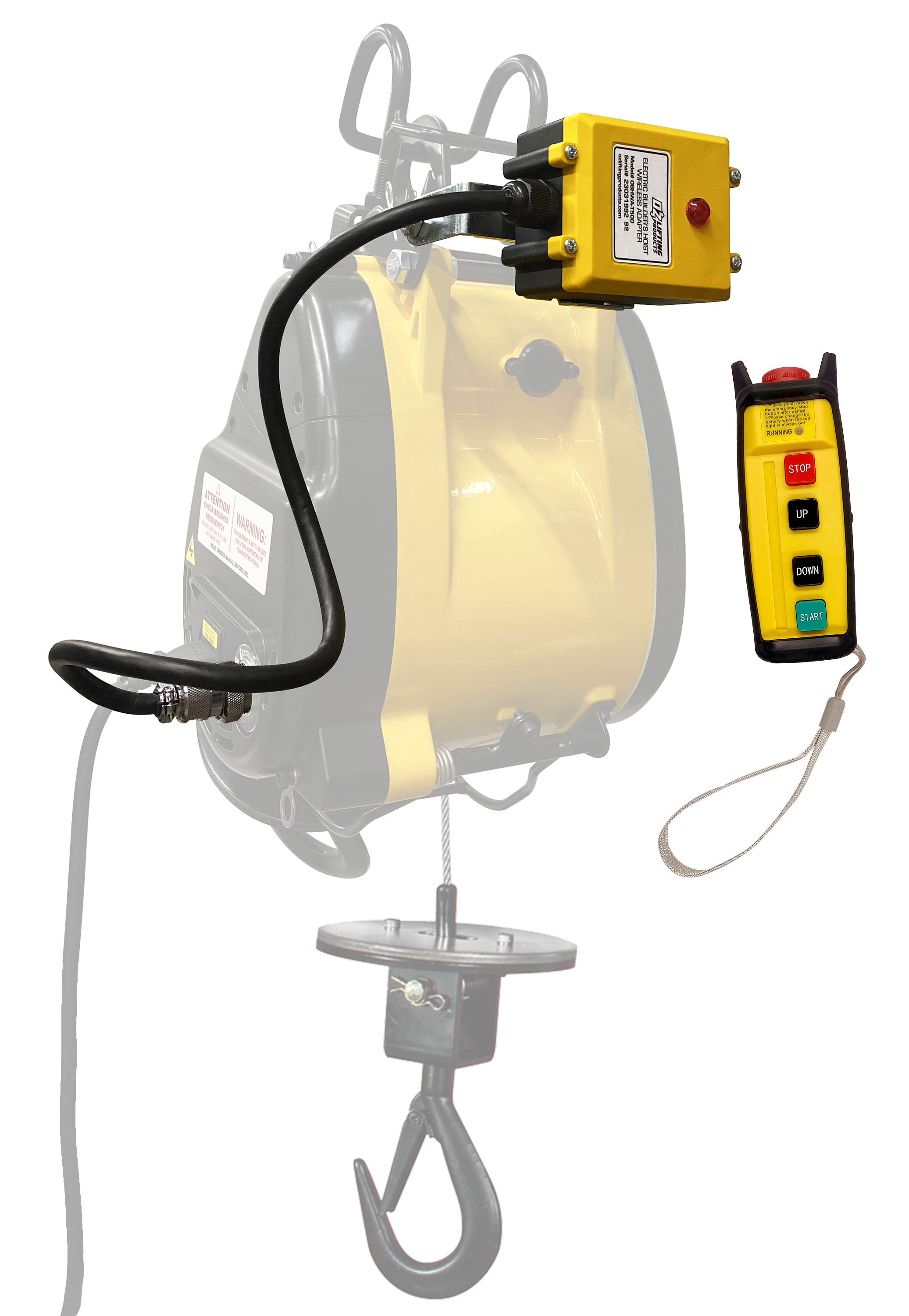
Controls, braking, and when to step up to a different hoist. The OBH builders hoists come with a wired pendant, upper and lower limit switches that stop the drum at the top and bottom of travel, a dynamic brake that holds the load when the button is released, and a 360-degree swivel hook. If the pendant cord gets in the way, the wireless plug-and-play adapter converts the same hoist to remote control. A construction hoist is built for temporary, portable, outside-the-building work. When the lift is permanent and lives in one bay, an electric wire rope hoist or an electric chain hoist wired for the shop is the better long-term buy. Match the machine to the job: rope up the scaffold for the build, a fixed hoist on the beam once the building is standing.
Frequently Asked Questions
No. A construction hoist is a material hoist under OSHA 29 CFR 1926.552, which requires a posted "No Riders Allowed" sign and prohibits anyone from riding except during inspection or maintenance. Use it to lift block, tools, and buckets. Move people with a personnel hoist or a lift rated and certified for carrying workers.
All of the OZ and Vestil units here run on single-phase 115V, the same power as a standard job-site outlet or a portable generator. There is no three-phase wiring to arrange, which is part of why these hoists move so easily between sites. The OBH1000 comes with a 15 ft power cord and a 65 ft control pendant.
The OZ OBH500 and OBH1000 and the Vestil rope hoists all carry about 90 feet of wire rope on the drum, which covers most low- and mid-rise work. Usable lift is slightly less than the total rope, so measure your height and leave slack to reach the ground with the hook.
With a scaffold mount bracket that clamps the hoist to a scaffold tube, or a wall mount bracket, beam clamp, or swing arm clamp for other structures. The scaffold itself has to carry the load: OSHA 1926.451 requires it to support at least four times the maximum intended load, so confirm both the scaffold rating and the bracket rating before you lift.
Capacity and speed. The OBH500 lifts 500 lb at 75 feet per minute, while the OBH1000 lifts 1,000 lb at 37 feet per minute because the heavier reeving trades speed for pull. Choose the faster 500 lb unit for repetitive light loads and the 1,000 lb unit when the picks are heavy.
Yes, with a push beam trolley. Mounted on a beam that spans the opening, the trolley rolls the hoist inboard so you can land material over the deck instead of at the edge. We carry trolleys sized for the OBH500 and OBH1000.