Round Slings
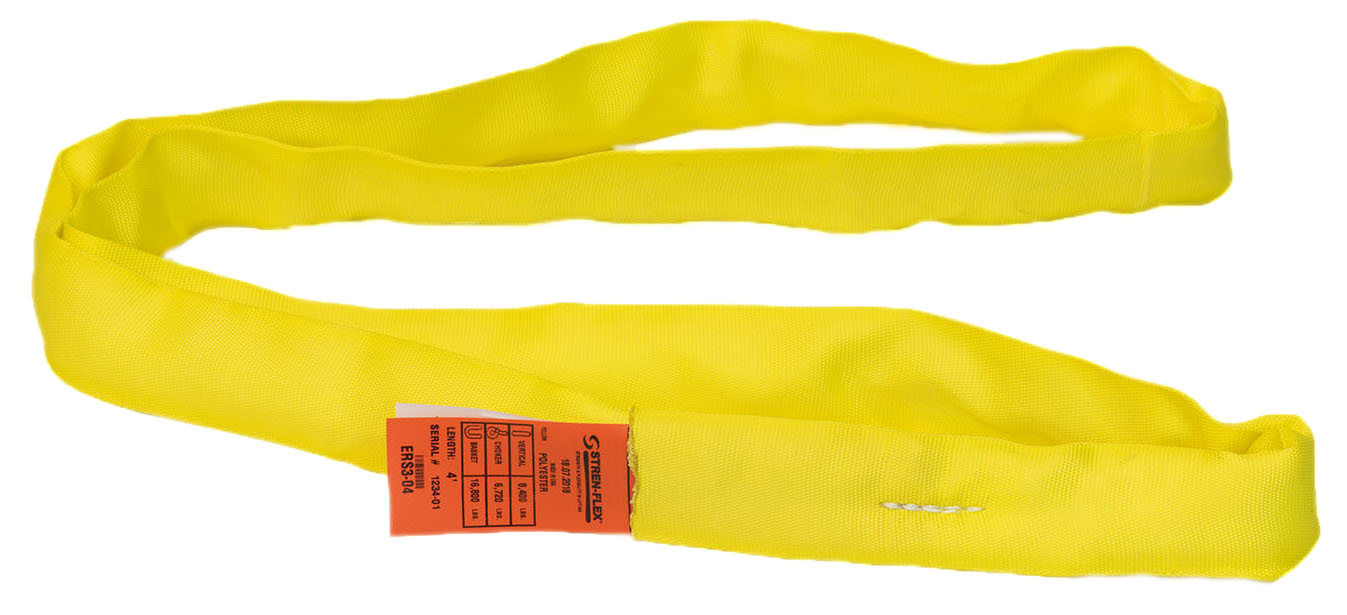
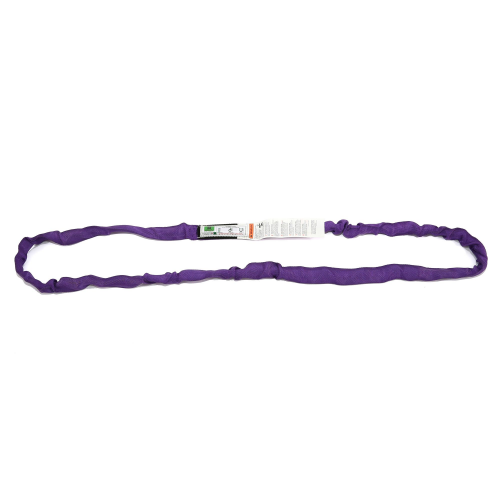
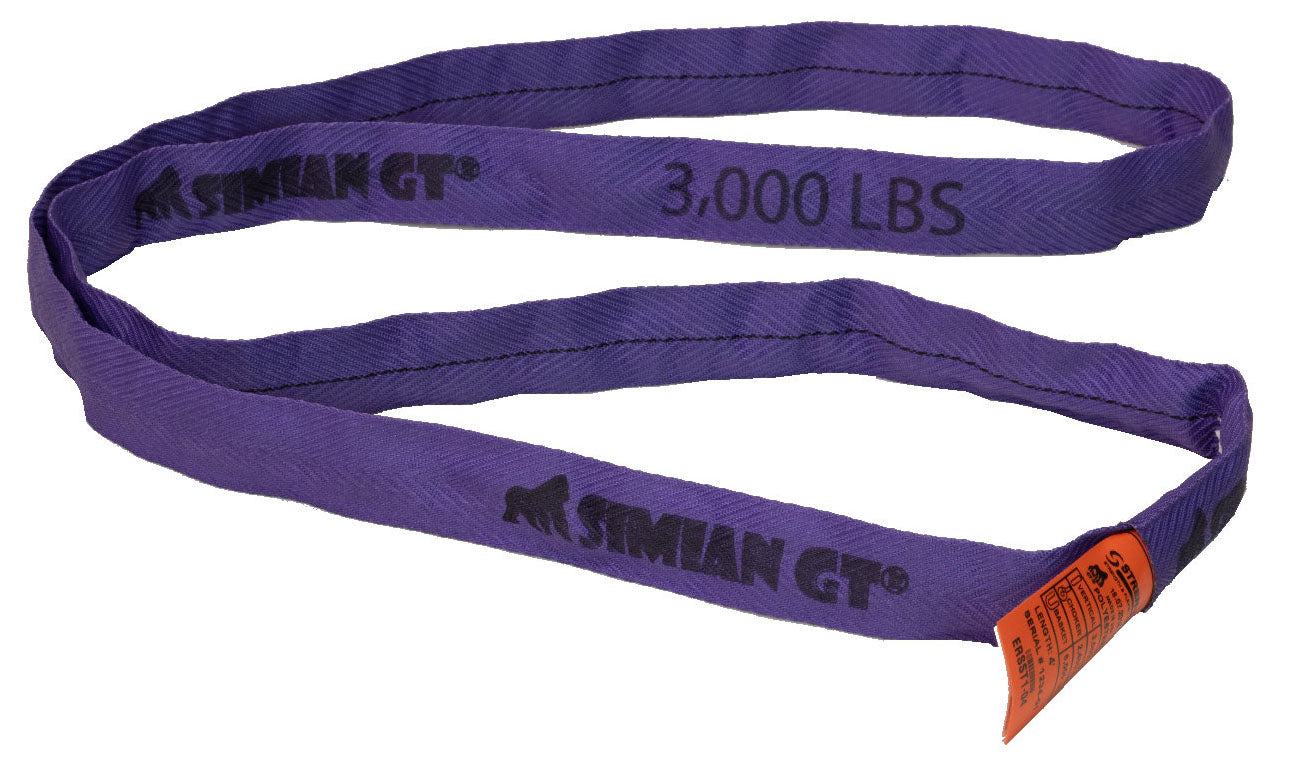
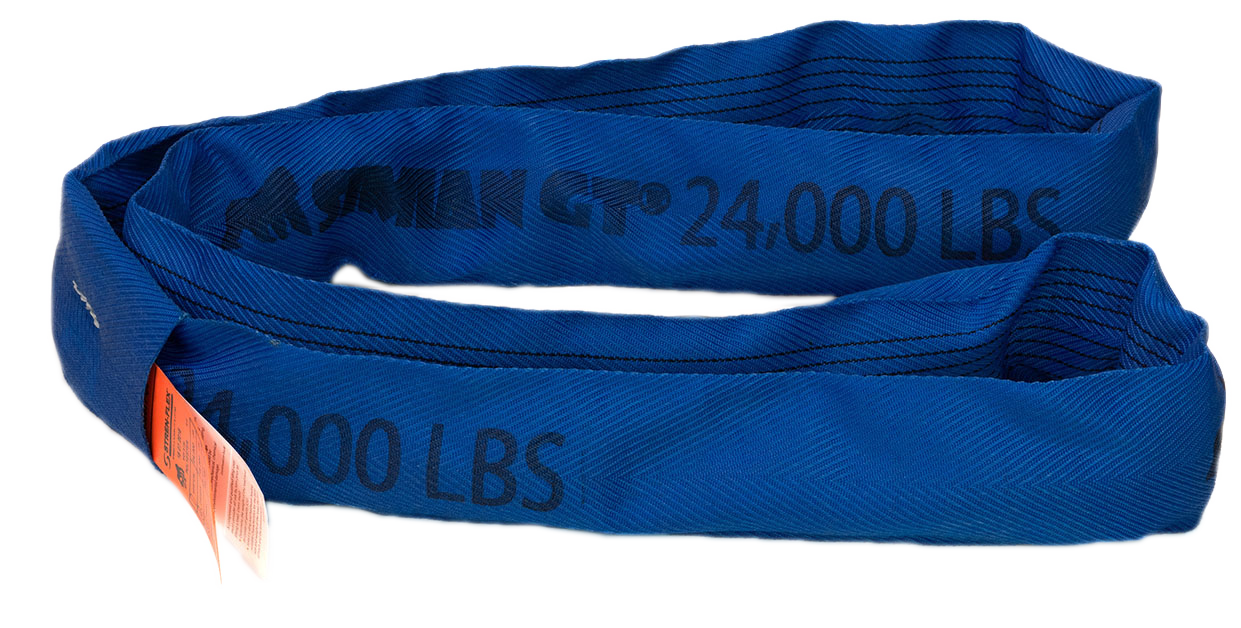
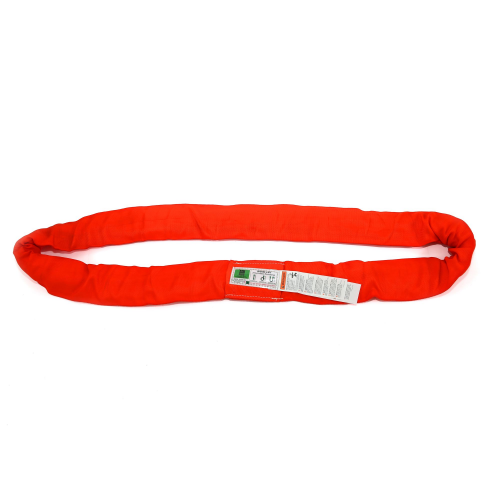
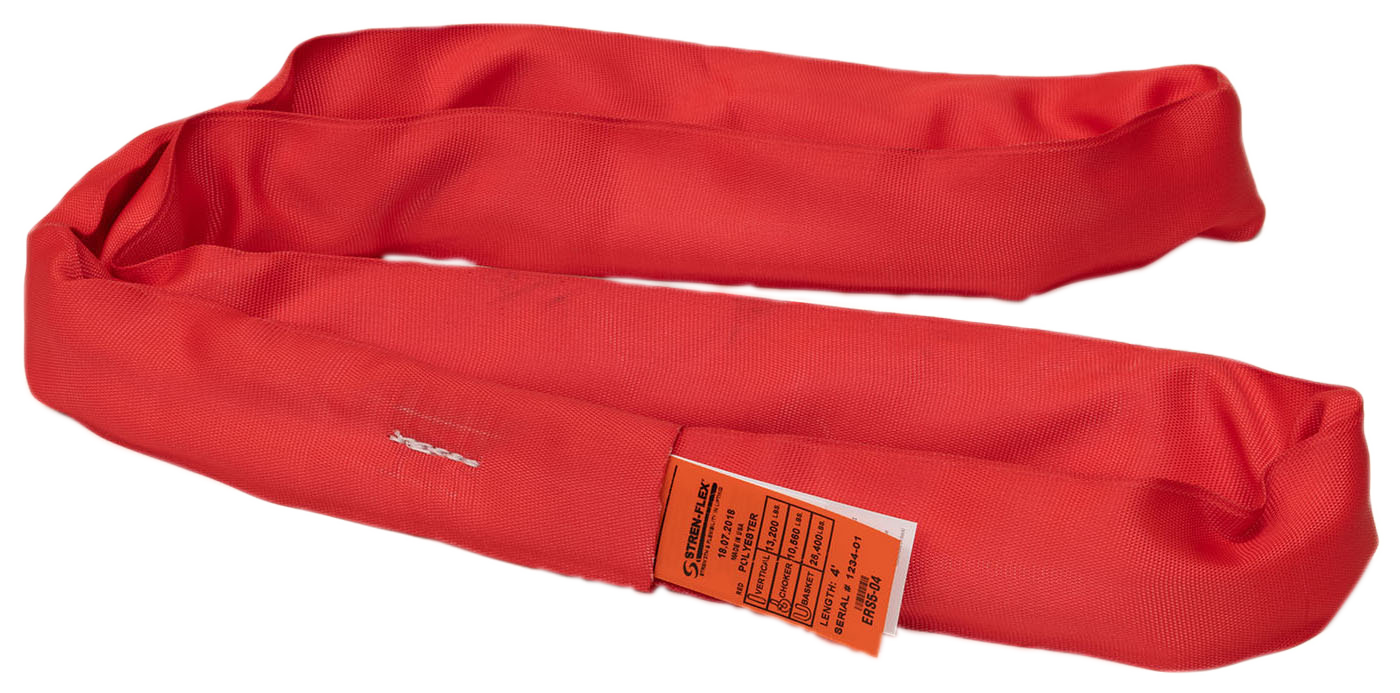
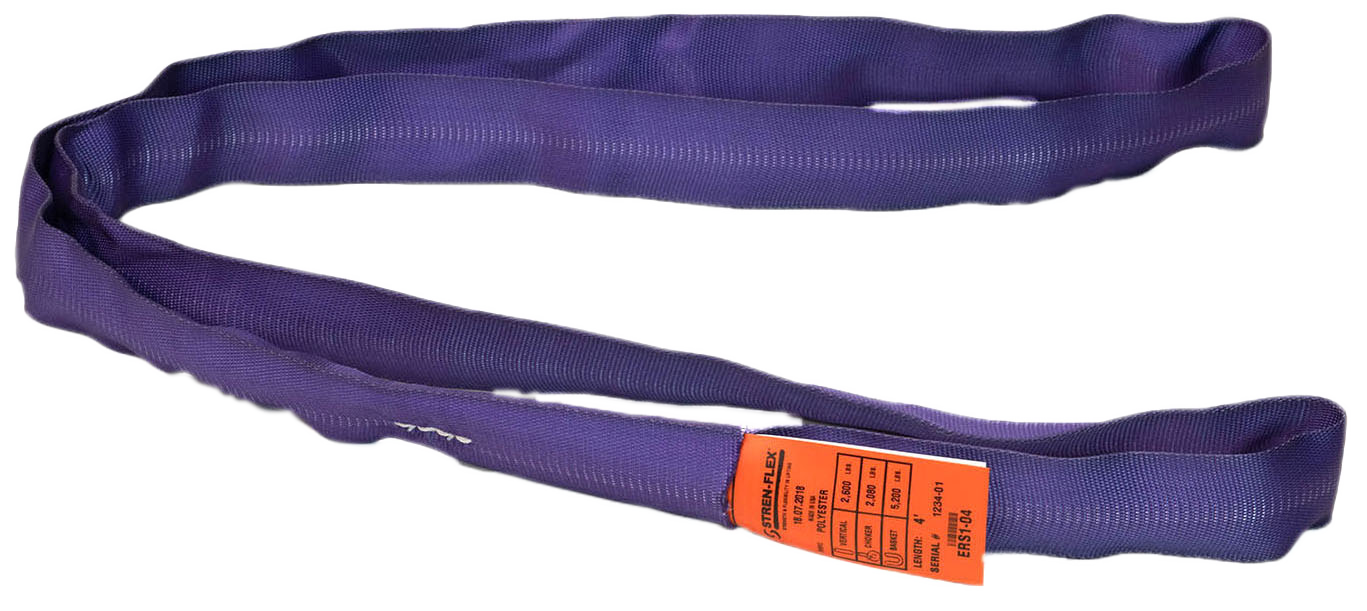
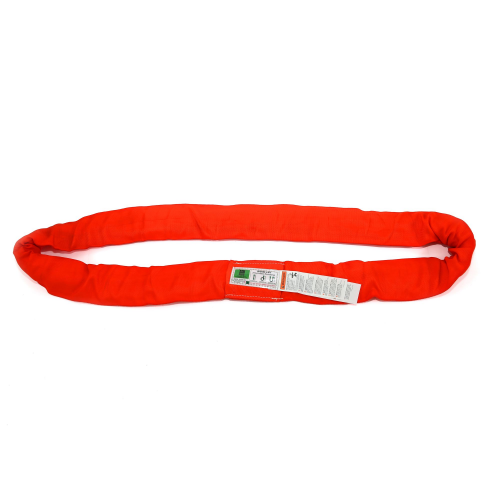
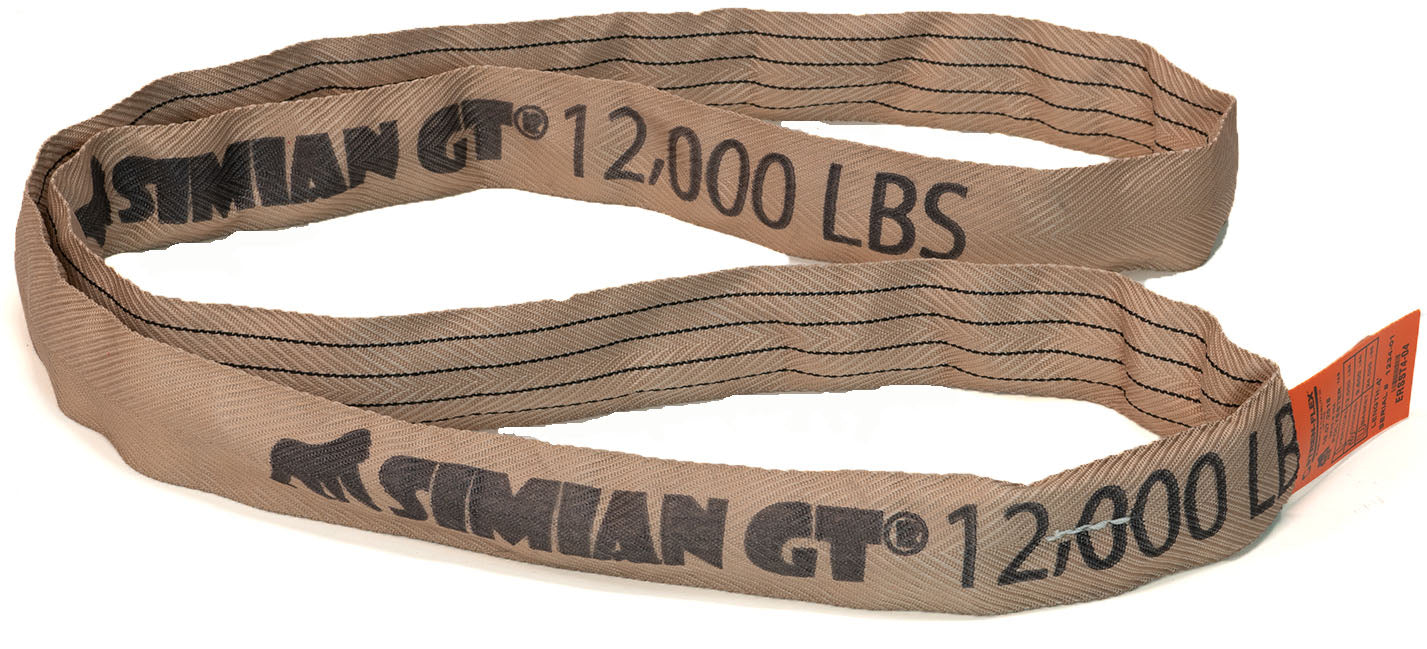
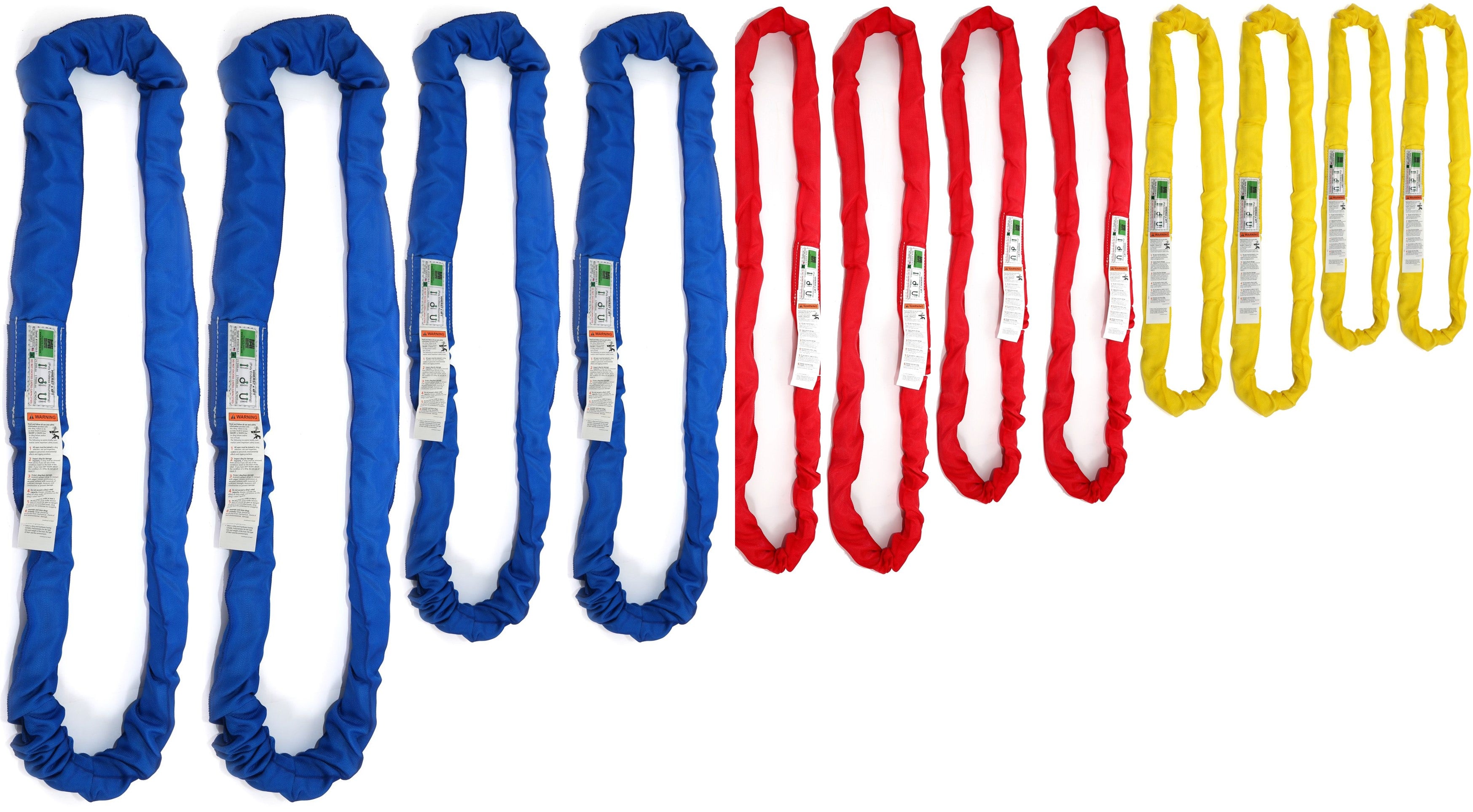
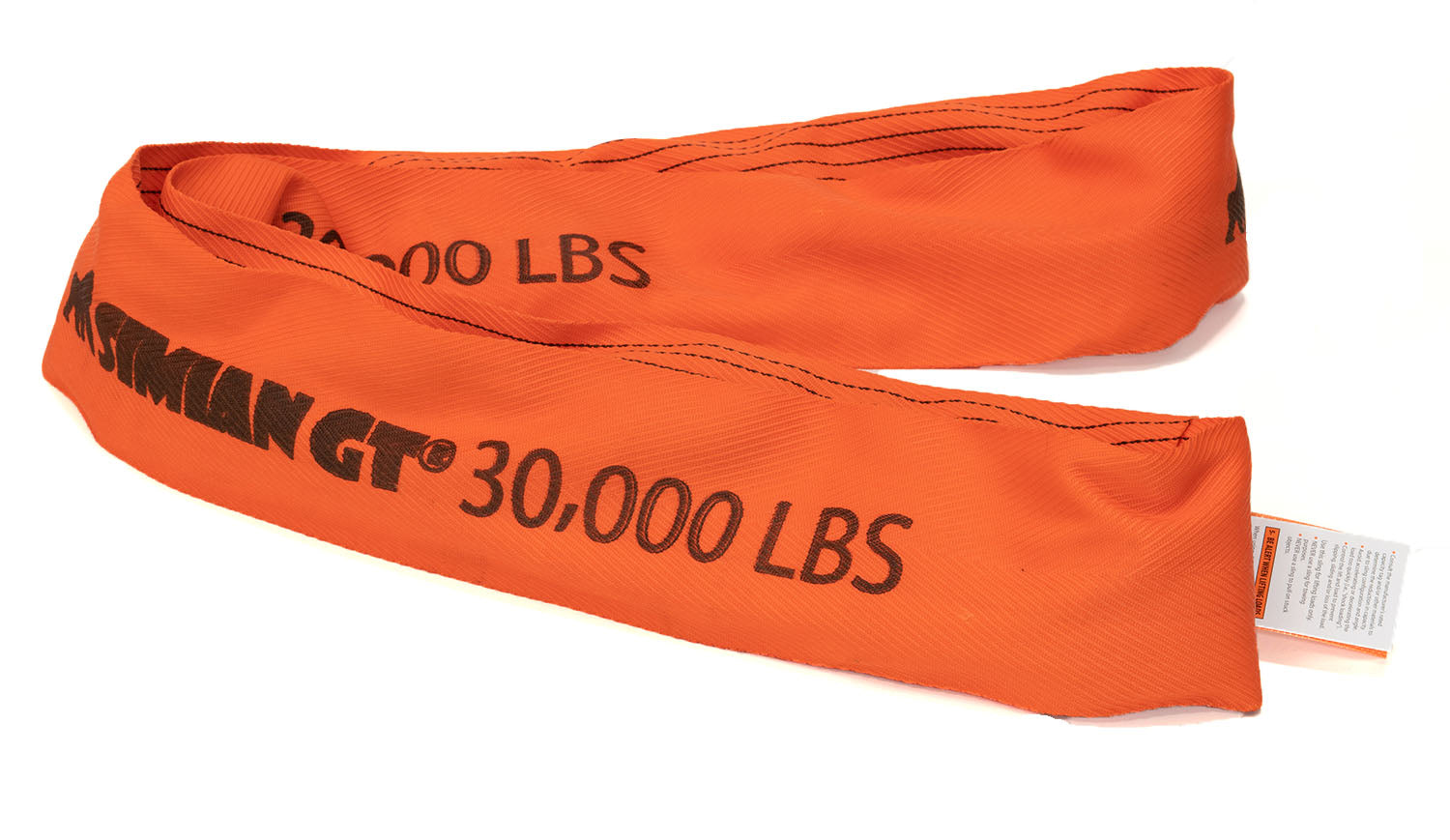
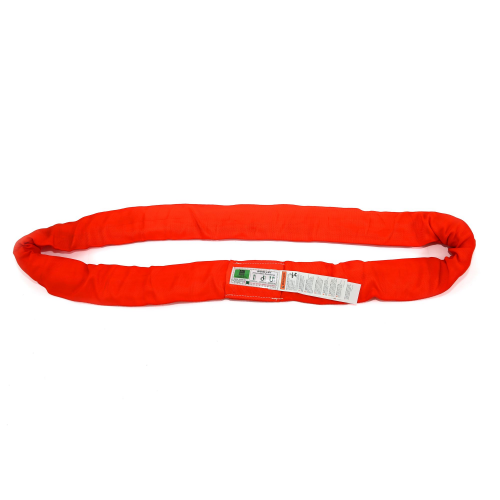
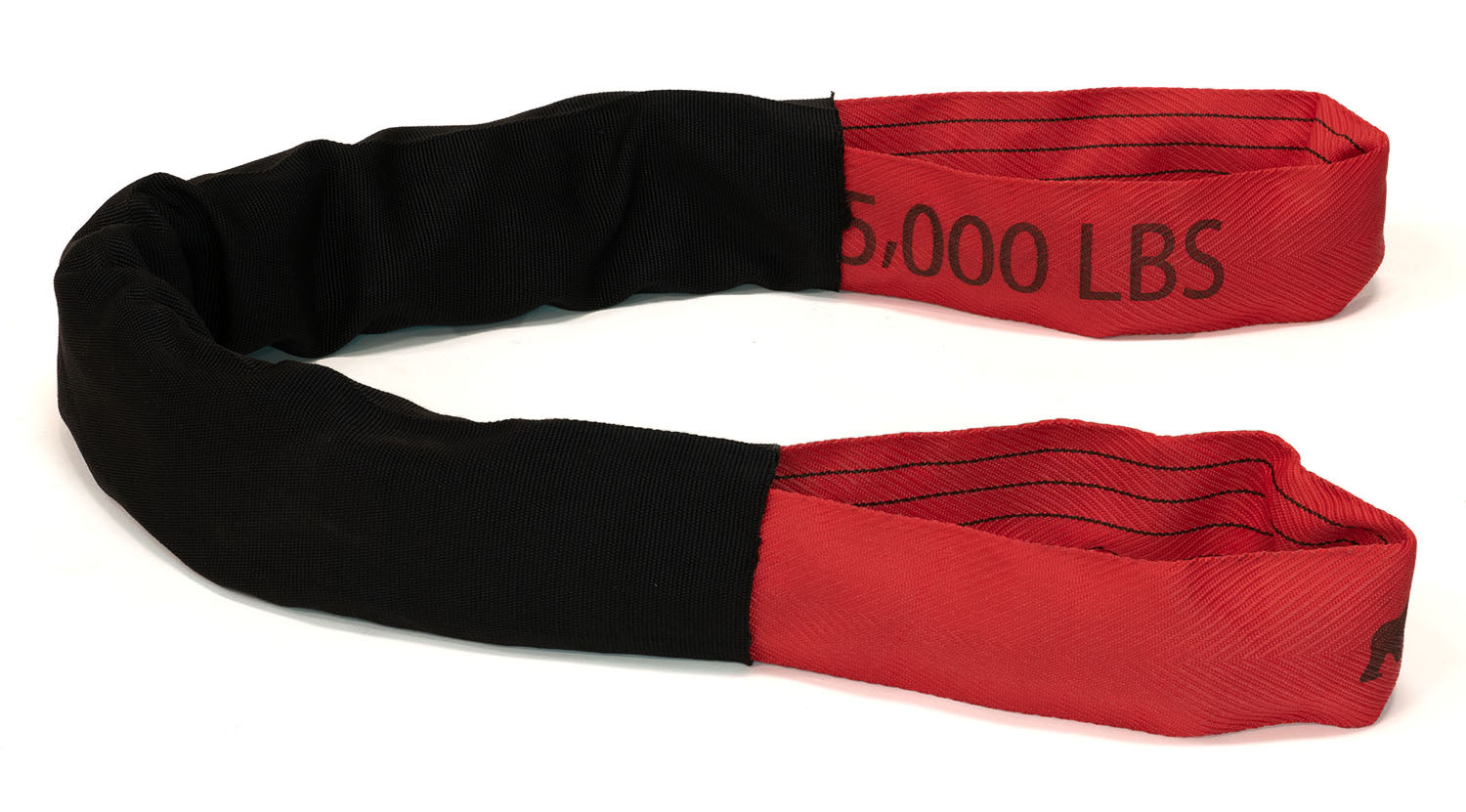
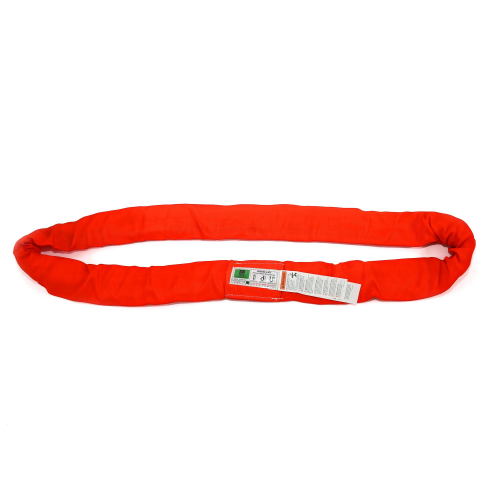
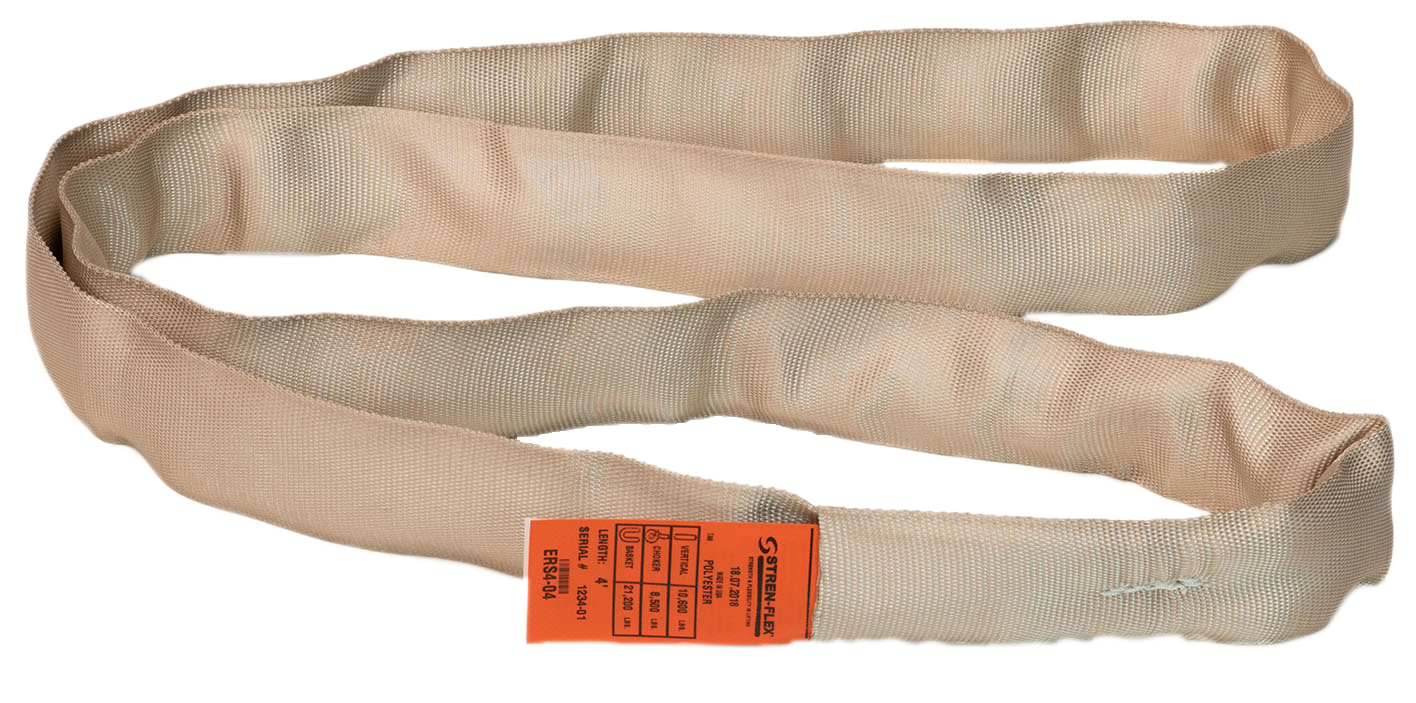
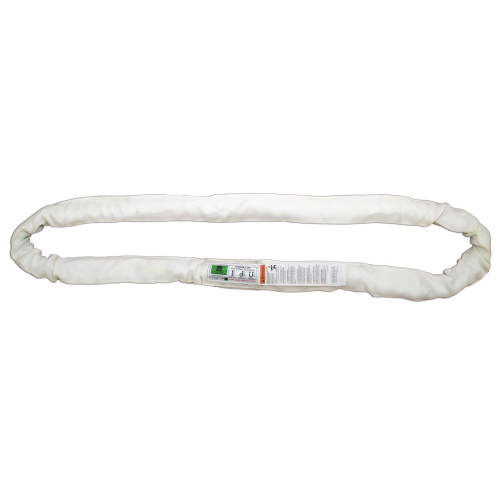
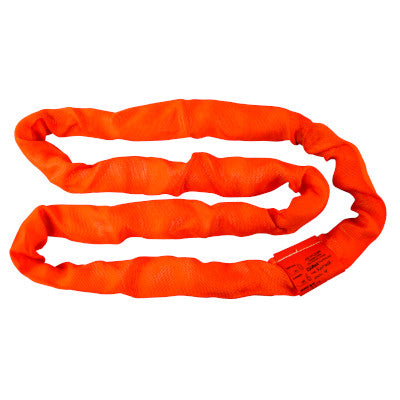
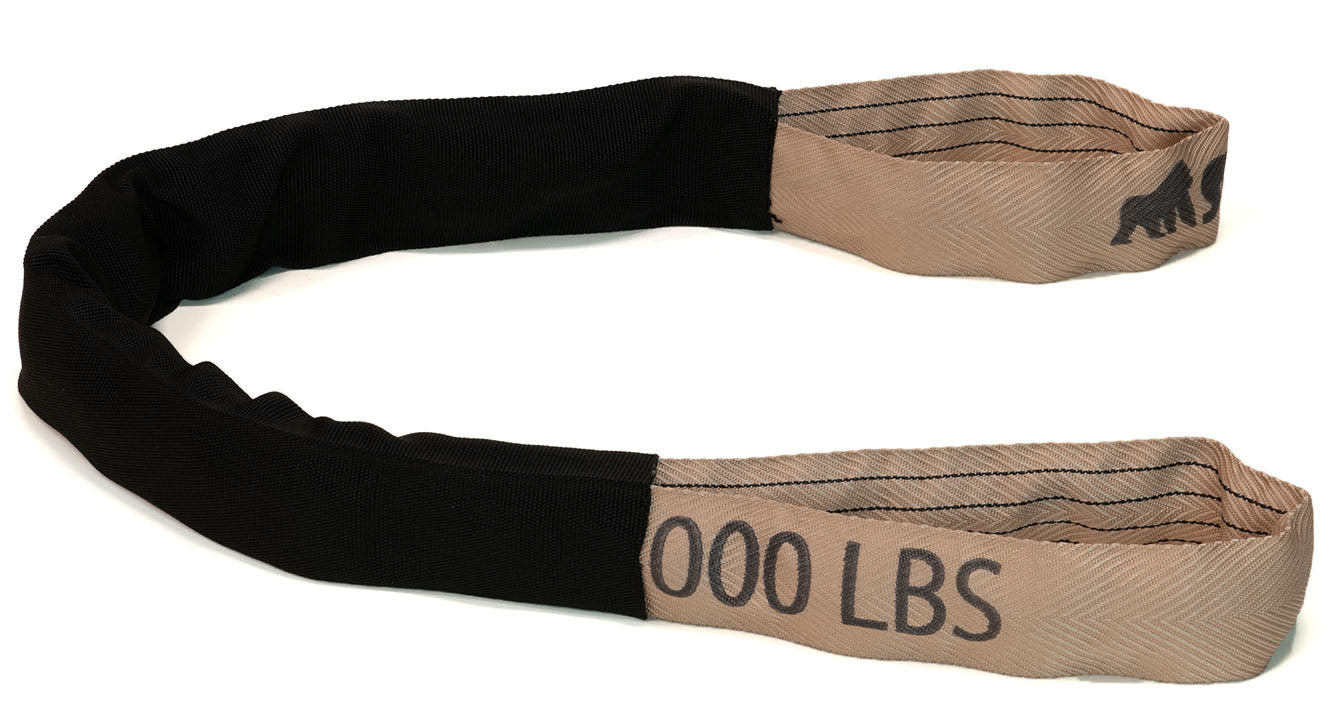
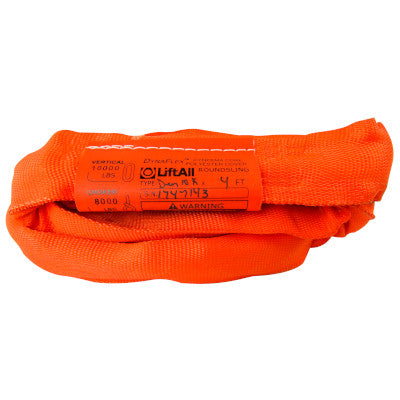
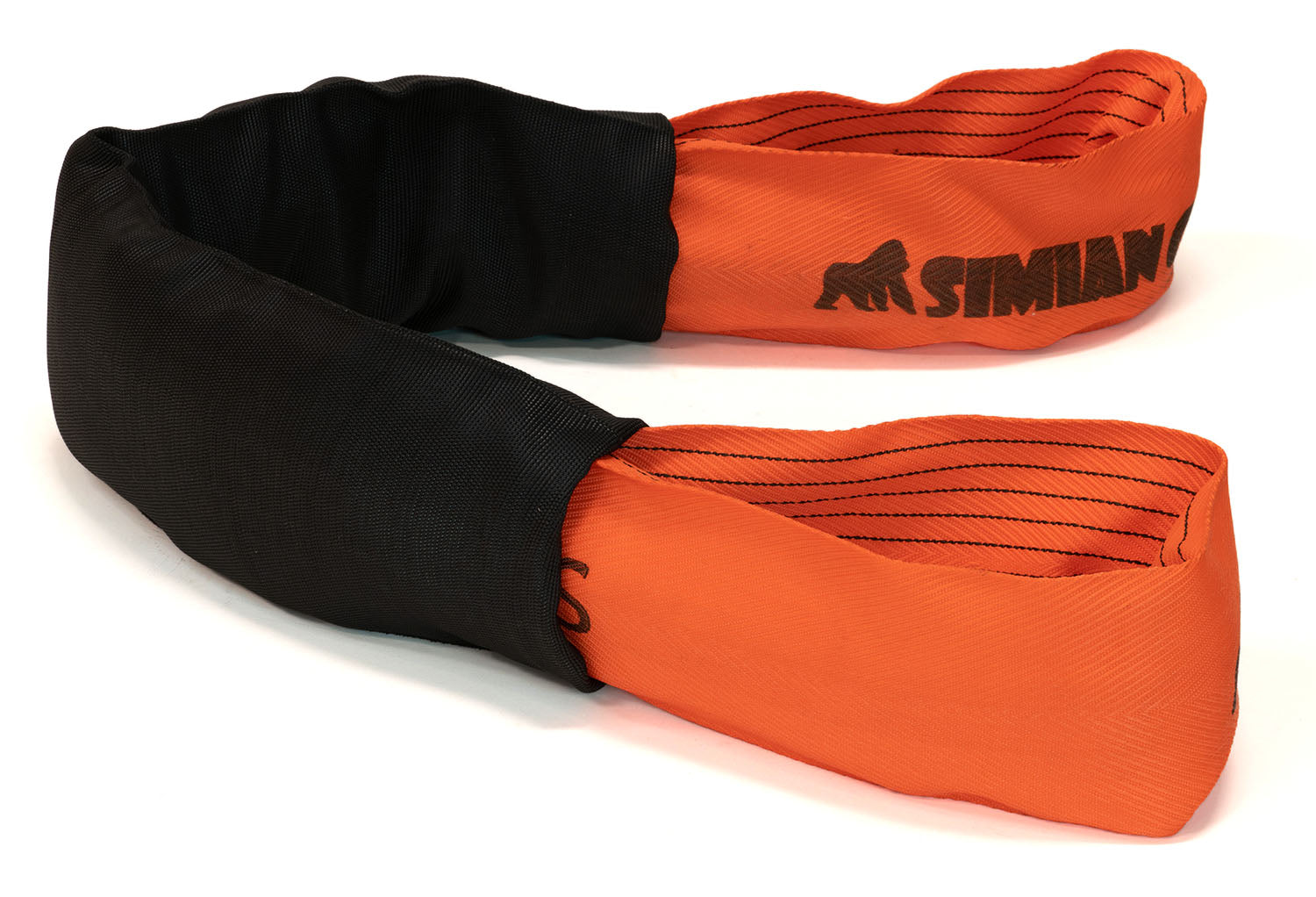
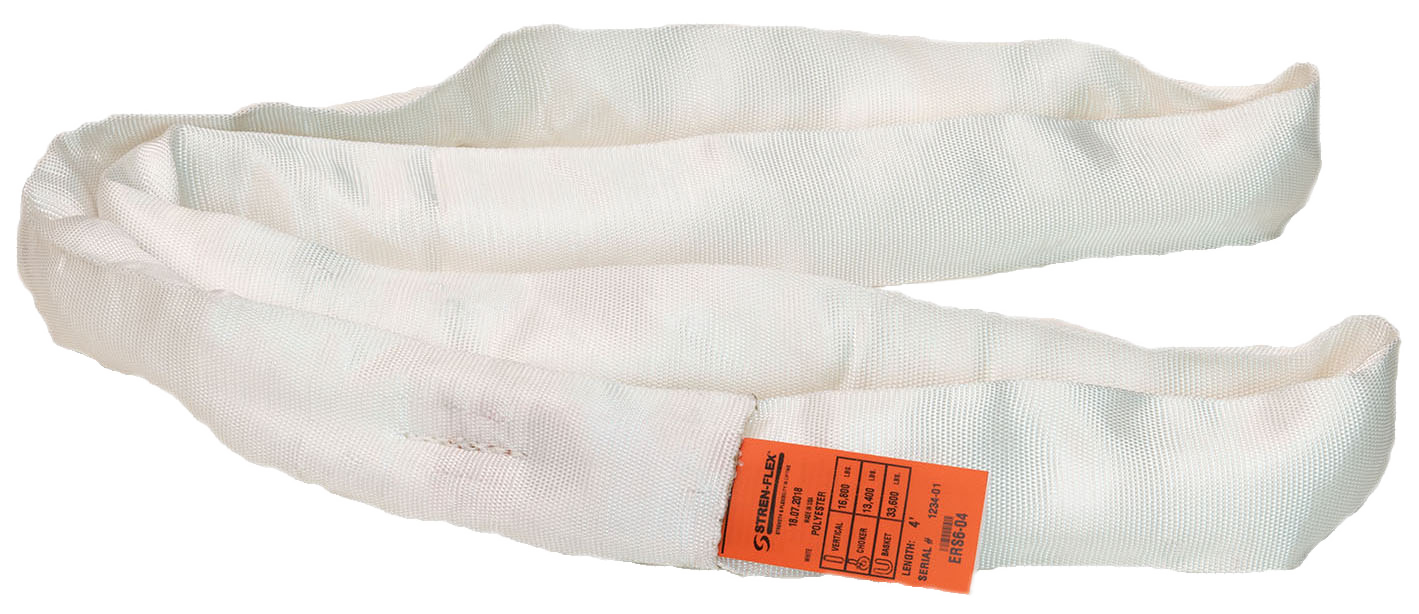
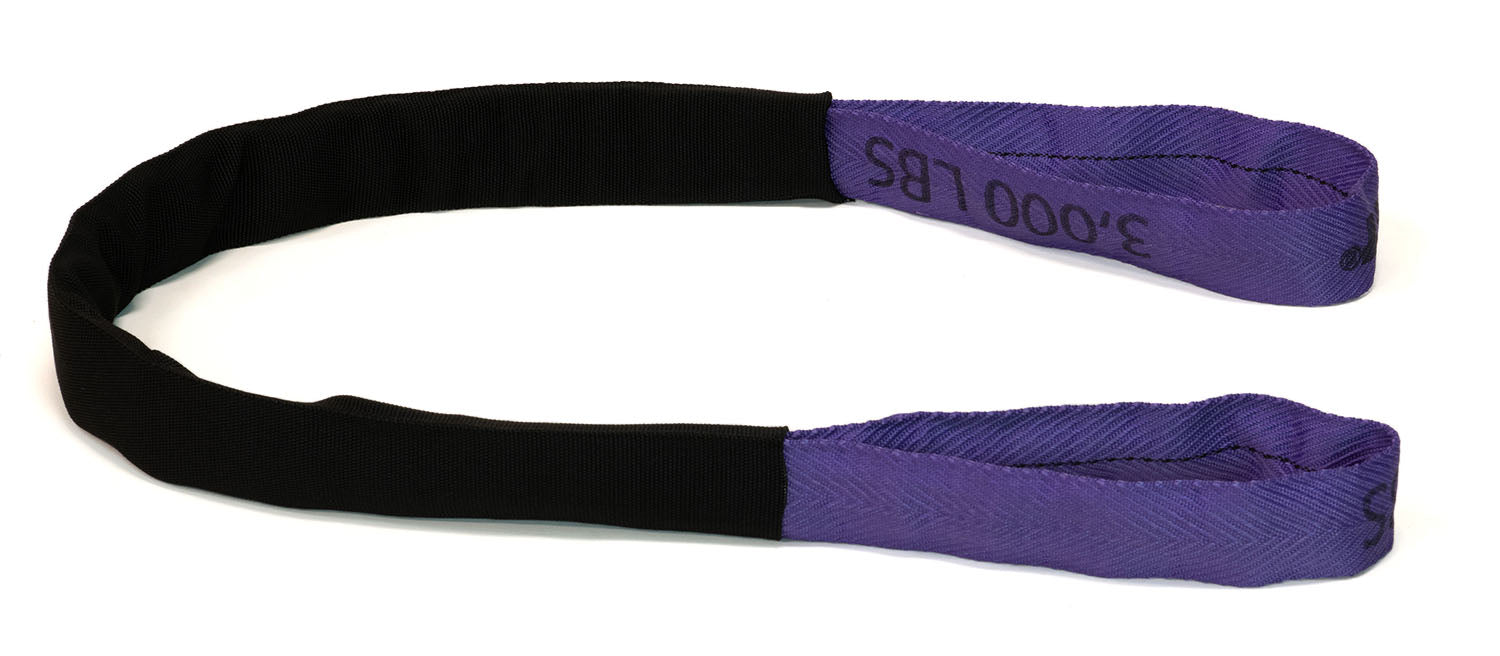
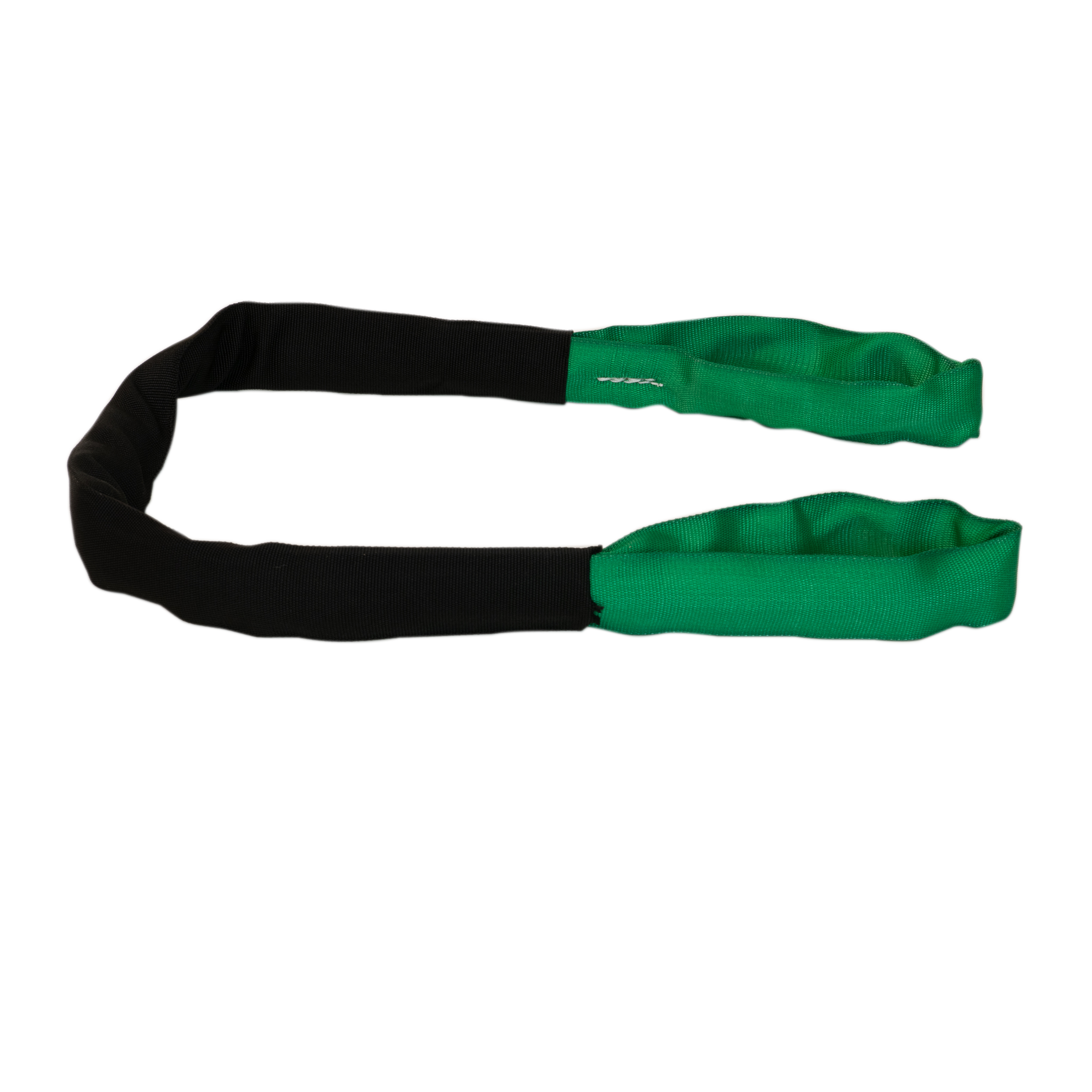
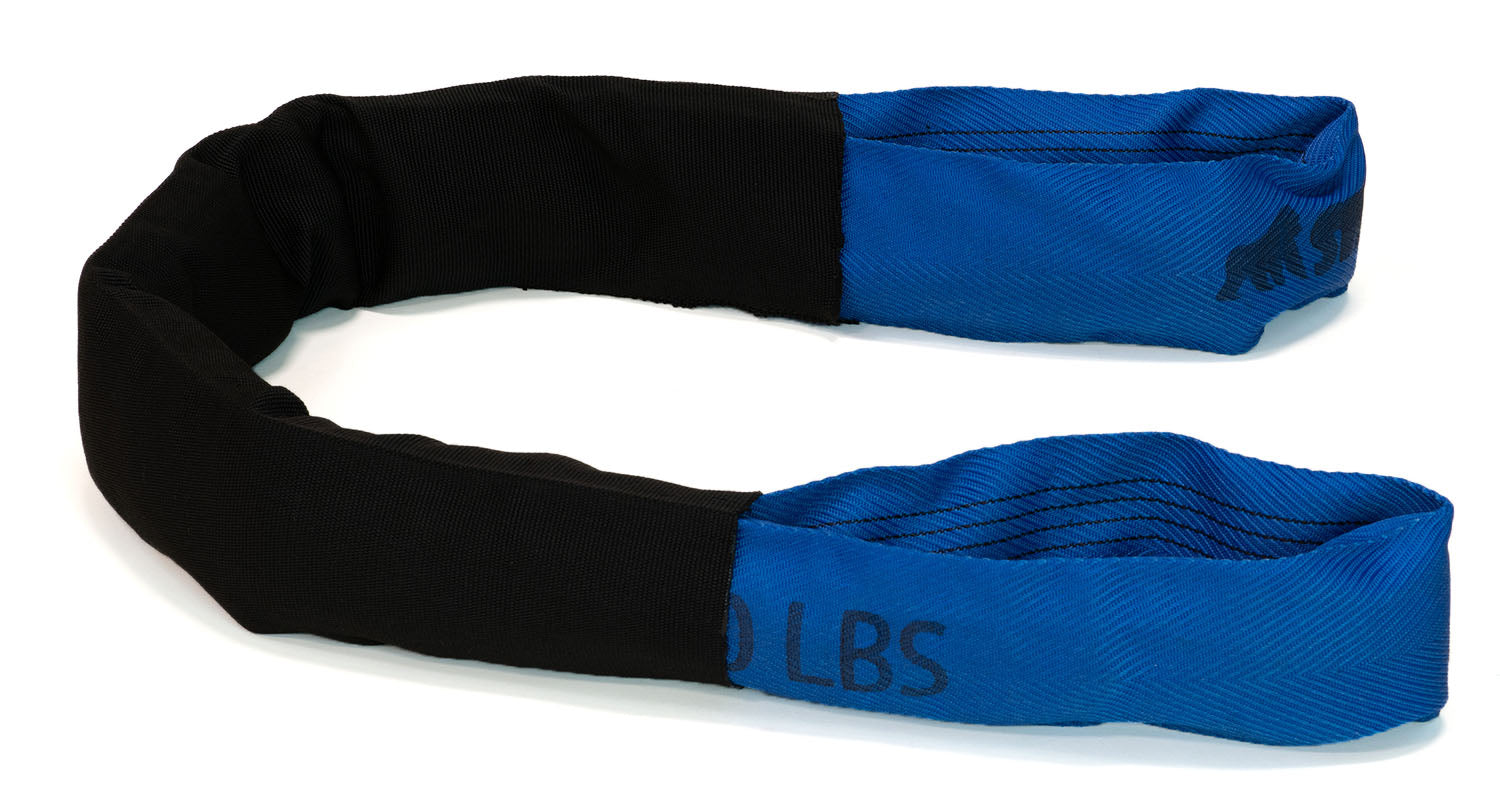
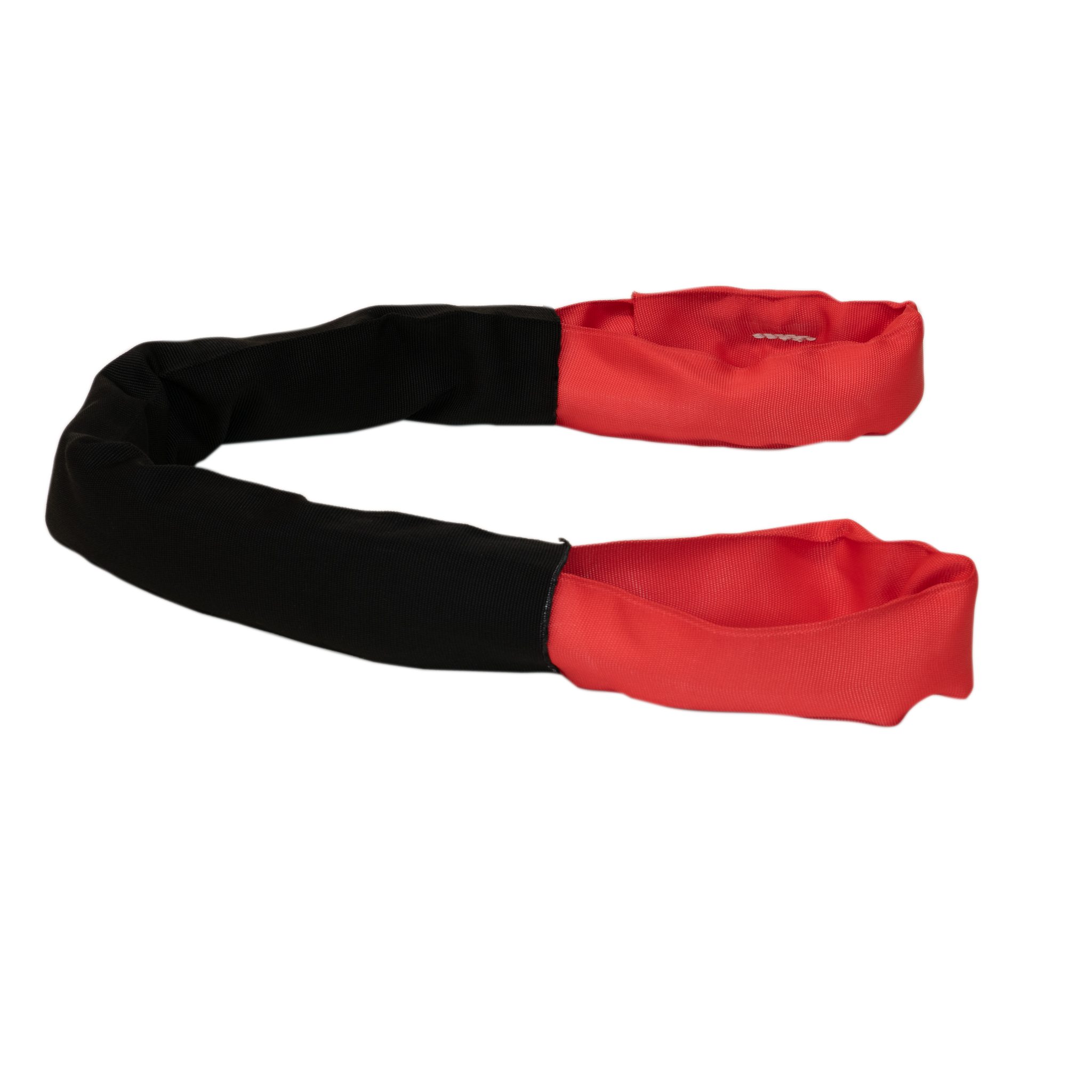
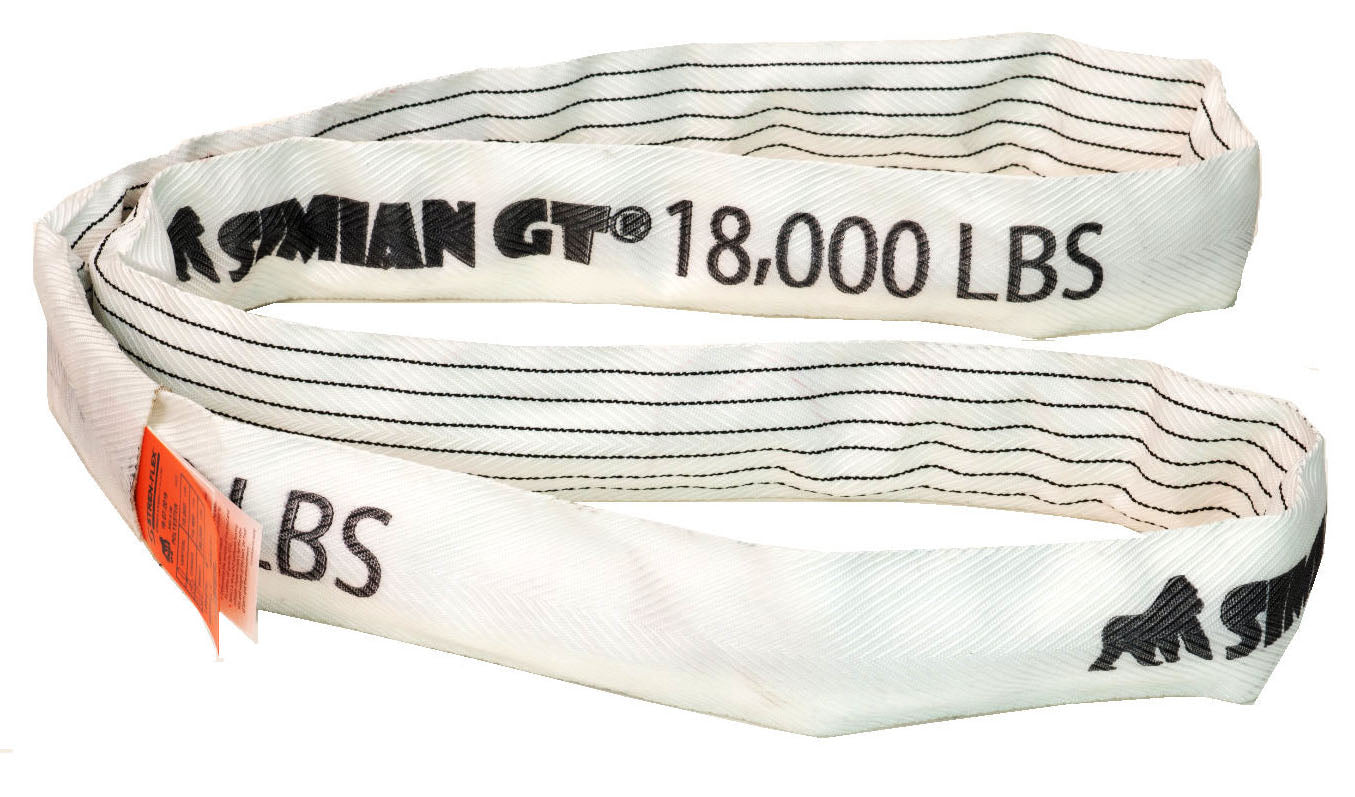
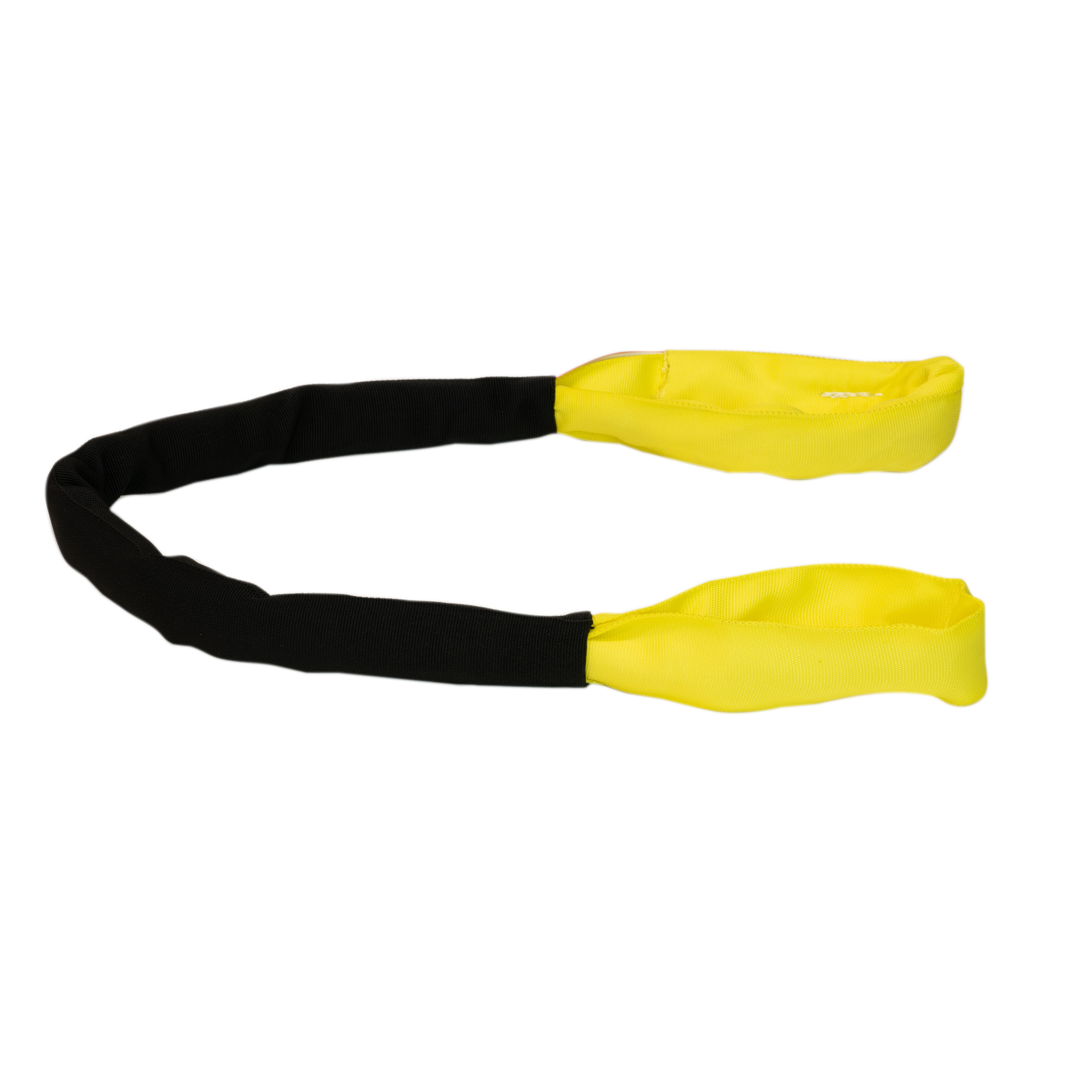
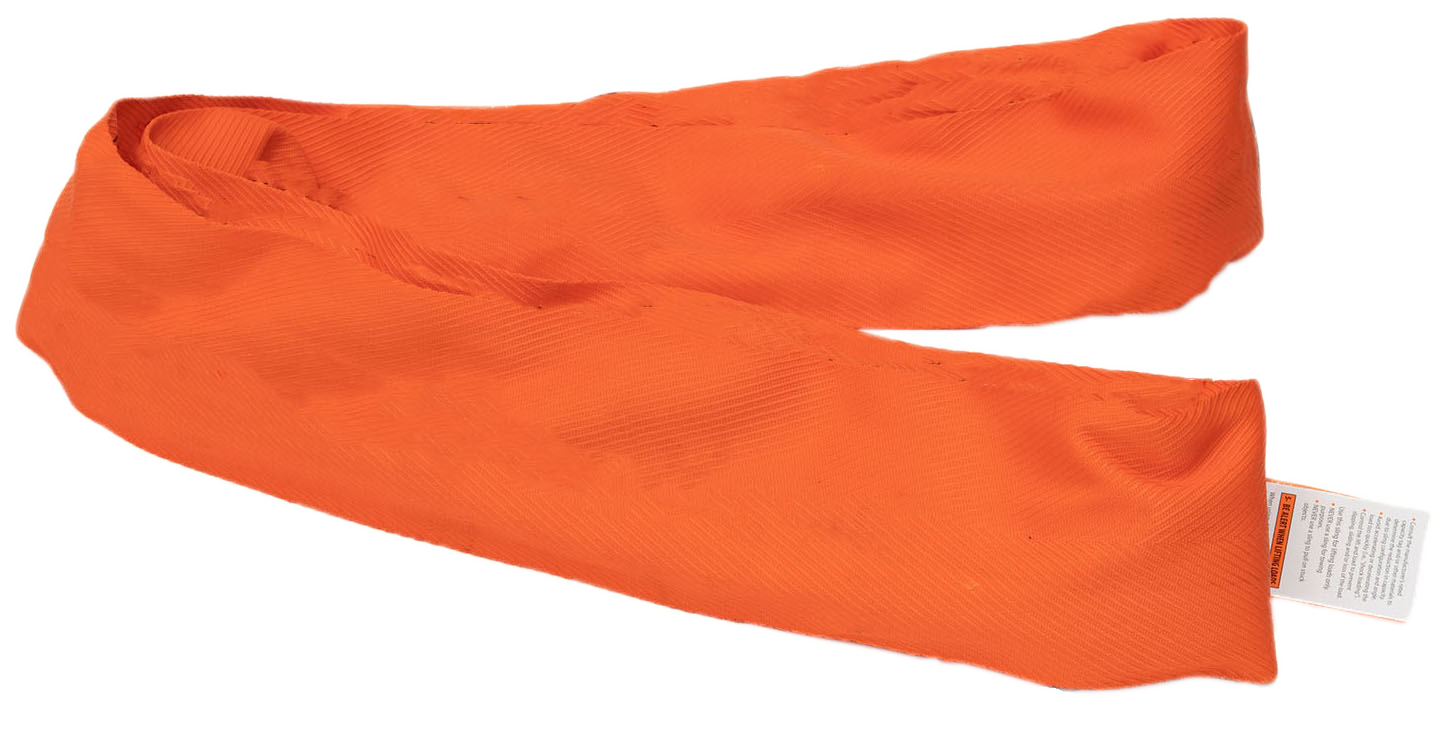
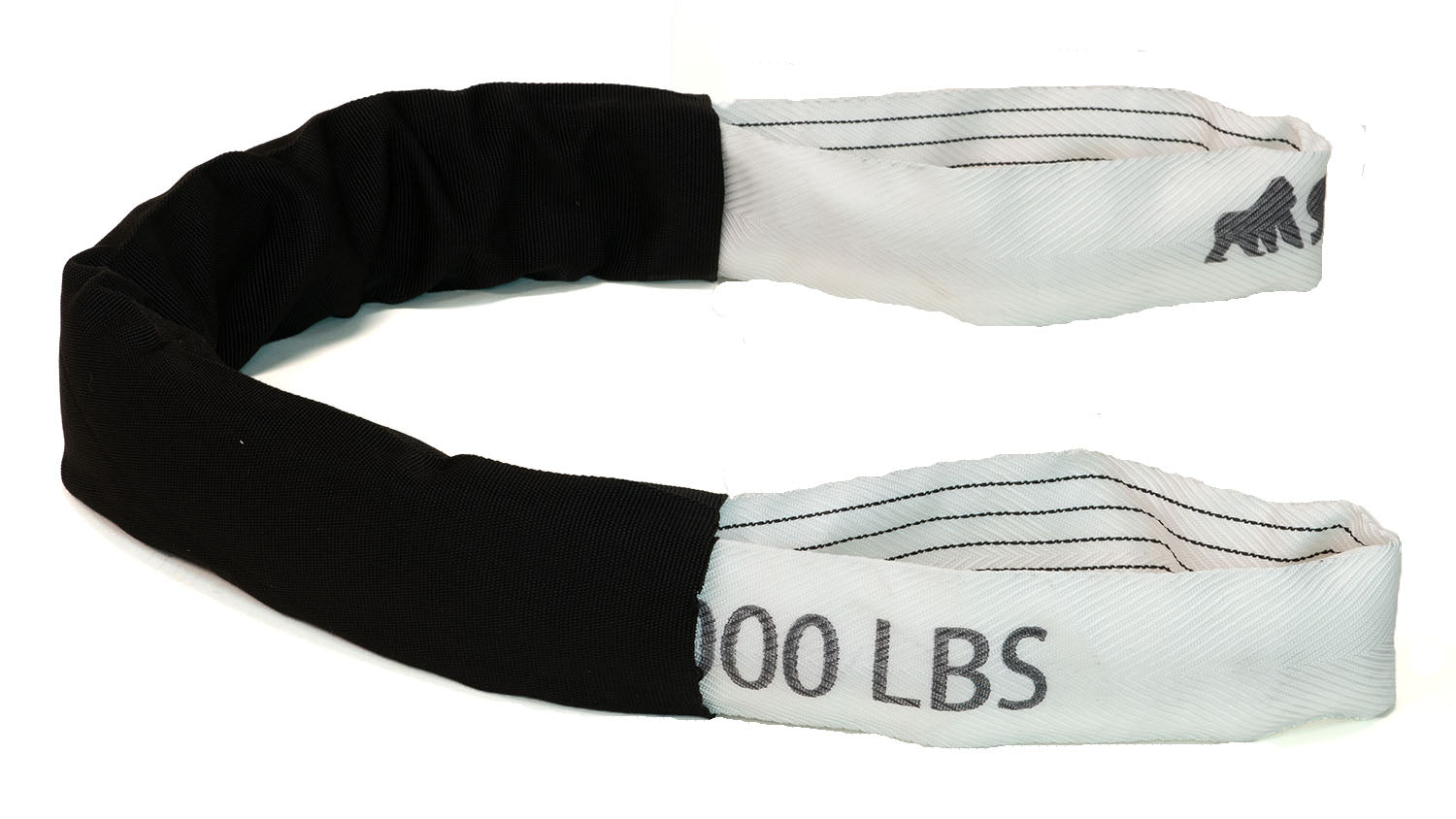
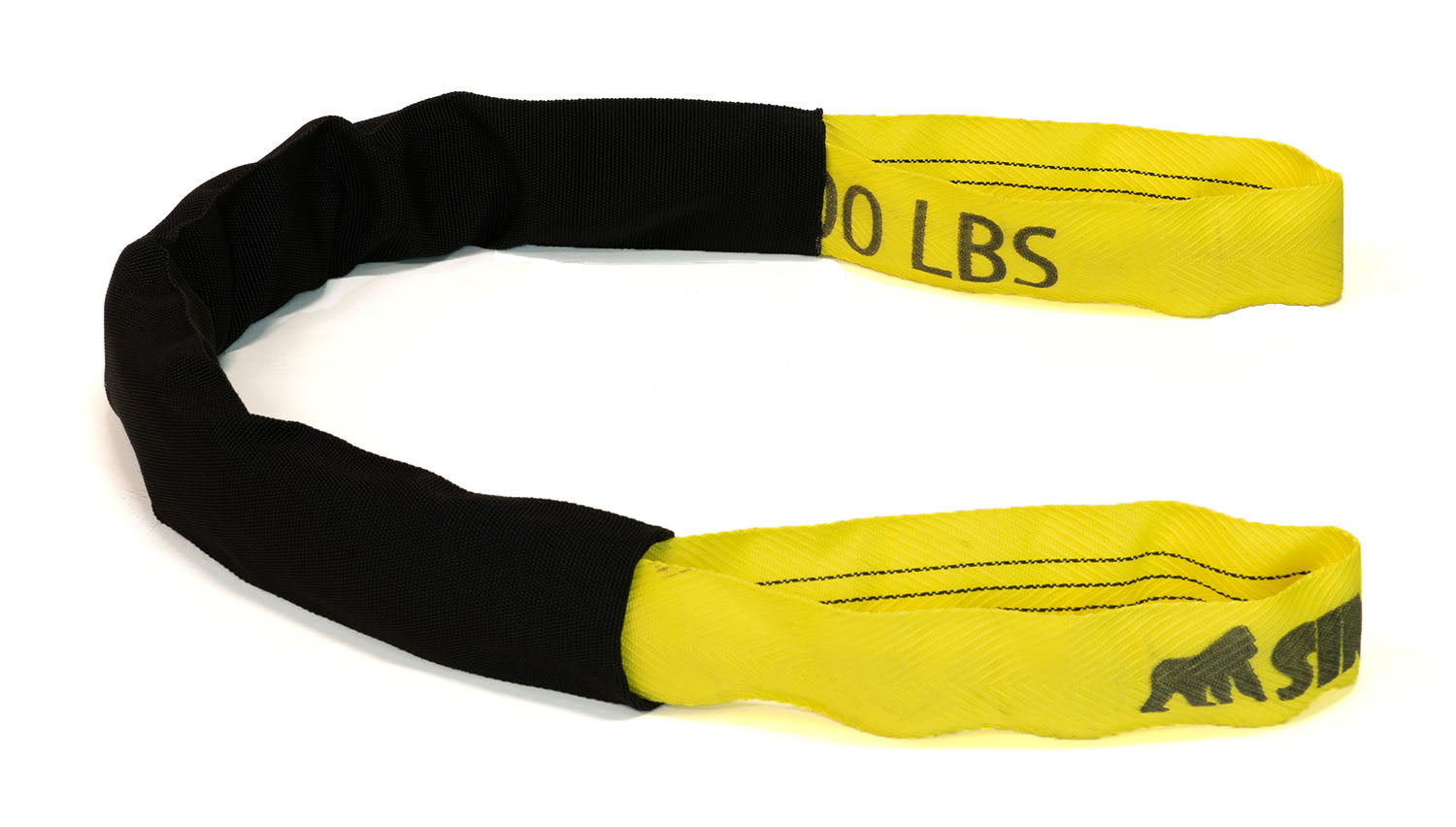
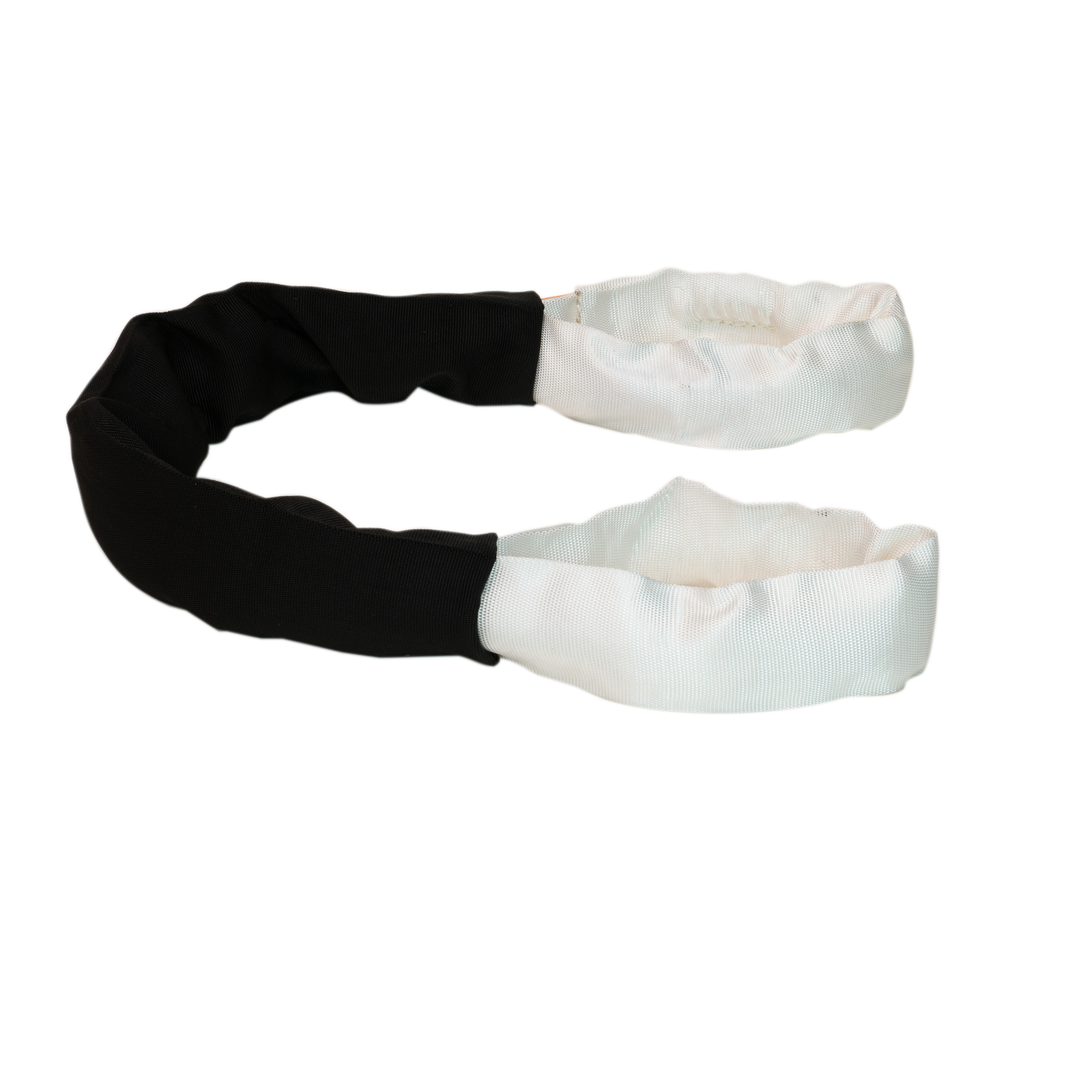
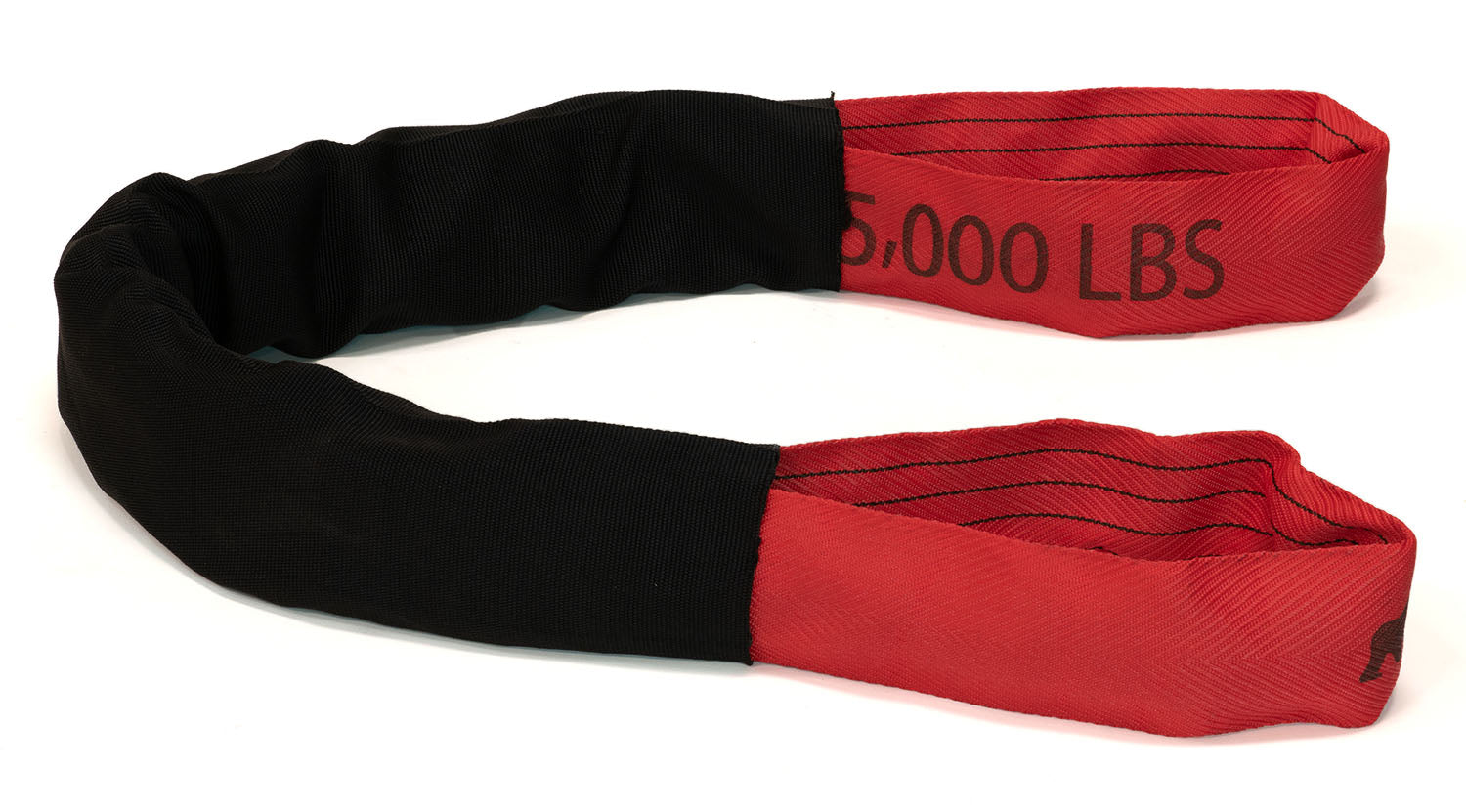
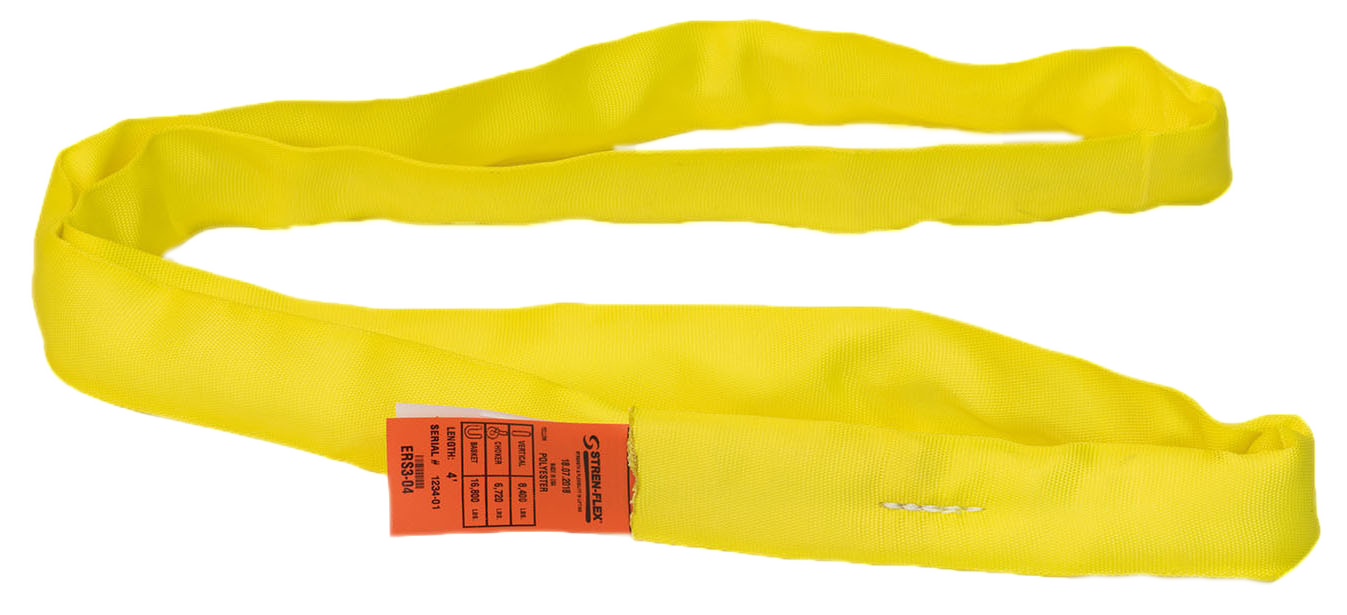
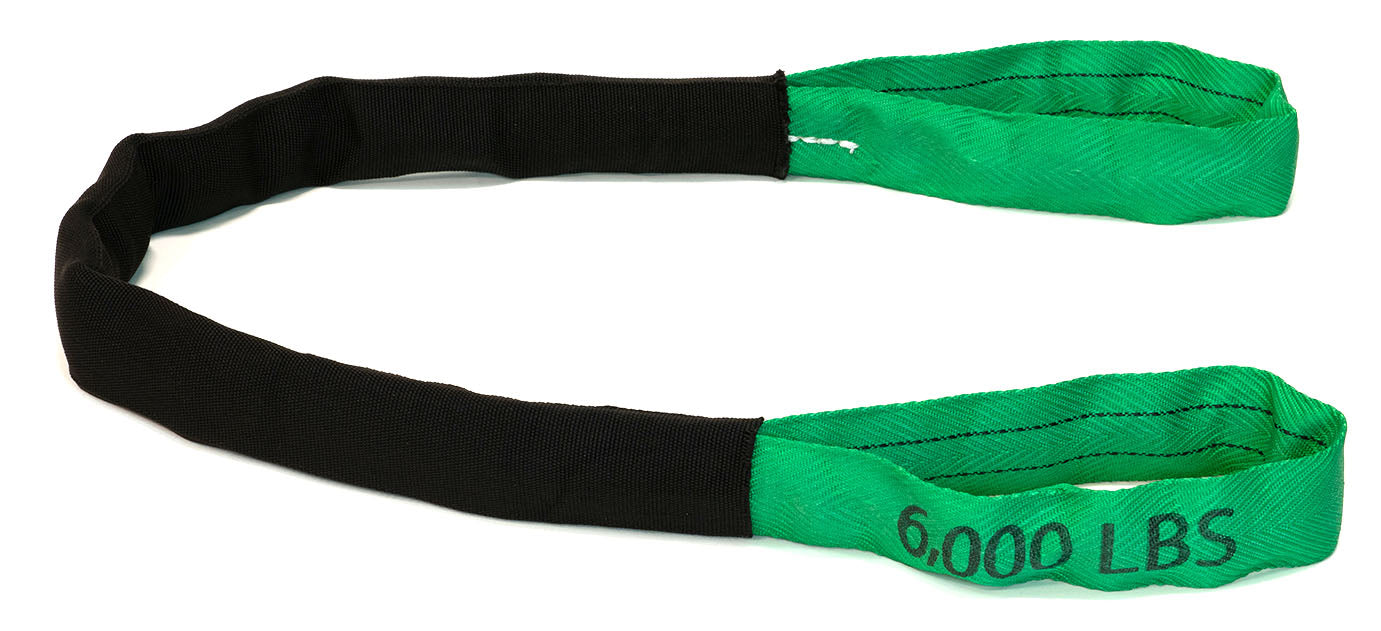
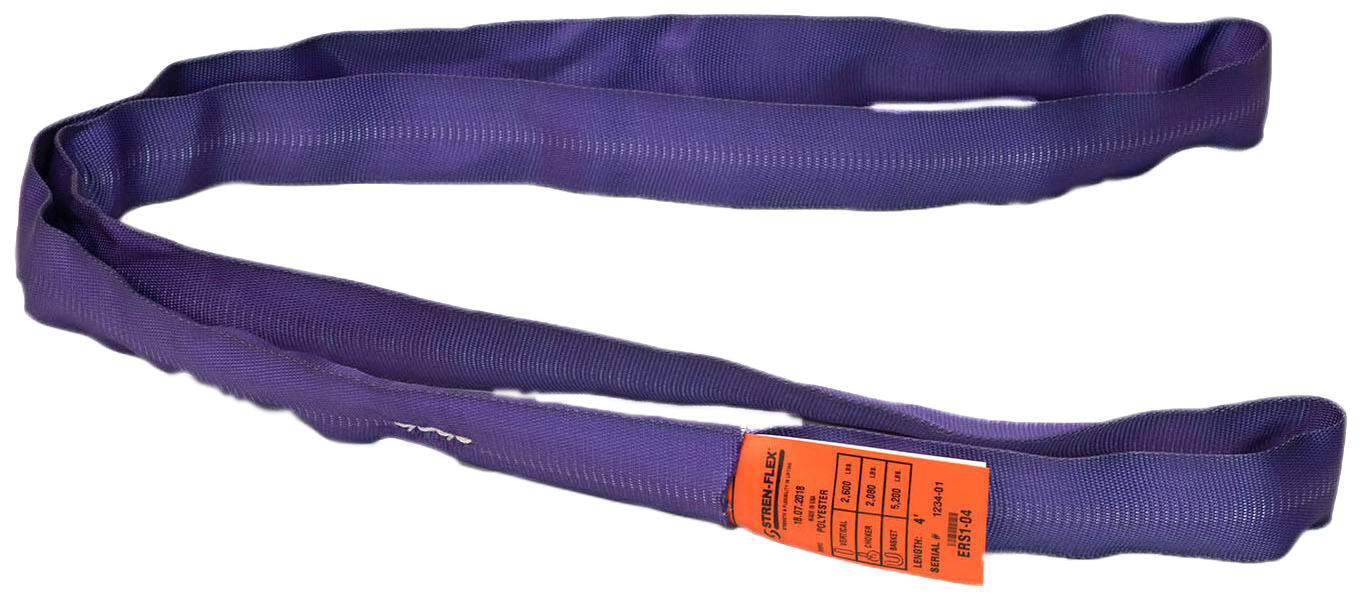
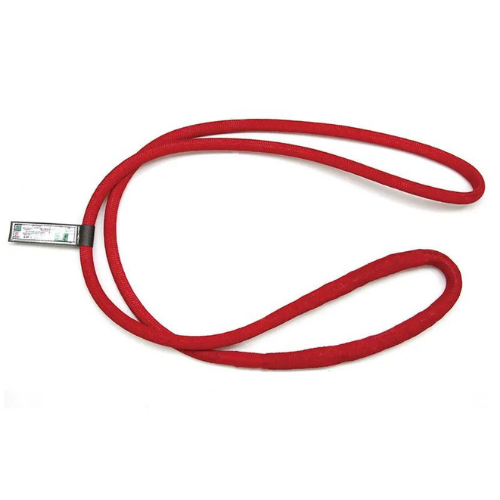
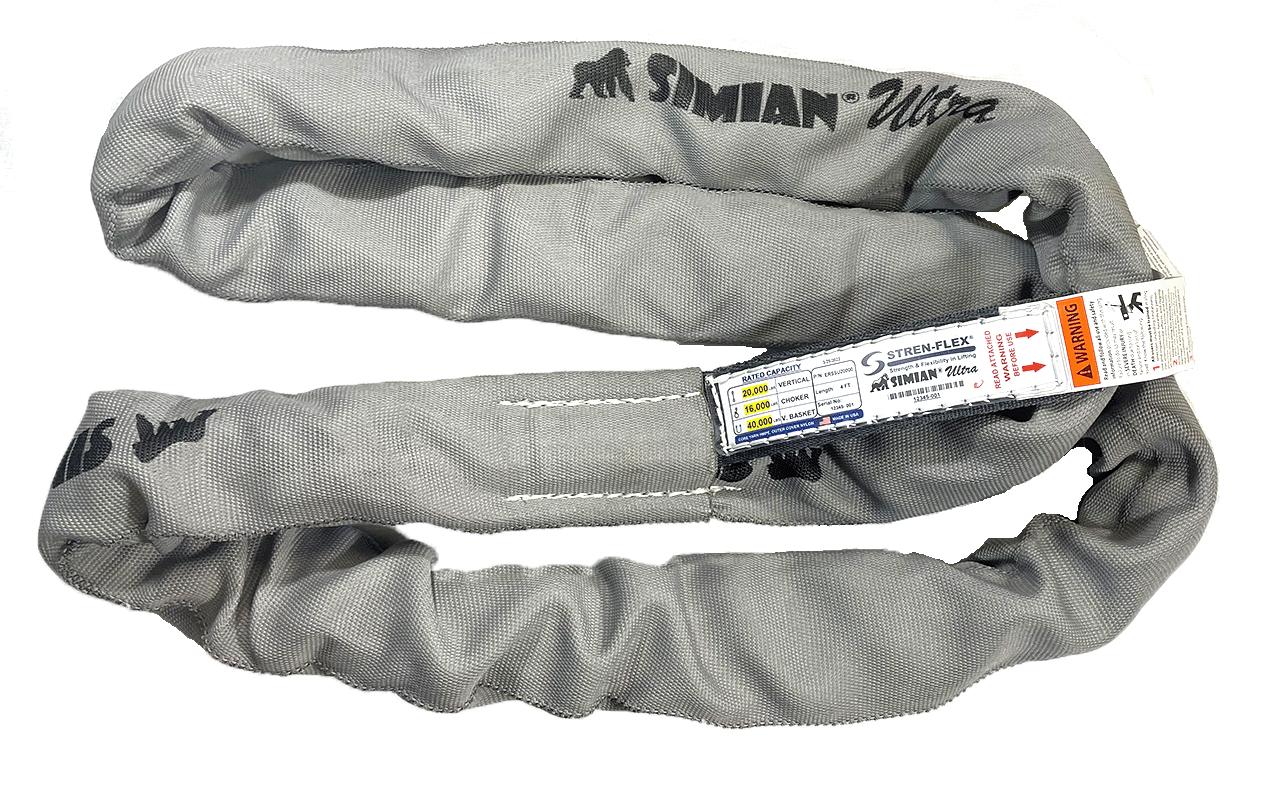
Round slings are endless loops of polyester load yarn sealed inside a woven cover, and that construction is why they carry more capacity per pound than any other synthetic sling on the rack. This collection runs the full color-coded polyester range from Holloway Houston, purple at 2,600 lb vertical through olive at 100,000 lb, starting at $9.26 and climbing past $100 only at the heavy end. Beyond standard polyester it carries Lift-All's high-performance builds: Dynaflex Dyneema for extreme strength-to-weight, Keyflex aramid rated to 350 F, Steelflex galvanized-cable cores rated to 400 F, and black Tuflex slings for stage and theatrical rigging. Vestil sling racks and a heavy-duty round sling kit round out the shelf. The guide below reads the color code, sorts the hitch and angle math that resets every rating, and walks the specialty fibers so you buy for the load, the heat, and the edges you actually face.
Compare Round Slings
| Model | Price | Overall Length | Capacity | |
|---|---|---|---|---|
| Lift-All 200,000lbs Keyflex Aramid Endless Round Slings | $3,952 | 8-80 ft | 200,000 lb | View → |
| Lift-All Dynaflex Dyneema 200,000lbs Endless Round Slings | $3,559 | 8-50 ft | 200,000 lb | View → |
| Lift-All 175,000lbs Keyflex Aramid Endless Round Slings | $3,452 | 8-80 ft | 175,000 lb | View → |
| Lift-All 150,000lbs Keyflex Aramid Endless Round Slings | $3,108 | 8-80 ft | 150,000 lb | View → |
| Lift-All Dynaflex Dyneema 175,000lbs Endless Round Slings | $3,058 | 8-50 ft | 175,000 lb | View → |
| Lift-All Dynaflex Dyneema 150,000lbs Endless Round Slings | $2,728 | 8-50 ft | 150,000 lb | View → |
 In Stock
 In Stock
 In Stock
 In Stock
 In Stock
 In Stock
 In Stock
 In Stock
 In Stock
 In Stock
 In Stock
 In Stock
 In Stock
 In Stock
 In Stock
 In Stock
 In Stock
 In Stock
 In Stock
 In Stock
 In Stock
 In Stock
 In Stock
 In Stock
 In Stock
 In Stock
 In Stock
 In Stock
 In Stock
 In Stock
 In Stock
 In Stock
 In Stock
 In Stock
 In StockIn Stock
 In StockIn Stock
 In StockIn Stock
 In StockIn Stock
 In StockIn Stock
 In StockIn Stock
 In StockIn Stock
 In StockIn Stock
 In StockIn Stock
 In StockIn Stock
 In StockIn Stock
 In StockIn Stock
 In StockIn Stock
 In StockIn Stock
 In StockIn Stock
 In StockIn Stock
 In StockIn Stock
 In StockIn Stock
 In StockIn Stock
 In StockIn Stock
 In StockIn Stock
 In StockIn Stock
 In StockIn Stock
 In StockIn Stock
 In StockIn Stock
 In StockIn Stock
 In StockIn Stock
 In StockIn Stock
 In StockIn Stock
 In Stock
 In Stock
 In StockIn Stock
Round Slings Buying Guide
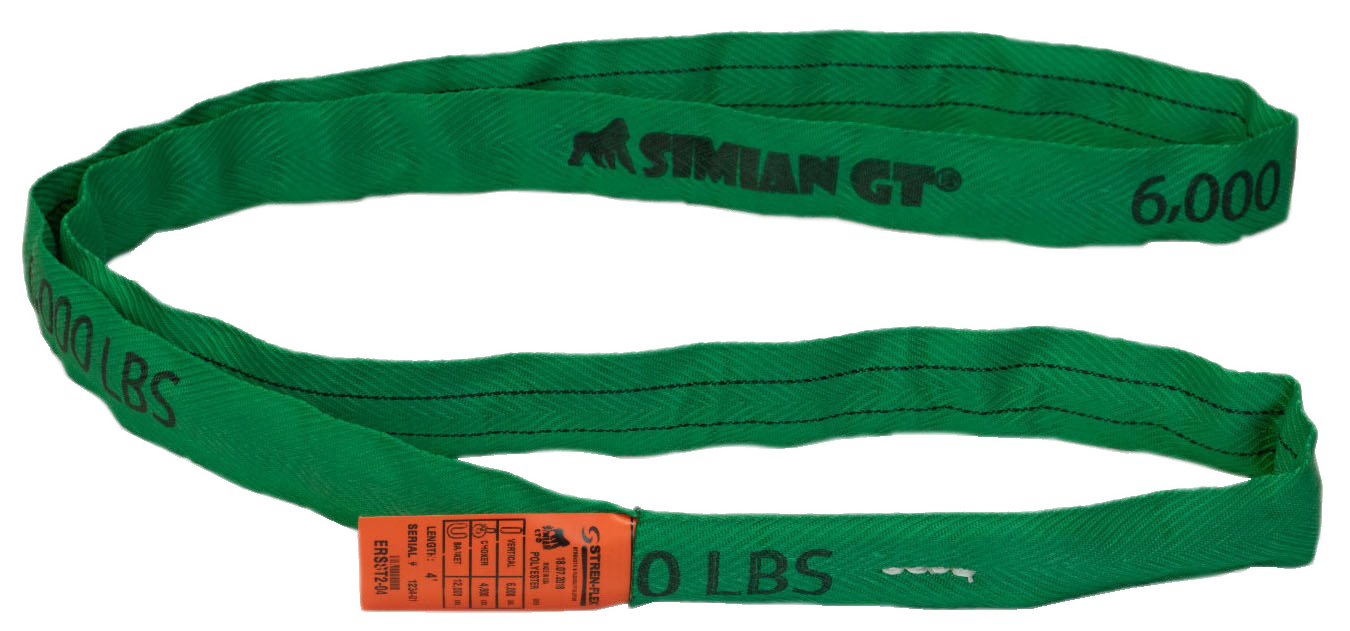
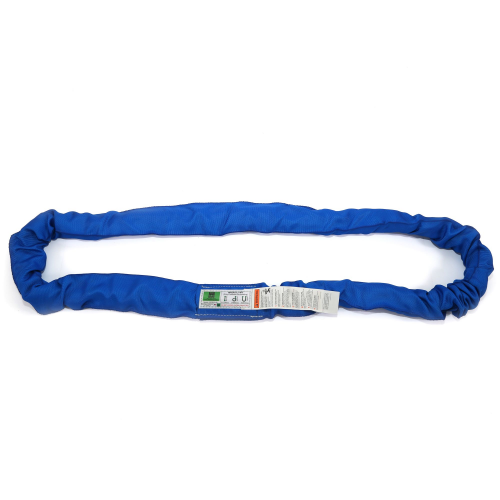
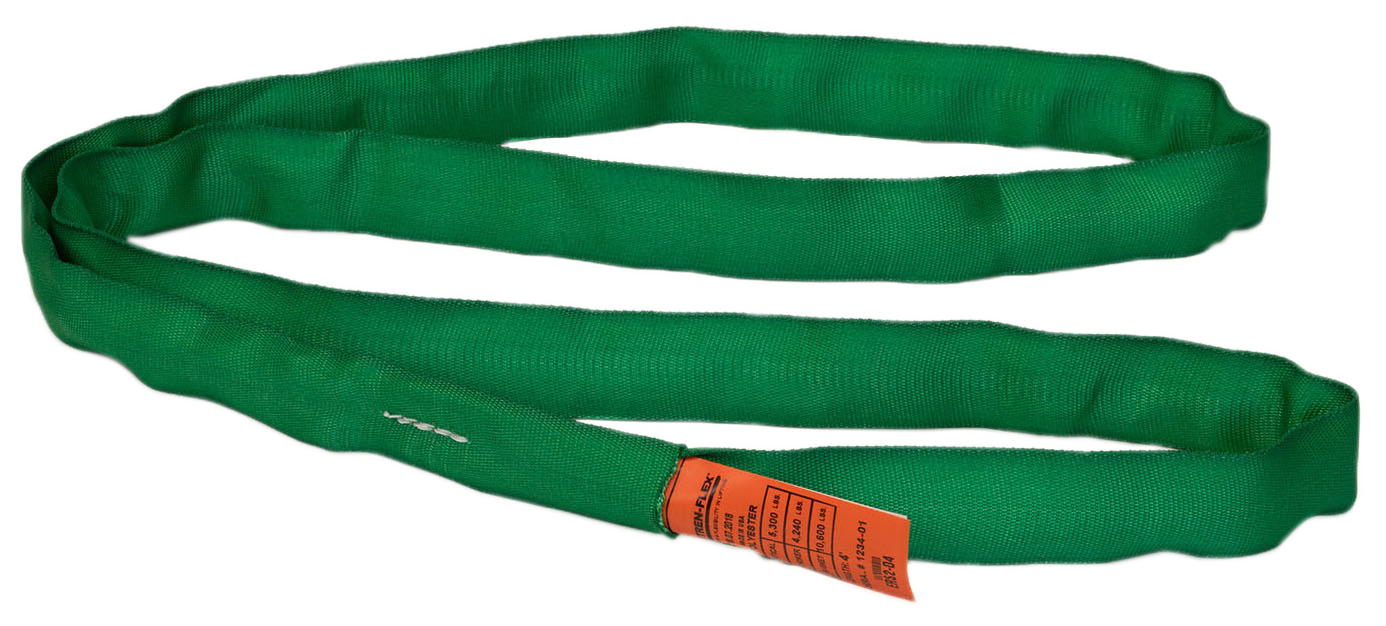
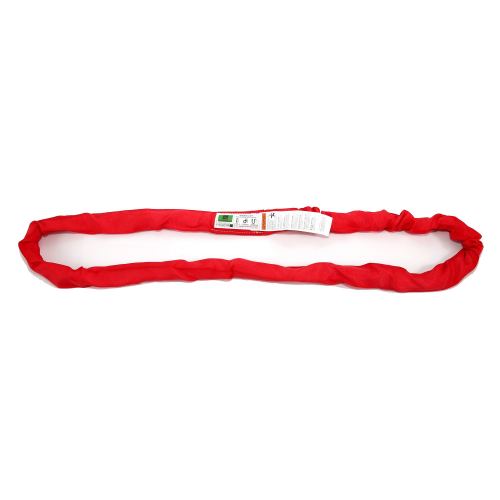
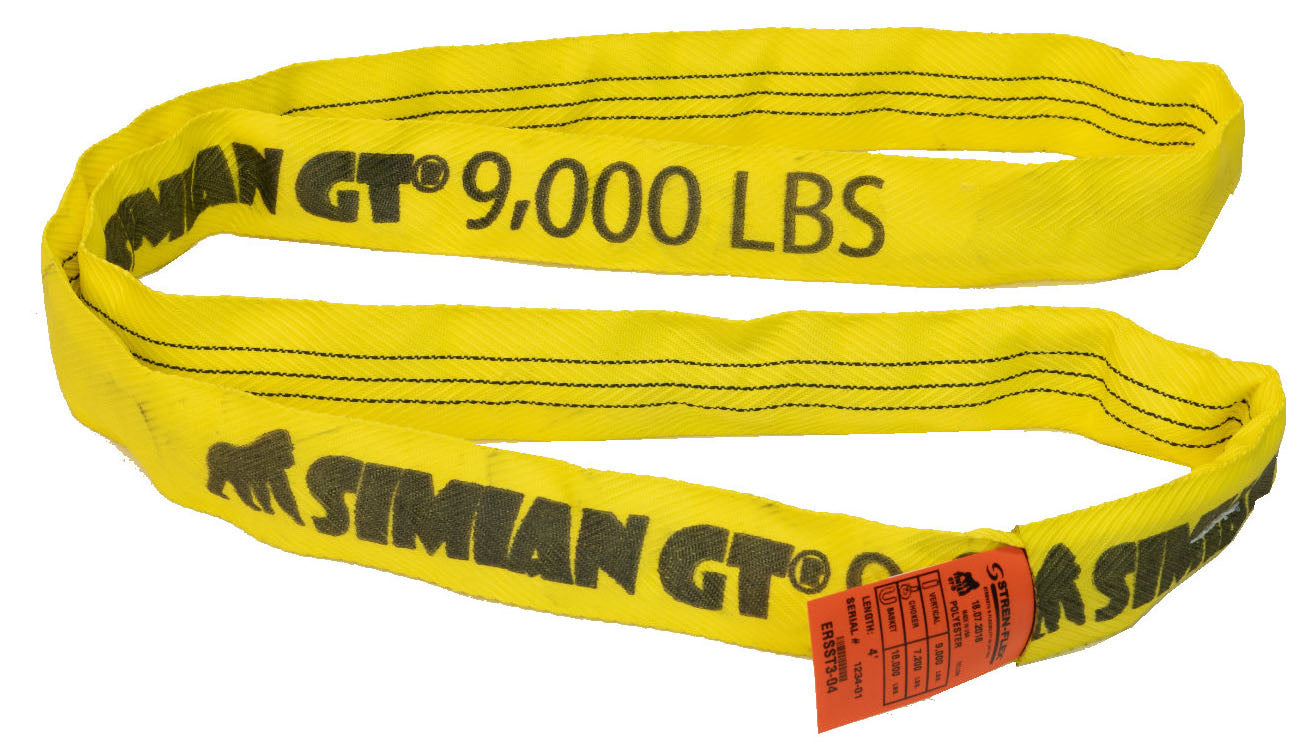
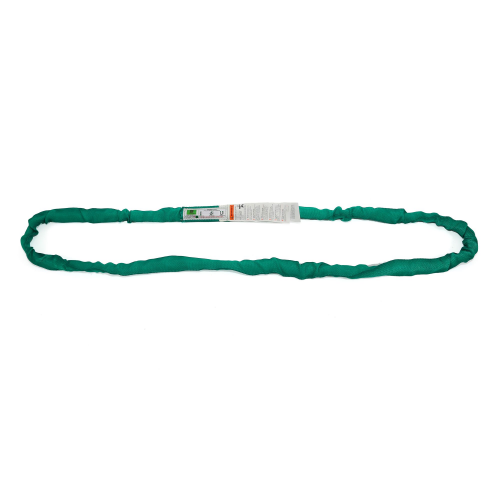
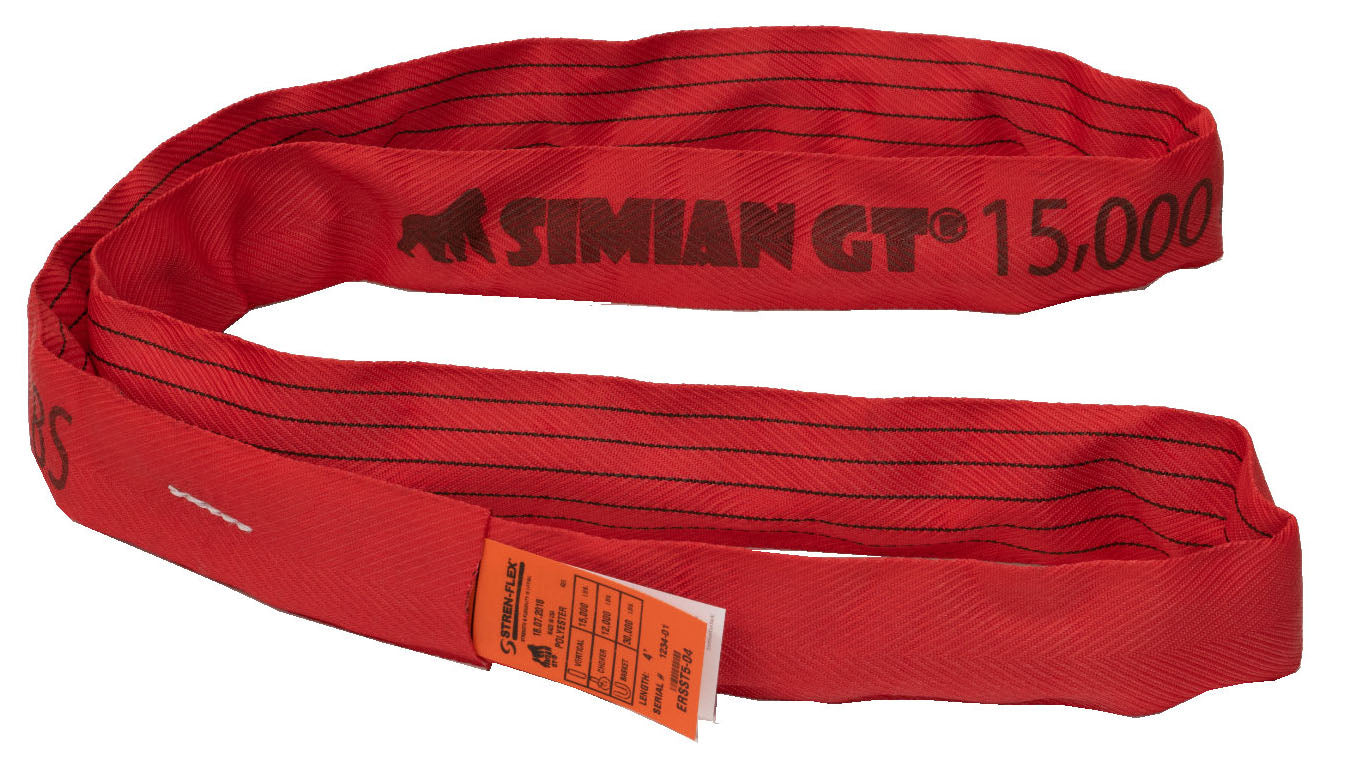
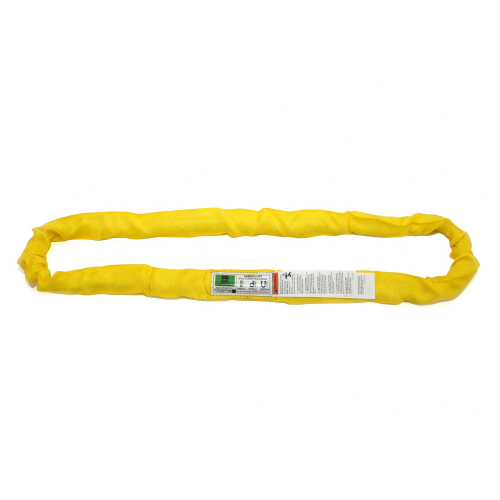
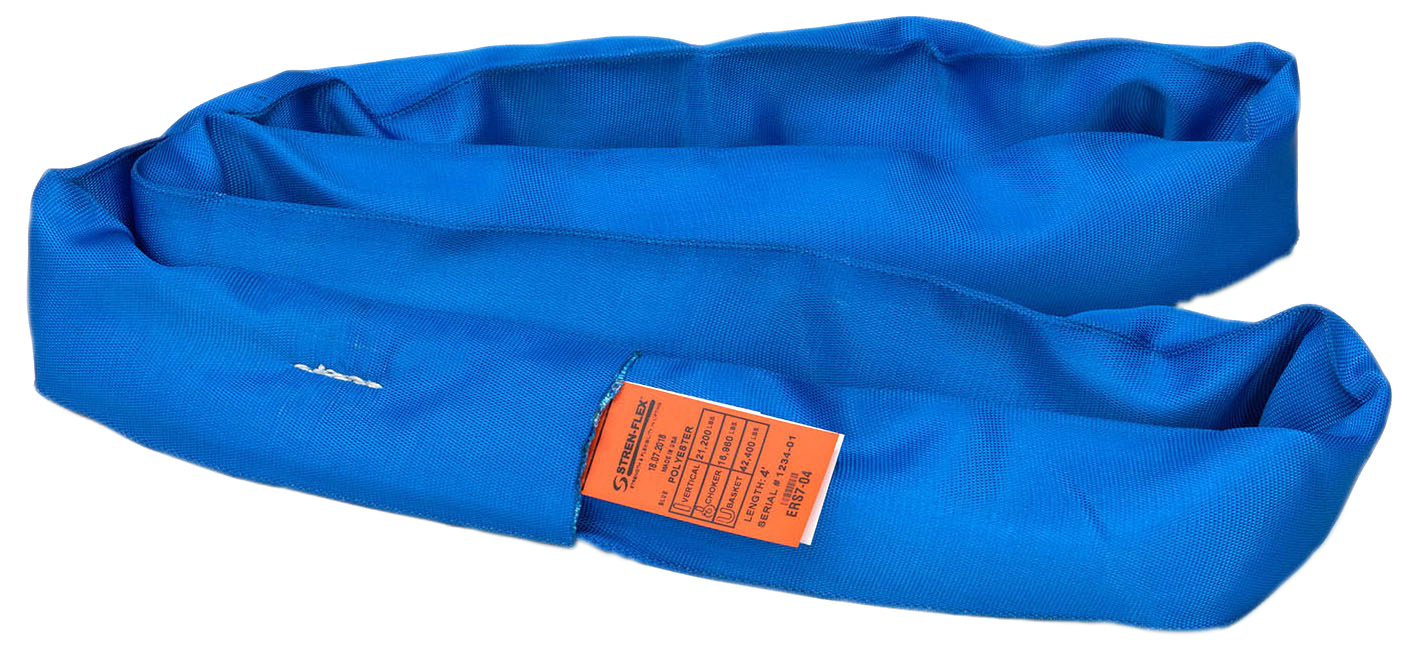
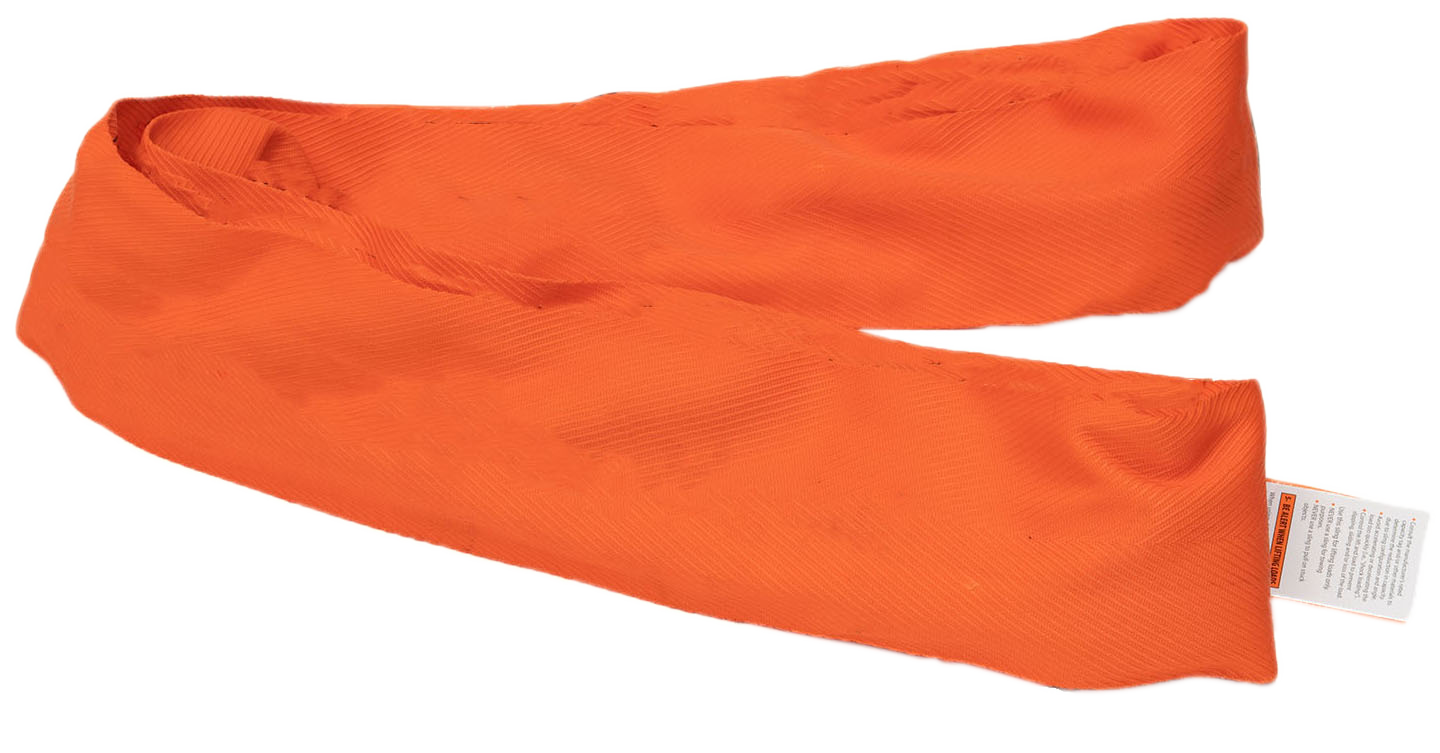
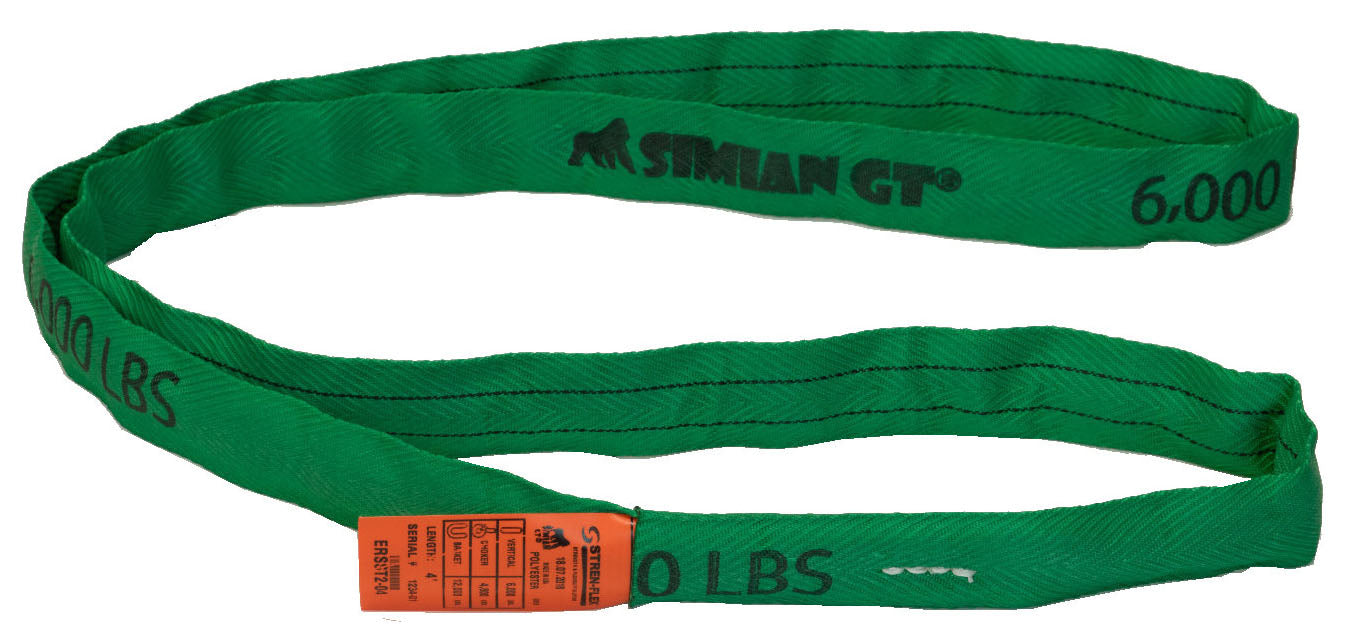
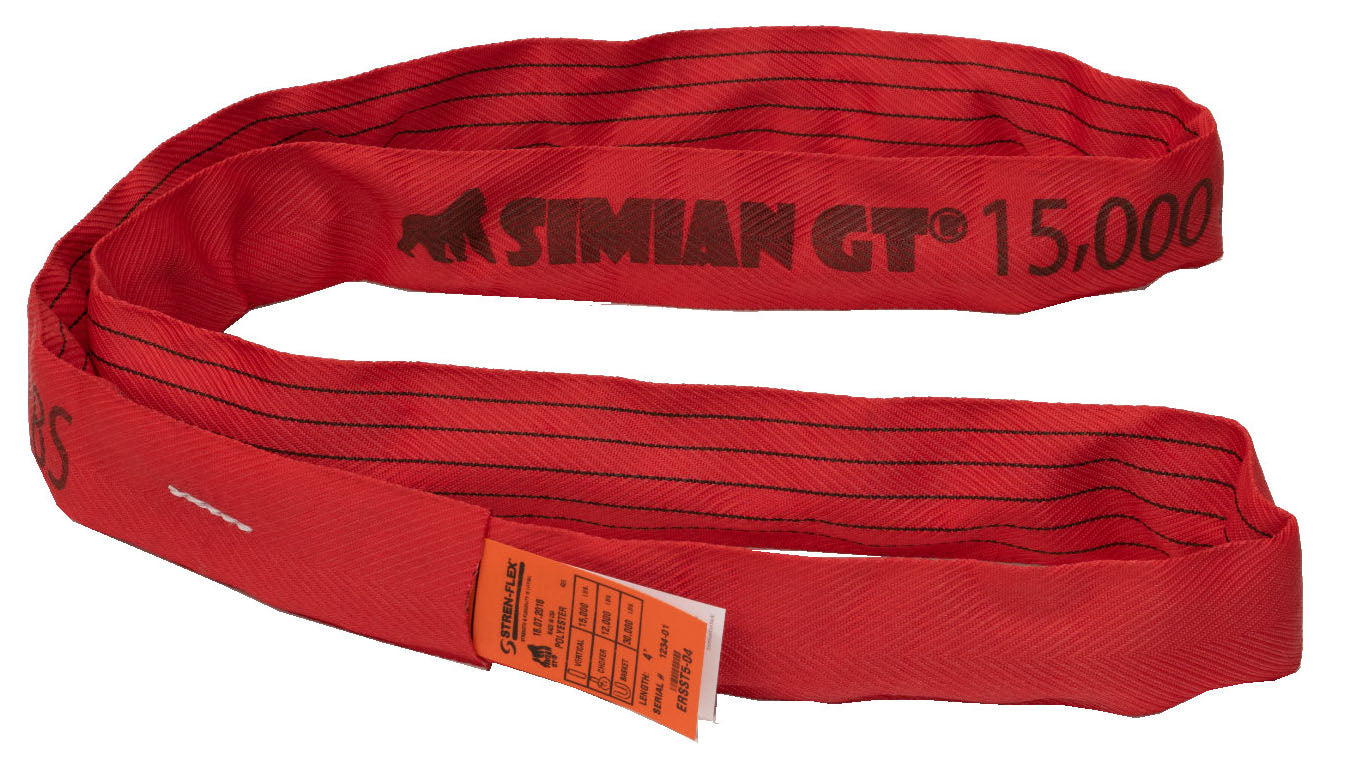
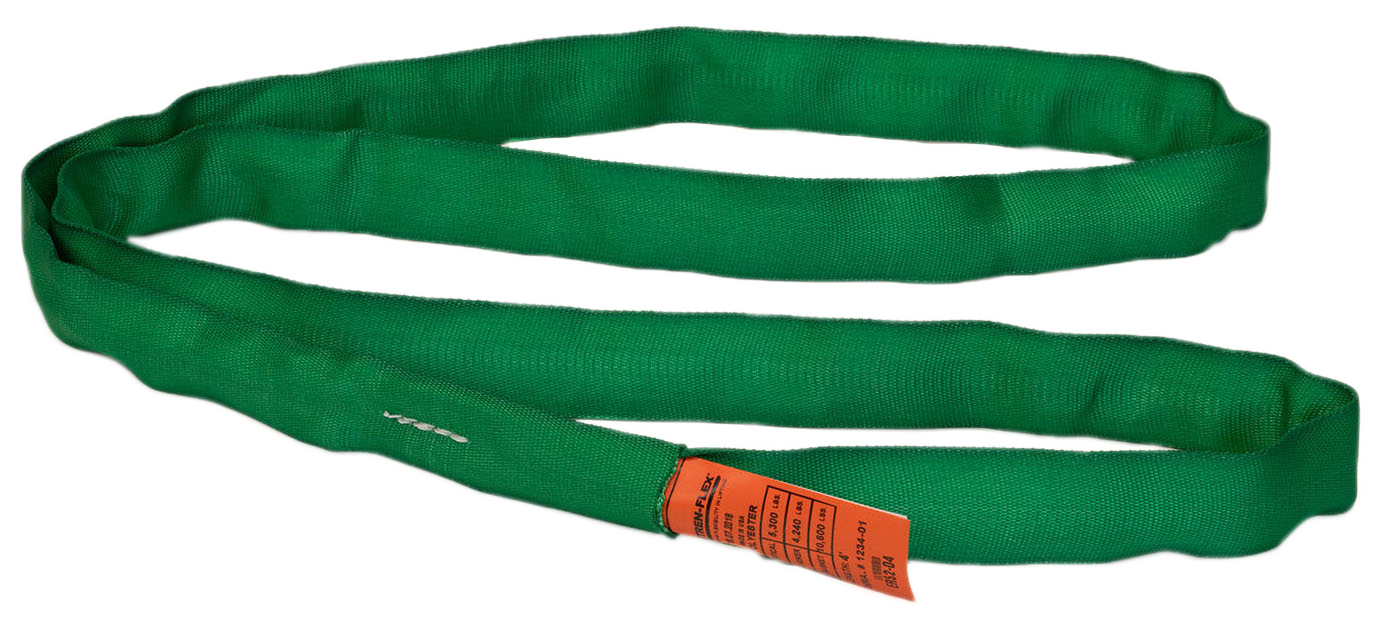
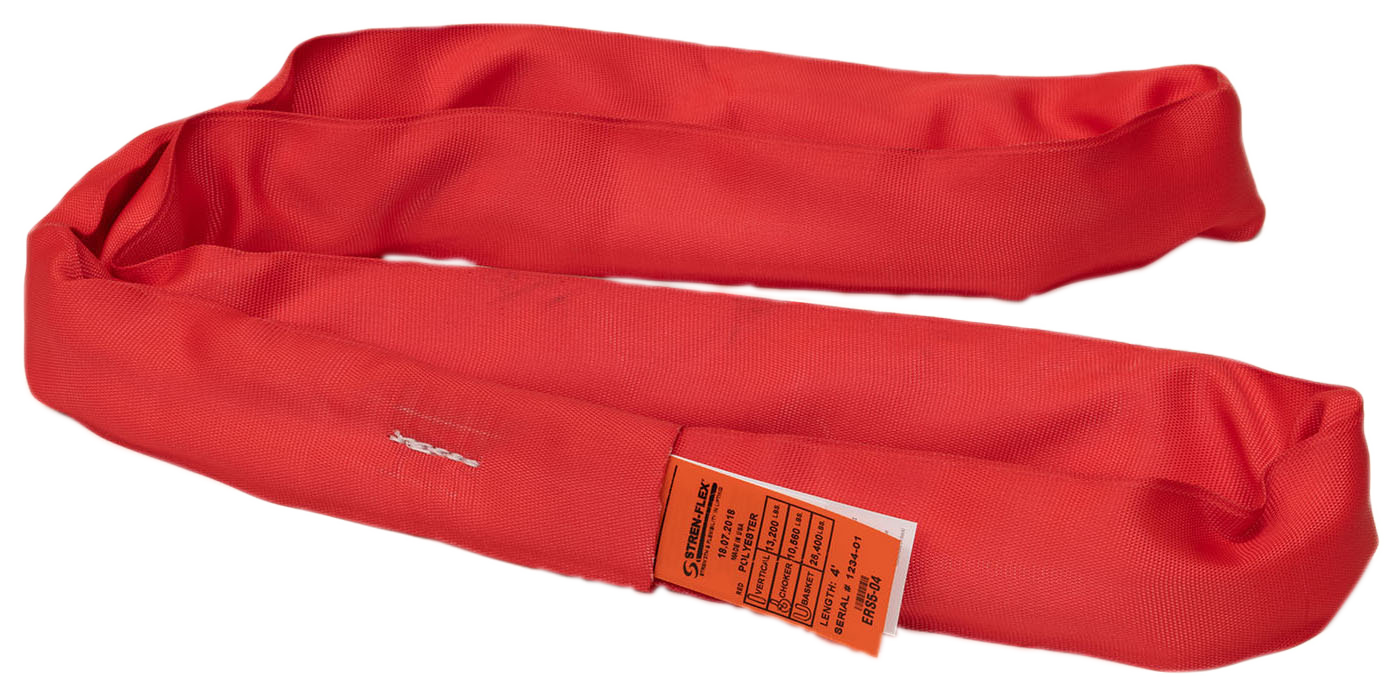
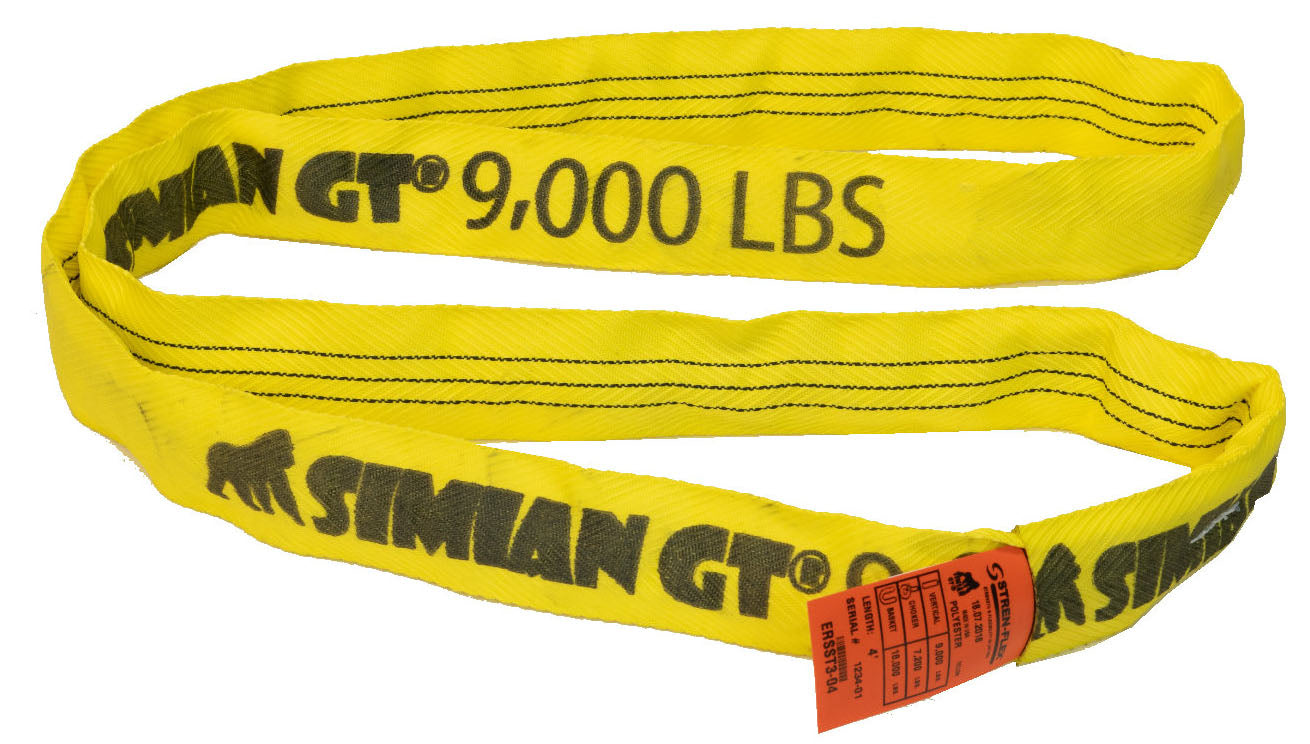
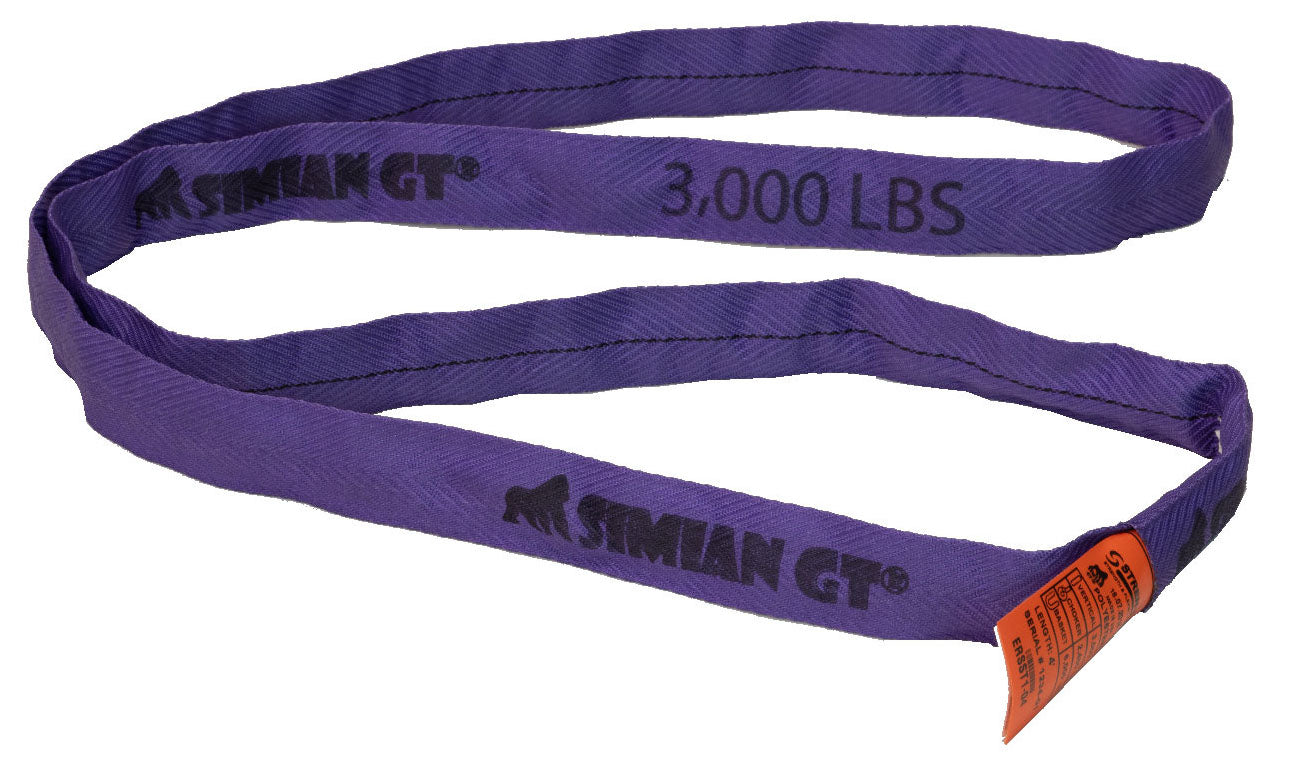
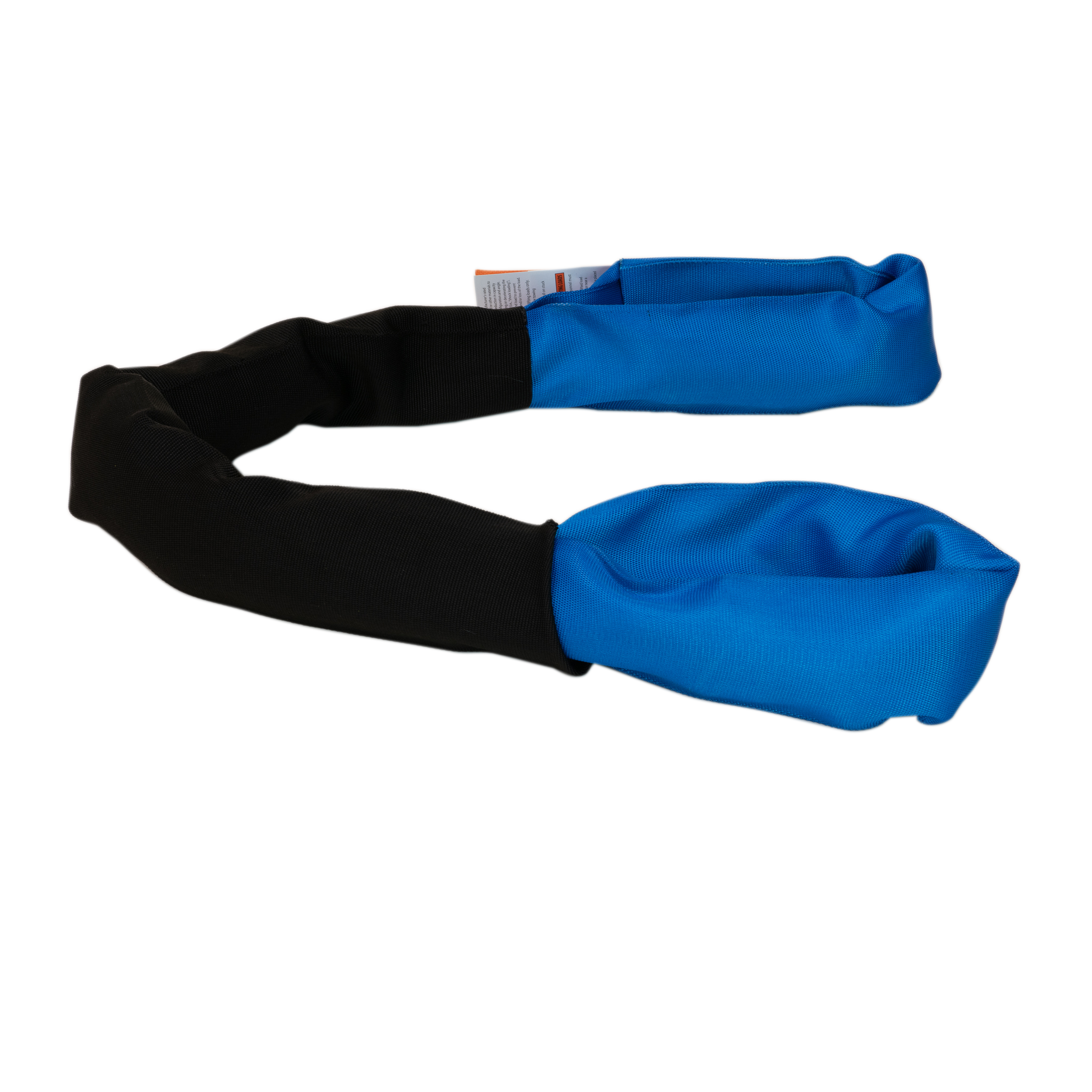
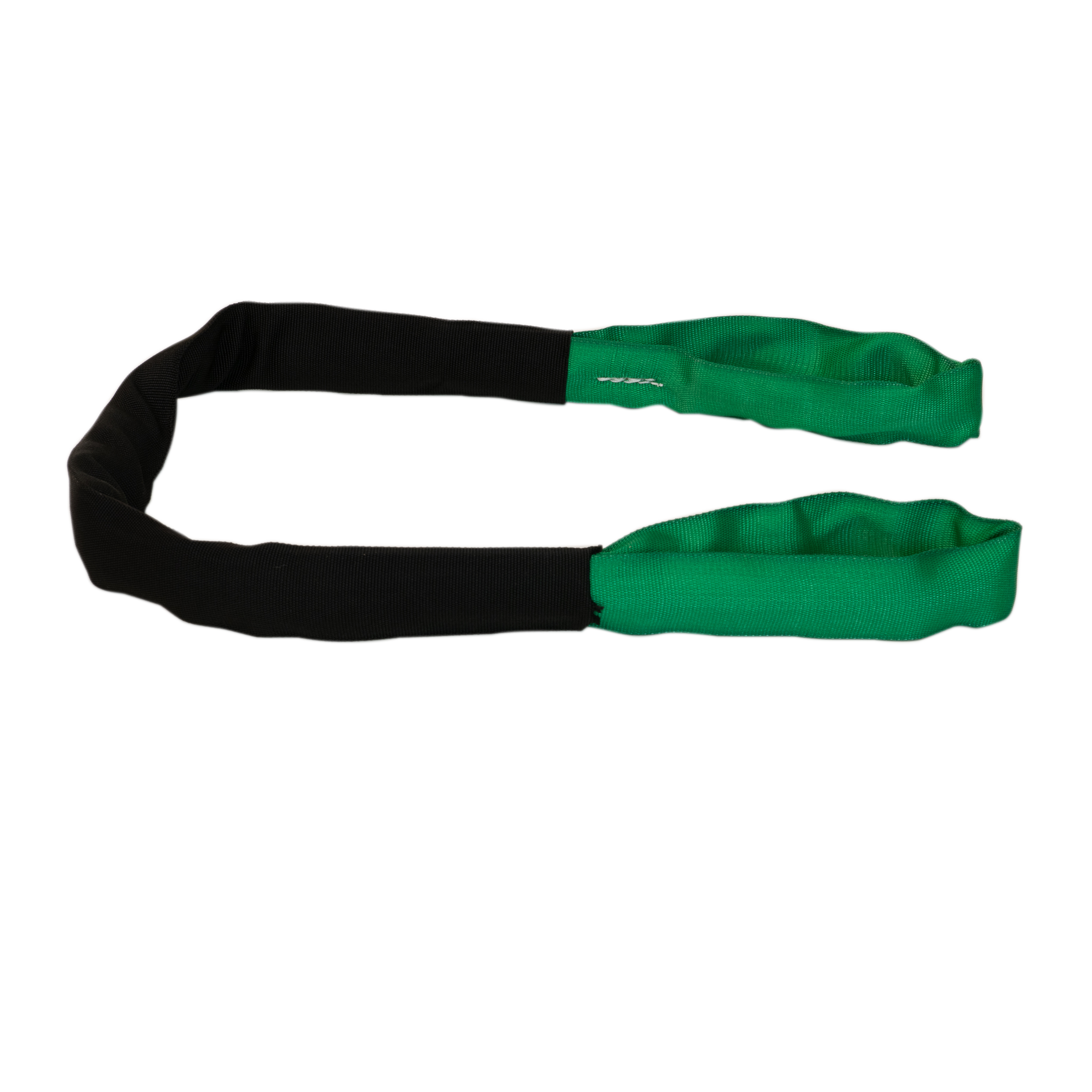
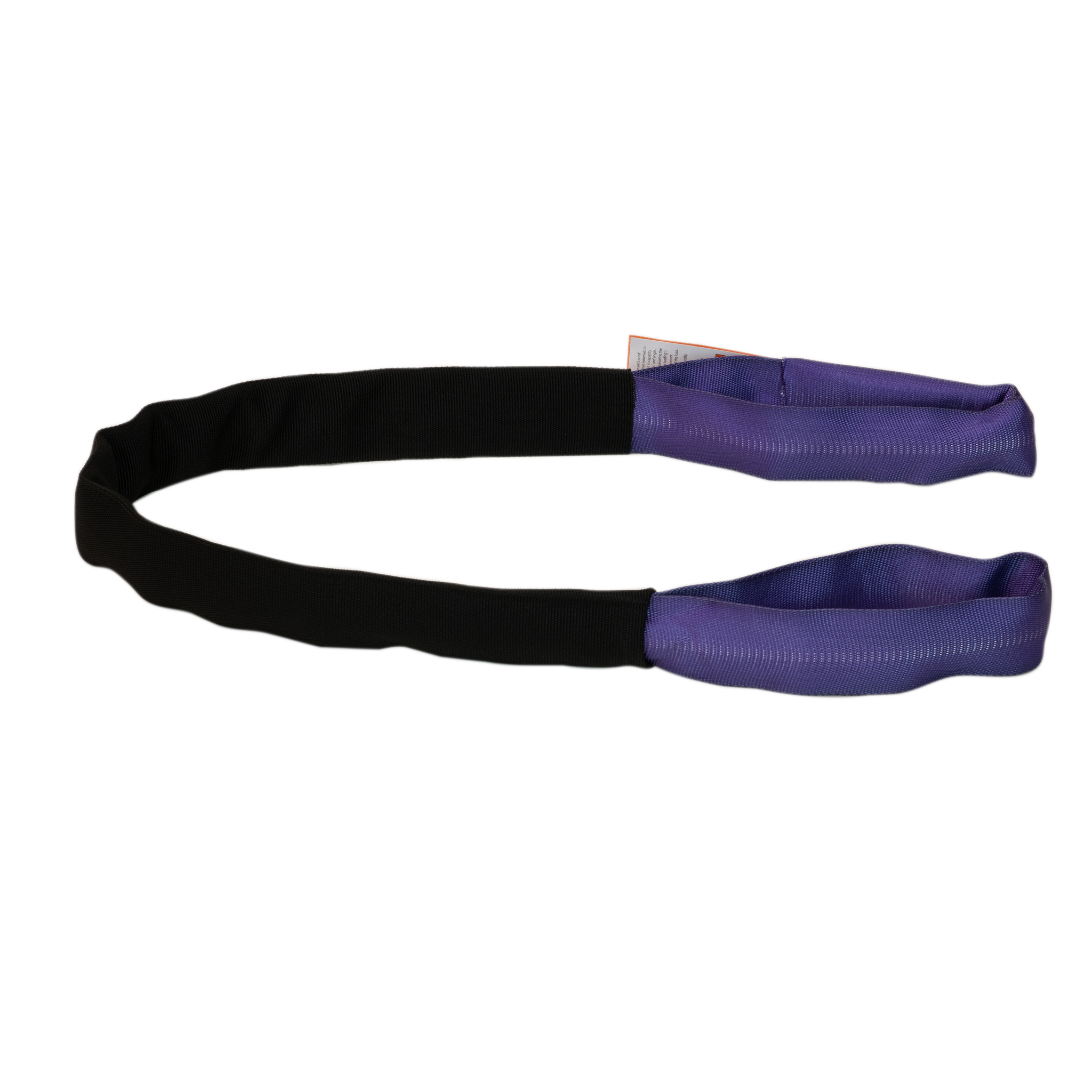
Read the color code, trust the tag. US rigging shops grab round slings by color, and the polyester line here follows the sequence most crews know: purple is 2,600 lb vertical, green 5,300, yellow 8,400, brown 10,600, red 13,200, white 16,800, and blue 21,200. Above blue the code loosens. Orange covers 25,000 through 53,000 lb and olive runs 66,000 to 100,000, so at the top end two slings that look identical on the rack can differ by tens of thousands of pounds. Treat color as a fast way to find the probable sling and the tag as the rating that governs the lift. Every Holloway Houston sling ships in reach lengths from 3 to 30 ft, and length is cheap insurance: a purple sling starts at $9.26 and the 100,000 lb olive tops the line near $107, so buying the reach that keeps your bridle angles steep costs almost nothing. Color codes are also not standardized across makers, so never carry a color habit from one brand onto another manufacturer's rack.
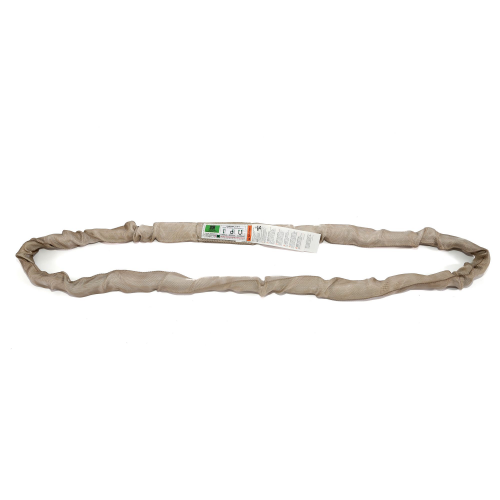
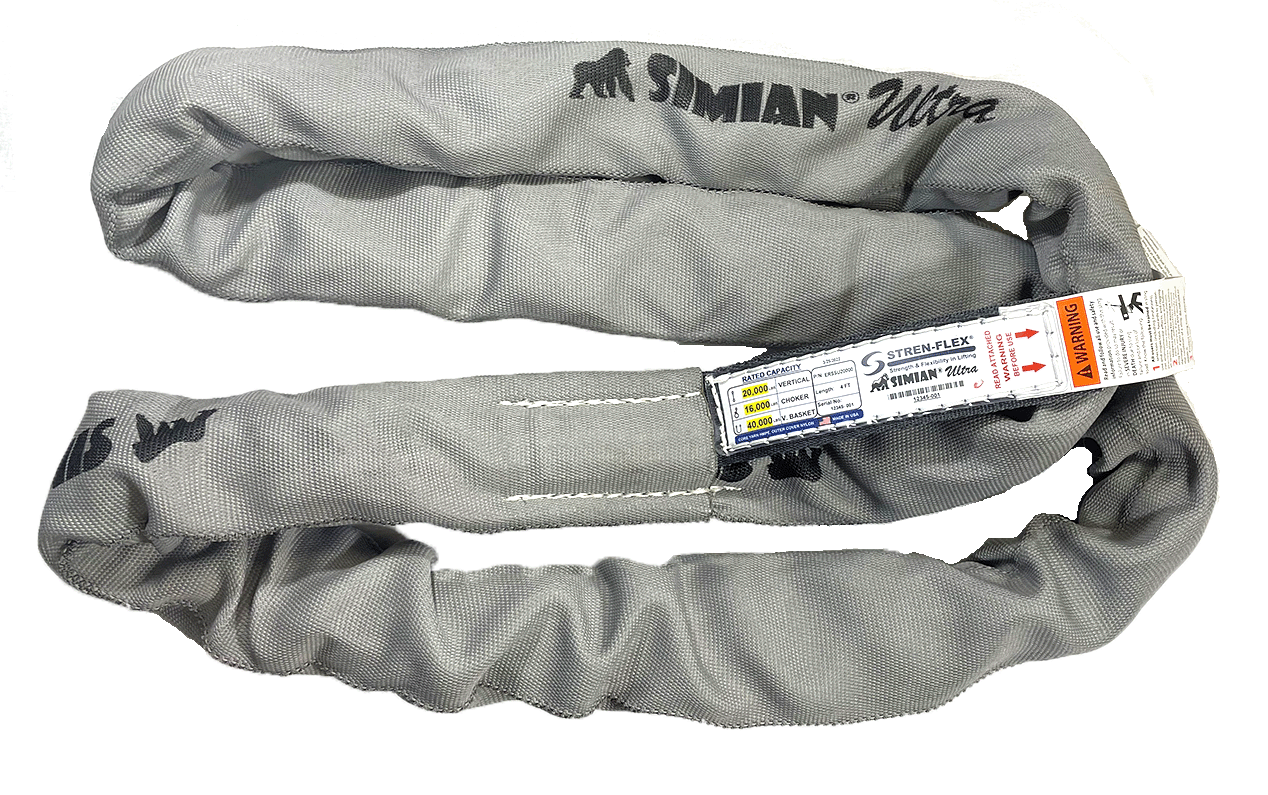
Why round instead of flat web or chain. The endless loop is what sets a round sling apart from a flat webbing sling. Load rides on the core yarns running continuously inside the cover, and the cover carries none of the lift, so you can rotate the sling a few degrees between picks and spread wear over the whole body instead of chewing one spot. That same softness makes round slings gentle on finish: they cradle painted, polished, and thin-walled loads the way bare chain never will. They also pack the highest capacity into the lightest, cheapest package of any synthetic, which is why crews outfitting from zero usually start here and add a chain sling only for the hot and sharp-edged work polyester cannot survive. Where a job wants the toughness of steel with a little more give than chain, the eye-and-eye wire rope slings sit one shelf over. For the full menu of sling families and how they trade off, the lifting slings hub lays them side by side.
The hitch and angle reset the real rating. The number stamped on the tag is the vertical rating: one leg, straight pull. Rig that same sling as a choker and you keep only about 75 to 80% of it, because the choke point bends and pinches the body, so a yellow sling rated 8,400 lb vertical works out to roughly 6,700 lb in a choke. A basket hitch runs the other way and can carry up to twice the vertical rating, but only when both legs rise vertically over a generous contact diameter; flatten the legs or hook a sharp corner and the doubling disappears. Then sling angle quietly multiplies everything. Put a 10,000 lb load on two legs and each leg sees 5,000 lb straight up, about 5,800 lb at 60 degrees from horizontal, 7,100 lb at 45 degrees, and the full 10,000 lb at 30 degrees. Below 30 degrees rigging practice treats the angle as off-limits. The cure is length: a longer sling stands at a steeper angle, so decide the hitch, size off the hitch-adjusted number, and buy the reach that keeps your legs at 60 degrees or better.
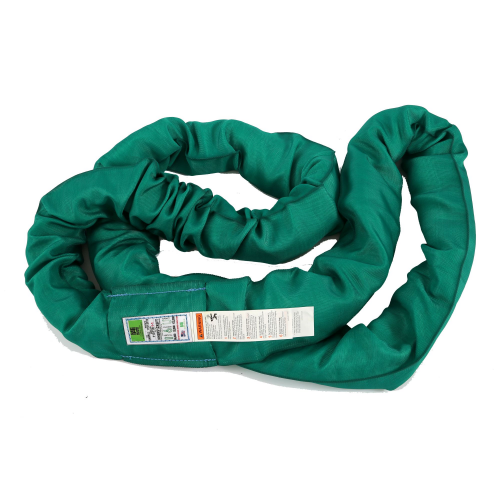
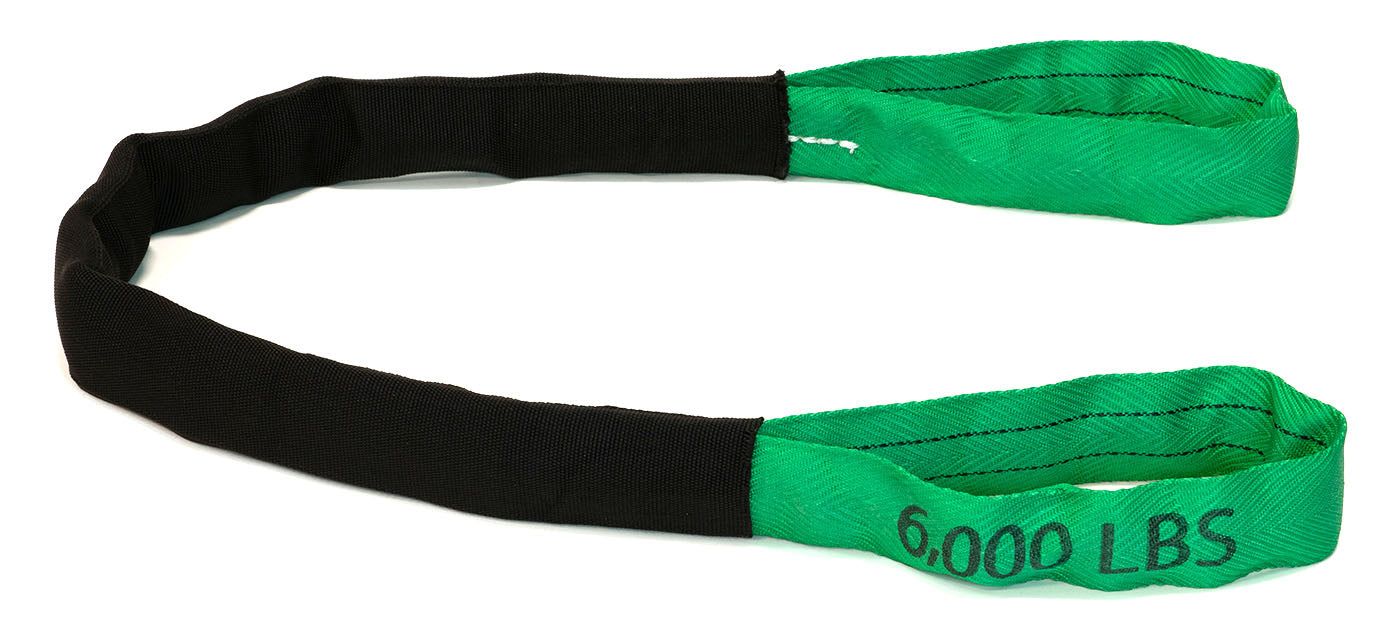
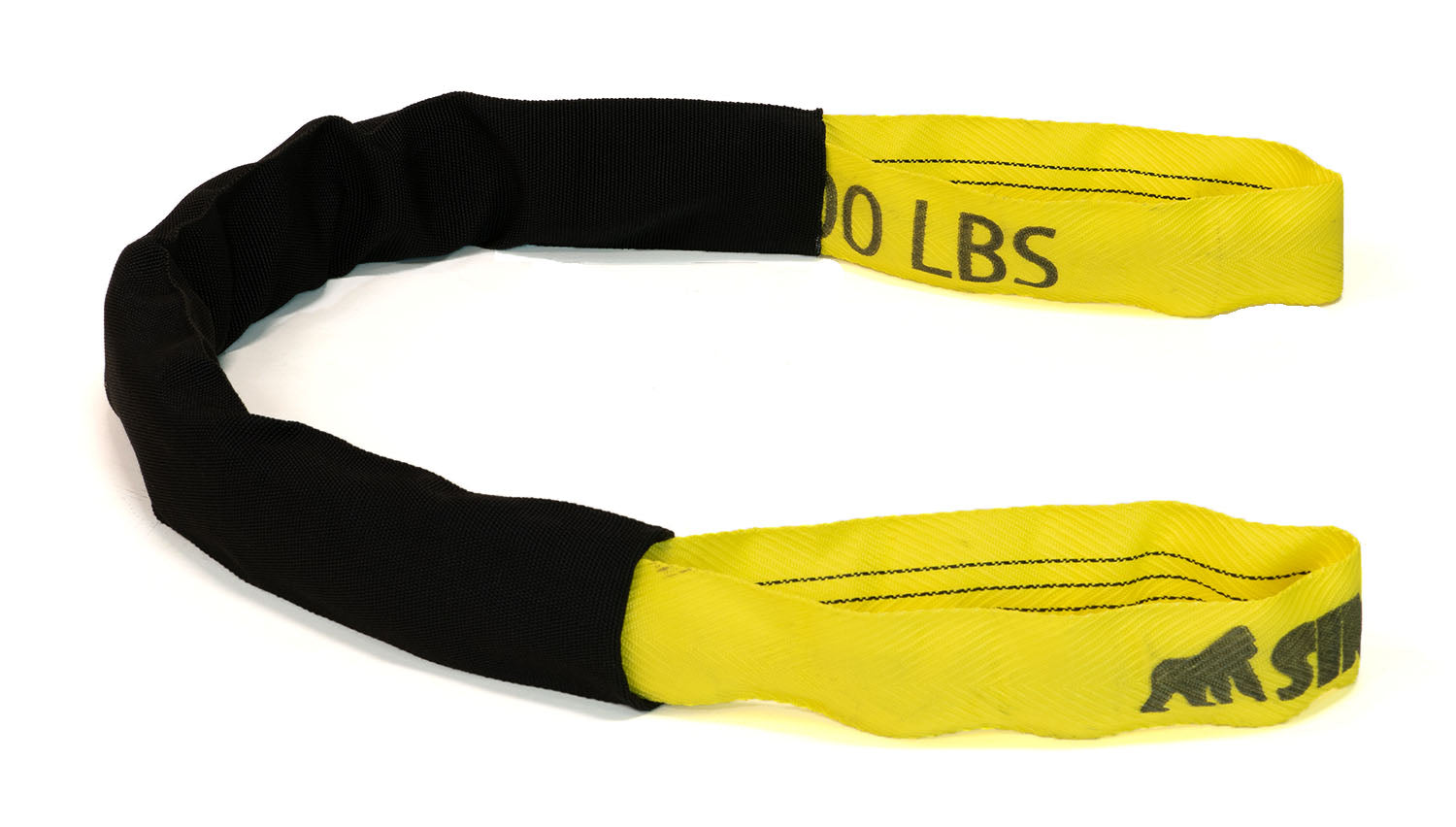
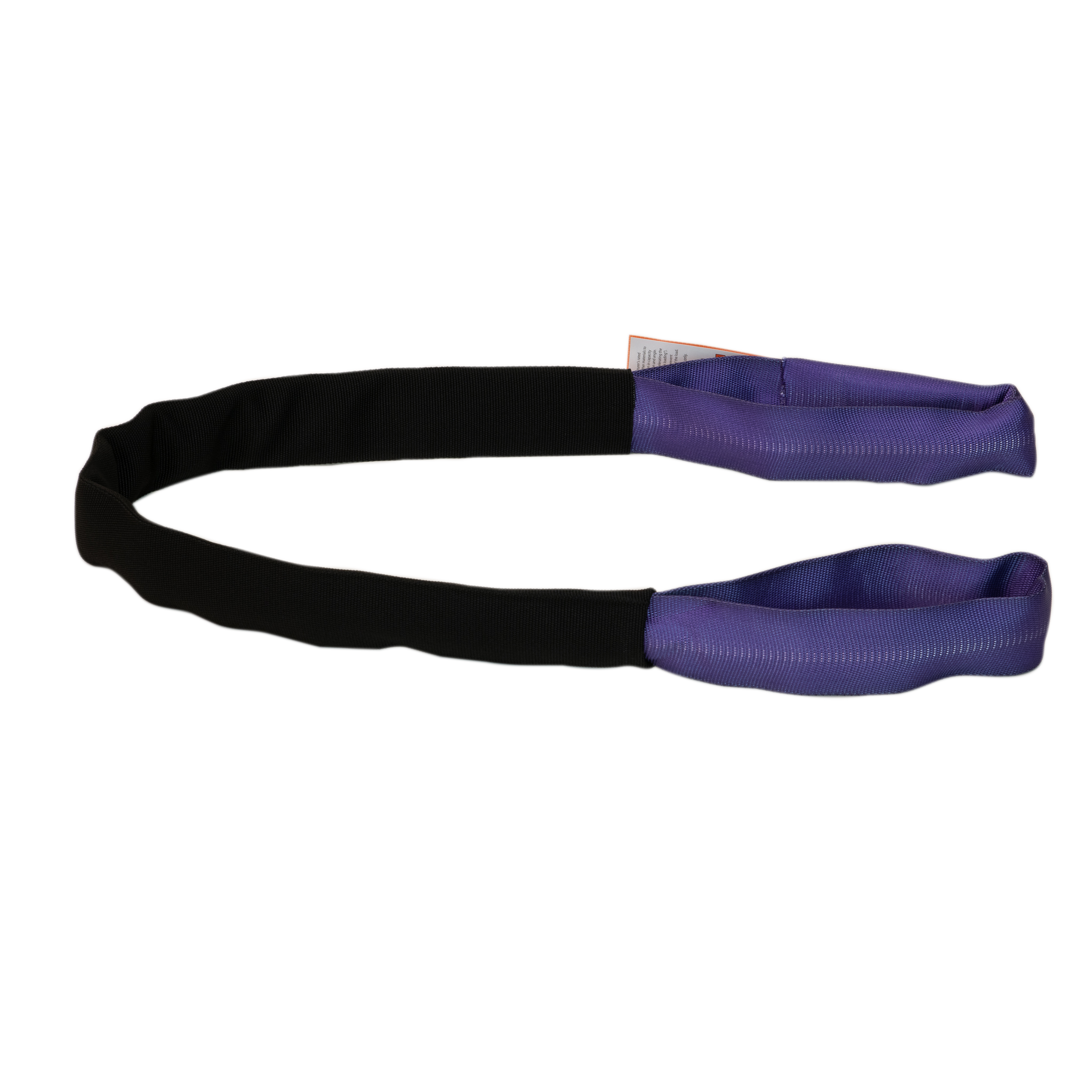
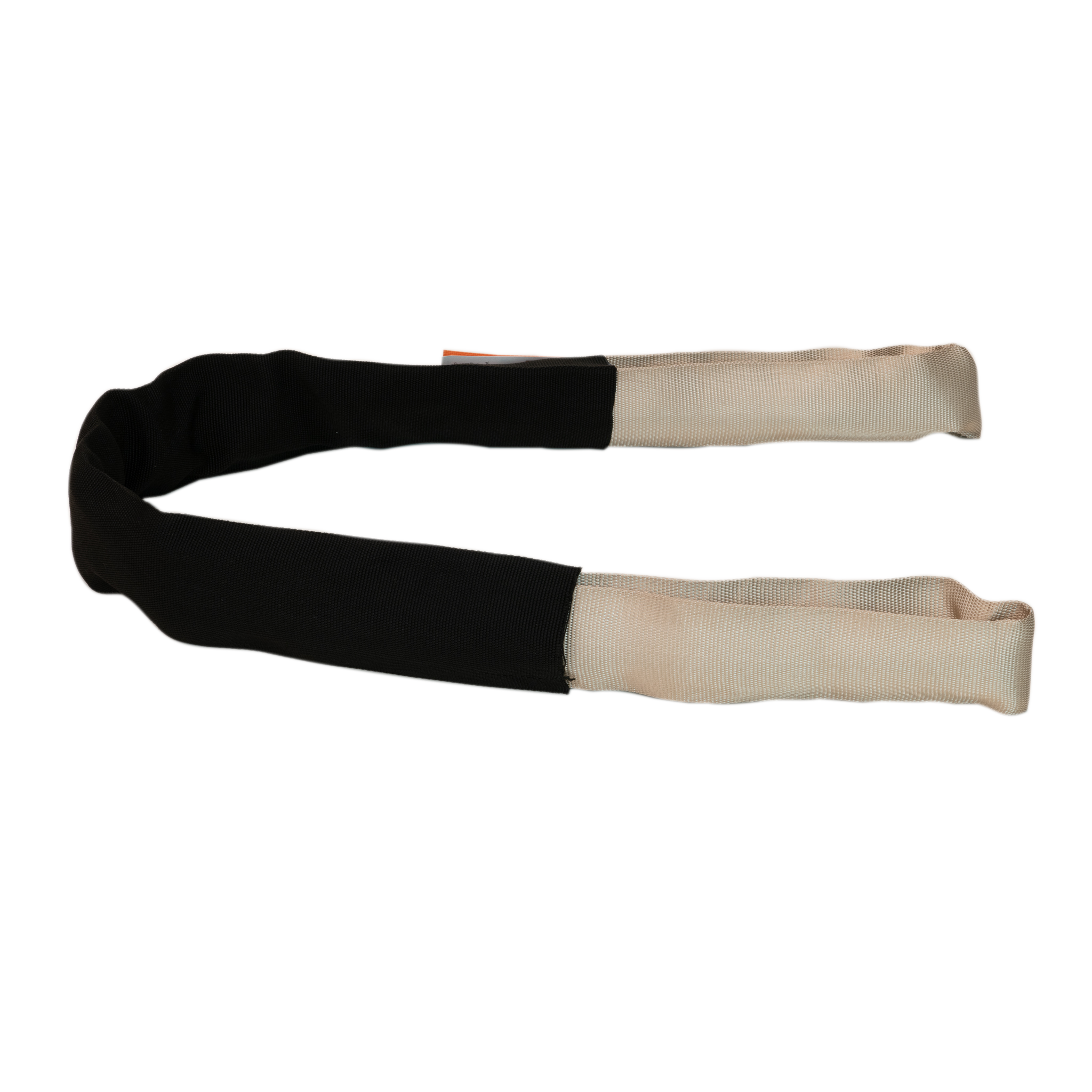
When polyester runs out: Dyneema, aramid, and steel core. Standard polyester tops out at 194 F, and past that the specialty builds in this collection take over. Lift-All Dynaflex slings replace the polyester core with Dyneema, a high-modulus polyethylene fiber with a strength-to-weight ratio that shames steel; they float, shrug off cuts and abrasion, and suit heavy marine and turnaround lifts where crews handle the sling by hand, though the fiber begins losing strength above roughly 150 F, so they stay off hot work. For heat, the Keyflex line winds aramid load fibers rated to 350 F, delivering close to chain-level strength without the weight. Hotter still, Steelflex slings wrap a galvanized aircraft-cable core in a black double-wall polyester jacket with an inspection window, rated to 400 F for overhead suspension where a metal core is required. And the black Tuflex Stage slings are plain polyester in a discreet black cover for theatrical and event rigging that has to disappear against the truss. All four run well past the color-coded line on price, so they are a deliberate buy for a specific hazard, not a default pick.
Temperature, chemicals, and edges. For everyday polyester slings the limits are firm. OSHA and the WSTDA both cap polyester round slings at 194 F and pull them from service below minus 40 F, so parts fresh out of heat treat, new weldments, and steamed-down equipment belong on aramid, steel-core, or chain slings. Chemistry is the mirror image of nylon: polyester stands up to most acids but strong alkalis attack it, so check a compatibility chart before a sling lives around washdown or process splash. Edges do the most damage in ordinary service. A loaded round sling dragged across a bare steel corner can cut through the cover and into the core in a single lift, and once the core yarns show, the sling is finished. Pad every change of direction with wear sleeves or corner protectors. When the load is all sharp edges and there is no finish to protect, stop fighting it and reach for chain.
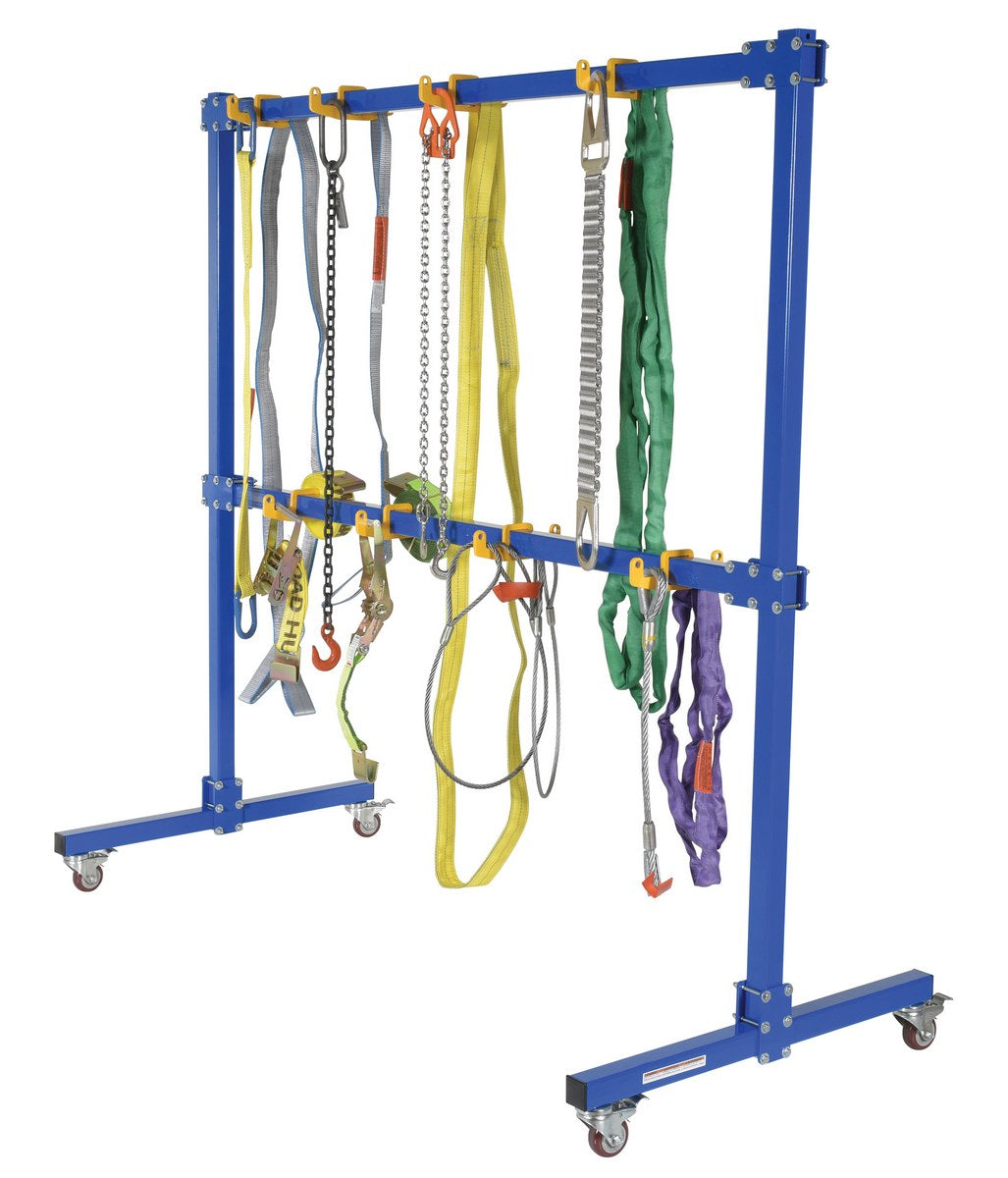
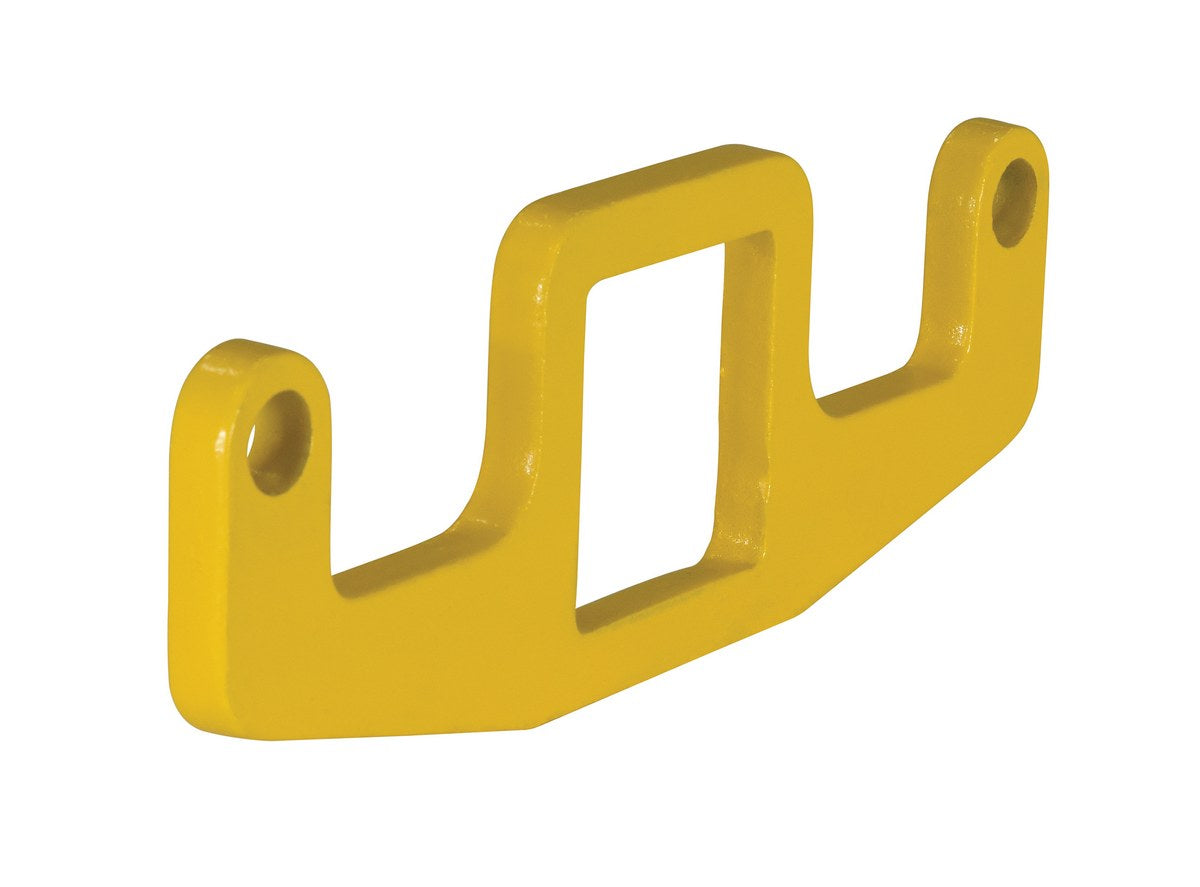
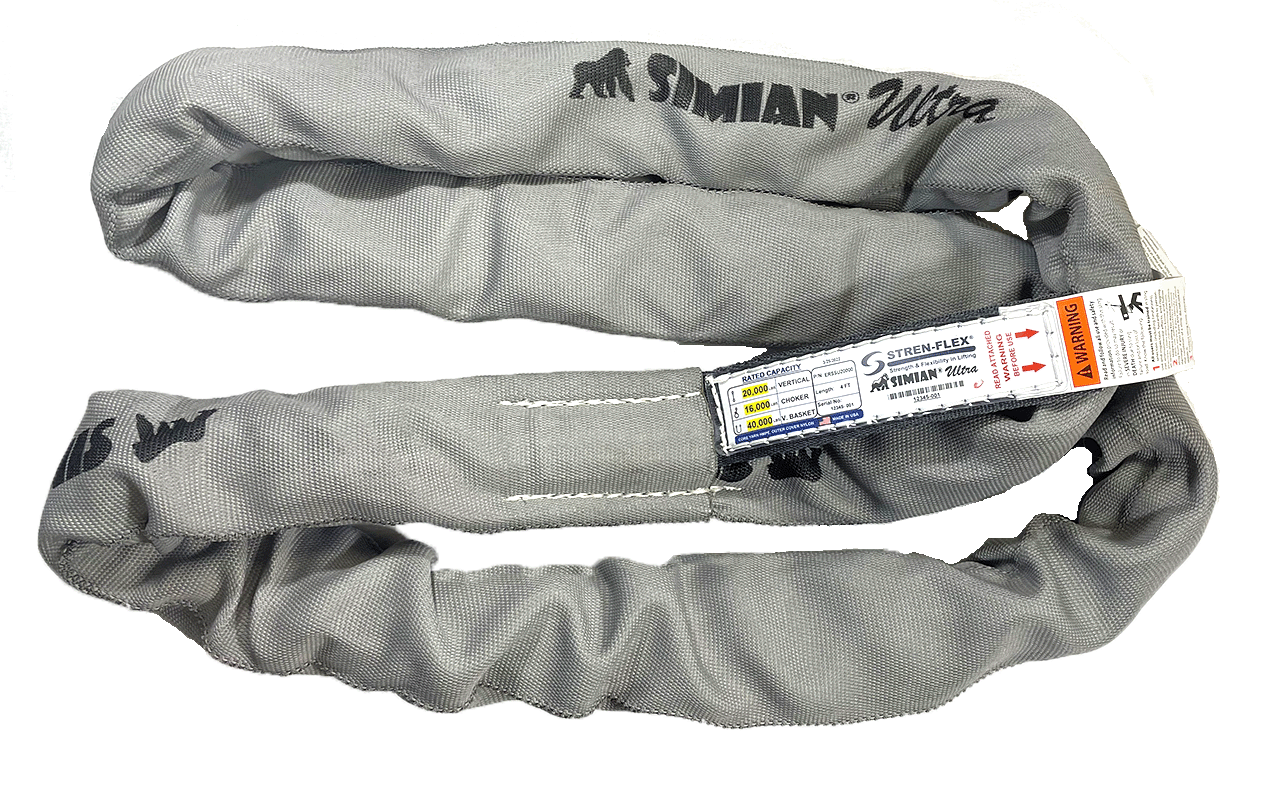
Inspection and removal under ASME B30.9. Round slings answer to ASME B30.9 and OSHA 1910.184: a visual check before each use and a documented periodic inspection on a schedule set by how hard the slings work. The removal criteria are specific to the two-part build. Retire any sling with a missing or illegible tag, and retire it the moment cover damage exposes the core yarns, because the cover is only a wear jacket and the core is the sling. Cuts, snags, holes, heavy abrasion, heat glaze, acid or alkali burns, and knots all end a sling's life, and on the Steelflex line the inspection window lets you spot broken wires in the core before anything shows outside. Keep the fleet off the floor and the inspection habit stays easy: the Vestil sling rack holds a full set at $519, with rail and gantry-mount brackets sold separately. A round sling is the cheapest link in the rig, so nothing about a lift improves by defending one past its criteria. Cut retired slings apart so they cannot wander back onto the rack.
Frequently Asked Questions
Match the color to the vertical capacity you need, then confirm on the tag. The polyester sequence here runs purple 2,600 lb, green 5,300, yellow 8,400, brown 10,600, red 13,200, white 16,800, and blue 21,200, with orange covering 25,000 to 53,000 lb and olive 66,000 to 100,000. Color gets you to the probable sling fast, but the printed tag is what rates the lift, and a sling with an unreadable tag comes out of service no matter how new the cover looks.
Plan on losing about 20 to 25%. A choker is rated at roughly 75 to 80% of the vertical tag because the choke point bends and pinches the body of the sling. A yellow sling rated 8,400 lb vertical is about a 6,700 lb sling once you choke it. Size off the hitch you actually plan to rig, not the vertical number on the tag.
No. OSHA and the WSTDA cap polyester round slings at 194 F, and the fiber loses strength quietly before anything visibly melts. For heat, step up to the Keyflex aramid slings rated to 350 F or the Steelflex galvanized-cable slings rated to 400 F, and for the hottest work move to alloy chain. Below minus 40 F polyester also comes out of service.
Buy the specialty fiber when a specific hazard rules out plain polyester. Dynaflex Dyneema earns its price where you need extreme strength-to-weight and cut resistance in heavy marine or turnaround work handled by hand. Keyflex aramid buys heat to 350 F at close to chain strength without the weight. Steelflex adds a metal core rated to 400 F for overhead suspension. For general shop and construction lifting, standard color-coded polyester does the job for a fraction of the cost.
The core tells the story. Once cover damage exposes the load-bearing core yarns, the sling is done, since the cover carries no load. Also retire it for a missing or illegible tag, cuts, snags, holes, heavy abrasion, heat glaze, acid or alkali burns, or any knot in the body. Inspect before each use and run a documented periodic inspection under ASME B30.9. When anything is in doubt, a qualified person makes the call before the sling lifts again.