Web Slings
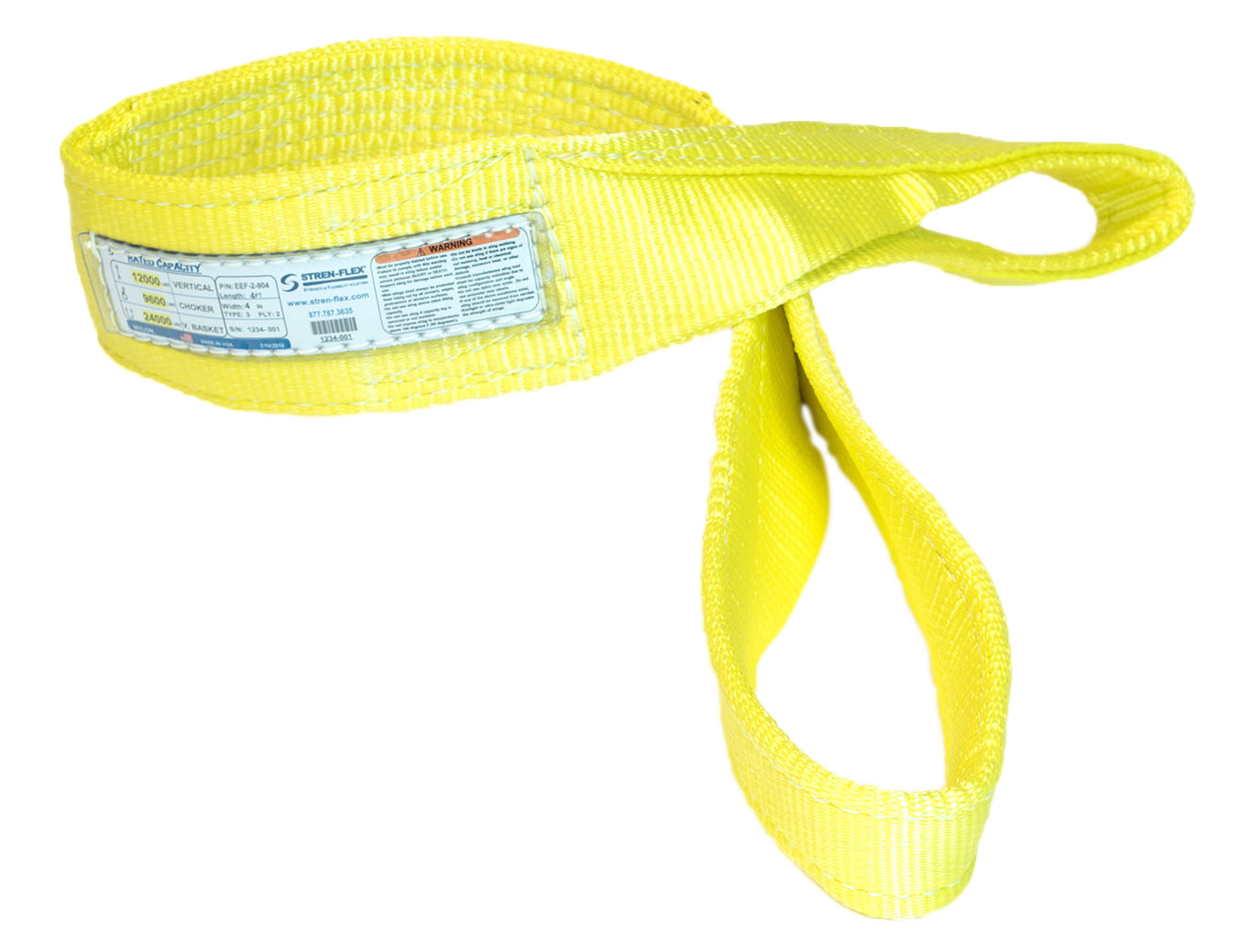
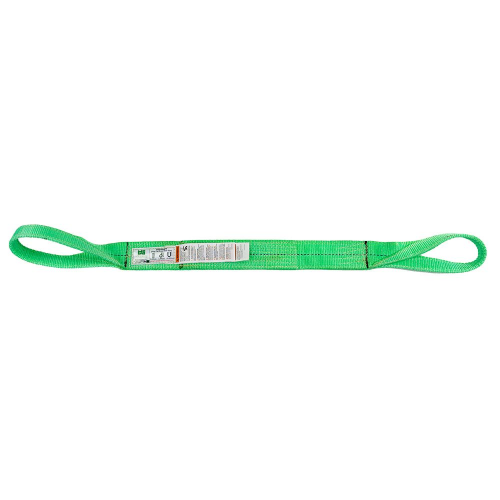
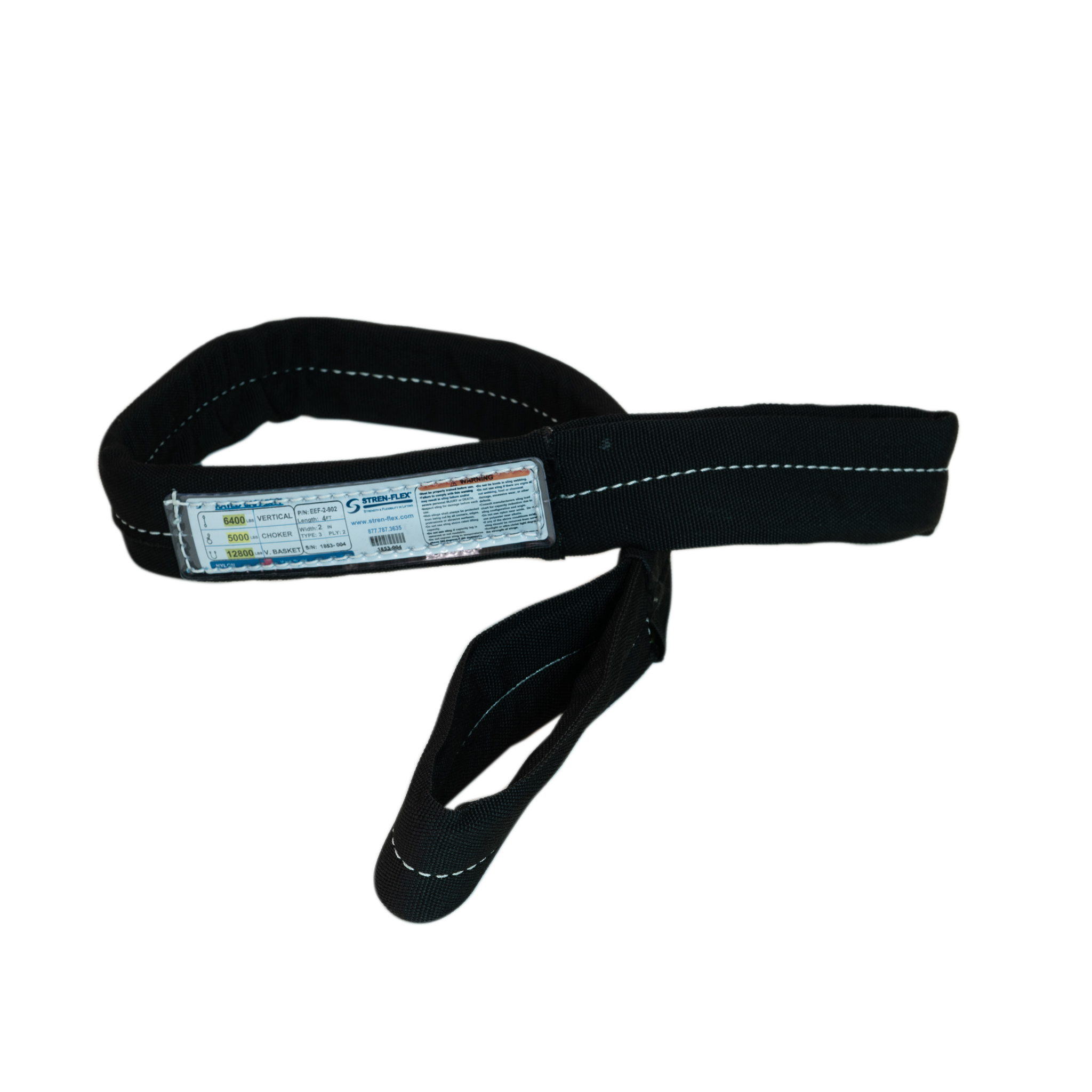
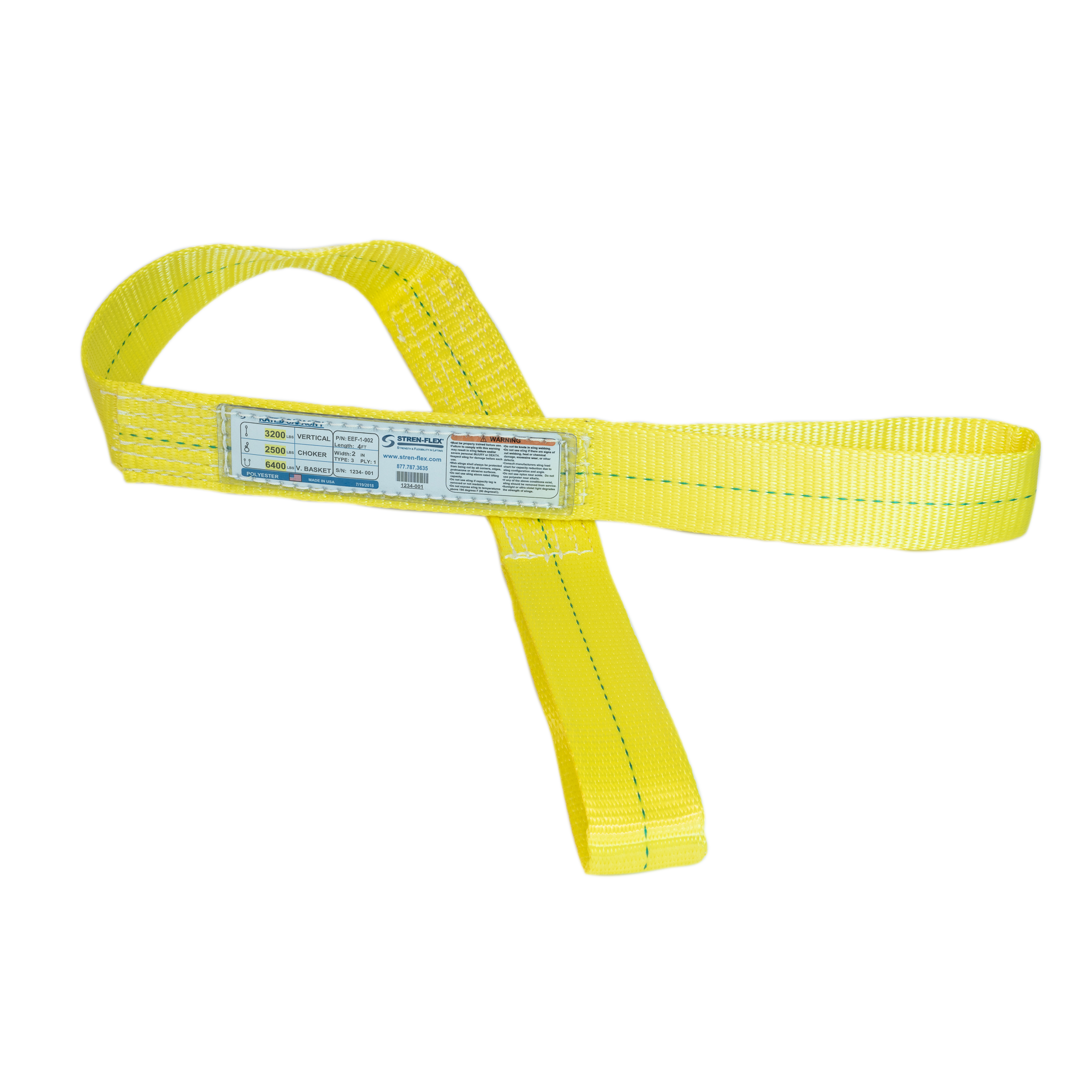
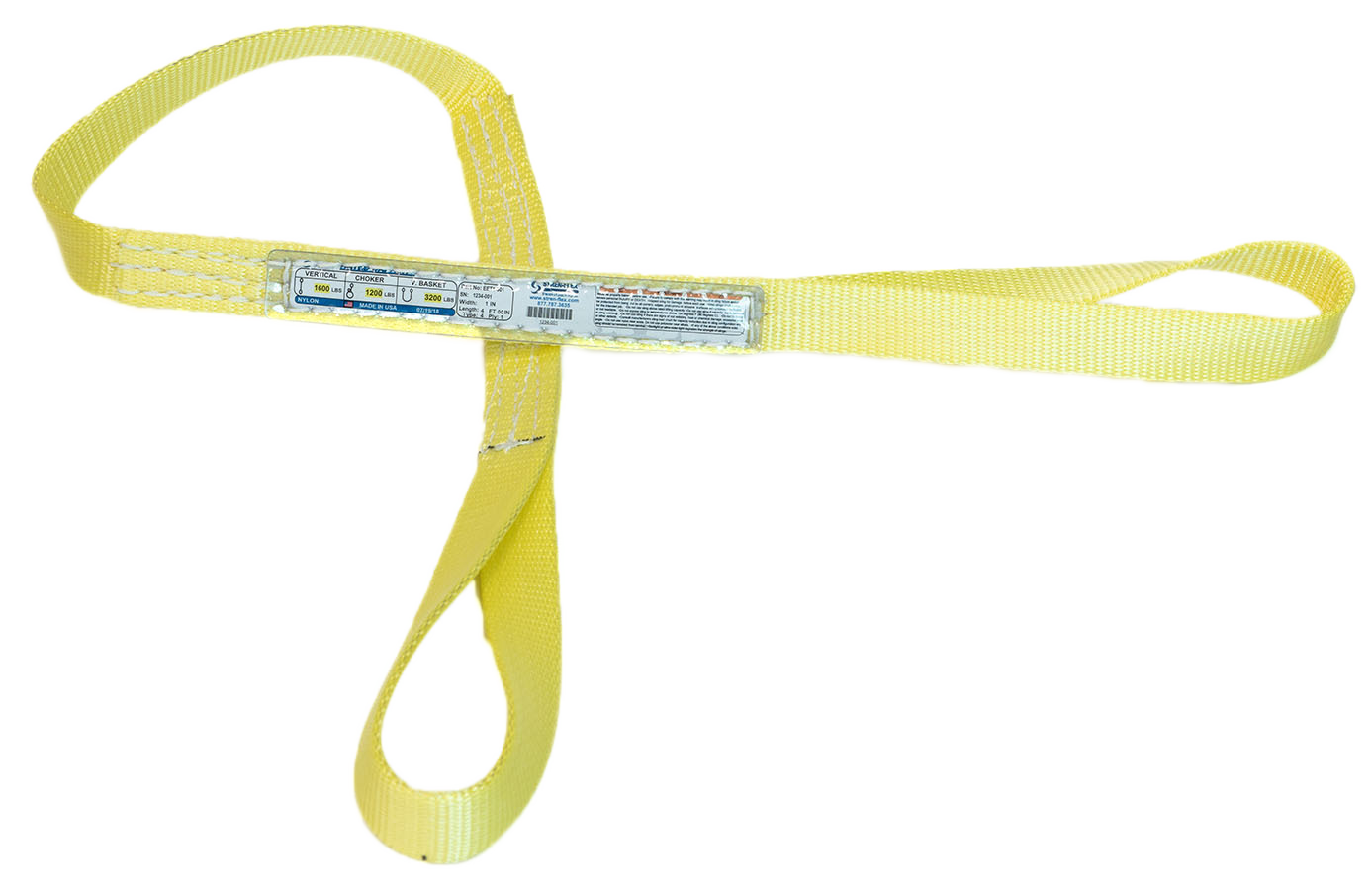
A web sling is flat woven polyester, and the shape is the point: capacity spread across a wide, soft face that carries painted, polished, and thin-walled loads without chewing them. This collection pairs two makers. Lift-All's Tuff-Edge line covers flat eye, twisted eye, endless, reverse eye, and triangle hardware builds in 1 through 3 ply and widths from 1 to 12 inches, with the cut-resistant edge that gives the line its name. Holloway Houston's eye and eye slings run 1 through 4 ply from $9.68, the workhorse spec for general shops. Between them the range spans a 1,600 lb single ply 1 inch sling to wide multi-ply builds with steel end fittings, plus Lift-All hose halters for handling hose and cable. The guide below sorts the end styles, the ply and width arithmetic, and the OSHA 1910.184 limits that govern every synthetic sling.
Compare Webbing Slings
| Model | Price | Capacity | |
|---|---|---|---|
| Lift-All 2-Ply Triangle/Choker Tuff-Edge III Polyester Web Slings 12" | $3,517 | 9,600-35,800 lb | View → |
| Lift-All 2-Ply Triangle/Triangle Tuff-Edge III Polyester Web Slings 12" | $2,854 | 9,600-35,800 lb | View → |
| Lift-All 2-Ply Triangle/Choker Tuff-Edge III Polyester Web Slings 10" | $2,612 | 9,600-35,800 lb | View → |
| Lift-All 2-Ply Endless Tuff-Edge Polyester Web Slings 12" | $2,170 | 21,500-44,800 lb | View → |
| Lift-All 1-Ply Triangle/Choker Tuff-Edge III Polyester Web Slings 12" | $1,967 | 9,600-35,800 lb | View → |
| Lift-All 2-Ply Endless Tuff-Edge Polyester Web Slings 10" | $1,747 | 17,900-37,600 lb | View → |
 In Stock
 In Stock
 In Stock
 In Stock
 In Stock
 In Stock
 In Stock
 In Stock
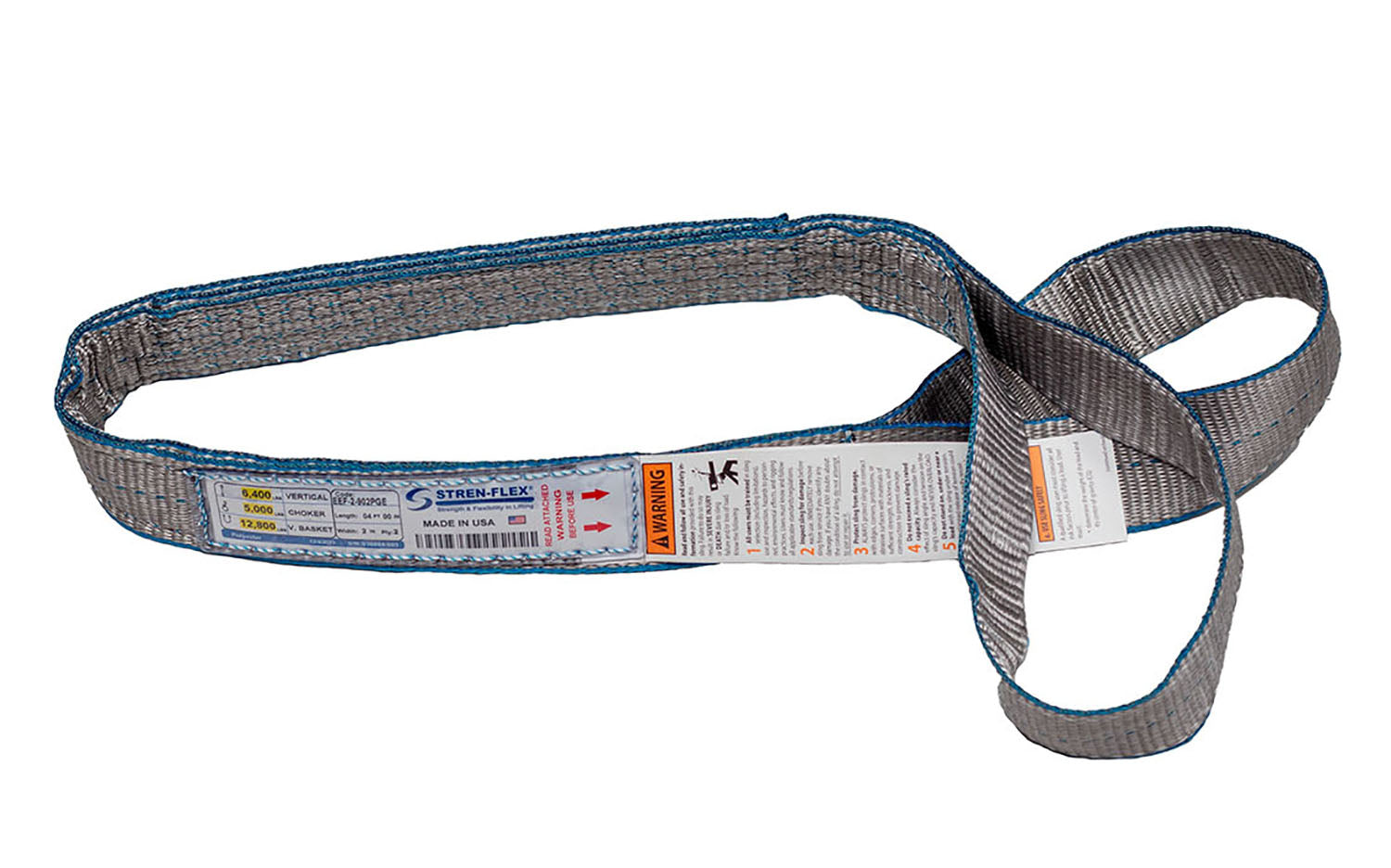 In Stock
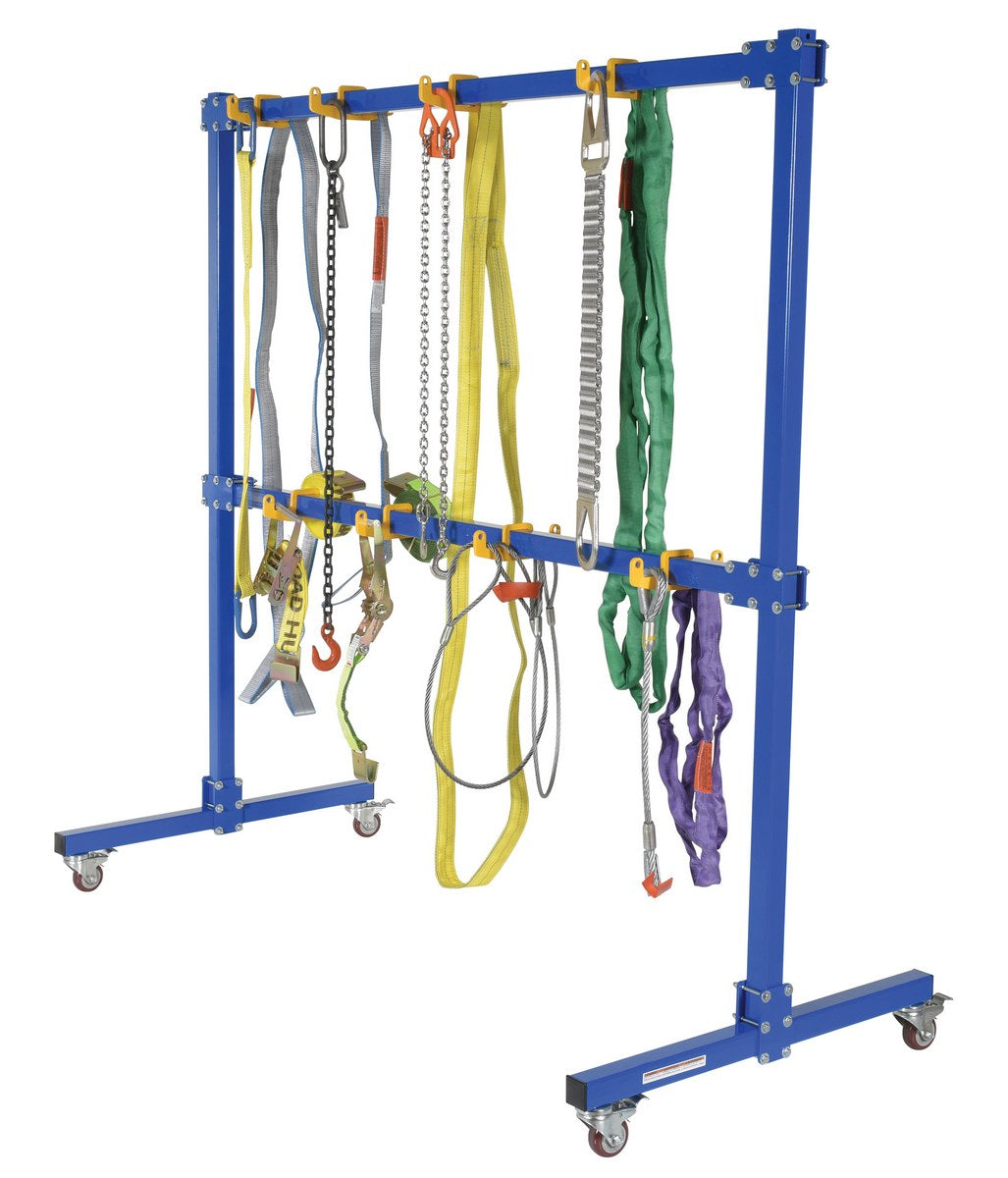 In Stock
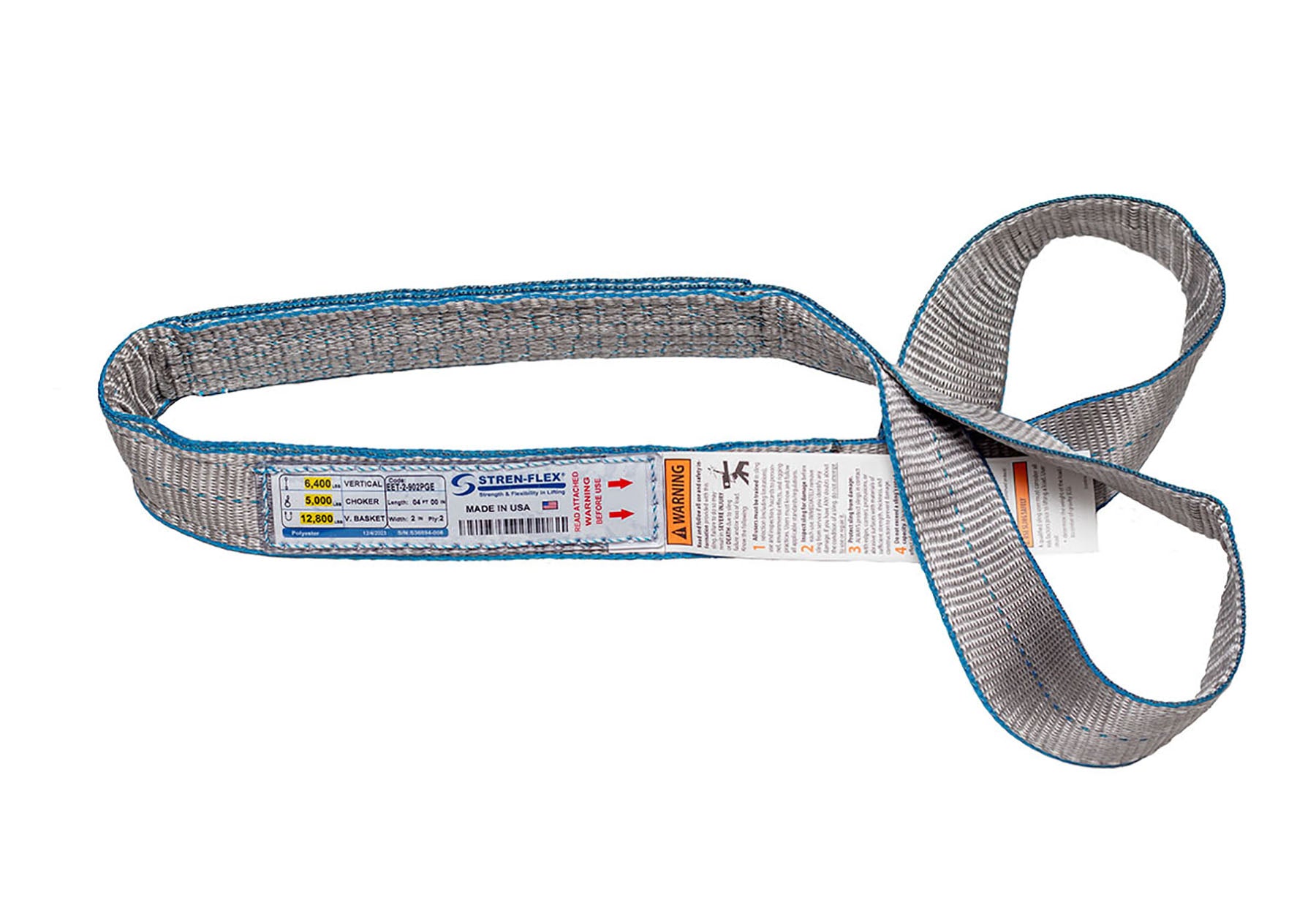 In Stock
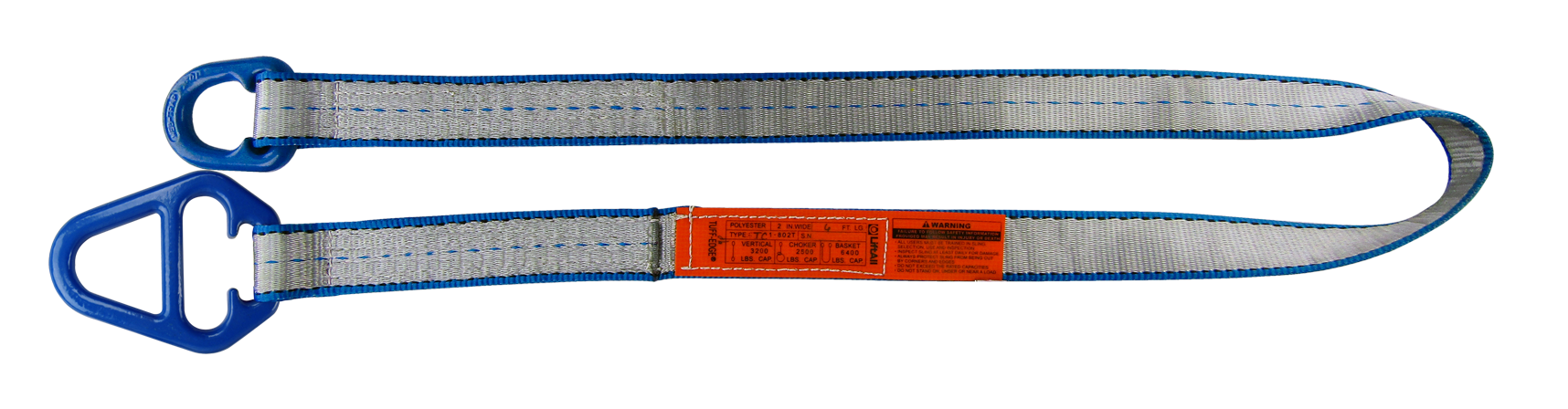 In Stock
 In Stock
 In Stock
 In StockIn Stock
 In Stock
 In Stock
 In StockIn Stock
 In StockIn Stock
 In StockIn Stock
 In StockIn Stock
 In StockIn Stock
 In StockIn Stock
 In StockIn Stock
 In StockIn Stock
 In StockIn Stock
 In StockIn Stock
 In StockIn Stock
 In Stock
 In Stock
 In StockIn Stock
 In StockIn Stock
 In StockIn Stock
 In StockIn Stock
 In StockIn StockIn StockIn StockIn StockIn StockIn StockIn StockIn StockIn StockIn StockIn StockIn StockIn StockIn StockIn Stock
 In StockIn StockIn StockIn StockIn StockIn StockIn StockIn StockIn StockIn StockIn StockIn StockIn StockIn StockIn StockIn StockIn StockIn StockIn StockIn StockIn StockIn StockIn StockIn StockIn StockIn StockIn StockIn StockIn StockIn Stock
Webbing Slings Buying Guide
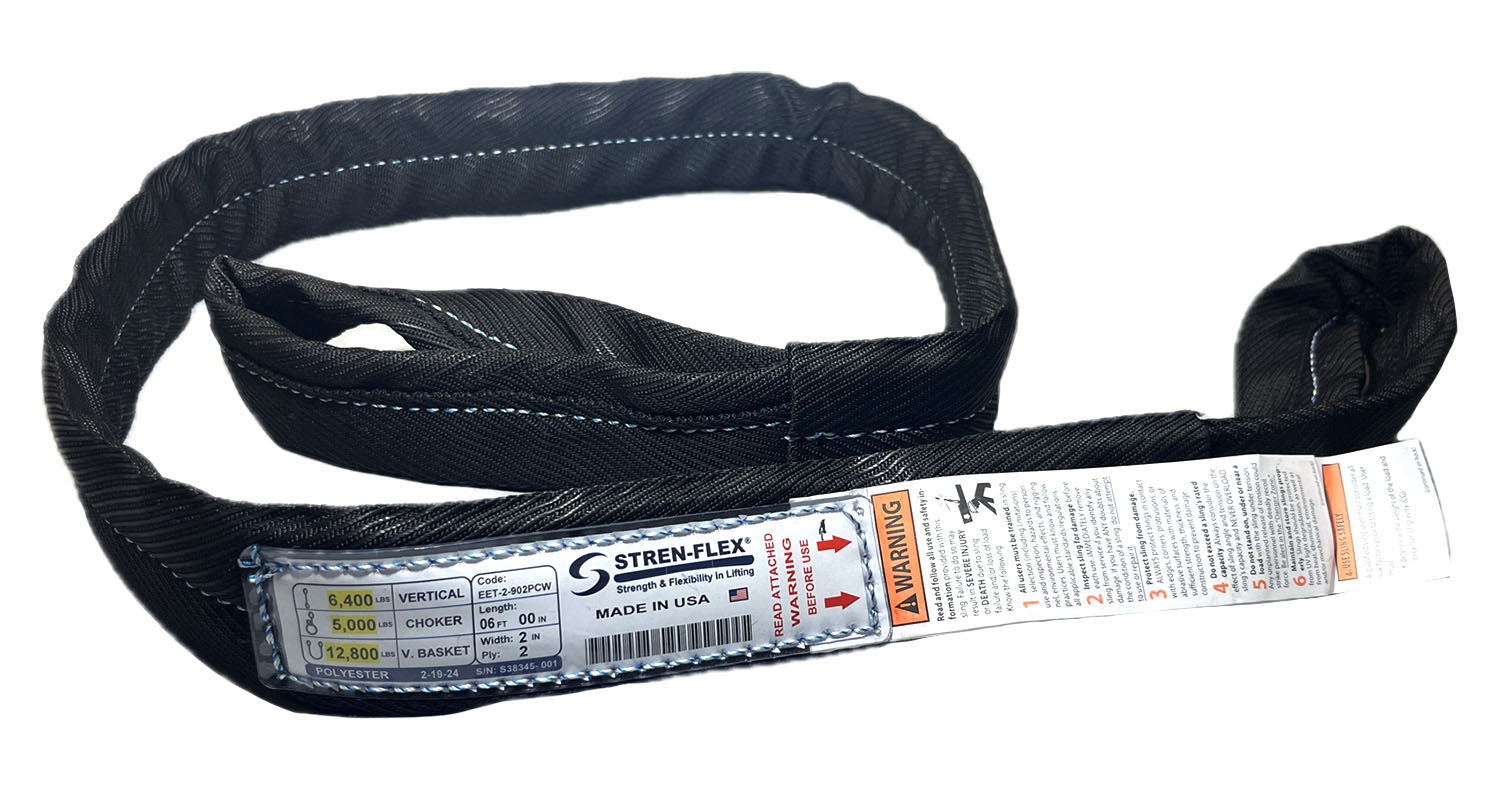
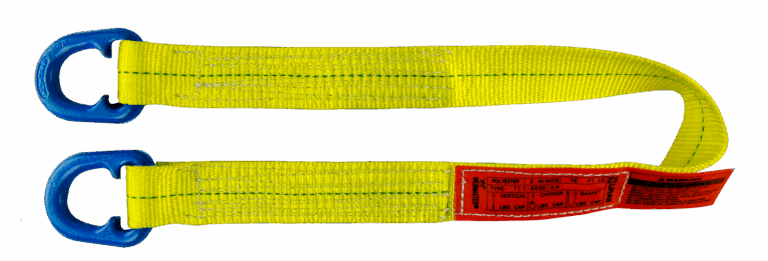
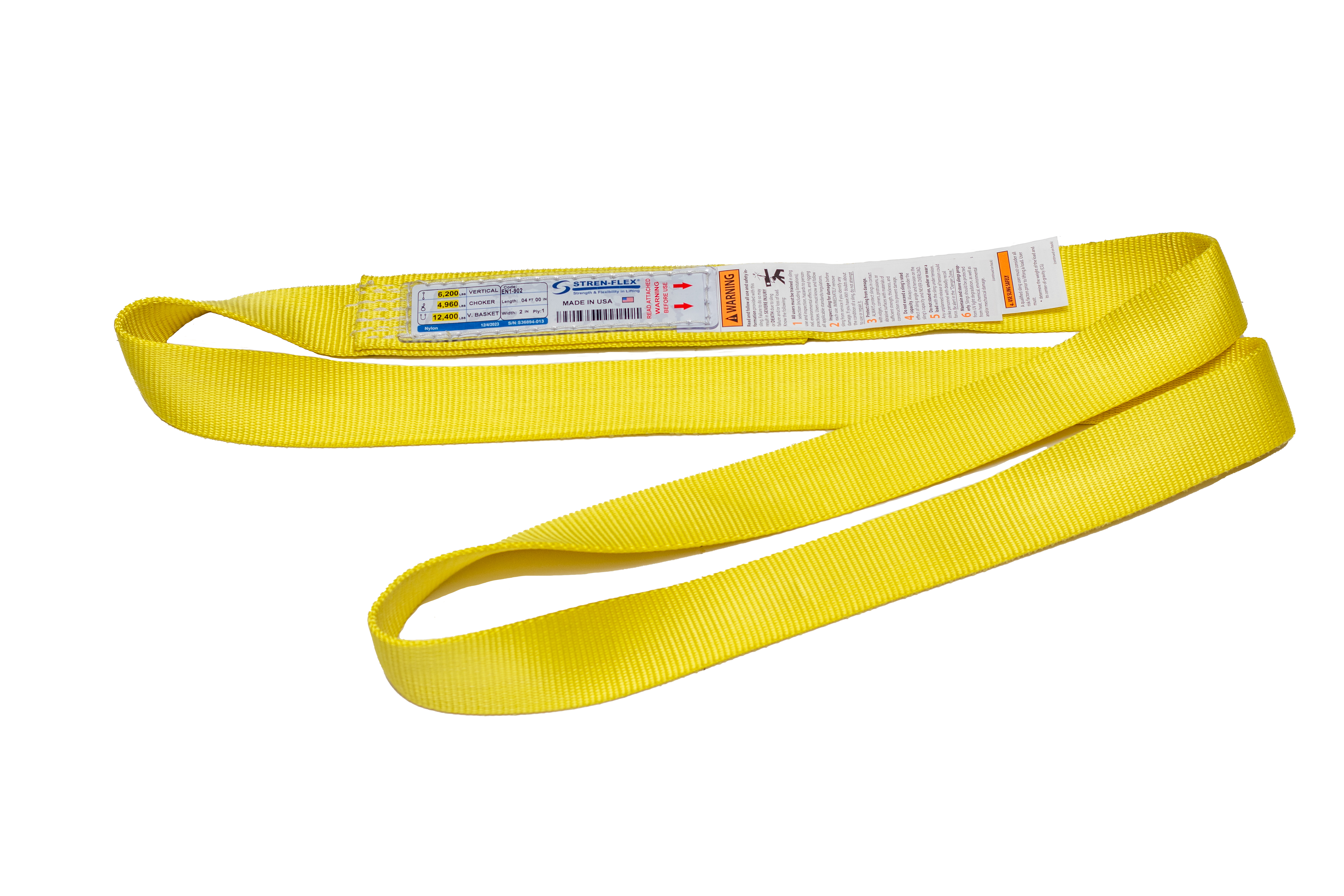
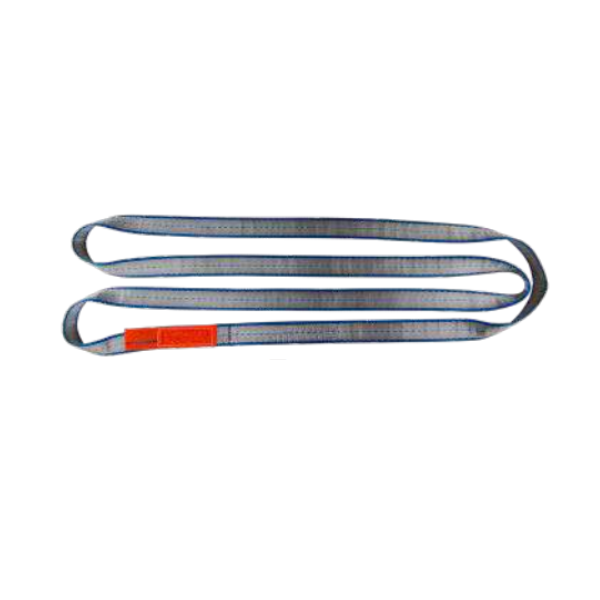
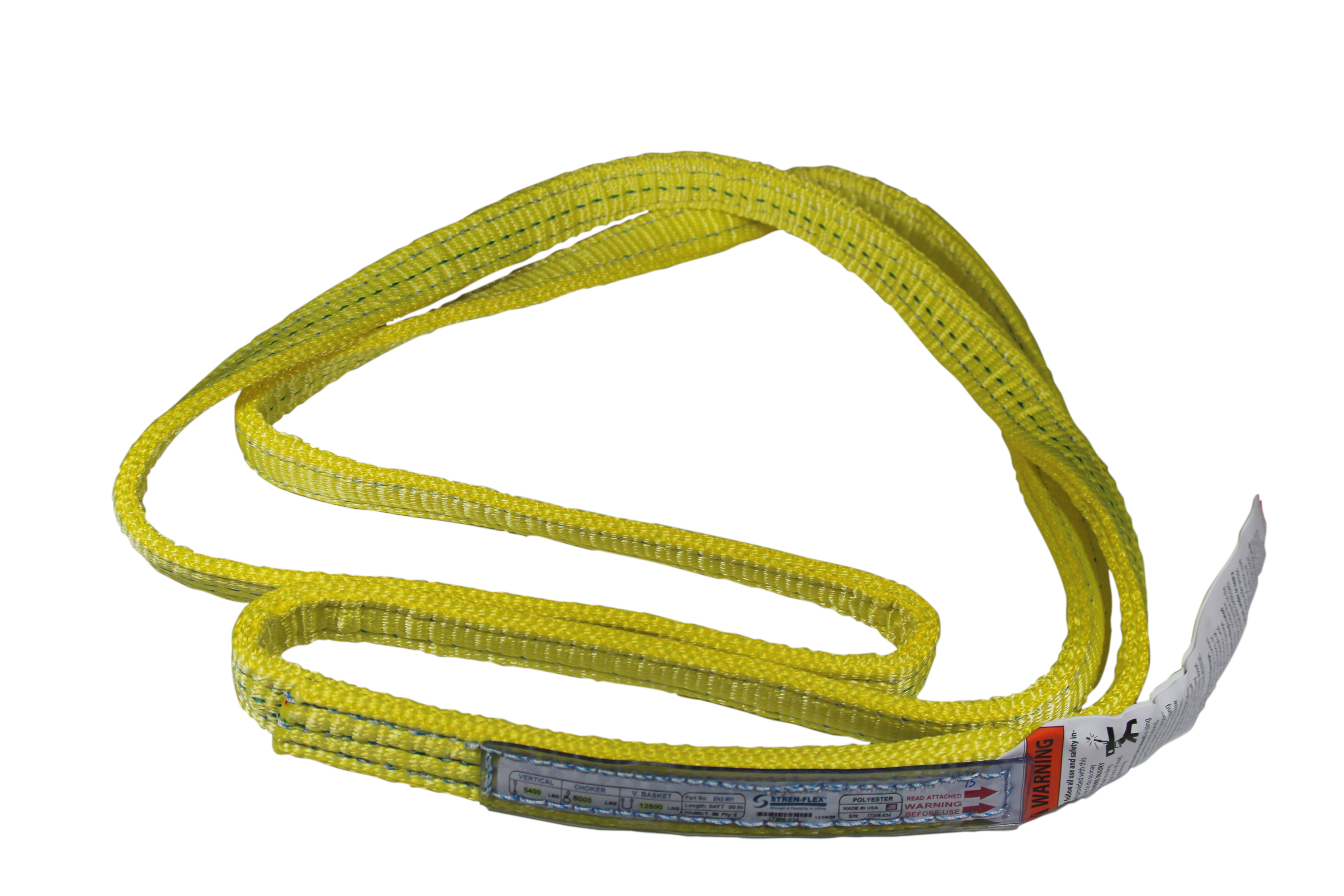
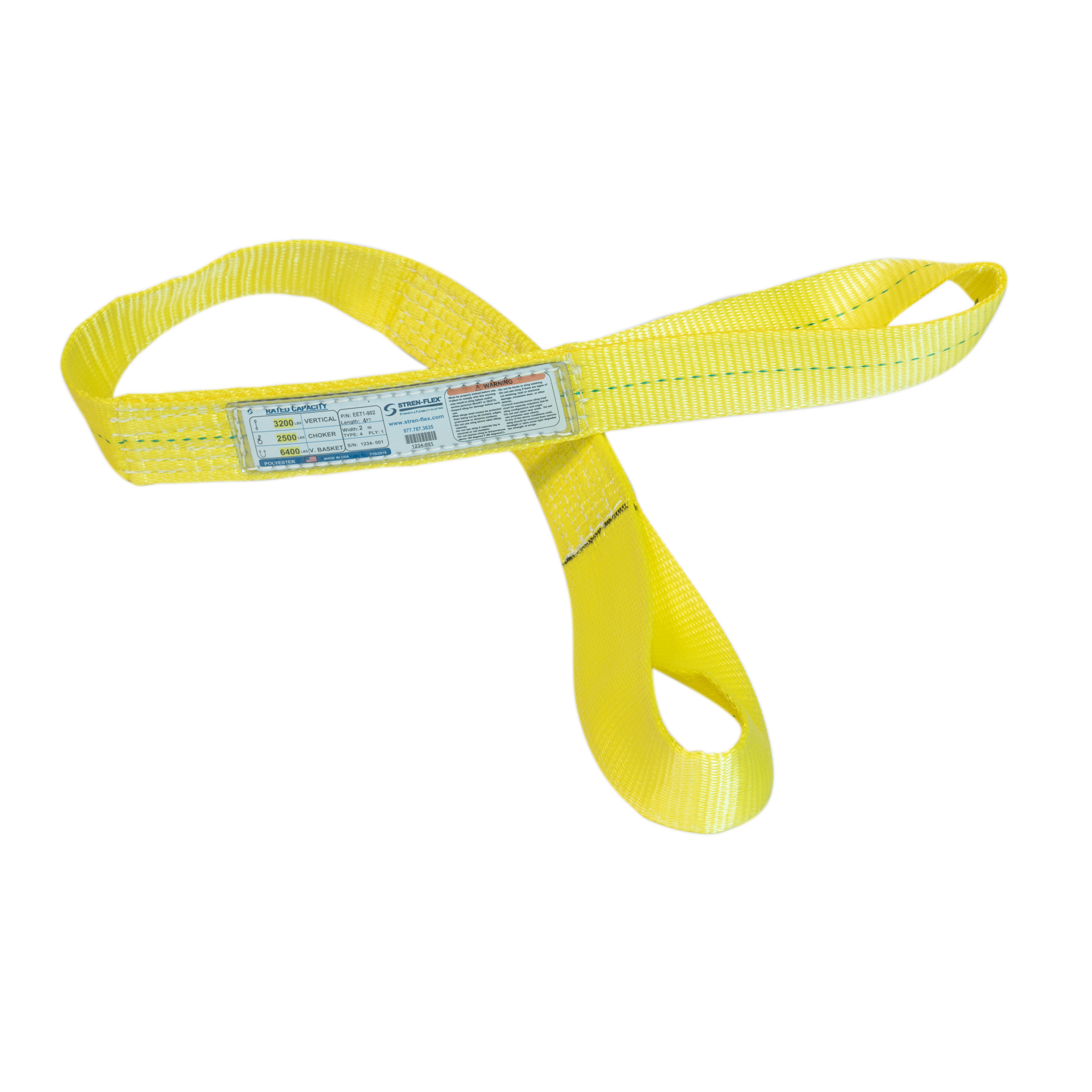
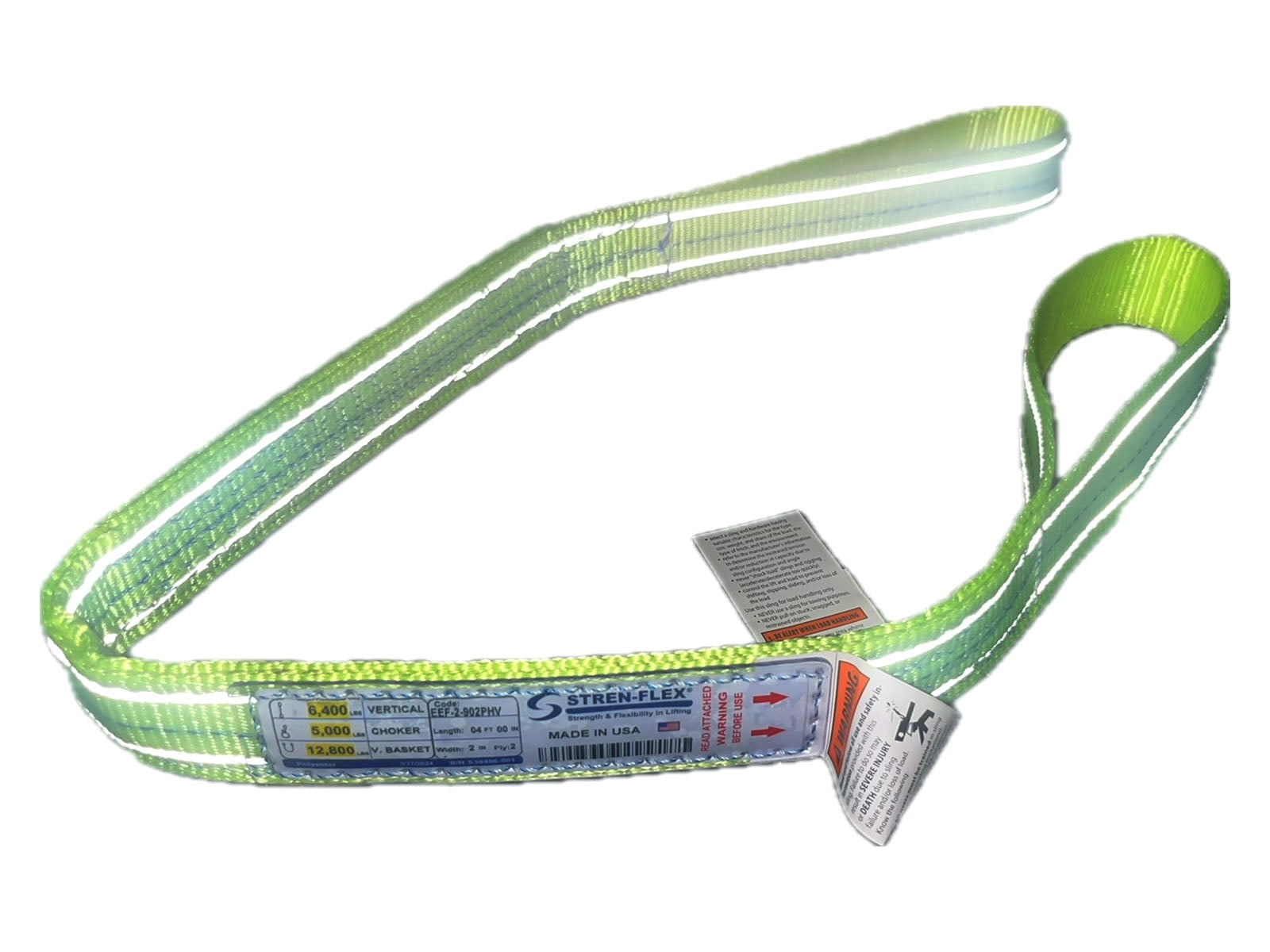
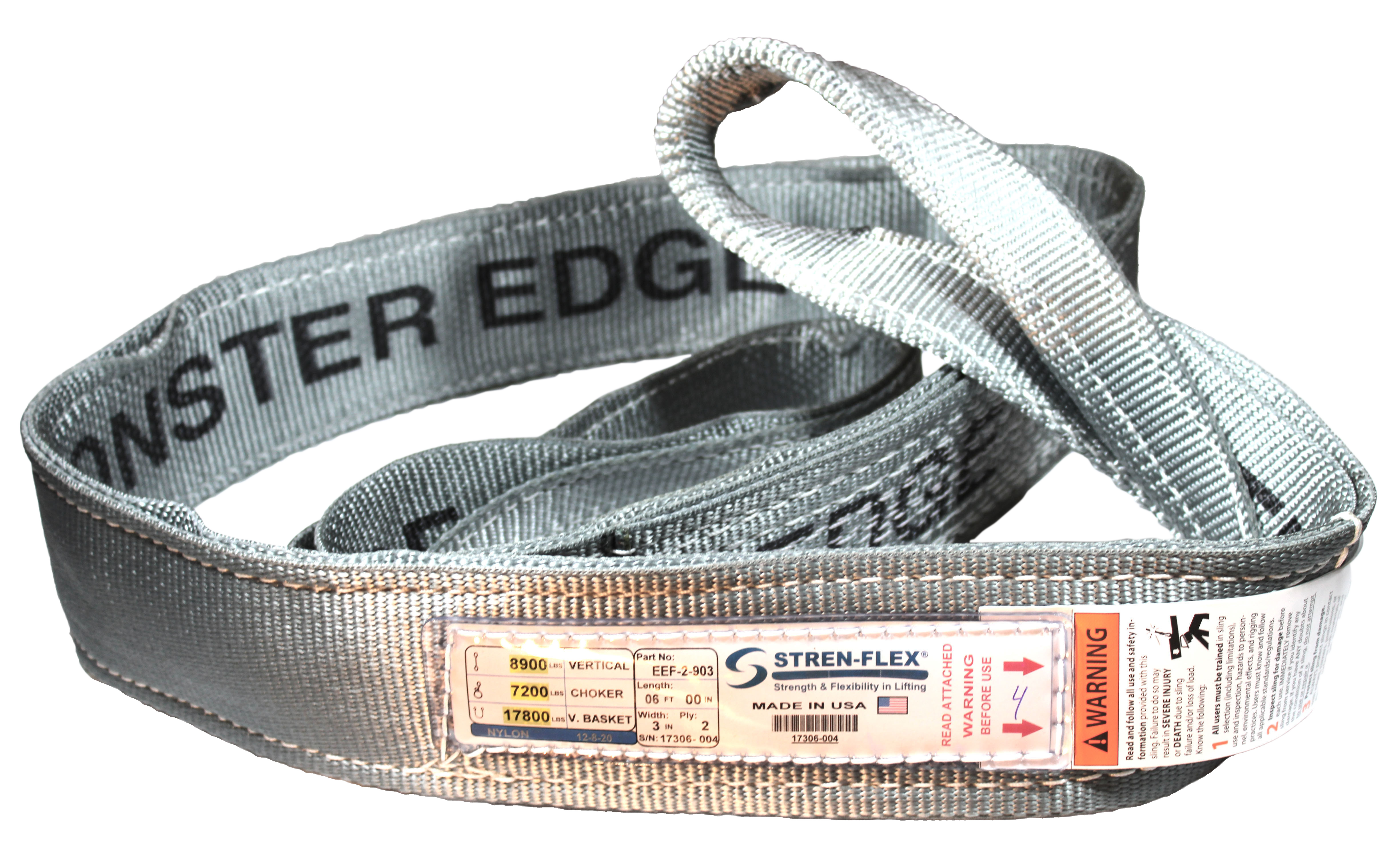
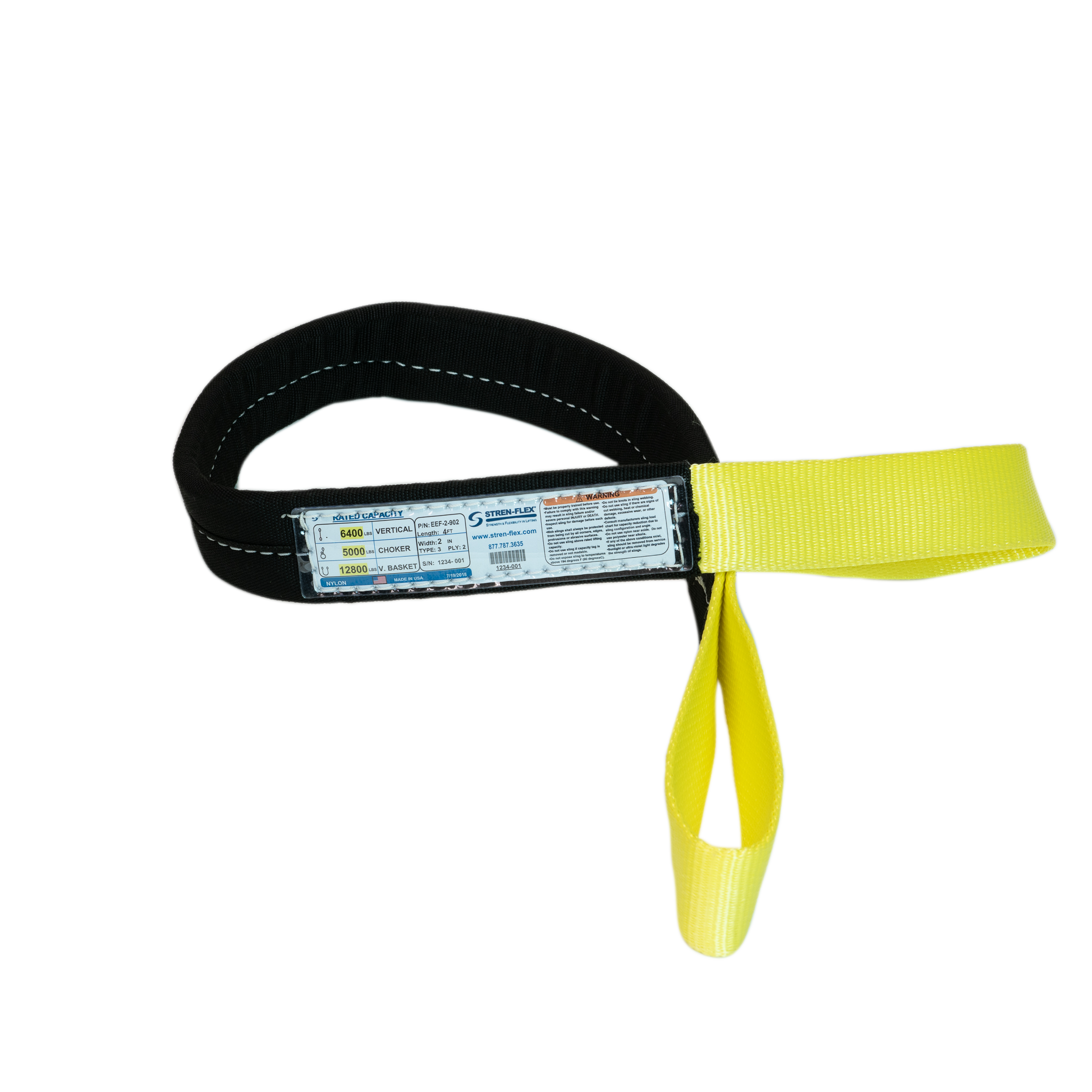
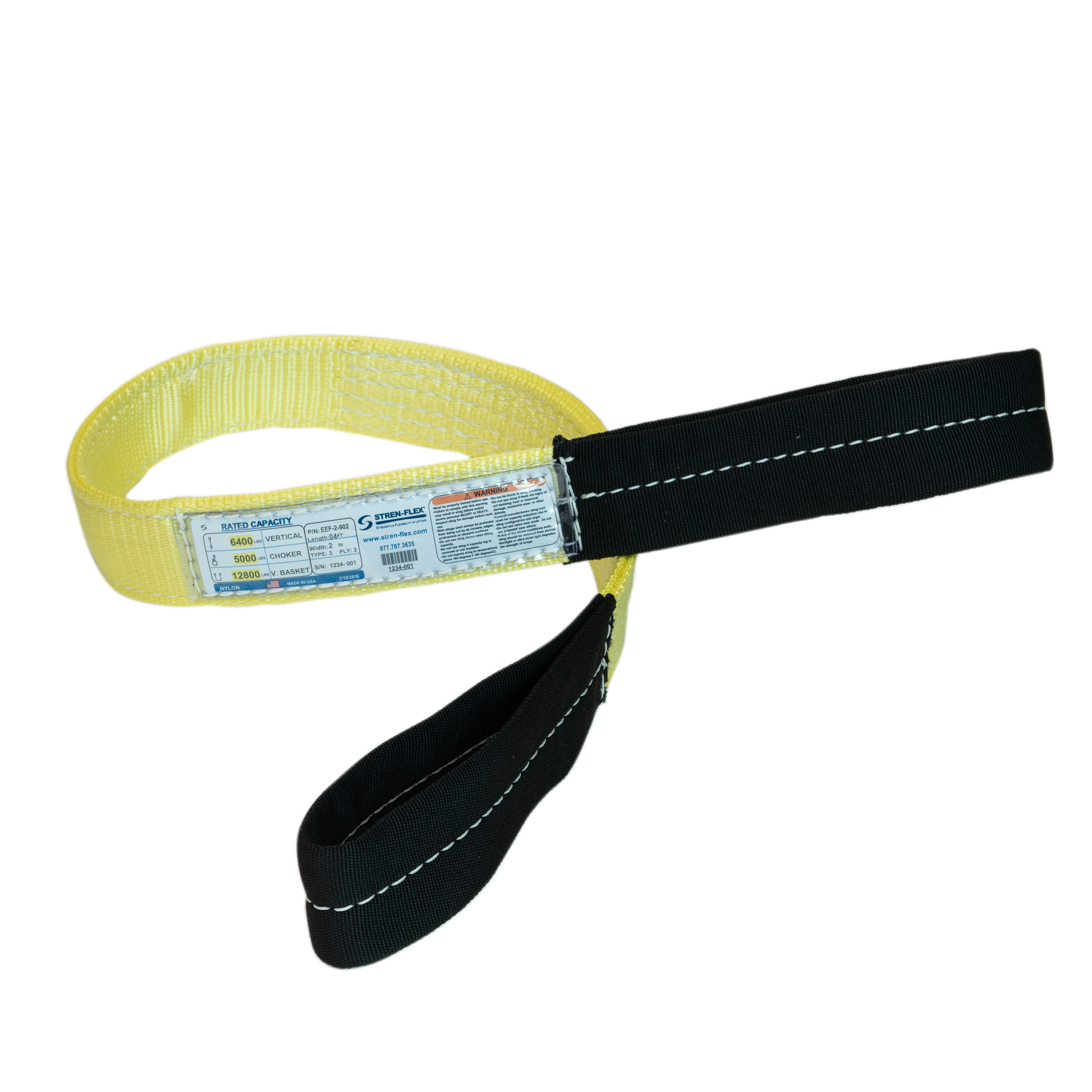
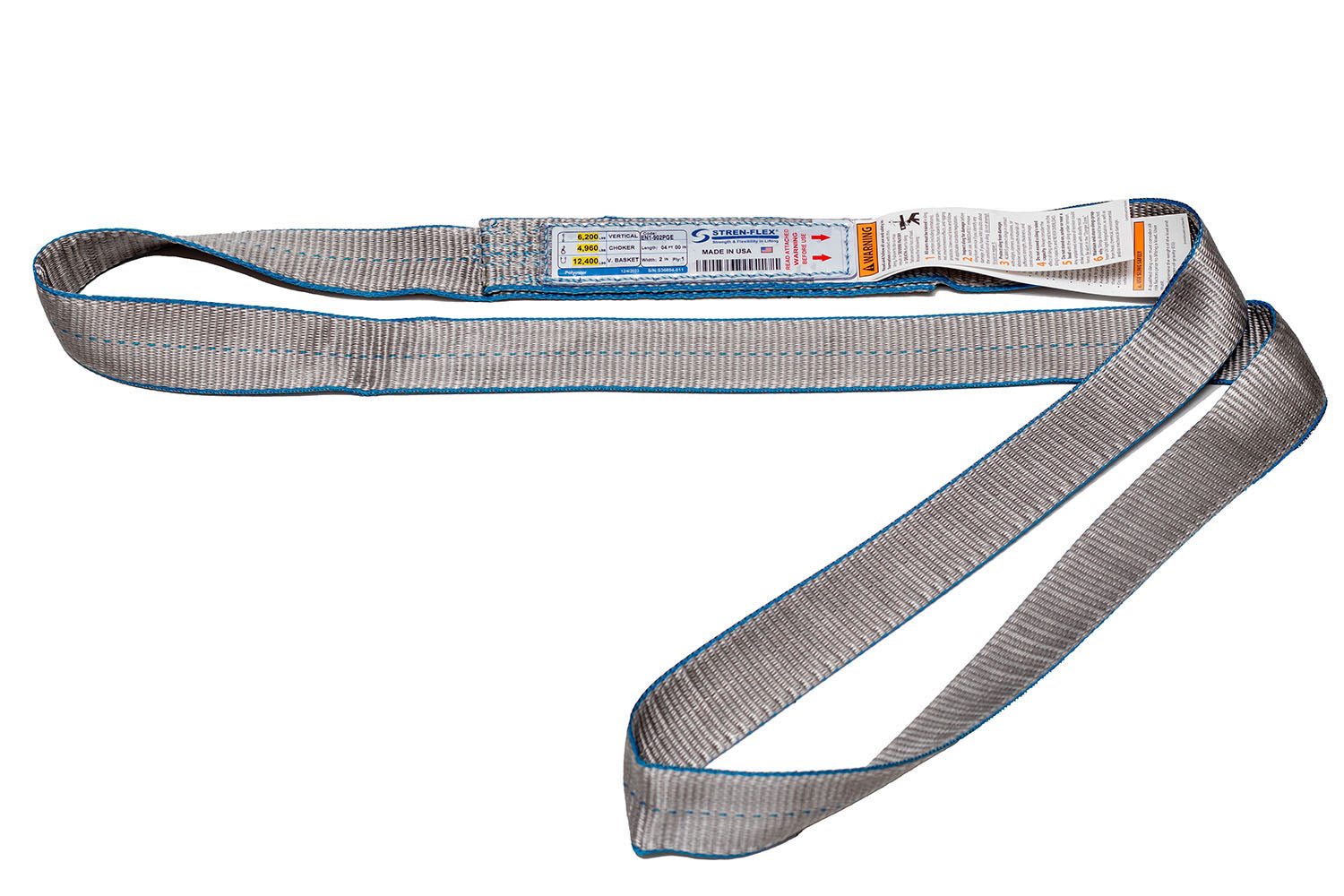
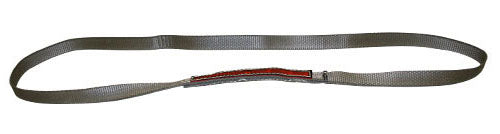
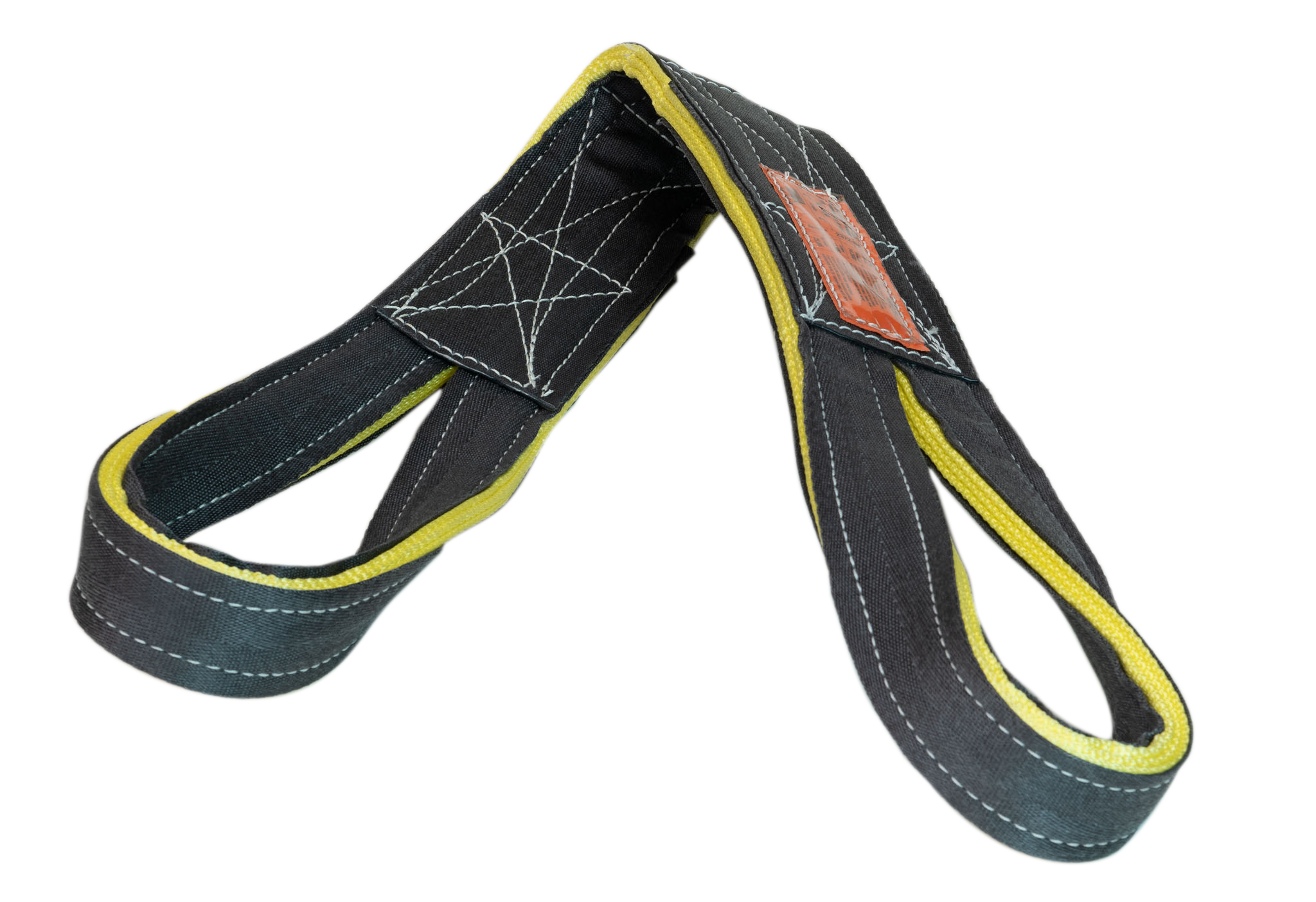
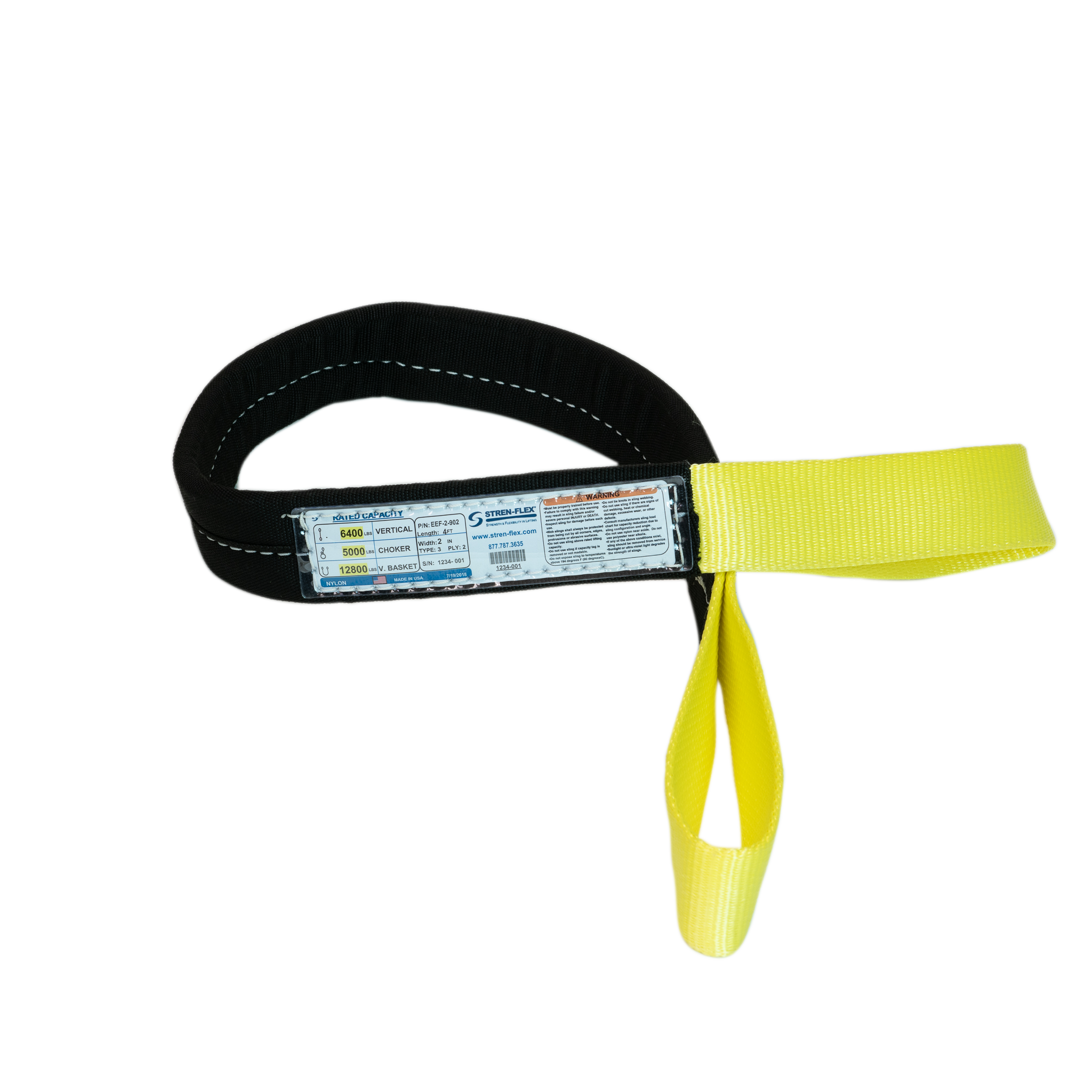
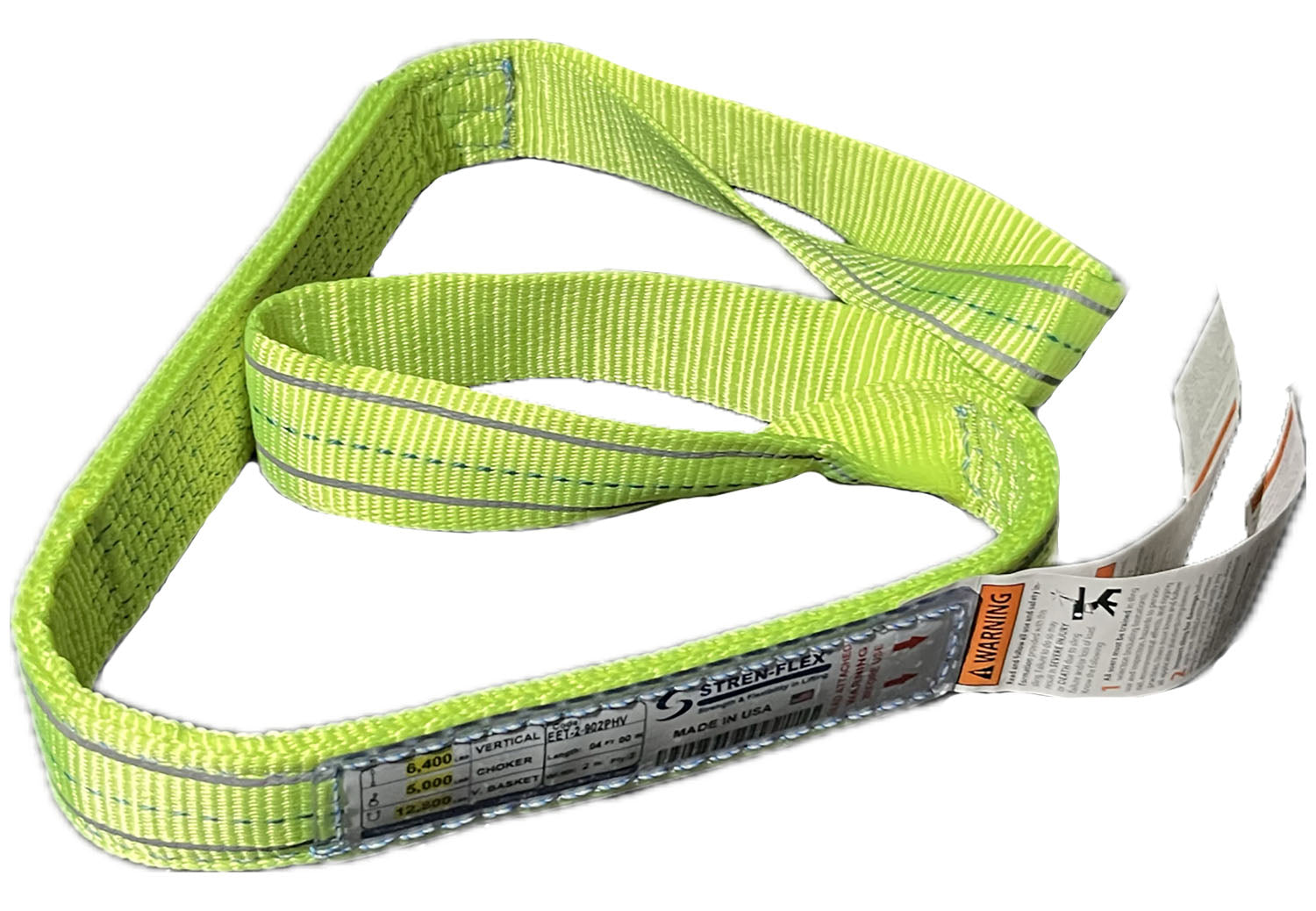
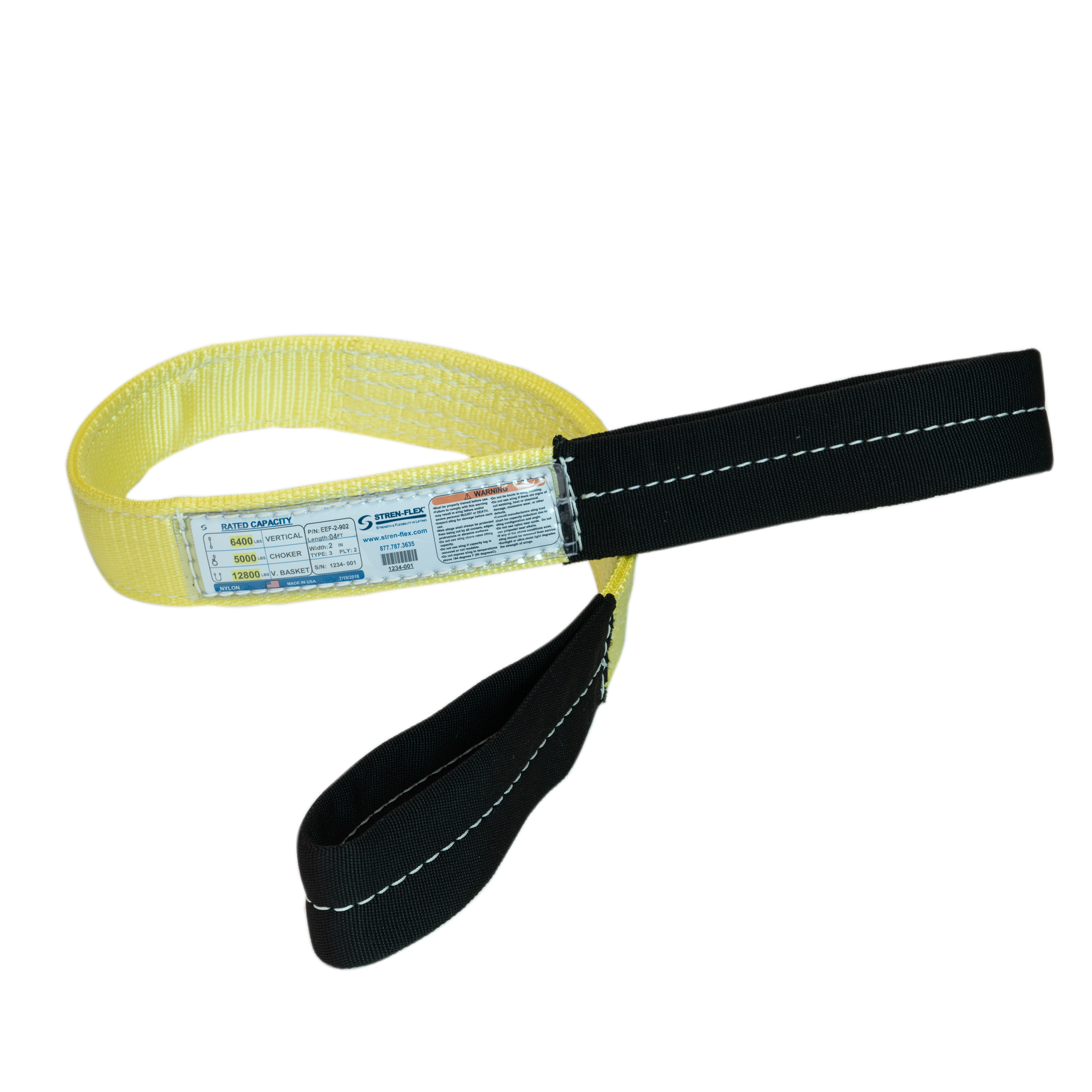
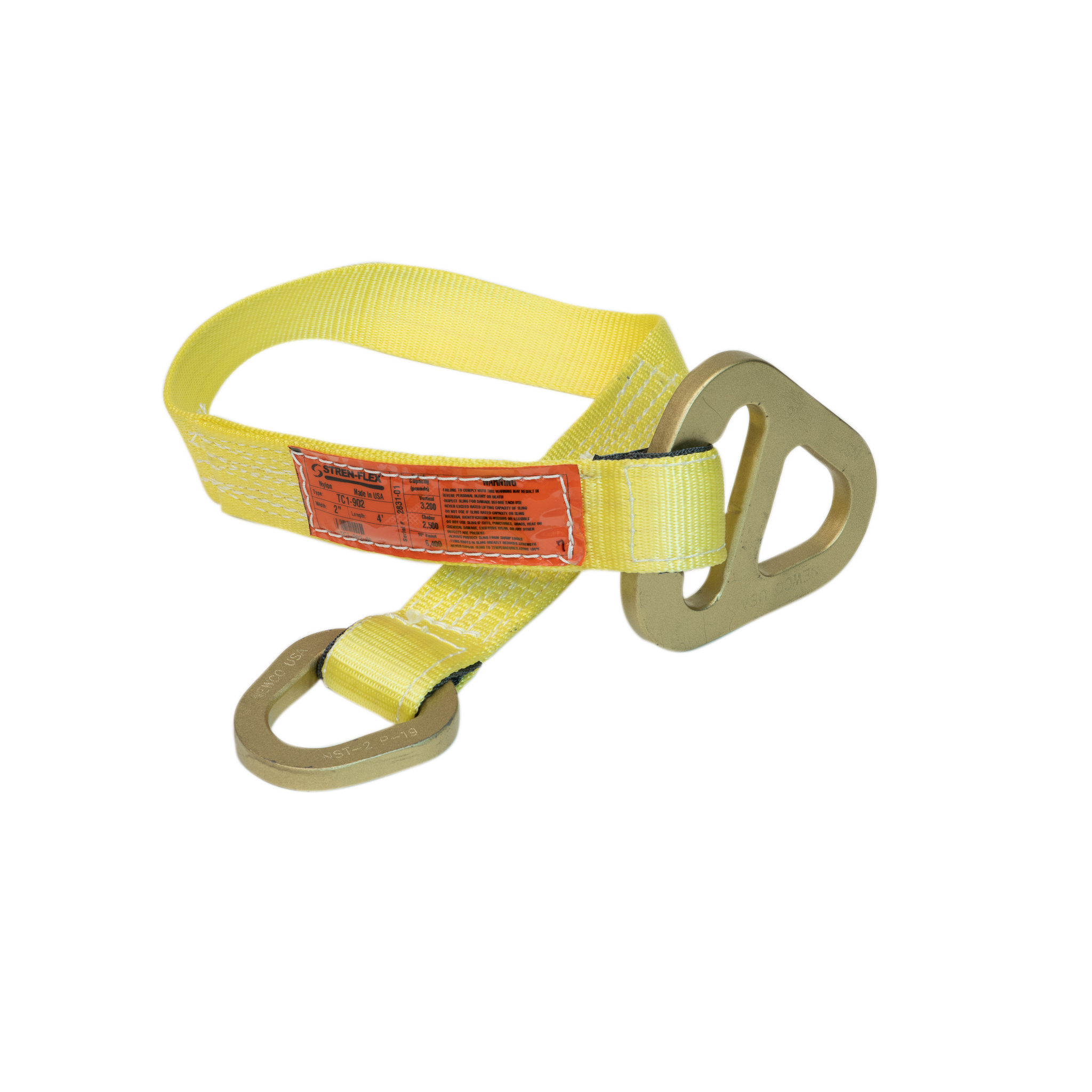
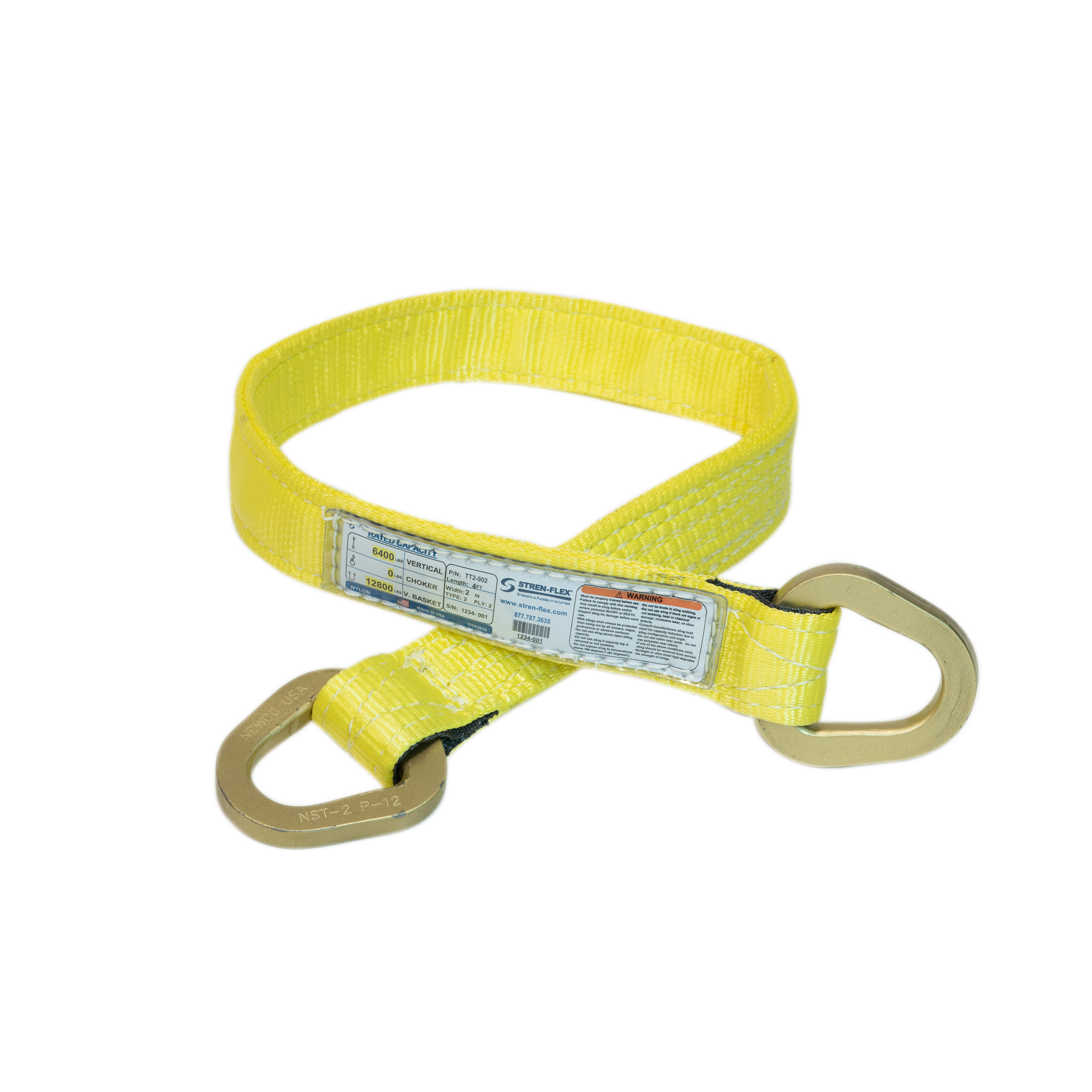
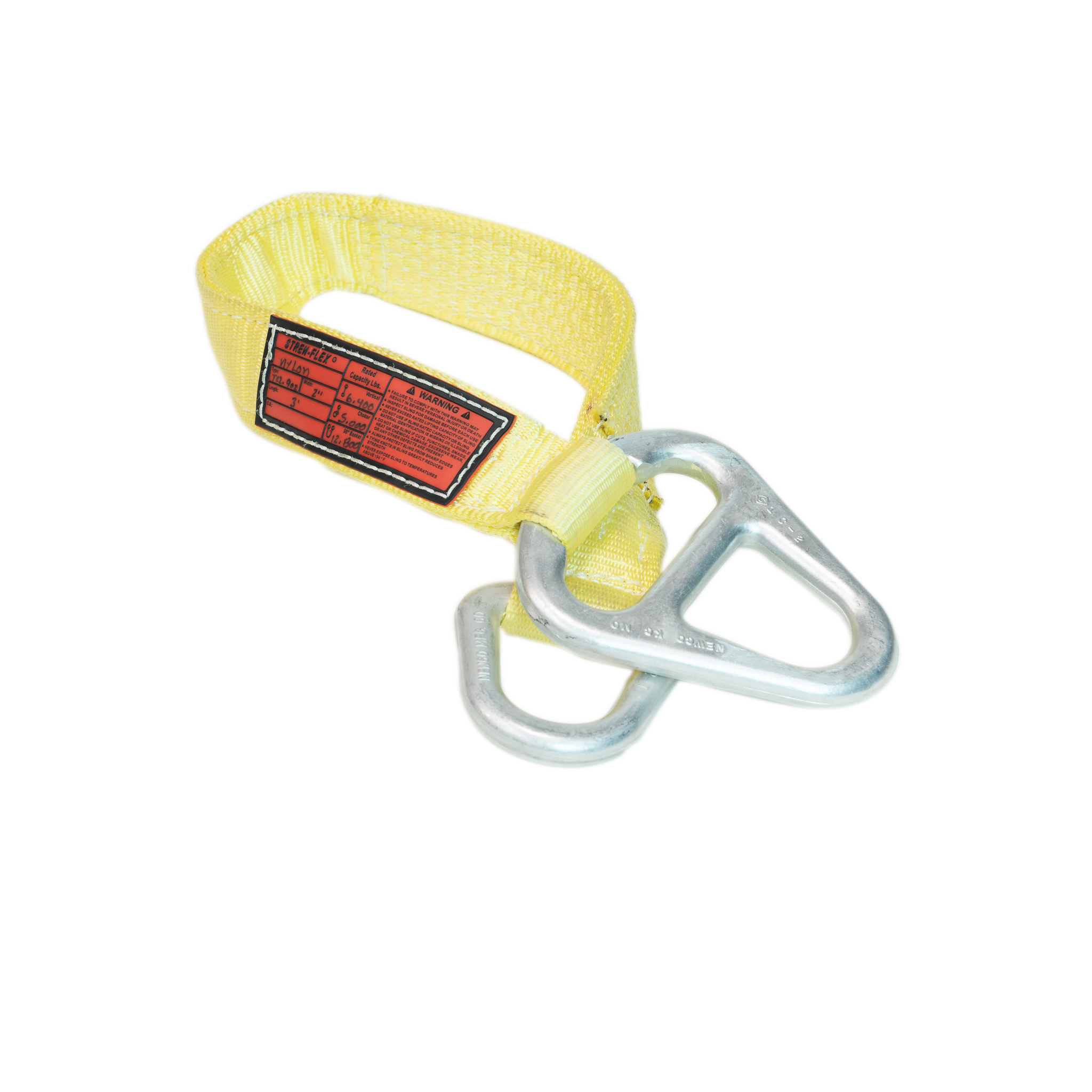
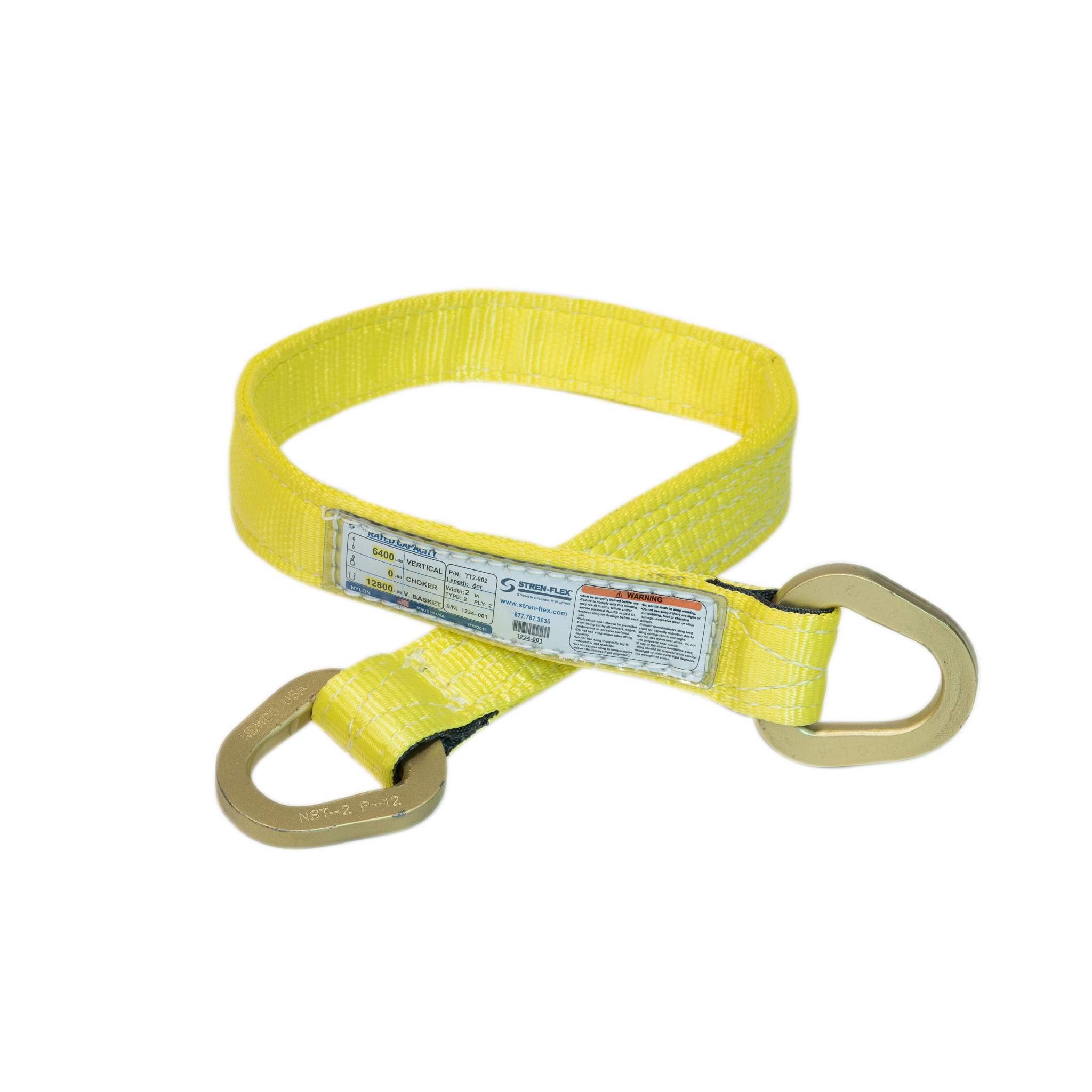
Eyes, endless, or hardware ends. Flat eye and eye slings are the general-purpose build: an eye at each end, at home in vertical, choker, and basket hitches. Twisted eye versions turn each eye 90 degrees to the body, so the eye stands open for hookup and the sling seats flat against the load in a choker, which is why crews that choke all day prefer them. Endless slings are a continuous loop; rotate the hook and load contact points between lifts and the wear spreads over the whole body instead of gnawing one spot. Reverse eye slings add wear protection and turned eyes for the harshest service. At 6 inches wide and up, fabric eyes turn bulky, so the Lift-All triangle hardware builds replace them with steel fittings: a triangle at each end for vertical and basket work, or a triangle and choker fitting when a wide sling needs to cinch. The single oblong builds cross over into web bridles for fixed multi-leg work.
Ply, width, and the arithmetic on the tag. Web sling capacity scales two ways. Width adds side by side: Tuff-Edge single ply carries 1,600 lb per inch of width in a vertical hitch, so the 1 inch flat eye sling tags at 1,600 lb and the 4 inch at four times that. Ply stacks layers: a 2-ply sling roughly doubles its single-ply rating, and Holloway Houston builds to 4-ply, at the cost of a thicker, stiffer sling that hugs the load less willingly. Then the hitch rewrites the number, with a choker delivering about 75 to 80% of vertical and a true basket up to double it, provided both legs rise vertically over generous contact. Buy width before ply when the goal is protecting the load, because width is what spreads bearing pressure across paint and thin walls. Length costs little: the Holloway Houston line runs 4 to 20 ft, and a longer sling that keeps bridle angles steep beats a short one pulling flat.
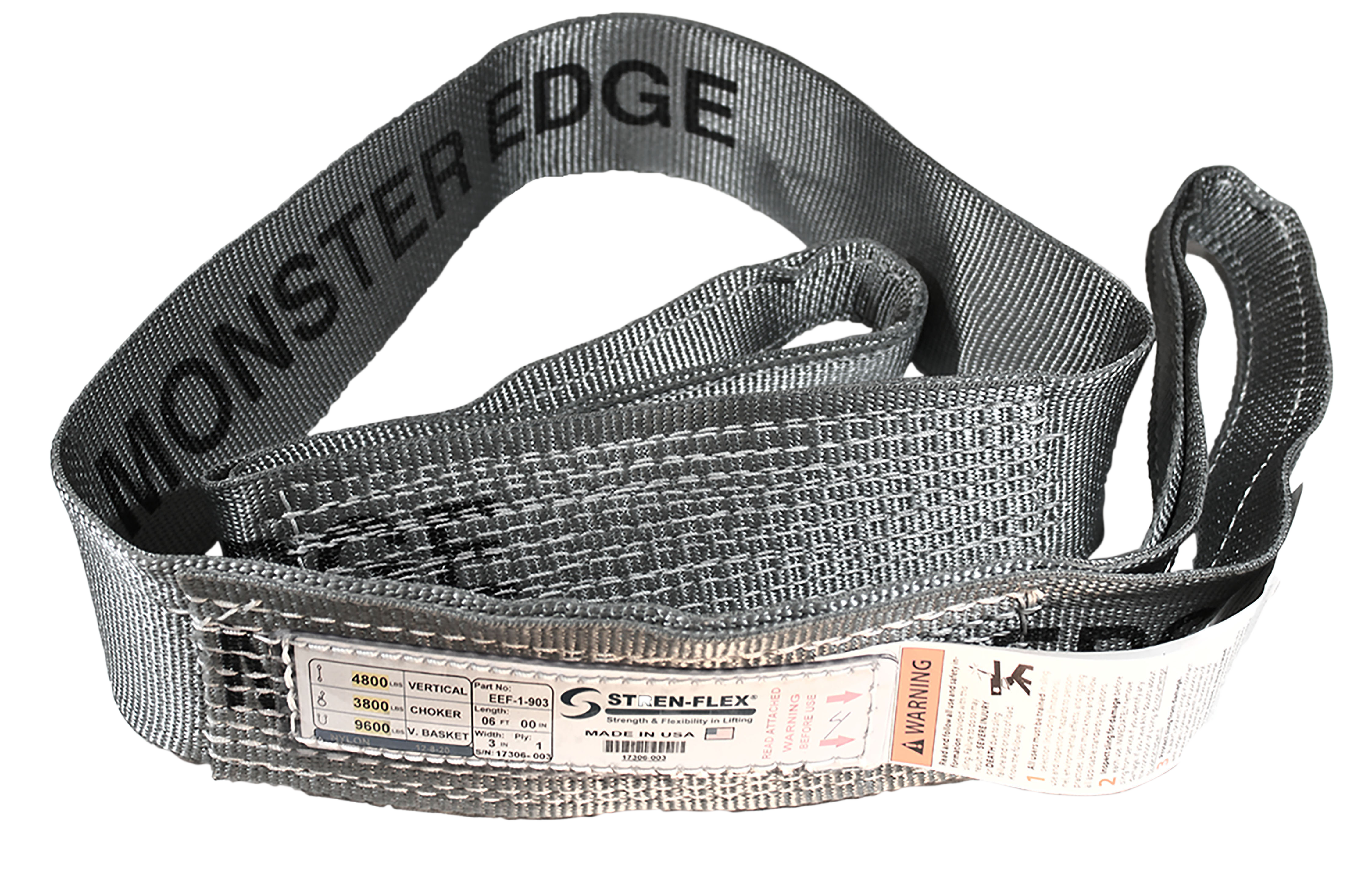
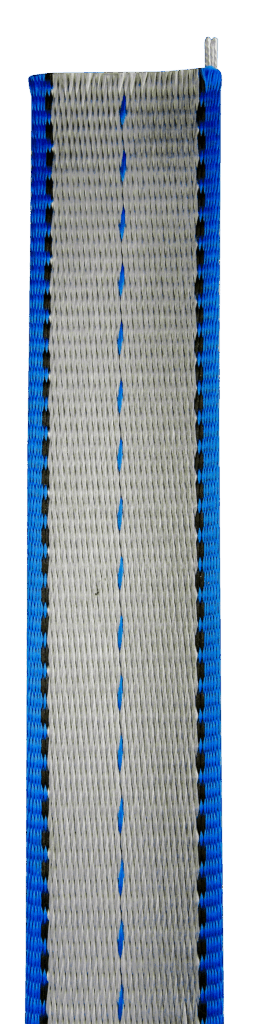
Tuff-Edge III earns its name where slings die. Web slings rarely fail across the body; they get cut at the edges, dragged over corners and crushed against fixtures until the edge yarns give. Lift-All's answer is a tubular edge woven over a damage-resistant core, which the company rates as 30% more resistant to edge damage than its previous webbing, in a softer twill weave that handles comfortably without gloves. The detail that matters most day to day is the Edge Damage Limiter, an out-of-service marker built into the edge that shows when damage has gone deep enough to retire the sling, taking the judgment call away from a hurried inspection. None of that repeals the physics. A loaded sling bent over a bare steel corner still concentrates the lift on one line of fibers, so pad every change of direction with sleeves or corner protection, and when the load is all edges and heat, rig chain slings instead and let the web sling live.
The limits: 180 F, chemistry, and sunlight. OSHA 1910.184 caps polyester and nylon web slings at 180 F, and polyester loses strength quietly well before anything visibly melts, so parts out of heat treat, fresh weldments, and steamed-down equipment belong to chain. Chemistry is a matched pair: polyester stands up to most acids but strong alkalis attack it, roughly the reverse of nylon, so check a compatibility chart before slings live around washdown chemicals or process splash. Sunlight is the slow killer. UV exposure bleaches the color and stiffens the hand, and strength goes with them, so slings store indoors, off the floor, away from windows. When a load needs more capacity in the same footprint, the polyester round slings next door pack higher ratings into an endless cover, and the two families cover most of a shop's synthetic rigging between them.
Retirement is a checklist, not a debate. ASME B30.9 and OSHA agree on the removal criteria for synthetic web slings, and they are concrete: a missing or illegible tag, cuts, snags, holes, or punctures, broken or worn stitching, melting, charring, or acid burns, knots anywhere in the sling, and excessive abrasion. On the Tuff-Edge line, the Edge Damage Limiter showing through joins that list as the maker's own tripwire. Inspect before each use, and run a documented periodic inspection on a schedule set by how hard the slings work. The economics make discipline painless: with Holloway Houston slings starting under $10 and most working sizes well under $100, a web sling is the cheapest component in the rig, and nothing about a lift improves by defending one past its criteria. Cut retired slings apart so they cannot wander back onto the rack.
Frequently Asked Questions
Each ply is a full layer of load-bearing webbing, so a 2-ply sling carries roughly twice what the same width does in single ply, and Holloway Houston builds to 4-ply. More plies also mean a thicker, stiffer sling that conforms less to the load, so shops usually step up in width first and add ply when width runs out.
Two pressures decide it: capacity, at 1,600 lb per inch of width per ply vertical on the Tuff-Edge line, and bearing surface, since a wider face spreads the load across paint, polish, and thin walls. If the load is delicate, buy wider than capacity alone requires. Above 6 inches, expect triangle hardware ends instead of fabric eyes.
Flat eyes are the default for vertical and basket hitches. Twisted eyes are turned 90 degrees to the sling body, which lets the sling lie flat against the load in a choker while the eye presents squarely to the hook. Crews that choke most of their lifts find twisted eyes noticeably faster and neater to rig.
OSHA 1910.184 sets the ceiling at 180 F for polyester and nylon web slings, and strength loss starts before damage is visible. Treat anything uncomfortable to hold as out of bounds, and move hot work to Grade 100 chain, which stays fully rated to 400 F.
At a missing or unreadable tag, cuts, snags, holes, broken stitching, heat glaze or charring, acid damage, knots, or heavy abrasion, per ASME B30.9 and OSHA. On Tuff-Edge slings, the built-in Edge Damage Limiter showing through is an automatic retirement. Any doubt goes to a qualified person, and the sling waits until they rule.
Web slings put the widest, gentlest face on the load and shine on finish-critical and thin-walled lifts. Round slings pack more capacity per pound into an endless loop and let you rotate wear points between lifts. Many shops run both: webbing where the surface matters, round slings for general work, chain for the ugly lifts.