Rigging Hardware
Rigging hardware is the detachable gear that connects the hook to the load: the shackles, hooks, and links that carry a rated load and come apart again between lifts. This collection is the essentials set, the parts a shop reaches for first. It pairs Green Pin bow shackles in screw pin and safety bolt patterns and William Hackett Grade 100 hooks and connectors with the slings they clip to, color-coded Holloway Houston round slings, polyester webbing slings, and an assembled William Hackett 4-leg Grade 100 chain sling. Ratings run from a third of a tonne on the smallest shackle to 100,000 lb on the heaviest round sling. A rig is only ever as strong as its weakest piece, so the real work on this page is matching components that can carry each other's load. The sections below walk the buying decisions in order and flag the ASME numbers to check before anyone picks the load.
Compare Rigging Essentials
| Model | Price | Capacity | Overall Length | |
|---|---|---|---|---|
| Holloway Houston Inc. LES Heavy Duty Round Sling Kit | $600 | 16,800 lb | — | View → |
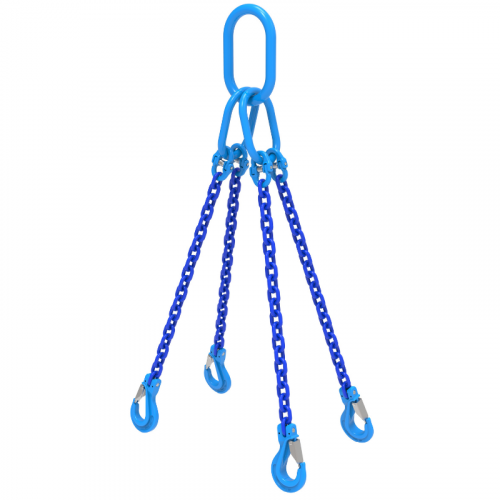
| WH 5/16 Inch Dia. x WLL 12100lbs 4-Leg Grade 100 Chain Slings | $454 | 12,100 lb | 3-30 ft | View → |
| Holloway Houston Inc. Olive Round Sling 100,000lbs | $107 | 200,000 lb | 3-30 ft | View → |
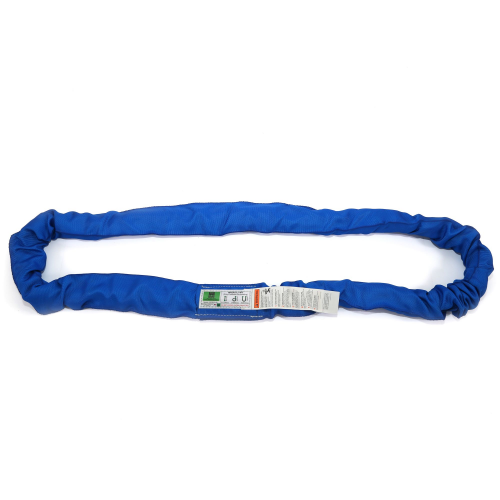
| Holloway Houston Inc. Blue Round Sling 21,200lbs | $29 | 42,400 lb | 3-30 ft | View → |
| WH Grade 100 Clevis Sling Hook | $24 | 3,000-22,000 lb | — | View → |
| Holloway Houston Inc. Red Round Sling 13,200lbs | $20 | 26,400 lb | 3-30 ft | View → |
 In Stock
 In Stock
 In Stock
 In Stock
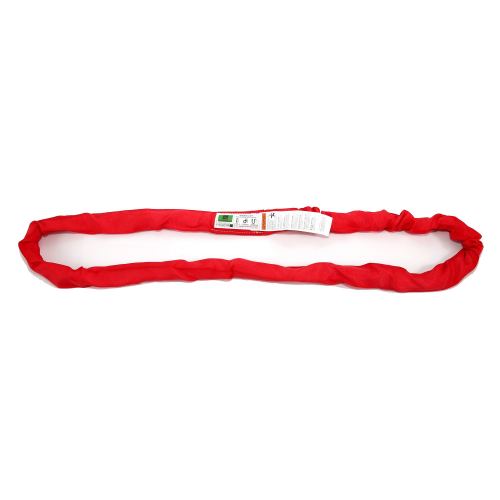 In Stock
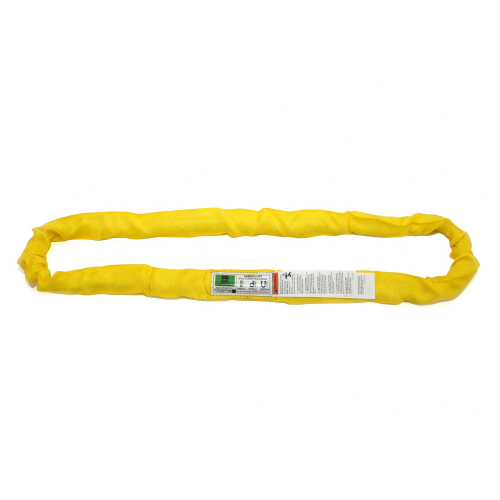 In Stock
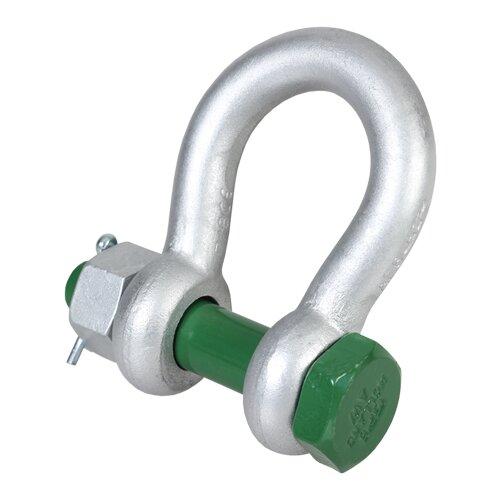 In Stock
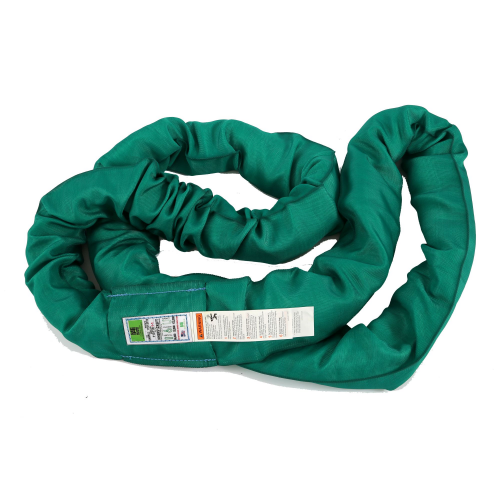 In Stock
 In Stock
 In Stock
 In Stock
Rigging Essentials Buying Guide
What counts as rigging hardware, and what this page bundles. The standard that governs this gear, ASME B30.26, names the family precisely: shackles, links, rings, swivels, turnbuckles, eyebolts, hoist rings, and wire rope clips, the detachable pieces that connect a load to the equipment above it. This collection carries the working core of that list and pairs it with the flexible connection on the other side, the sling. For the deeper hardware bench, rigging equipment goes further on shackles and connectors, and lifting slings covers the sling families end to end. What lives here is the starter kit: a couple of shackles, the hooks and connectors, and a sling or two, and you can rig most everyday picks without hunting across five pages to do it.
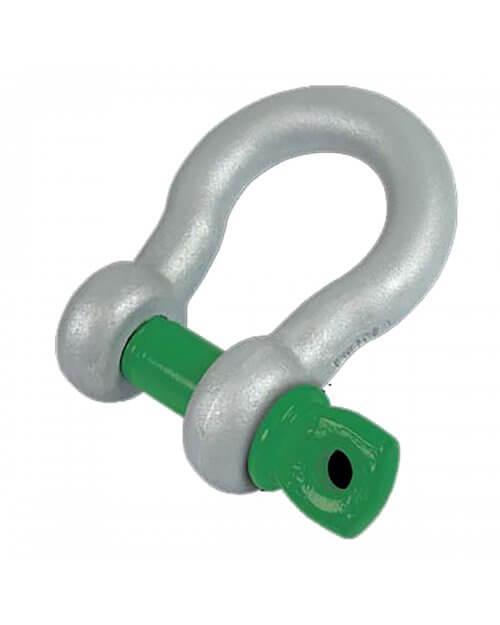
Start with the working load limit, and know what stands behind it. Every rated part here carries a working load limit, the most it may hold in normal service, and behind that number sits a design factor. Green Pin builds its shackles from quenched and tempered high tensile steel with a minimum breaking load of 6 times the WLL, so a 1/2 inch shackle rated 2 tonnes (about 4,400 lb) does not let go until well past 26,000 lb. That factor absorbs shock, wear, and the abuse hardware collects in service; it is not spare capacity for you to spend. The catch is that the weakest component sets the whole rig. Hang a 13,200 lb red round sling from a shackle rated 7,100 lb and you own a 7,100 lb rig, not a 13,200 lb one. Buy hardware that at least matches the sling, and when the pick calls for plate or beam grabs instead, that is lifting clamps and screw-in lifting points.
Screw pin or bolt-type shackle. Both Green Pin lines here are bow shackles, the rounded anchor pattern that collects two or three sling legs, or takes a single leg at an angle, without jamming the sling against the body. The choice is the pin. The G-4161 screw pin threads in and out in seconds and is right for pick-and-place work rigged and stripped the same day; its weakness is that friction and vibration can back the pin out, so tighten it before every lift and never use one where the pin can rotate under load. The G-4163 safety bolt closes that gap with a bolt, nut, and cotter pin that cannot unscrew, the pick for connections that stay rigged for days, loads that can spin, and anything that cycles. The price gap is small, the G-4161 starts at $5.56 and the G-4163 at $15.51, so when in doubt, buy the bolt. The screw pin scales to 55 tonnes and the bolt-type to 85.
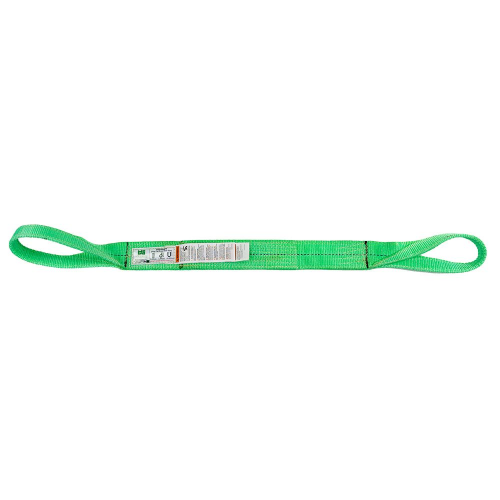
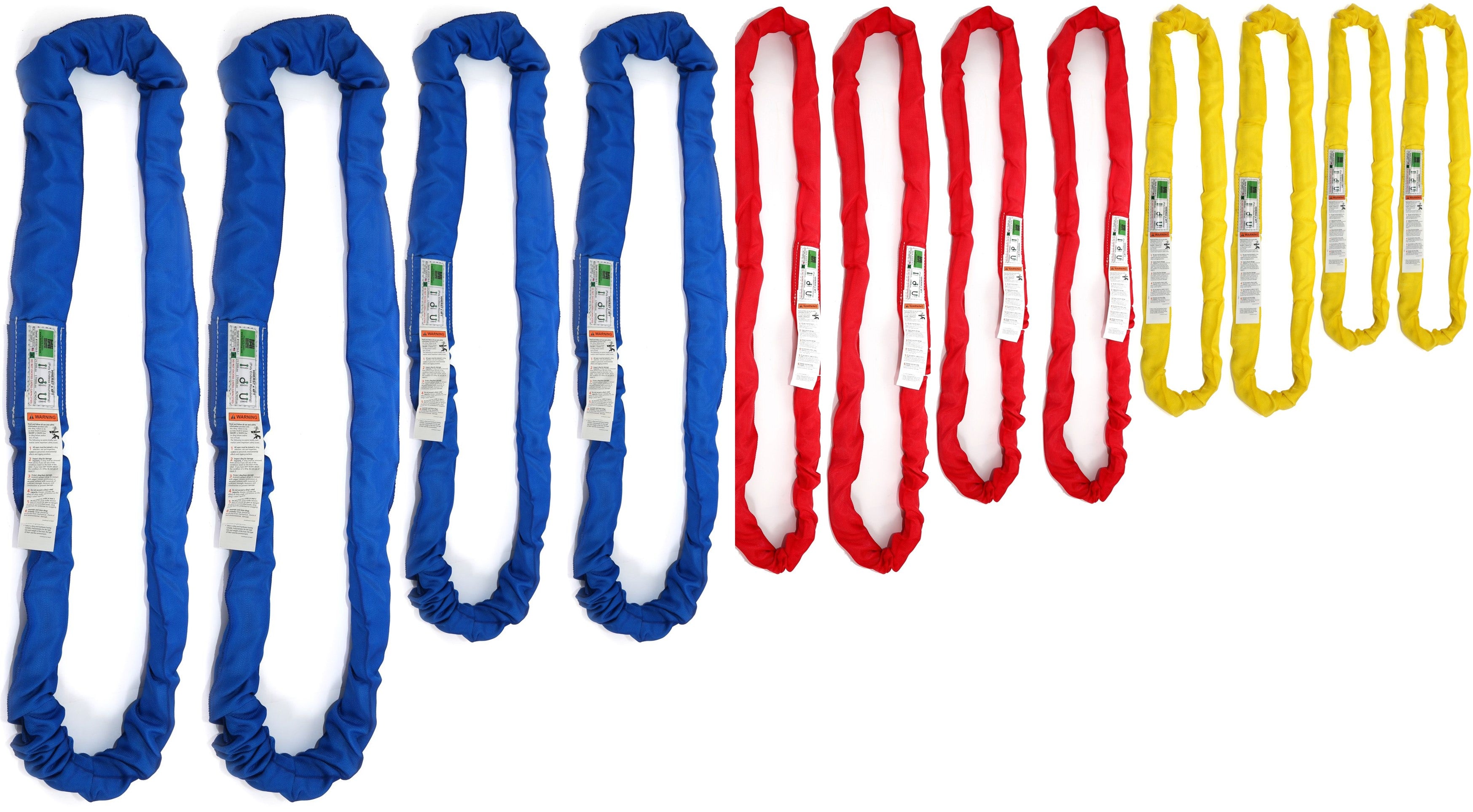
The slings: round, web, and chain. Three sling families cover the flexible side of the rig. Round slings are endless polyester yarns inside a woven cover, the cheapest capacity per pound and the easiest to rig; ours follow the US color sequence, yellow at 8,400 lb vertical, red at 13,200, blue at 21,200, up to olive at 100,000. Webbing slings are flat polyester straps that spread the load across their face to protect painted and polished surfaces, built in 1 through 4 ply. And the assembled William Hackett 4-leg Grade 100 chain sling here, rated 12,100 lb, handles the hot, sharp, abrasive lifts that cut synthetics apart. Whatever the family, the hitch and the angle reset the rating. A choker gives roughly 75 to 80% of the vertical number, and on a two-leg pick the tension in each leg climbs as the legs flatten, reaching double the naive split at 30 degrees from horizontal. Longer slings stand at a steeper, safer angle, so buy the length that keeps your legs at 60 degrees or better.
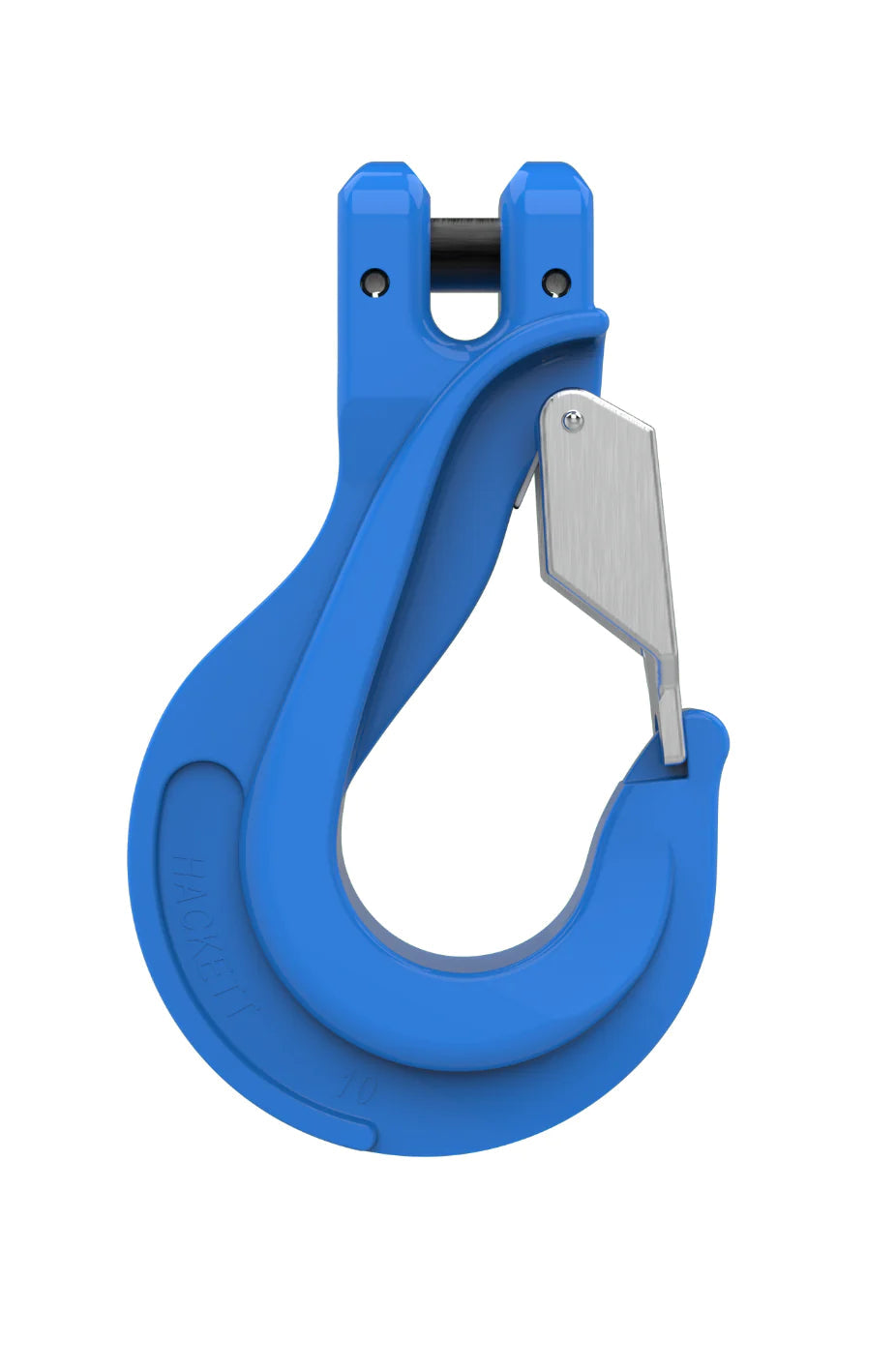
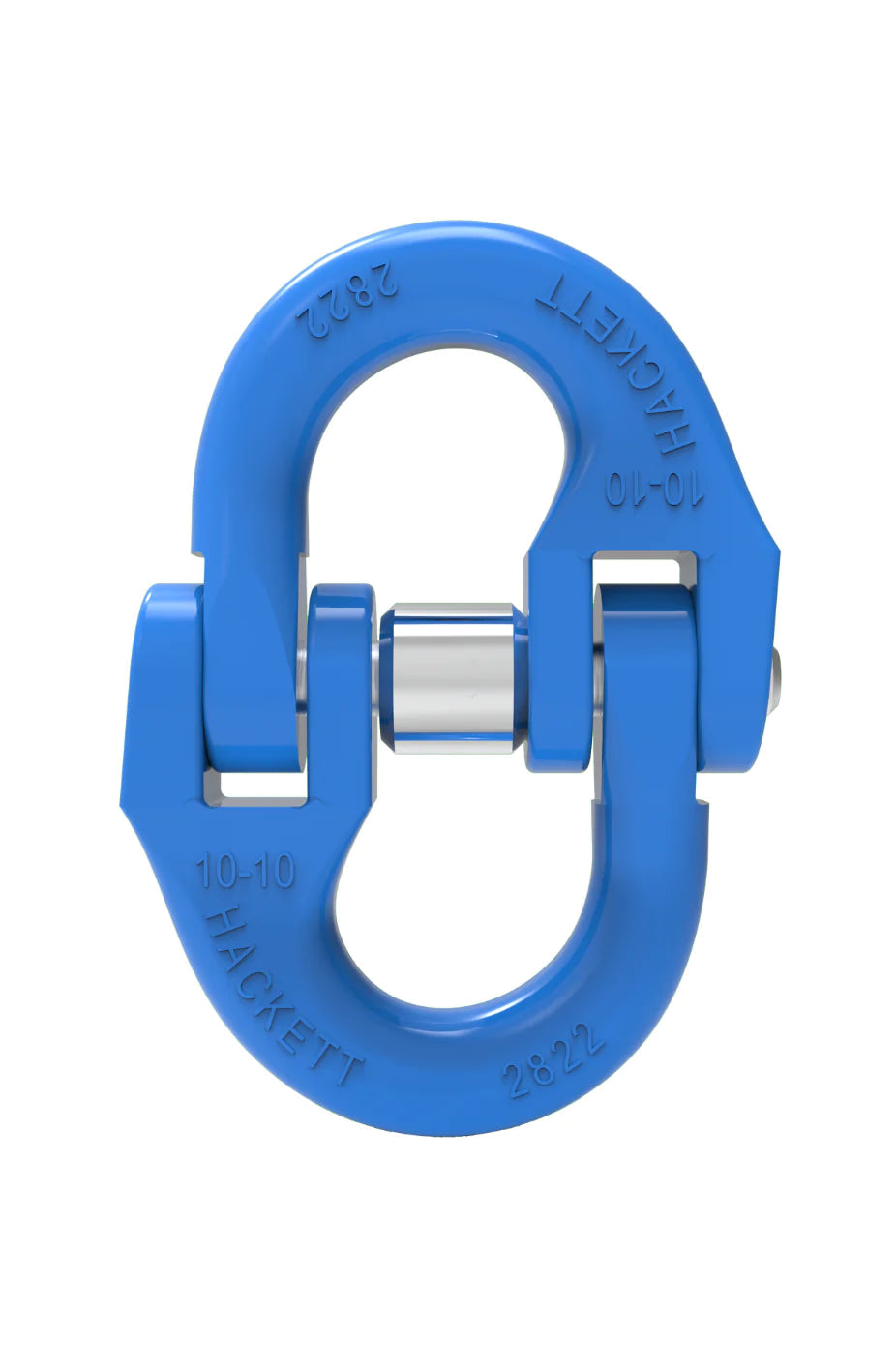
Build and repair chain slings with Grade 100 components. The William Hackett Grade 100 clevis sling hooks and component connectors are the parts that build and repair chain assemblies. The clevis sling hook pins straight onto Grade 100 chain, sized from 1/4 inch at 3,000 lb up to 5/8 inch at 22,000 lb, and the component connector, a two-part coupling link, joins chain to master links and hooks without a weld. Two rules keep an assembly honest. Match grade to grade: Grade 100 components go on Grade 100 chain, never a mix, because the rating assumes matched parts throughout. And never repair a chain sling by welding, straightening, or heating a link; swap the damaged part for a rated component and move on. Grade 100 runs about 25% stronger than Grade 80 at the same diameter, so these hit their ratings with less chain weight for the crew to drag around.
ASME B30.26, ASME B30.9, and when to scrap gear. Two volumes cover this page. Rigging hardware falls under ASME B30.26, which asks for a visual check before use and a documented periodic inspection at least yearly, on intervals that tighten as service gets heavier. Its removal criteria for shackles are concrete: missing or illegible markings (manufacturer, size, and WLL must all be readable), wear of 10% or more of any original dimension, a bent or twisted body, nicks, gouges, or cracks, and a pin that will not seat fully all take the shackle out of service. Slings fall under ASME B30.9 with their own list, a missing or illegible tag, cuts, snags, heat glaze, and on round slings any damage that exposes the load-bearing core yarns. Do not straighten, weld, or re-machine failed gear. At roughly $6 to $30 for most of the hardware here, a shackle or a connector is the cheapest component you will ever scrap, and the most expensive one to have kept.
Frequently Asked Questions
ASME B30.26 defines it as the detachable, load-rated hardware that connects a load to the lifting equipment: shackles, links, rings, swivels, turnbuckles, eyebolts, hoist rings, and wire rope clips. This collection carries the everyday core of that list, the shackles, hooks, and connectors, and pairs it with the slings those pieces clip to so you can outfit a basic rig from one page.
Use the G-4161 screw pin for quick pick-and-place lifts rigged and stripped the same shift. Use the G-4163 safety bolt any time the shackle stays rigged for more than a shift, carries a load that can rotate, or sees vibration, since all three can work a screw pin loose. The bolt, nut, and cotter pin cannot back out. The price gap is a few dollars, so when in doubt, buy the bolt.
Buy hardware that at least equals the sling's rating, because the weakest component sets the whole rig. A 13,200 lb round sling on a 7,100 lb shackle is a 7,100 lb rig. Check the physical fit too: a sling eye crowded onto too small a pin loads its fibers unevenly, so give the eye a pin it seats on cleanly.
No. A chain sling's rating assumes every component is the same grade, so Grade 100 hooks and connectors go on Grade 100 chain, and Grade 80 on Grade 80. Mixing grades leaves the assembly rated to its weakest part with no tag that tells you which part that is. And never repair a sling by welding or heating a link; replace the damaged component with a matching rated one.
ASME B30.26 calls for a visual check each time you rig plus a documented periodic inspection, at least once a year in normal service and more often, down to quarterly, as duty gets severe. Slings follow the same rhythm under ASME B30.9. Keep the periodic records: an auditor asks for the paperwork, not your word.